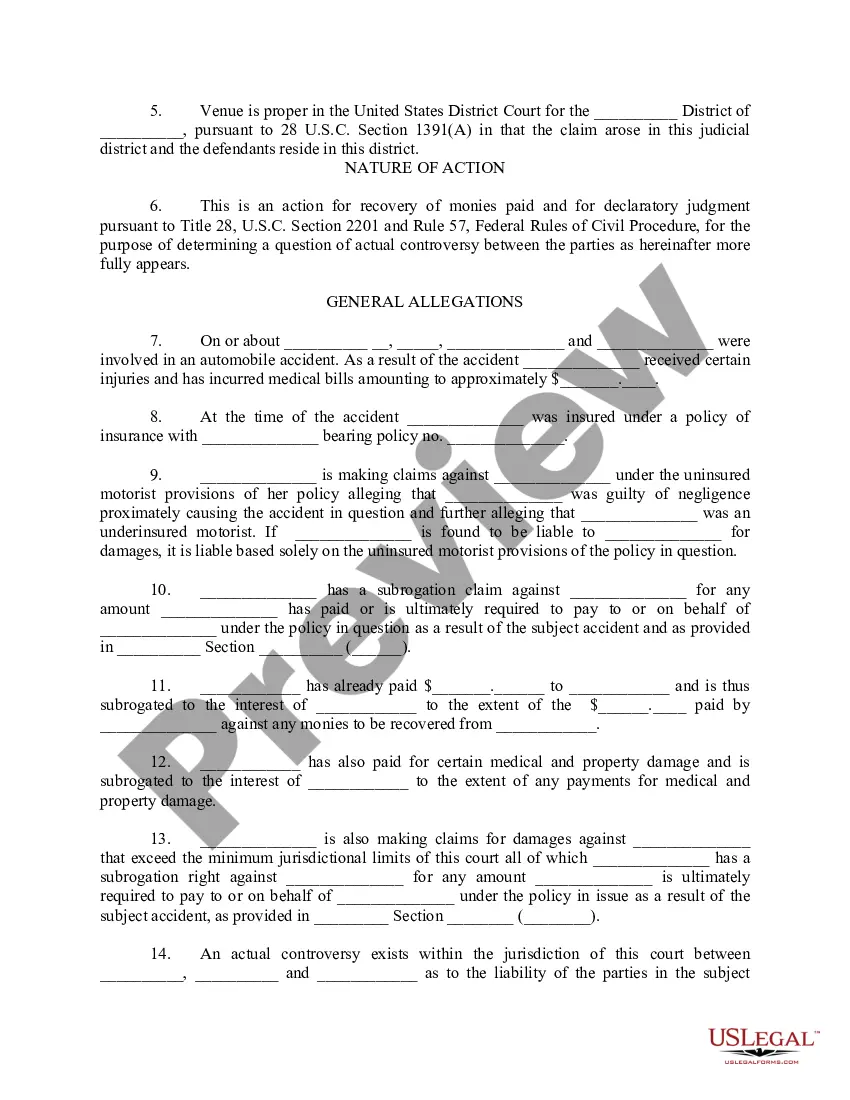
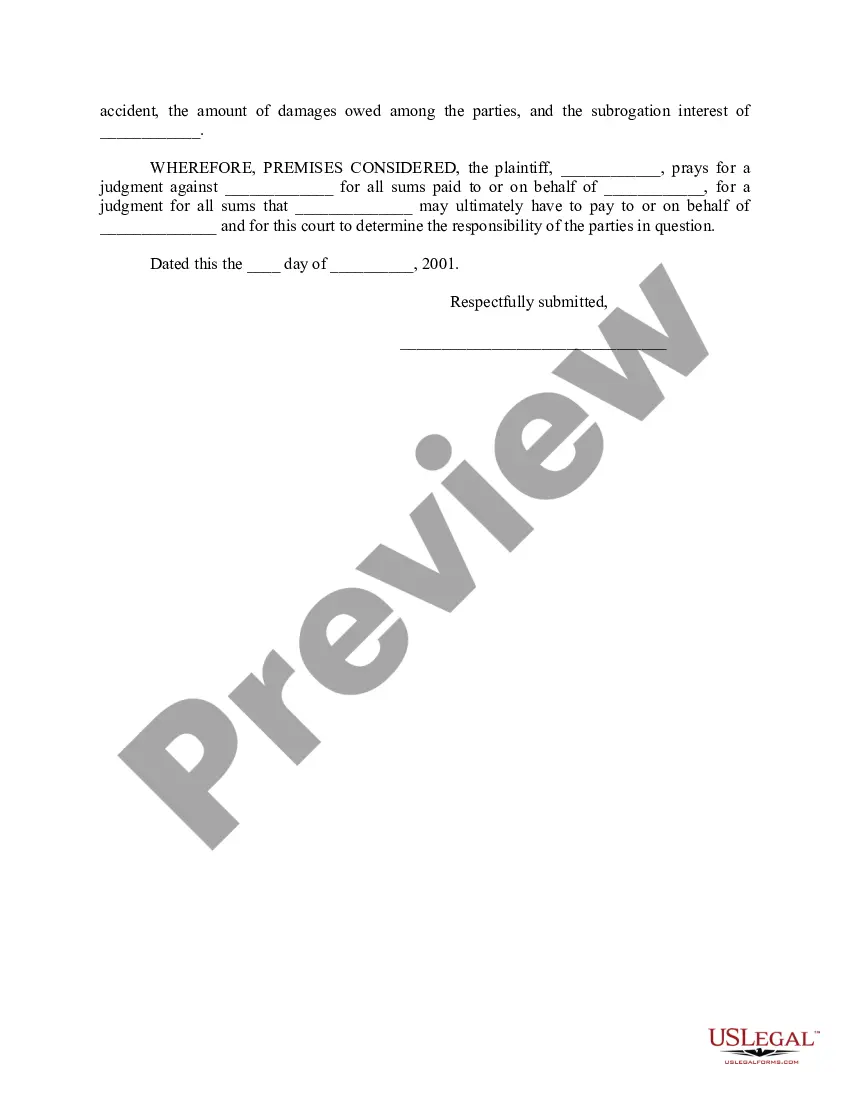
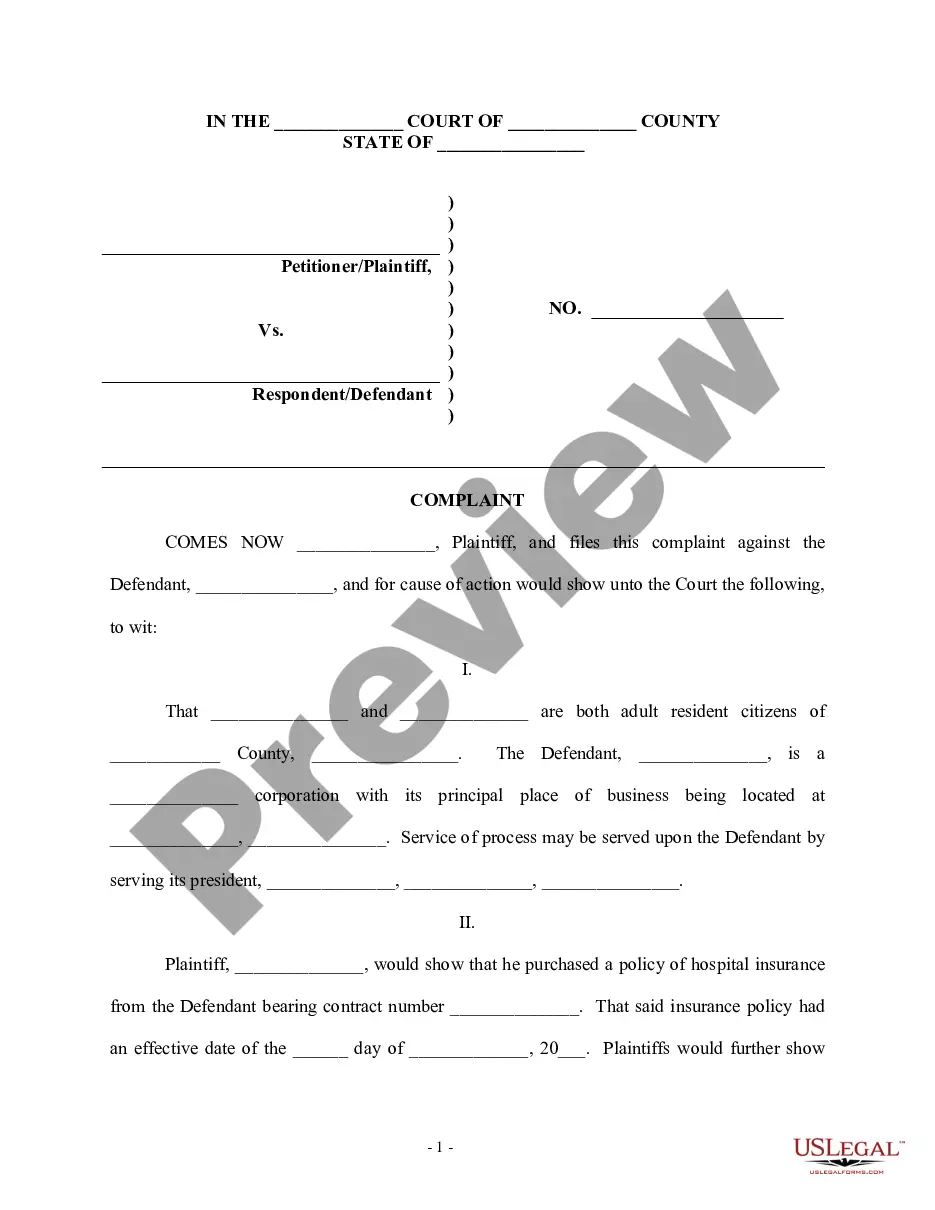
Accident With Uninsured Motorist In Middlesex
Description




Get your form ready online
Our built-in tools help you complete, sign, share, and store your documents in one place.
Make edits, fill in missing information, and update formatting in US Legal Forms—just like you would in MS Word.
Download a copy, print it, send it by email, or mail it via USPS—whatever works best for your next step.
Sign and collect signatures with our SignNow integration. Send to multiple recipients, set reminders, and more. Go Premium to unlock E-Sign.
If this form requires notarization, complete it online through a secure video call—no need to meet a notary in person or wait for an appointment.
We protect your documents and personal data by following strict security and privacy standards.

Make edits, fill in missing information, and update formatting in US Legal Forms—just like you would in MS Word.

Download a copy, print it, send it by email, or mail it via USPS—whatever works best for your next step.

Sign and collect signatures with our SignNow integration. Send to multiple recipients, set reminders, and more. Go Premium to unlock E-Sign.

If this form requires notarization, complete it online through a secure video call—no need to meet a notary in person or wait for an appointment.

We protect your documents and personal data by following strict security and privacy standards.
Looking for another form?




Form popularity
FAQ
The New Jersey auto accident statute of limitations for filing a lawsuit is 2 years from the date of the accident. This law applies to both personal injury and property damage claims in car, truck, and motorcycle accidents.
In New Jersey, uninsured/underinsured motorist claims are governed by a six year statute of limitations that begins to run from the date of the accident.
Penalties for driving without insurance in New Jersey Penalty typeFirst offenseSubsequent offenses Fines $300 to $1,000 Up to $5,000 License suspension Up to one year Two years NJ MVC surcharge $100 for license reinstatement $100 for license reinstatement Jail time N/A 14 days1 more row •
What Should I Do After an Accident If I'm Uninsured? Call emergency medical services if anyone seems to have suffered significant injury. Call local law enforcement to the scene. Exchange information with anyone involved in the accident. Be careful what you say at the car accident scene.
As their names suggest, UM/UIM bodily injury coverage pays for medical expenses, and UM/UIM property damage coverage pays for physical damage to your vehicle. In New Jersey, UM/UIM property damage coverage can only be used if the other driver is identified.
If the at-fault party does not have insurance, you will have to cover the losses through your own insurance company. If you have uninsured motorist coverage, this should take care of it. You will be able to file a compensation claim with your insurance company or file a lawsuit against the negligent party.
In most cases, you will have to file a claim for damages under your own uninsured motorist coverage after a car accident caused by an uninsured driver. If your claim was improperly denied, you may contact our Massachusetts car accident lawyers for help suing your own insurer.
California law requires that insurance companies offer uninsured motorist coverage. If you are in an accident with an uninsured driver, you can file a claim under your own policy's uninsured motorist coverage if you have it. You can also sue the uninsured driver for your damages.
Cons of UM/UIM Coverage One of the notable drawbacks of opting for UM/UIM coverage is the accompanying increase in insurance premiums. While this may seem like a financial trade-off, the peace of mind and the level of financial protection it offers in the face of unforeseen events often justify the higher costs.
Subrogation is a legal concept where the insurance company steps into the shoes of the insured to recover the costs of the claim from the party at fault. If the at-fault party is uninsured, the insurer may pursue subrogation against the driver personally.
