Subrogation For Claim In Mecklenburg
Description

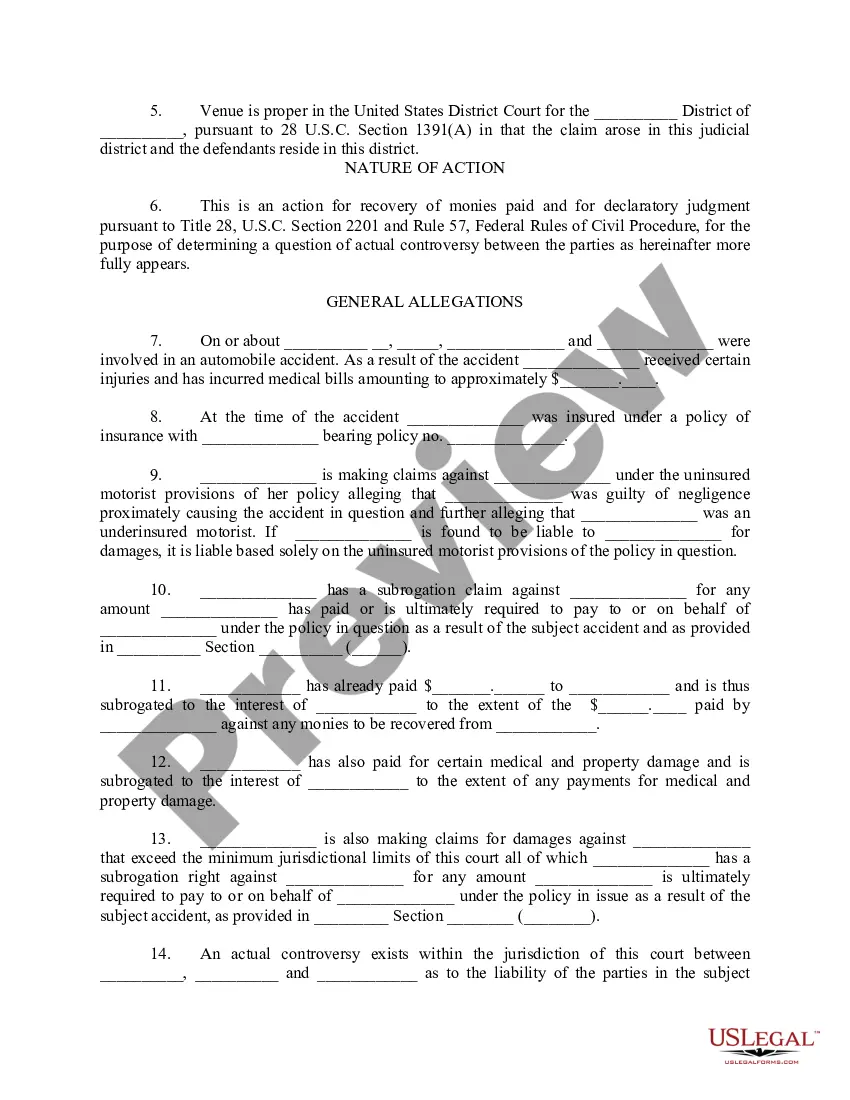
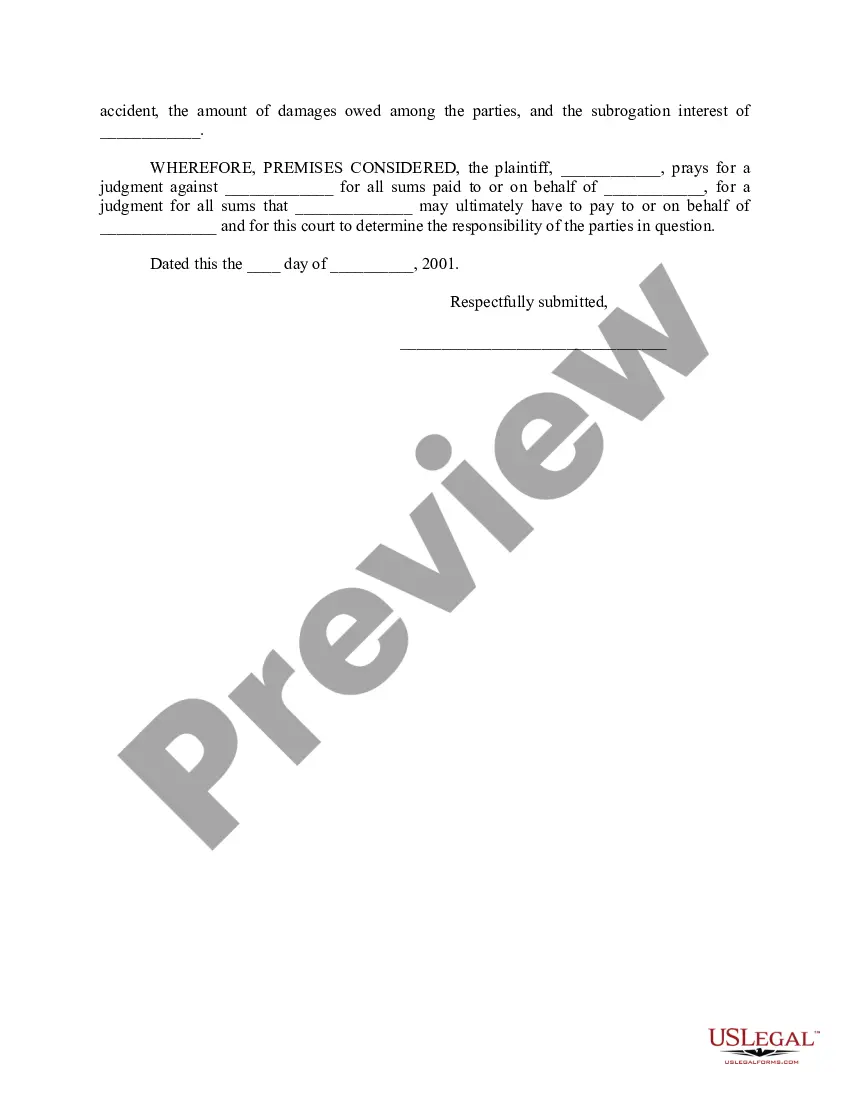



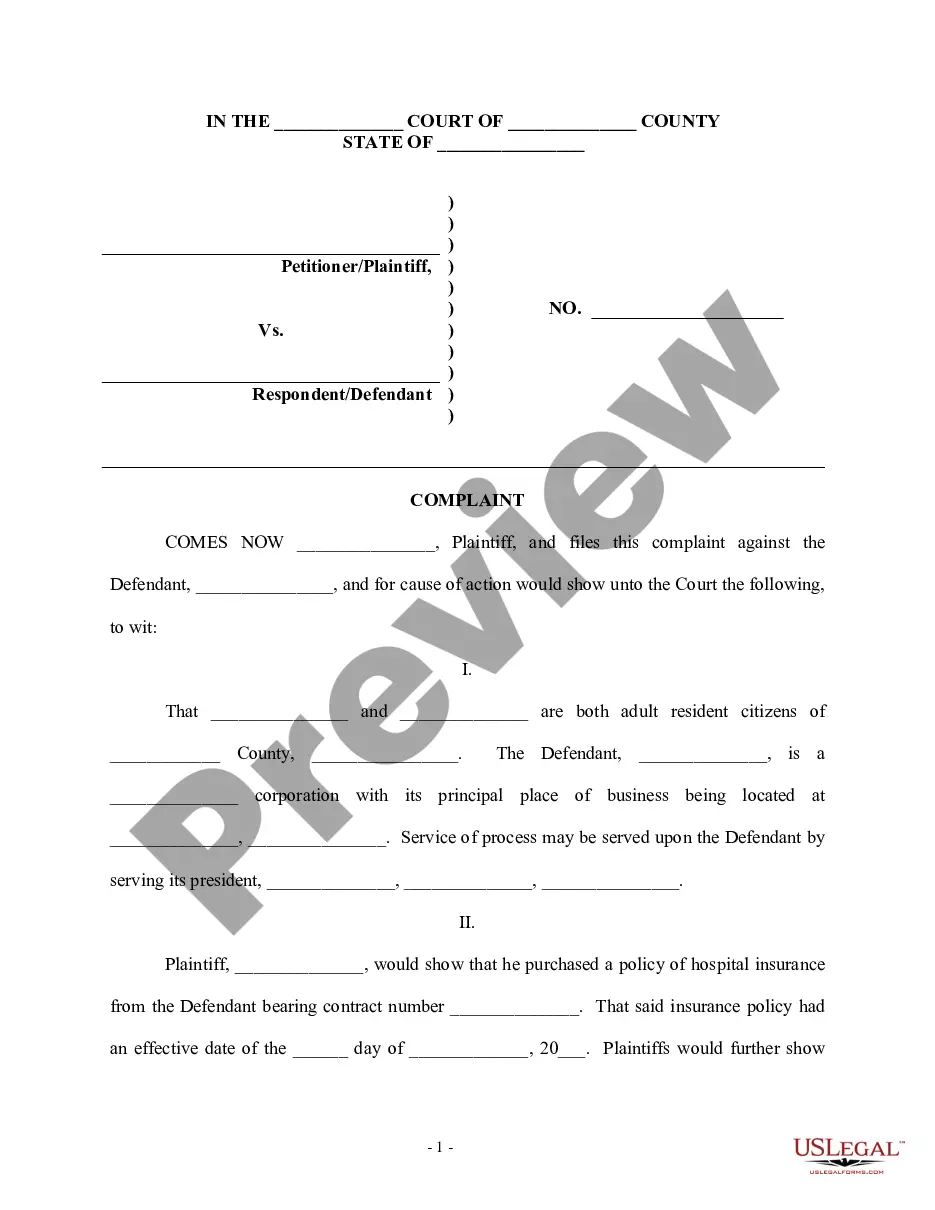
Get your form ready online
Our built-in tools help you complete, sign, share, and store your documents in one place.
Make edits, fill in missing information, and update formatting in US Legal Forms—just like you would in MS Word.
Download a copy, print it, send it by email, or mail it via USPS—whatever works best for your next step.
Sign and collect signatures with our SignNow integration. Send to multiple recipients, set reminders, and more. Go Premium to unlock E-Sign.
If this form requires notarization, complete it online through a secure video call—no need to meet a notary in person or wait for an appointment.
We protect your documents and personal data by following strict security and privacy standards.

Make edits, fill in missing information, and update formatting in US Legal Forms—just like you would in MS Word.

Download a copy, print it, send it by email, or mail it via USPS—whatever works best for your next step.

Sign and collect signatures with our SignNow integration. Send to multiple recipients, set reminders, and more. Go Premium to unlock E-Sign.

If this form requires notarization, complete it online through a secure video call—no need to meet a notary in person or wait for an appointment.

We protect your documents and personal data by following strict security and privacy standards.
Looking for another form?









Form popularity
FAQ
When you file a claim, your insurer can try to recover costs from the person responsible for your injury or property damage. This is known as subrogation. For example: Your insurance company pays your doctor for your treatment following an auto accident that someone else caused.
What is the Legal Definition of Subrogation? Subrogation, in the legal context, refers to when one party takes on the legal rights of another, especially substituting one creditor for another. Subrogation can also occur when one party takes over another's right to sue.
In most subrogation cases, an individual's insurance company pays its client's claim directly, then seeks reimbursement from the other party's insurance company. Subrogation is most common in an auto insurance policy but also occurs in property/casualty and healthcare policy claims.
You will want to immediately notify your own insurer to determine how they can assist you. A subrogation claim is not going to go away on its own. If you ignore the letter, the insurer will file a lawsuit against you, the party being held responsible, and the insurer will win, almost every time.
Receiving a subrogation letter can seem problematic, but it does not have to be. Instead, reach out to your car accident attorney immediately to provide a copy of the letter and any information about the claims you made. If you received compensation from the insurance company, do not ignore this letter.
And we hereby subrogate to you the rights and remedies that we have in consequence of or arising from loss/damage to our insured goods and we further hereby grant to you all power to take and use all lawful ways and means to demand, recover and to receive the said loss/damage and all and every debt from whom it may ...
When you file a claim, your insurer can try to recover costs from the person responsible for your injury or property damage. This is known as subrogation. For example: Your insurance company pays your doctor for your treatment following an auto accident that someone else caused.
In general, the average subrogation process takes around 6-months. However, depending on the severity of the accident in question, it could take longer.
However, North Carolina prohibits subrogation. Our anti-subrogation laws mean that insurance providers cannot touch your personal settlement or award after an accident. These laws are critical in protecting the rights of injured people against insurance companies.
North Carolina is unique, as the state strictly prohibits subrogation language or clauses in privately funded health insurance policies. This means that North Carolina insurance companies are not able to receive a subrogation interest in your personal injury recovery.
