Declaratory Judgment Statute Of Limitations In Maryland
Description

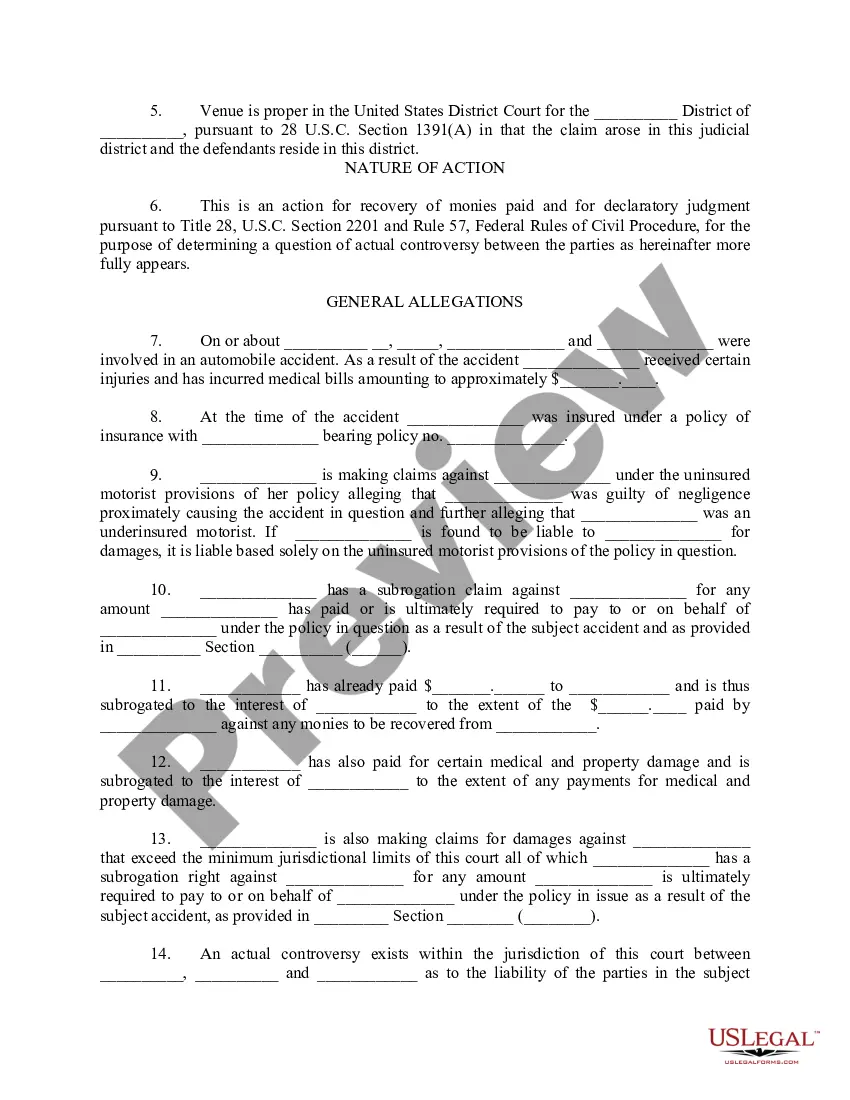
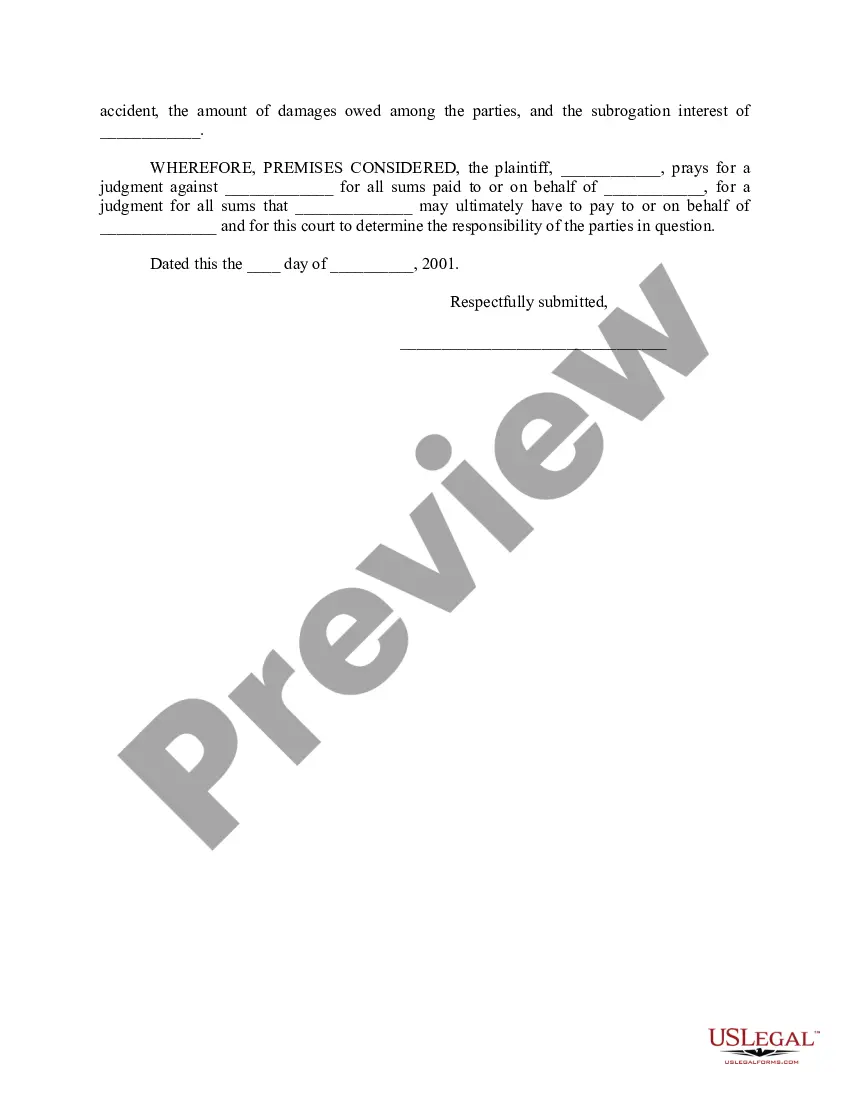



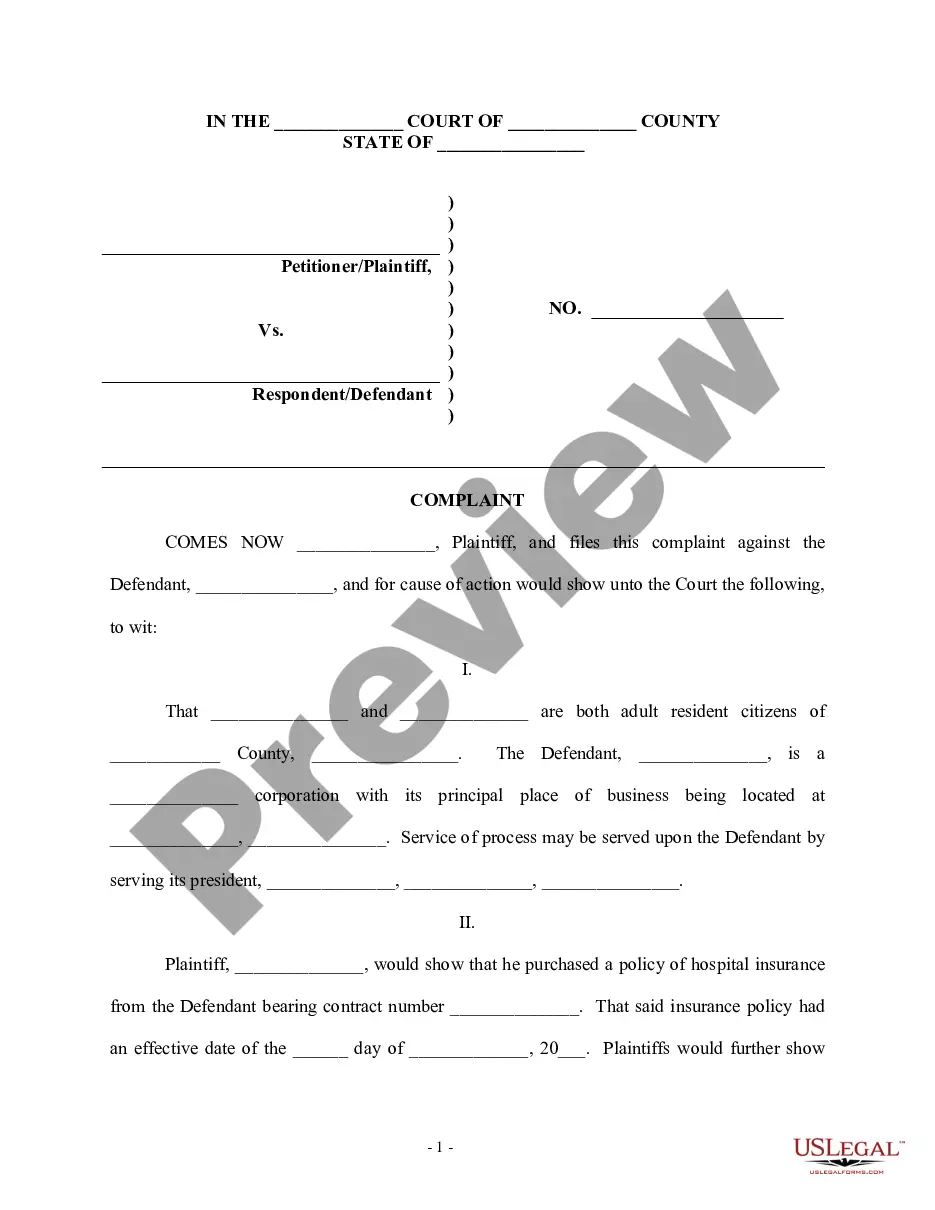
Get your form ready online
Our built-in tools help you complete, sign, share, and store your documents in one place.
Make edits, fill in missing information, and update formatting in US Legal Forms—just like you would in MS Word.
Download a copy, print it, send it by email, or mail it via USPS—whatever works best for your next step.
Sign and collect signatures with our SignNow integration. Send to multiple recipients, set reminders, and more. Go Premium to unlock E-Sign.
If this form requires notarization, complete it online through a secure video call—no need to meet a notary in person or wait for an appointment.
We protect your documents and personal data by following strict security and privacy standards.

Make edits, fill in missing information, and update formatting in US Legal Forms—just like you would in MS Word.

Download a copy, print it, send it by email, or mail it via USPS—whatever works best for your next step.

Sign and collect signatures with our SignNow integration. Send to multiple recipients, set reminders, and more. Go Premium to unlock E-Sign.

If this form requires notarization, complete it online through a secure video call—no need to meet a notary in person or wait for an appointment.

We protect your documents and personal data by following strict security and privacy standards.
Looking for another form?








Form popularity
FAQ
Most misdemeanors have a one-year time limit for filing charges. However, some misdemeanors have two years to file charges, including those that carry prison time (rather than jail time), misdemeanors under the Maryland Public Ethics Law, and offenses involving criminal misconduct by state officials.
Limitations for Crimes: Crime and Time LimitCode or Case Misdemeanor, generally - 1 year CJS, § 5-106(a) Misdemeanor punishable by imprisonment in penitentiary - no limitation CJS, § 5-106(b) Fines for election law offenses - 4 years CJS, § 5-106(h) Tax violations - 3 years CJS, § 5-106(l)6 more rows •
In Maryland, for most civil actions you have a period of three years after the act which caused you the harm to file a lawsuit. However, by law some types of cases have a different limitation period. For example, the limitation period for assault, libel, or slander is one year.
For example, if one state's statute of limitations for medical malpractice is 2 years, and you file a lawsuit 2 years and 1 day after an alleged incident has occurred, you are out of luck.
A: The statute of limitations on filing charges in California depends in part on the type of crime. If, for example, it is a personal injury claim, the charges would have to be brought within two years. If the claim was regarding damaged property, the case would need to be initiated within three years of the incident.
But how long do you have to press charges for assault in MD? The law states that if you do not file a claim with the law enforcement officers after one year from the actual date of the incident, the law can no longer prosecute the accused. Contact a lawyer who is well versed in criminal law if you have any questions.
In Maryland, most misdemeanors can be charged within one year of the offense, while felony charges can be filed at any time.
There is an exception to the statute of limitations rule that applies in a situation where you did not know that you were harmed. Your lack of knowledge of the harm must be reasonable. If the court agrees, you may be allowed extra time to file your lawsuit.
Common Scenarios for Extending the Statute of Limitations Minor Plaintiffs: If you were under 18 when the incident occurred, the statute often doesn't start running until your 18th birthday. Mental Incapacity: Similar to minors, those who are mentally incapacitated may have the clock paused until they regain capacity.
Some crimes have no statutes of limitations. For example, murder typically has none. Sexual crimes against minors and violent crimes have none in many states. In some states, crimes that involve public funds have no statutes of limitations.
