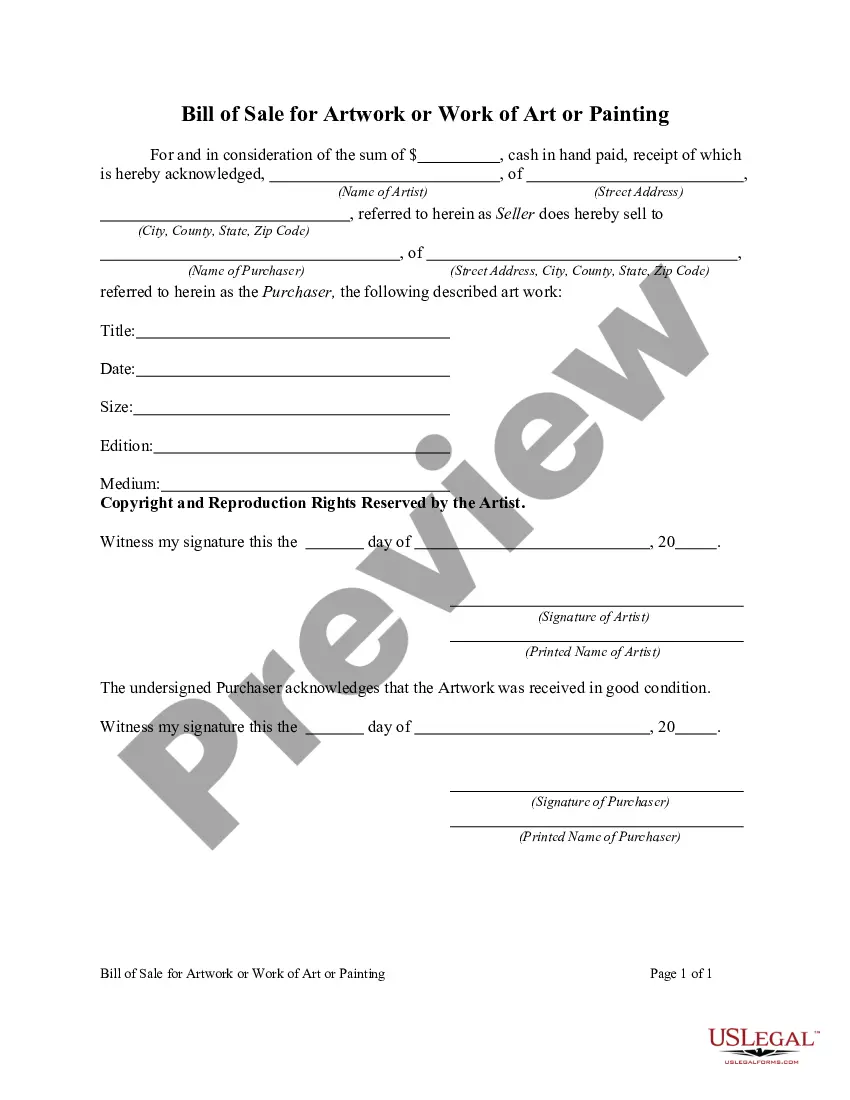
Complaint Subrogation Sample For Workers Compensation In Houston
Description





Get your form ready online
Our built-in tools help you complete, sign, share, and store your documents in one place.
Make edits, fill in missing information, and update formatting in US Legal Forms—just like you would in MS Word.
Download a copy, print it, send it by email, or mail it via USPS—whatever works best for your next step.
Sign and collect signatures with our SignNow integration. Send to multiple recipients, set reminders, and more. Go Premium to unlock E-Sign.
If this form requires notarization, complete it online through a secure video call—no need to meet a notary in person or wait for an appointment.
We protect your documents and personal data by following strict security and privacy standards.

Make edits, fill in missing information, and update formatting in US Legal Forms—just like you would in MS Word.

Download a copy, print it, send it by email, or mail it via USPS—whatever works best for your next step.

Sign and collect signatures with our SignNow integration. Send to multiple recipients, set reminders, and more. Go Premium to unlock E-Sign.

If this form requires notarization, complete it online through a secure video call—no need to meet a notary in person or wait for an appointment.

We protect your documents and personal data by following strict security and privacy standards.
Looking for another form?








Form popularity
FAQ
Workers' compensation complaints Gather any documents you think will support your complaint. Submit your complaint and your supporting documents to us one of the following ways: Email: DWCCOMPLAINTS@tdi.texas. Fax: 512-490-1030. In person: At a DWC field office. Mail:
If you're hurt while driving, walking, biking, or using public transportation to get to work, the workers' compensation system doesn't apply to your injuries. However, if your work duties include traveling, injuries that occur during travel for your employer is covered.
If your injury or illness qualifies as a serious health condition under the FMLA, your employer may be required to provide you with job-protected leave. This means that they cannot terminate your employment solely because you are on worker's compensation.
Injured and Employer was Grossly Negligent If you were injured on the job and the employer was grossly negligent leading to the injury, you can sue your employer regardless of whether he provided you with workers' compensation coverage.
In Texas, workers' compensation insurance covers medical benefits, income benefits (including temporary income benefits, impairment income benefits, supplemental income benefits, and lifetime income benefits), and death and burial, ing to the DWC.
An employer can dispute workers compensation claim if they believe: You haven't sustained serious injuries requiring medical treatment. The accident or your injuries don't relate to work. Coverage is available only for on the job injuries or injuries caused by performing job-related duties.
How do you claim? Inform your supervisor or employer as soon as possible (verbally or in writing). Make note of anyone who witnessed the accident. The form that needs to be completed is WCL 2: Notice of Accident and Claim for Compensation.
Workers' compensation complaints Gather any documents you think will support your complaint. Submit your complaint and your supporting documents to us one of the following ways: Email: DWCCOMPLAINTS@tdi.texas. Fax: 512-490-1030. In person: At a DWC field office. Mail:
How To Notify Your Employer of Work Injury Step-By-Step Basic Information. Explain How You Were Injured On The Job. Talk About Your Injury. Clarify That You Had No Pre-Existing Injuries. Include Medical Information From Your Doctor. Request a List of Approved Doctors. Remind Your Employer To Take the Next Steps.
The form asks for basic information like your name and phone number. It asks you to describe the accident and your injuries. You provide information like whether you miss work because of your injuries and what witnesses you think there might be to the accident. You sign and date the form.