Complaint Responsibility File Format In Hillsborough
Description

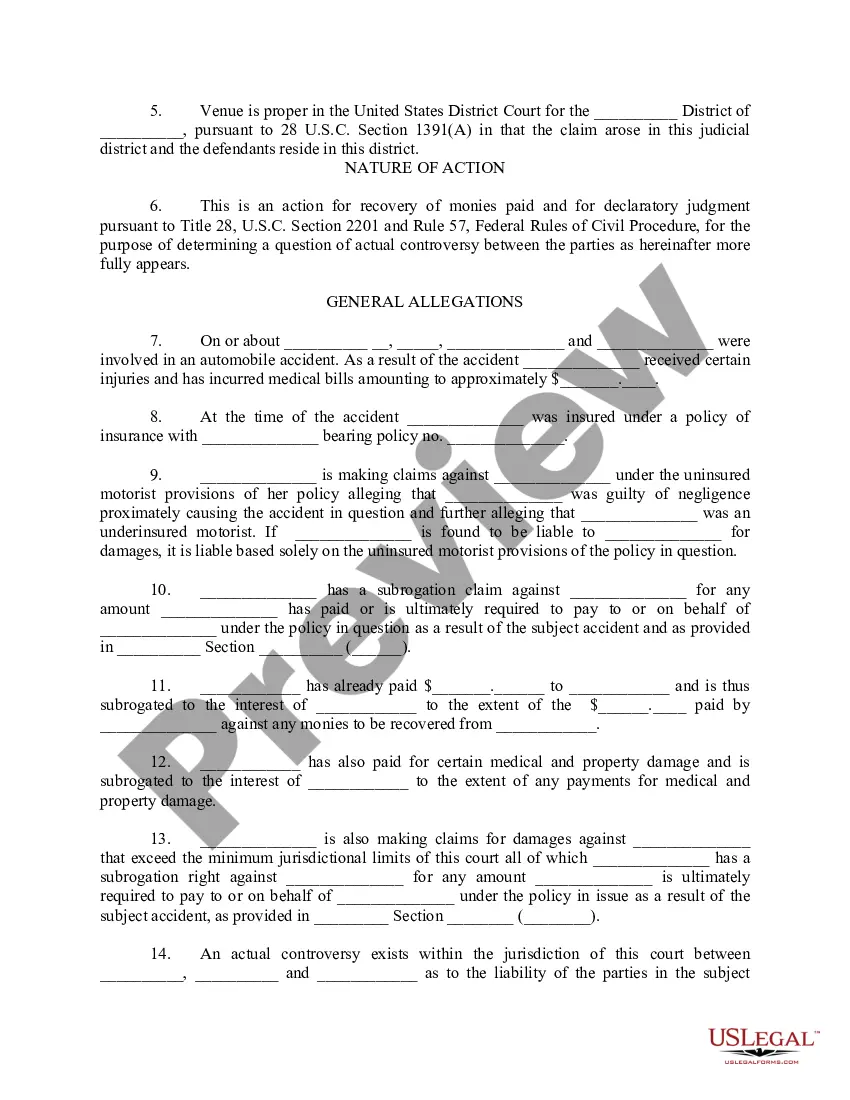
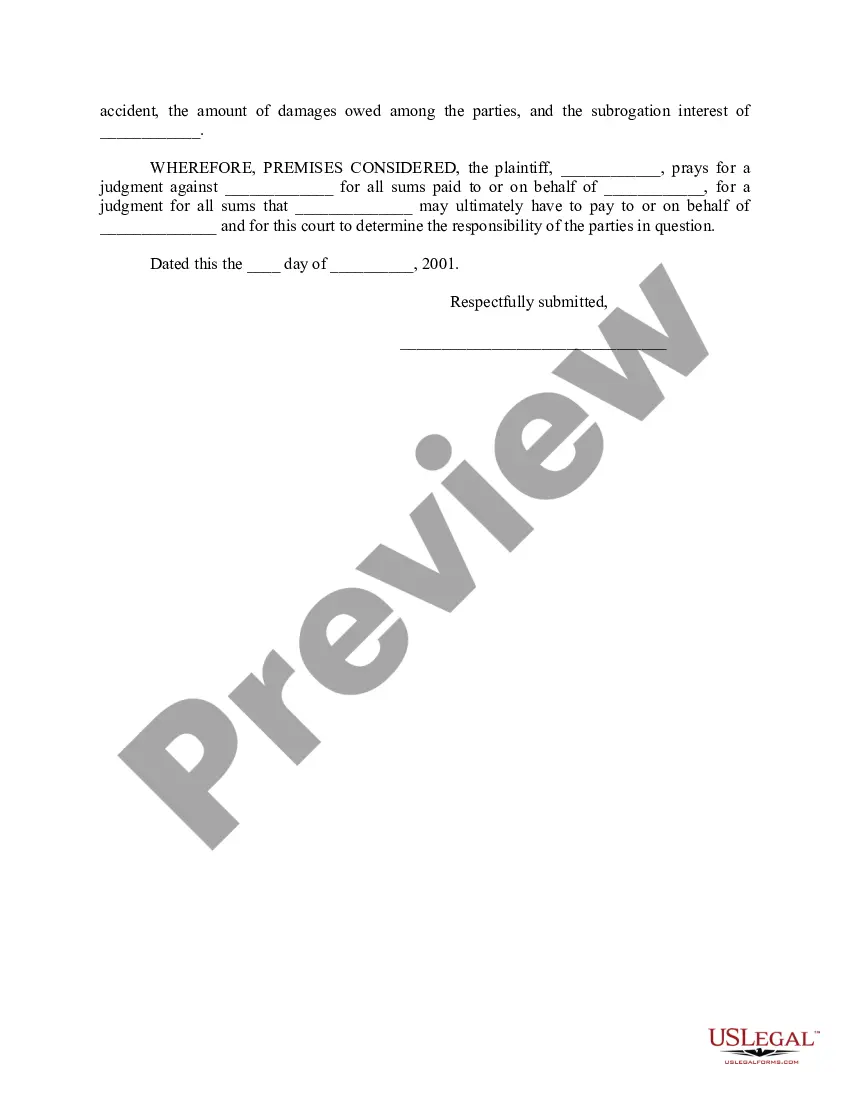



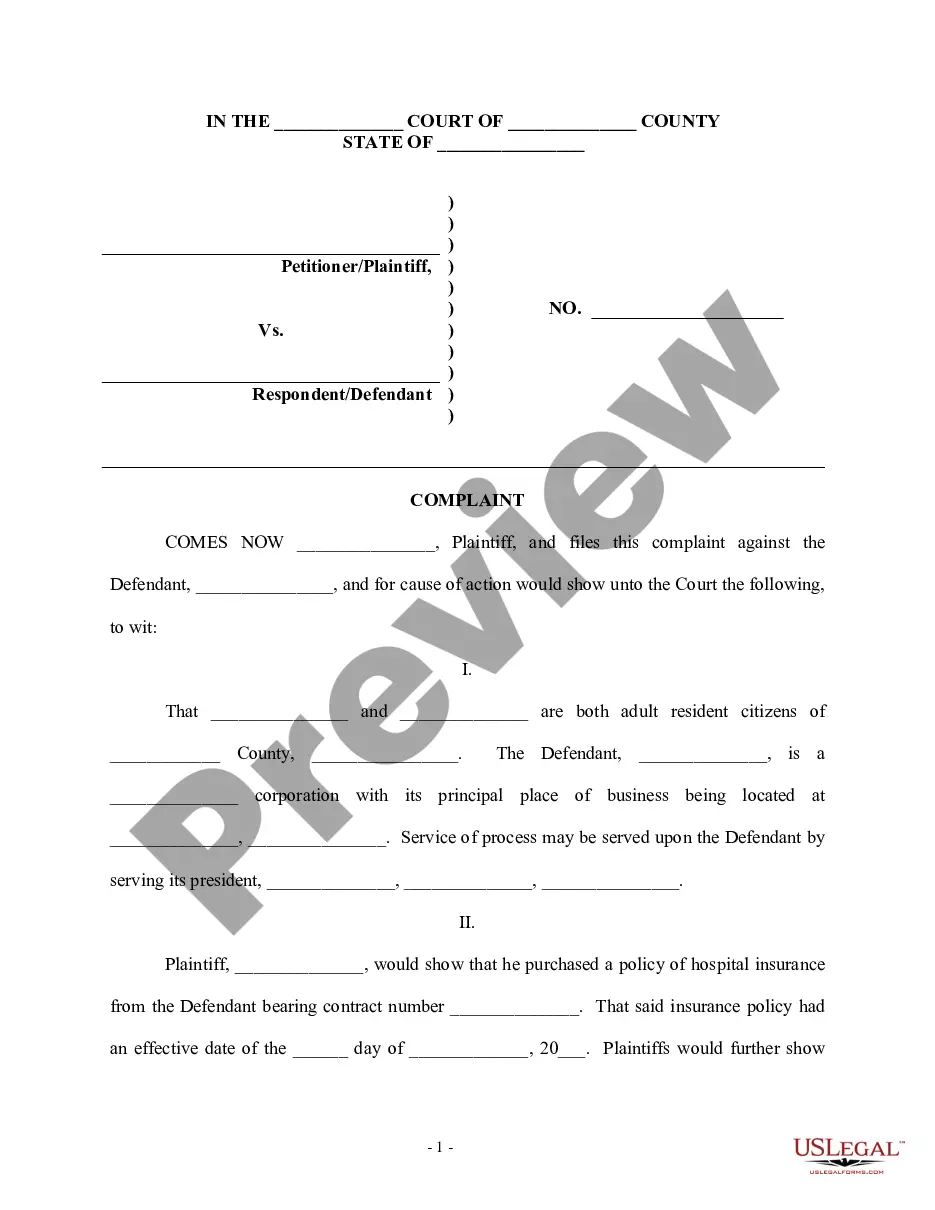
Get your form ready online
Our built-in tools help you complete, sign, share, and store your documents in one place.
Make edits, fill in missing information, and update formatting in US Legal Forms—just like you would in MS Word.
Download a copy, print it, send it by email, or mail it via USPS—whatever works best for your next step.
Sign and collect signatures with our SignNow integration. Send to multiple recipients, set reminders, and more. Go Premium to unlock E-Sign.
If this form requires notarization, complete it online through a secure video call—no need to meet a notary in person or wait for an appointment.
We protect your documents and personal data by following strict security and privacy standards.

Make edits, fill in missing information, and update formatting in US Legal Forms—just like you would in MS Word.

Download a copy, print it, send it by email, or mail it via USPS—whatever works best for your next step.

Sign and collect signatures with our SignNow integration. Send to multiple recipients, set reminders, and more. Go Premium to unlock E-Sign.

If this form requires notarization, complete it online through a secure video call—no need to meet a notary in person or wait for an appointment.

We protect your documents and personal data by following strict security and privacy standards.
Looking for another form?










Form popularity
FAQ
Only a properly executed and recorded deed gives you title to a property in Florida, but not all deeds do this in the same way. A Quitclaim Deed is a very particular type of deed that should only be used with the expertise and advice of an attorney.
A person can file a quitclaim deed by (1) entering the relevant information on a quitclaim deed form, (2) signing the deed with two witnesses and a notary, and (3) recording the deed at the county comptroller's office. In Florida, quitclaim deeds must have the name and address of both the grantor and the grantee.
A caption identifying the plaintiff and defendant, and the court in which the complaint is being filed. A brief description of the parties (e.g., their name and address). Allegations demonstrating that the court has subject matter jurisdiction, personal jurisdiction, and venue to adjudicate the claims in the complaint.
If the amount you are attempting to recover is less than $8,000, your case will be considered a small claims case. These cases are handled differently than cases for amounts over $8,000 but less than $50,000.
File a Small Claims Case You, the plaintiff, must file a “Statement of Claim” form, available at your Clerk's office. This must be fully completed and signed to receive a pre-trial conference date. If your claim is based upon written documentation, attach a copy of the contract to the Statement of Claim form.
A small claims case is a legal action filed in county court to settle minor legal disputes where the dollar amount involved is $8,000 or less. This amount does not include filing costs, interest, and attorneys' fees.
A person can file a quitclaim deed by (1) entering the relevant information on a quitclaim deed form, (2) signing the deed with two witnesses and a notary, and (3) recording the deed at the county comptroller's office. In Florida, quitclaim deeds must have the name and address of both the grantor and the grantee.
File a Small Claims Case You, the plaintiff, must file a “Statement of Claim” form, available at your Clerk's office. This must be fully completed and signed to receive a pre-trial conference date. If your claim is based upon written documentation, attach a copy of the contract to the Statement of Claim form.
