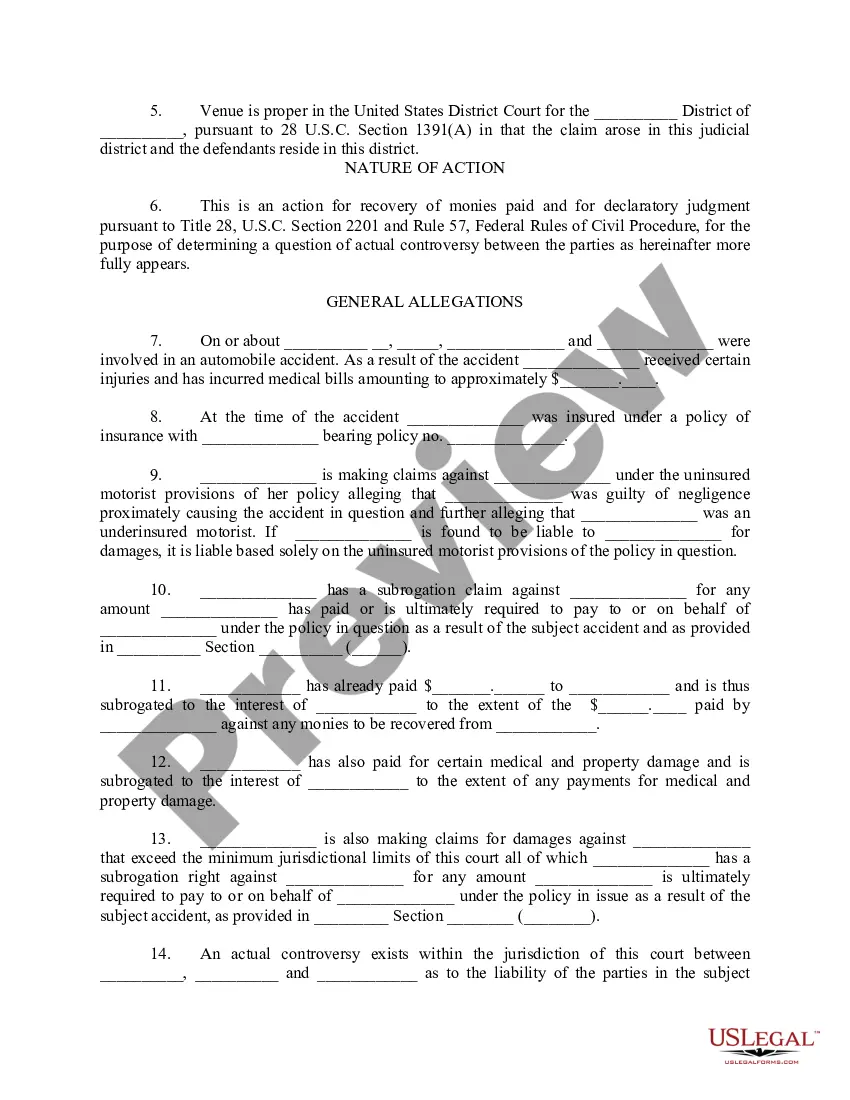
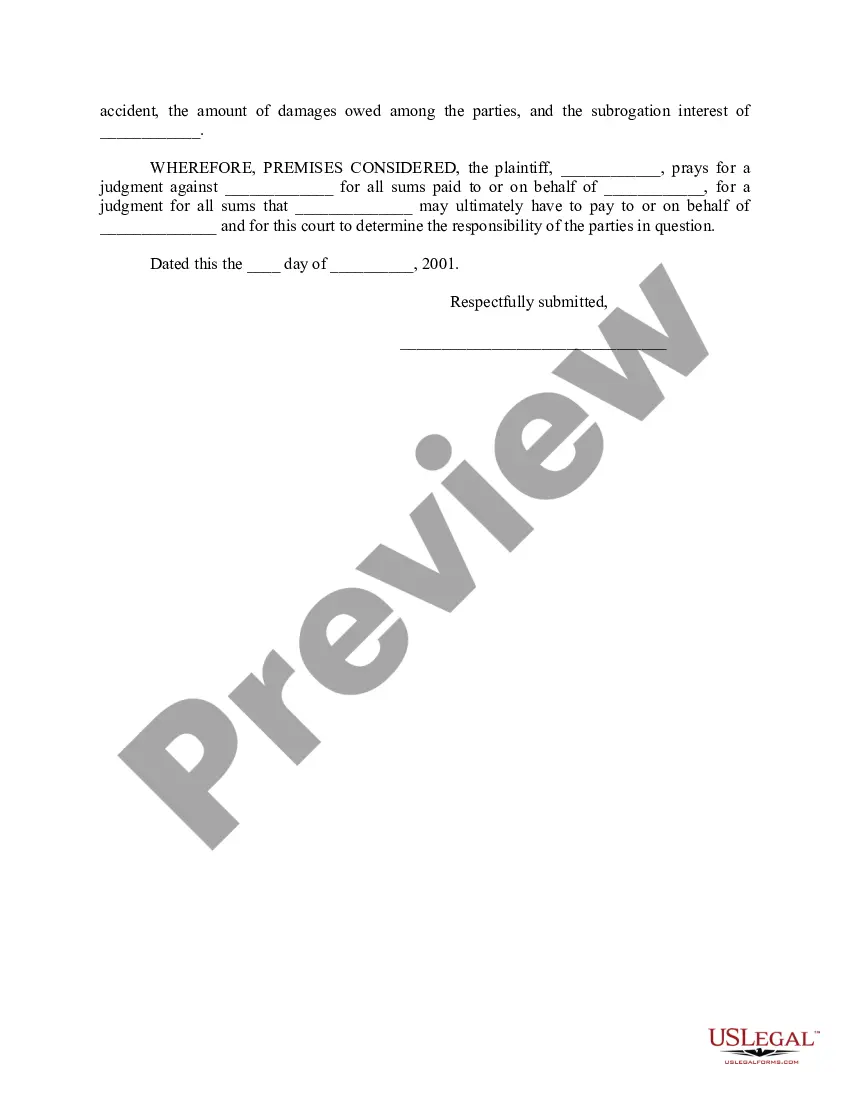
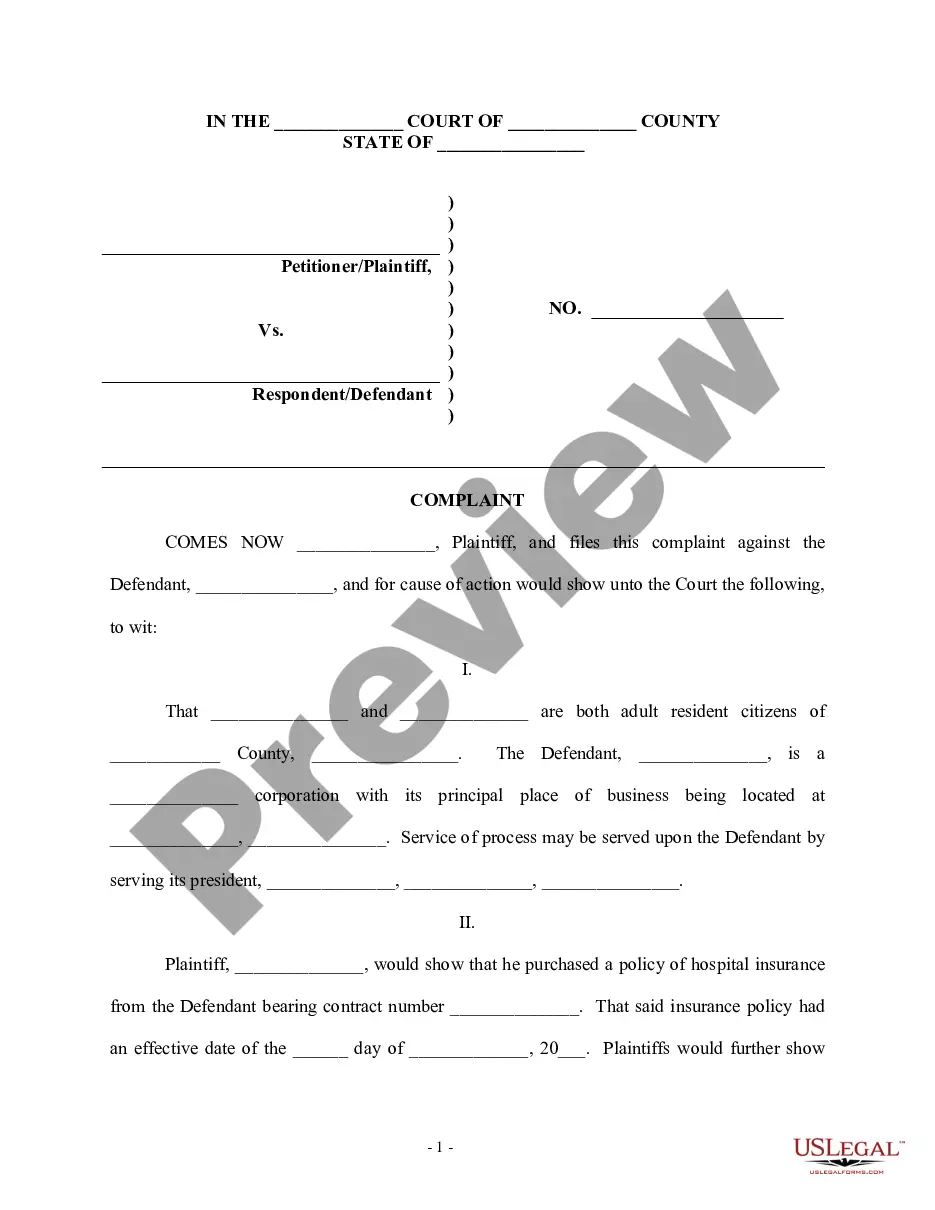
Subrogation Claim For Settlement In Fulton
Description




Get your form ready online
Our built-in tools help you complete, sign, share, and store your documents in one place.
Make edits, fill in missing information, and update formatting in US Legal Forms—just like you would in MS Word.
Download a copy, print it, send it by email, or mail it via USPS—whatever works best for your next step.
Sign and collect signatures with our SignNow integration. Send to multiple recipients, set reminders, and more. Go Premium to unlock E-Sign.
If this form requires notarization, complete it online through a secure video call—no need to meet a notary in person or wait for an appointment.
We protect your documents and personal data by following strict security and privacy standards.

Make edits, fill in missing information, and update formatting in US Legal Forms—just like you would in MS Word.

Download a copy, print it, send it by email, or mail it via USPS—whatever works best for your next step.

Sign and collect signatures with our SignNow integration. Send to multiple recipients, set reminders, and more. Go Premium to unlock E-Sign.

If this form requires notarization, complete it online through a secure video call—no need to meet a notary in person or wait for an appointment.

We protect your documents and personal data by following strict security and privacy standards.
Looking for another form?






Form popularity
FAQ
Cons of Subrogation Claims This can reduce the amount of damages recovered and potentially increase the financial burden on the insurance company or policyholder. Time: Subrogation claims can be time-consuming, particularly if they involve litigation.
During the subrogation process, your insurance company expects your cooperation. Notify your insurer if you intend to agree to a settlement with the at-fault person or their insurance company.
Ways to Fight a Subrogation Claim for Property Damage Showing you are not at fault for the damage. Challenging the amount of the claim. Subrogation waiver. Technical violations of subrogation claims. Negotiate the claim.
Subrogation Law and General Insurance Policies Georgia's Made Whole Doctrine states that a benefit provider (health insurance, generally) may only recover from a third-party claim (such as a client's personal injury settlement) if the amount of the recovery exceeds the sum of all economic and non-economic losses.
If it's unclear who's at fault, or if both drivers are responsible, it could affect the results of the subrogation process. If you're partially at fault for an accident, your insurer may only be eligible to recover part of your costs or none at all, depending on state law.
Ways to Fight a Subrogation Claim for Property Damage Showing you are not at fault for the damage. Challenging the amount of the claim. Subrogation waiver. Technical violations of subrogation claims. Negotiate the claim.
When factoring comparative negligence and improper referrals, the recovery rate should be somewhere in the range of 85-90%. This requires adjusters properly identifying subrogation, assessing comparative negligence and pursuing only what they are entitled to.
Use the evidence you have gathered to support your position, articulate the liability of the responsible party, and the extent of the damages. Seek legal representation if the subrogation claim is complex or the insurance company is unwilling to negotiate in good faith.
