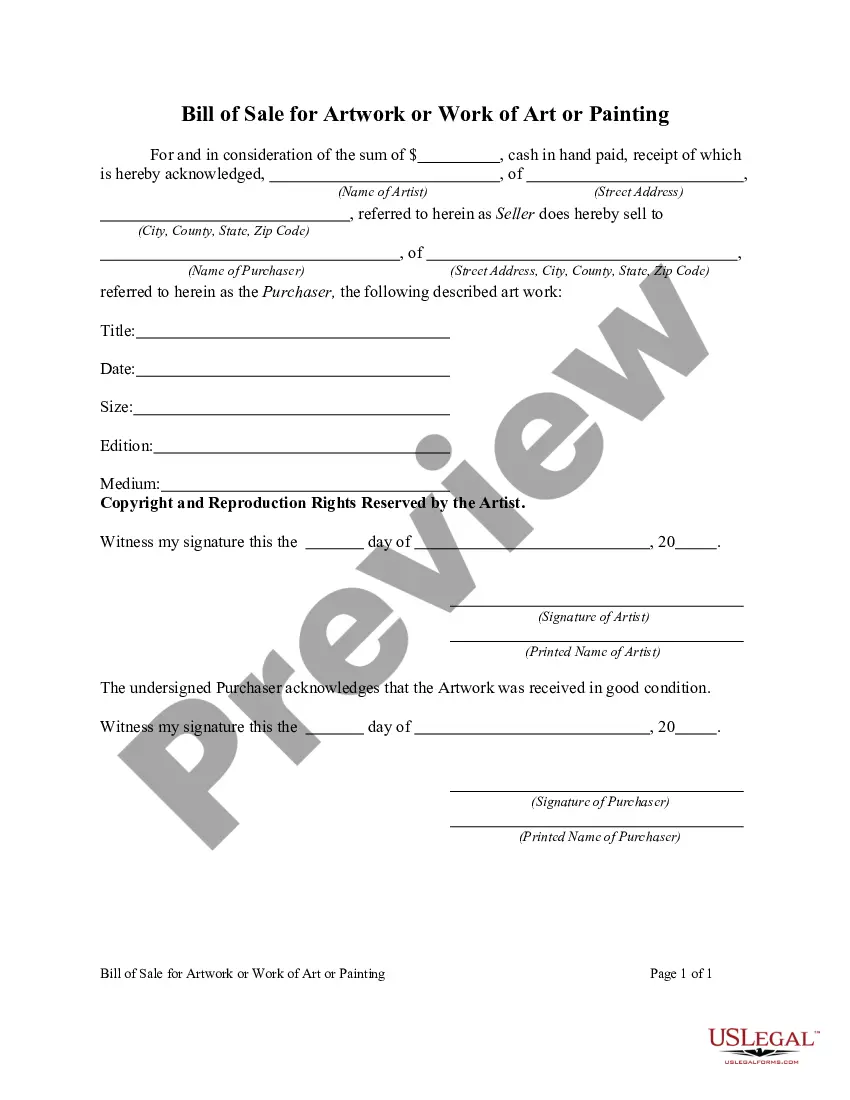
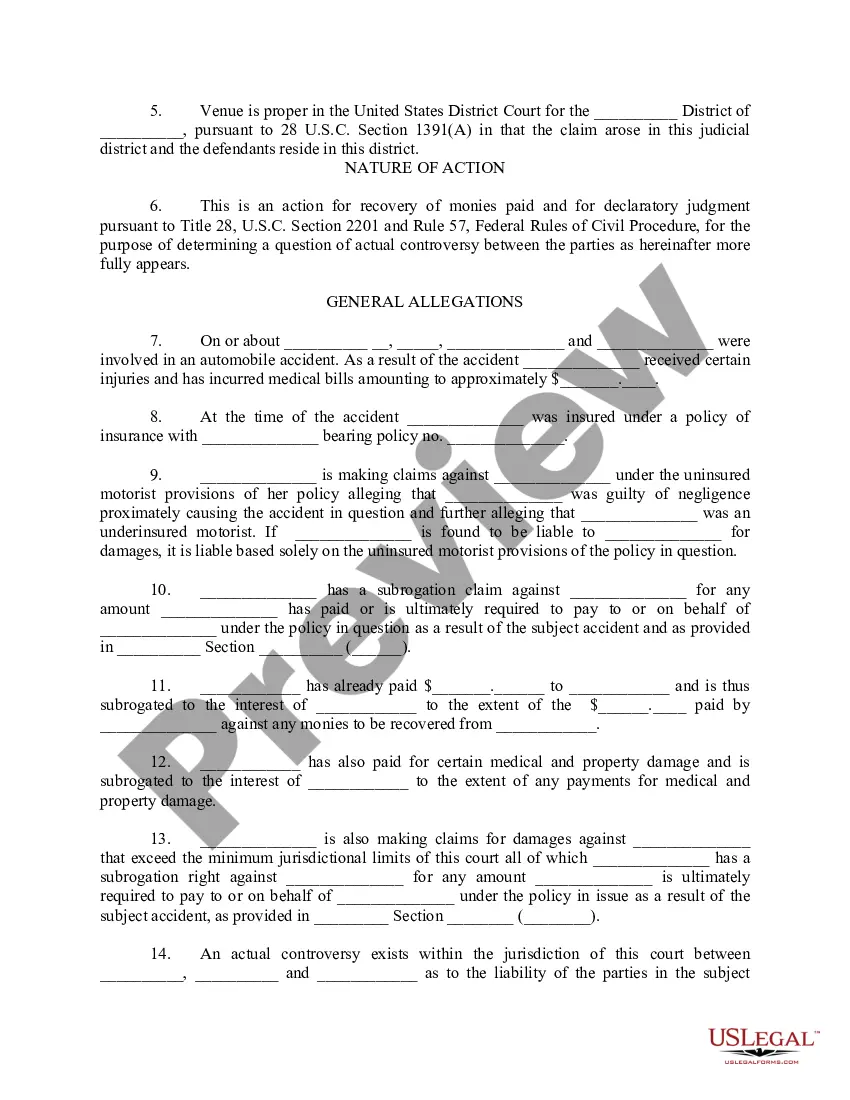
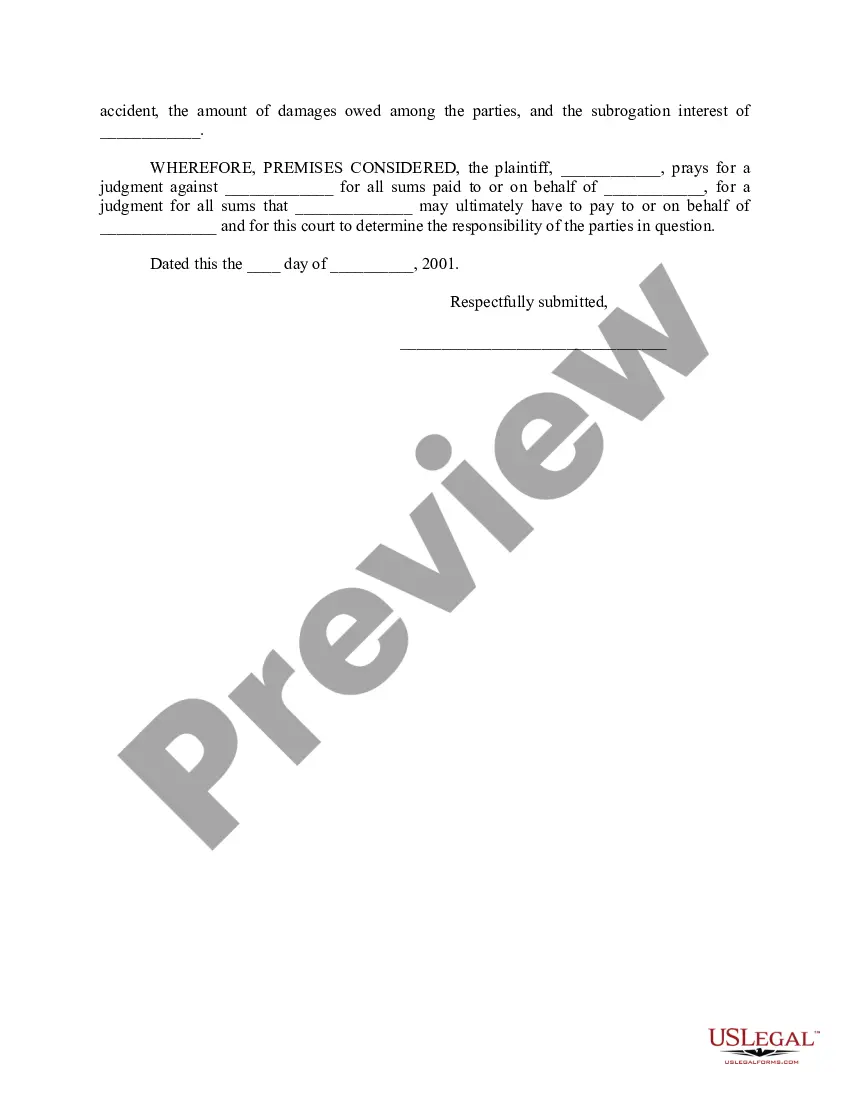
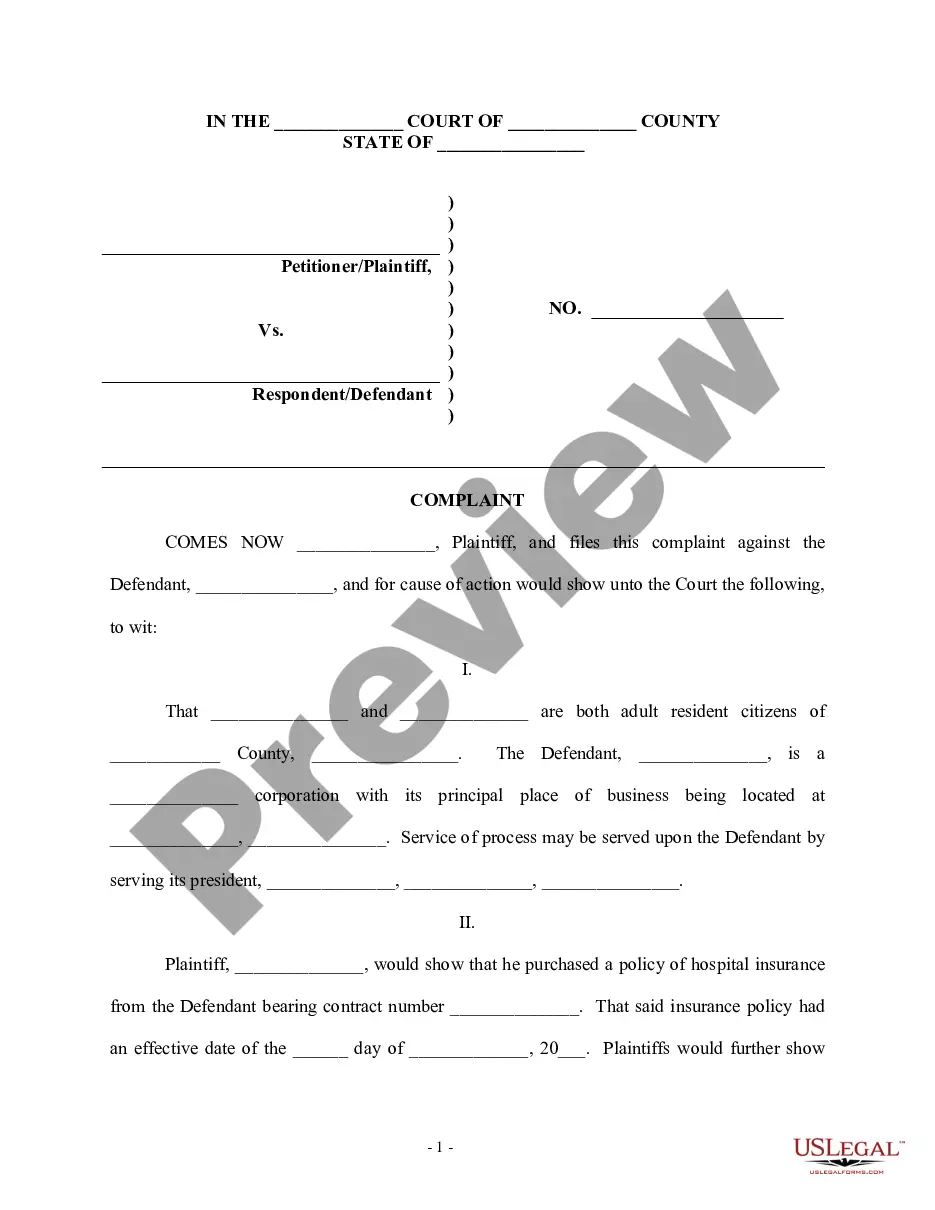
Complaint Subrogation Sample For Auto Insurance In Florida
Description




Get your form ready online
Our built-in tools help you complete, sign, share, and store your documents in one place.
Make edits, fill in missing information, and update formatting in US Legal Forms—just like you would in MS Word.
Download a copy, print it, send it by email, or mail it via USPS—whatever works best for your next step.
Sign and collect signatures with our SignNow integration. Send to multiple recipients, set reminders, and more. Go Premium to unlock E-Sign.
If this form requires notarization, complete it online through a secure video call—no need to meet a notary in person or wait for an appointment.
We protect your documents and personal data by following strict security and privacy standards.

Make edits, fill in missing information, and update formatting in US Legal Forms—just like you would in MS Word.

Download a copy, print it, send it by email, or mail it via USPS—whatever works best for your next step.

Sign and collect signatures with our SignNow integration. Send to multiple recipients, set reminders, and more. Go Premium to unlock E-Sign.

If this form requires notarization, complete it online through a secure video call—no need to meet a notary in person or wait for an appointment.

We protect your documents and personal data by following strict security and privacy standards.
Looking for another form?





Form popularity
FAQ
You can file your complaint by calling the Insurance Consumer Helpline at 1-877-MY-FL-CFO (693-5236) or do so online at MyFloridaCFO. After submitting your complaint, an email will be sent to you with your complaint number, and instructions for attaching supporting documentation.
File a Complaint with Your State's Insurance Department: If your insurer continues to be uncooperative, you can file a formal complaint with your state's Department of Insurance. They will investigate whether the insurance company is handling your claim fairly and within legal guidelines.
The Property and Casualty Market Regulation unit conducts examinations and investigations of property and casualty insurers and related parties regarding business practices and patterns of alleged violations of the Florida Insurance Code.
One example of subrogation is when an insured driver's car is totaled through the fault of another driver. The insurance carrier reimburses the covered driver under the terms of the policy and then pursues legal action against the driver at fault.
The OIR is the lead regulatory agency overseeing Florida's insurance industry—one of the largest, most complex insurance industries in the world. It is housed within the Department of Financial Services (DFS) for administrative, personnel, and technology support.
They have to be 99% sure the facts are as you say they are. Civil court, where subrogation cases are heard, has a lower bar, setting burden of proof at “a preponderance of evidence,” which is legalese for “more likely than not”. The court just needs to be pretty sure the facts are as they say you are.
You can file your complaint by calling the Insurance Consumer Helpline at 1-877-MY-FL-CFO (693-5236) or do so online at MyFloridaCFO. After submitting your complaint, an email will be sent to you with your complaint number, and instructions for attaching supporting documentation.
Defenses to defeat an insurer's subrogation rights, including asserting that the statute of limitations has run or that a valid waiver of subrogation exists or other limitations of liability. Additionally, defense counsel may contest the amount and measure of recoverable damages.
Insurance companies don't have forever to make a subrogation claim. While the statutory limitations period can vary depending on the type of subrogation claim made—and in which jurisdiction it is made—the standard statute of limitations ranges from one to six years.