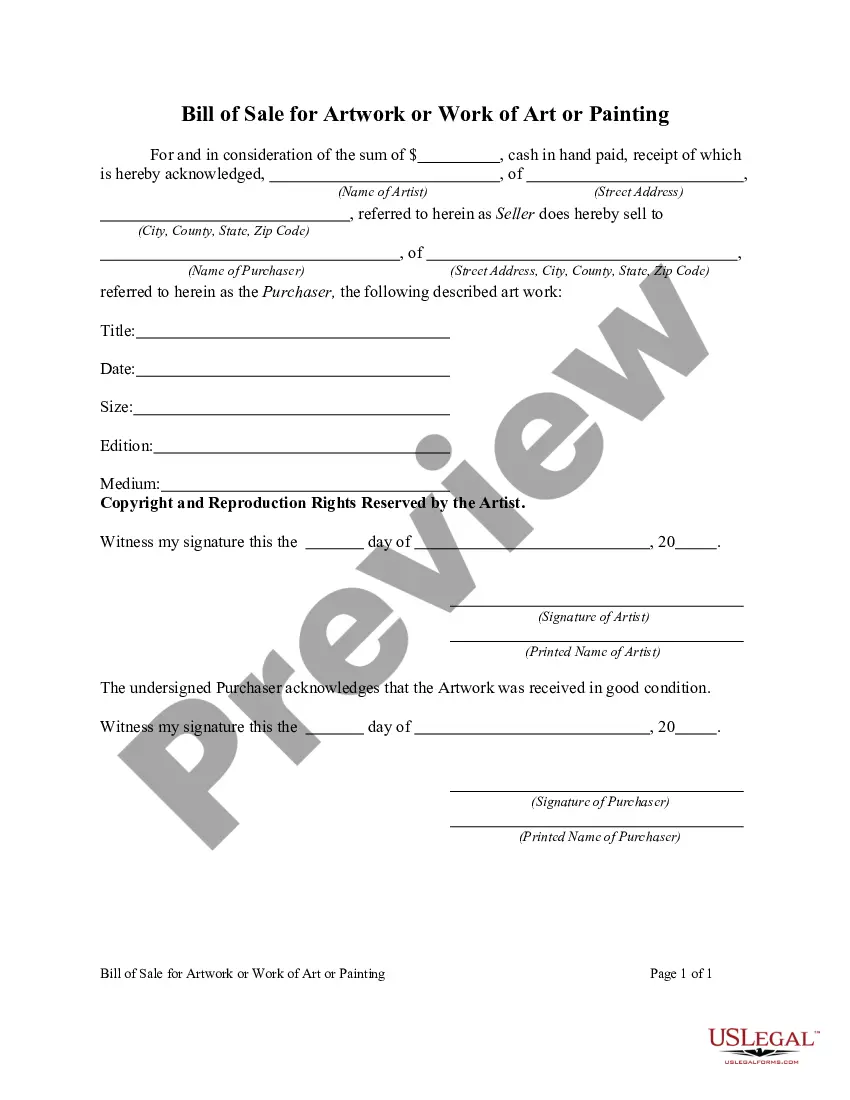
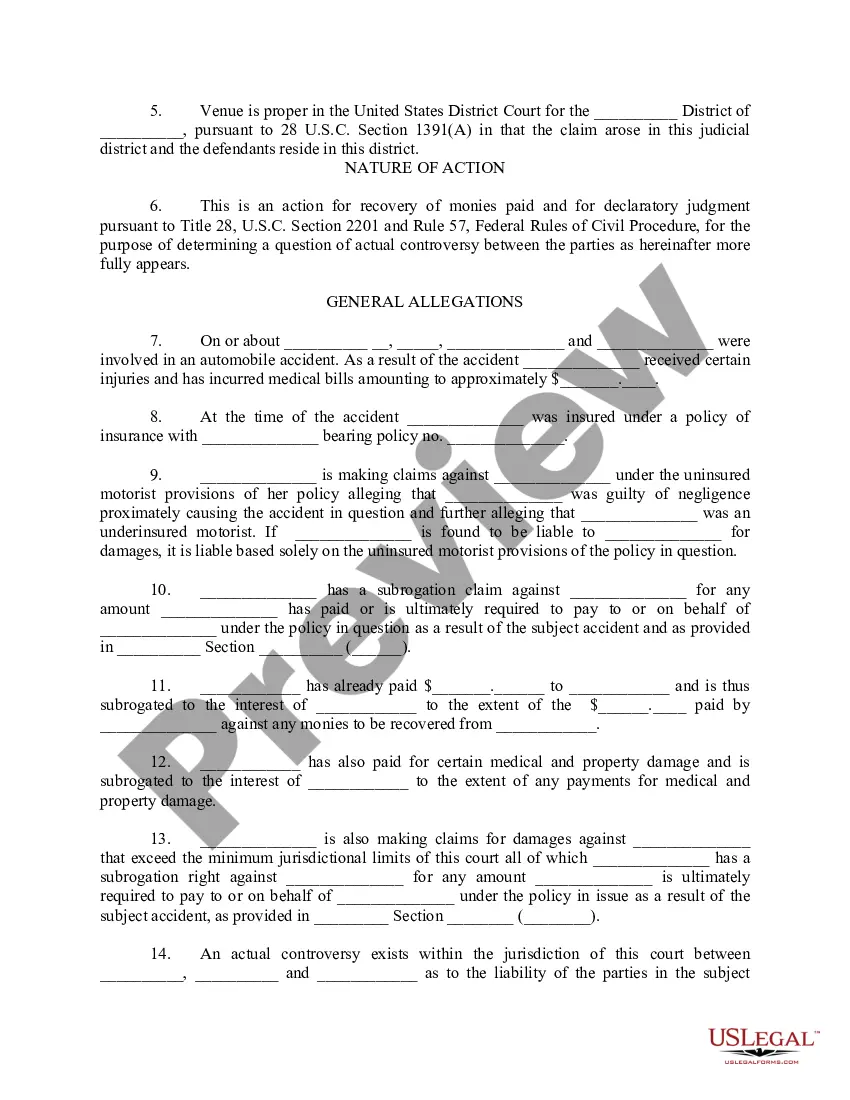
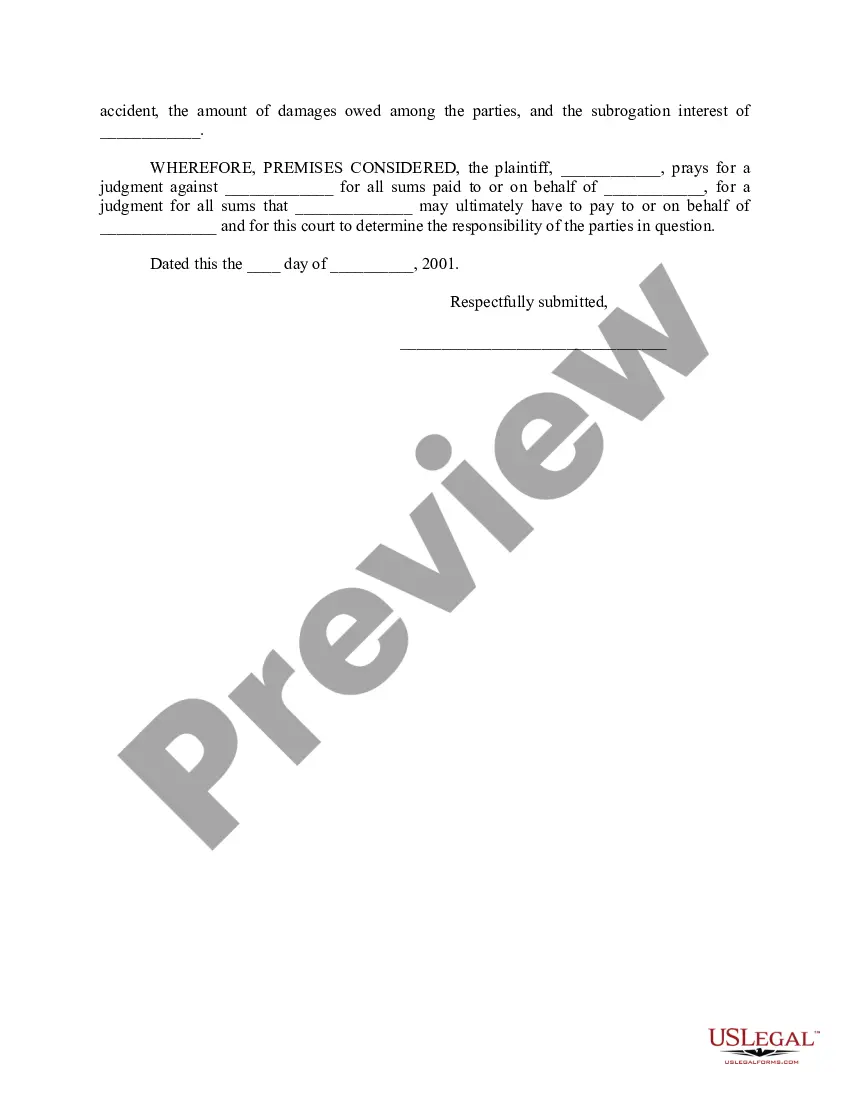
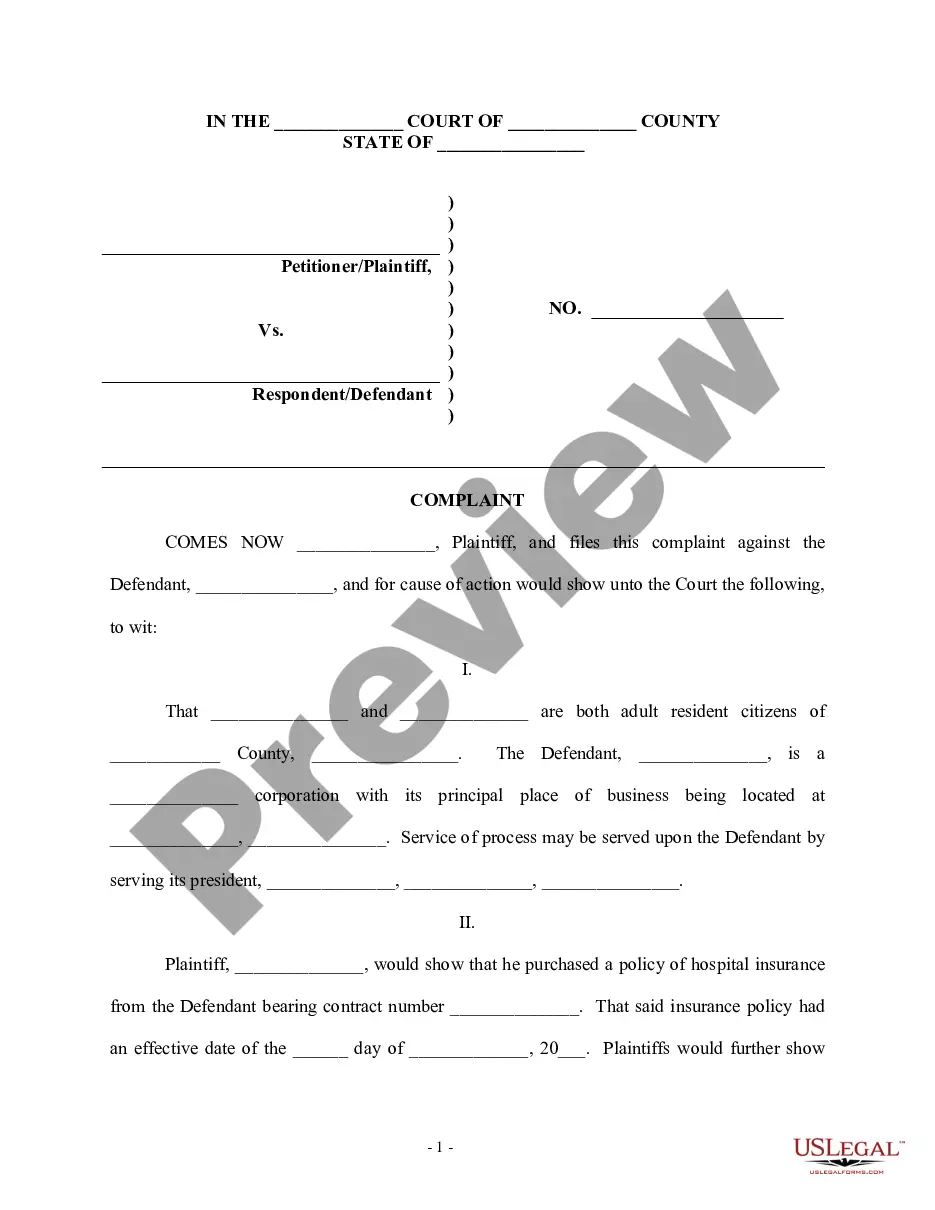
Declaratory Judgment Form Texas Without Attorney In Dallas
Description




Get your form ready online
Our built-in tools help you complete, sign, share, and store your documents in one place.
Make edits, fill in missing information, and update formatting in US Legal Forms—just like you would in MS Word.
Download a copy, print it, send it by email, or mail it via USPS—whatever works best for your next step.
Sign and collect signatures with our SignNow integration. Send to multiple recipients, set reminders, and more. Go Premium to unlock E-Sign.
If this form requires notarization, complete it online through a secure video call—no need to meet a notary in person or wait for an appointment.
We protect your documents and personal data by following strict security and privacy standards.

Make edits, fill in missing information, and update formatting in US Legal Forms—just like you would in MS Word.

Download a copy, print it, send it by email, or mail it via USPS—whatever works best for your next step.

Sign and collect signatures with our SignNow integration. Send to multiple recipients, set reminders, and more. Go Premium to unlock E-Sign.

If this form requires notarization, complete it online through a secure video call—no need to meet a notary in person or wait for an appointment.

We protect your documents and personal data by following strict security and privacy standards.
Looking for another form?








Form popularity
FAQ
Judgments awarded in Texas to a non-government creditor are generally valid for ten years but can be renewed for longer. If a judgment is not renewed, it will become dormant. A creditor can request to revive a dormant judgment to continue to try and collect the debt.
Judgment is a court decision that settles a dispute between two parties by determining the rights and obligations of each party. Judgments are classified as in personam, in rem, or quasi in rem. Judgments are usually monetary, but can also be non-monetary, and are legally enforceable.
Generally, to file a judgment lien, an abstract of judgment must be issued by the justice court. Some justice courts have a form available on their website to request an abstract of judgment.
Generally, to file a judgment lien, an abstract of judgment must be issued by the justice court. Some justice courts have a form available on their website to request an abstract of judgment.
If you were sued for collection of a debt, there is an Answer form on Texas Appleseed's website, . If you are using eFile Texas, there is an Answer form on the eFile Texas Self Help website. File a Counter-Petition if you want to make your own claims against the Petitioner.
If you want to file a motion, the process is generally something like this: You write your motion. You file your motion with the court clerk. The court clerk inserts the date and time your motion will be heard by the judge. You “serve” (mail) your motion to the other side.
The statute of limitations for breach of contract and the declaratory judgment is generally four years from the date of the accident. The Personal Injury Trial Law protection claim statute of limitations is often defined by an insurance contract.
Declaratory judgments are conclusive and legally binding, but do not have preclusive effect if: A later lawsuit involves issues other than those specifically litigated and ruled on in the declaratory judgment action.
A declaratory judgment is “a binding adjudication that establishes the rights and other legal relations of the parties without providing for or ordering enforcement.” (Black Law Dictionary, 11th ed.)
The declaratory judgment is generally considered a statutory remedy and not an equitable remedy in the United States, and is thus not subject to equitable requirements, though there are analogies that can be found in the remedies granted by courts of equity.