Private Annuity Agreement
About this form
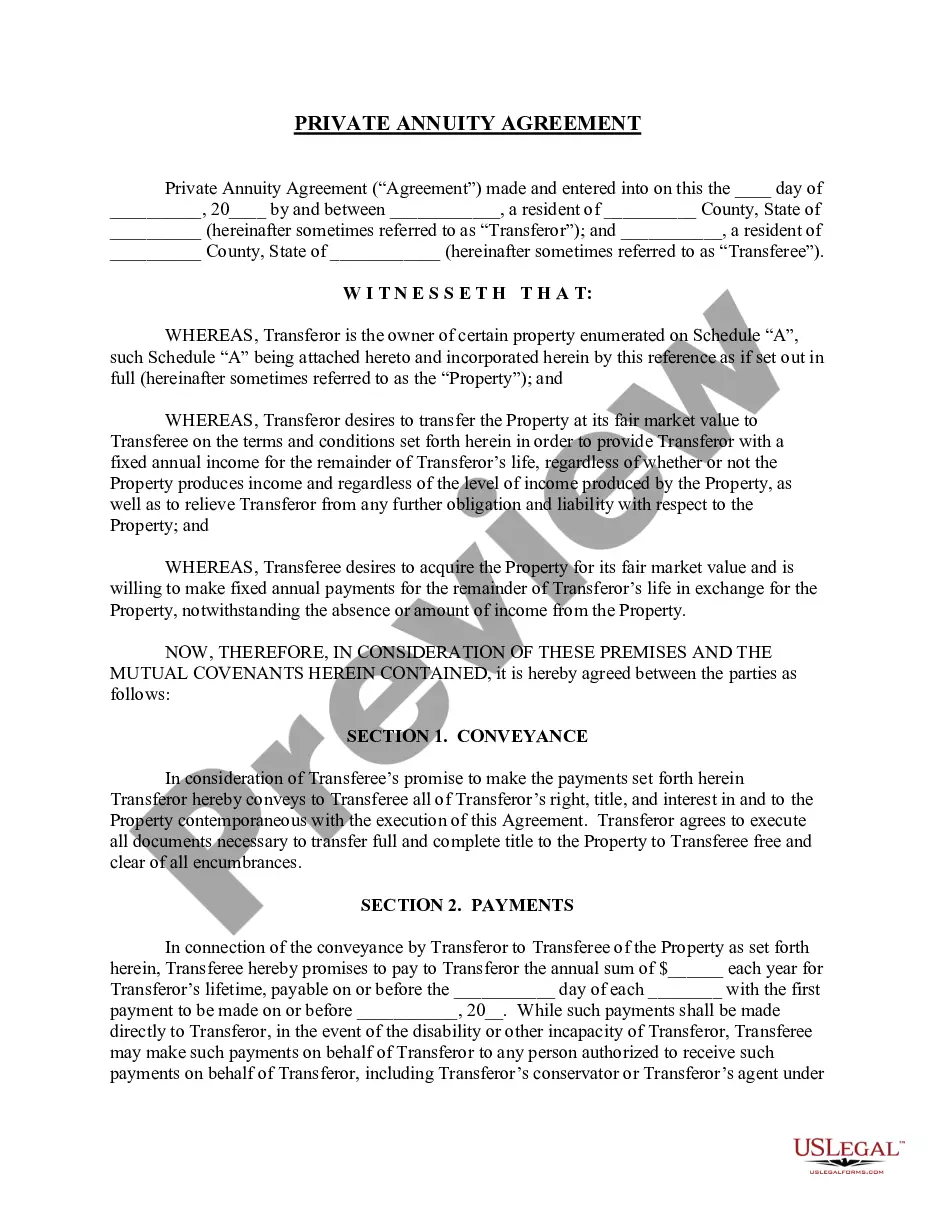
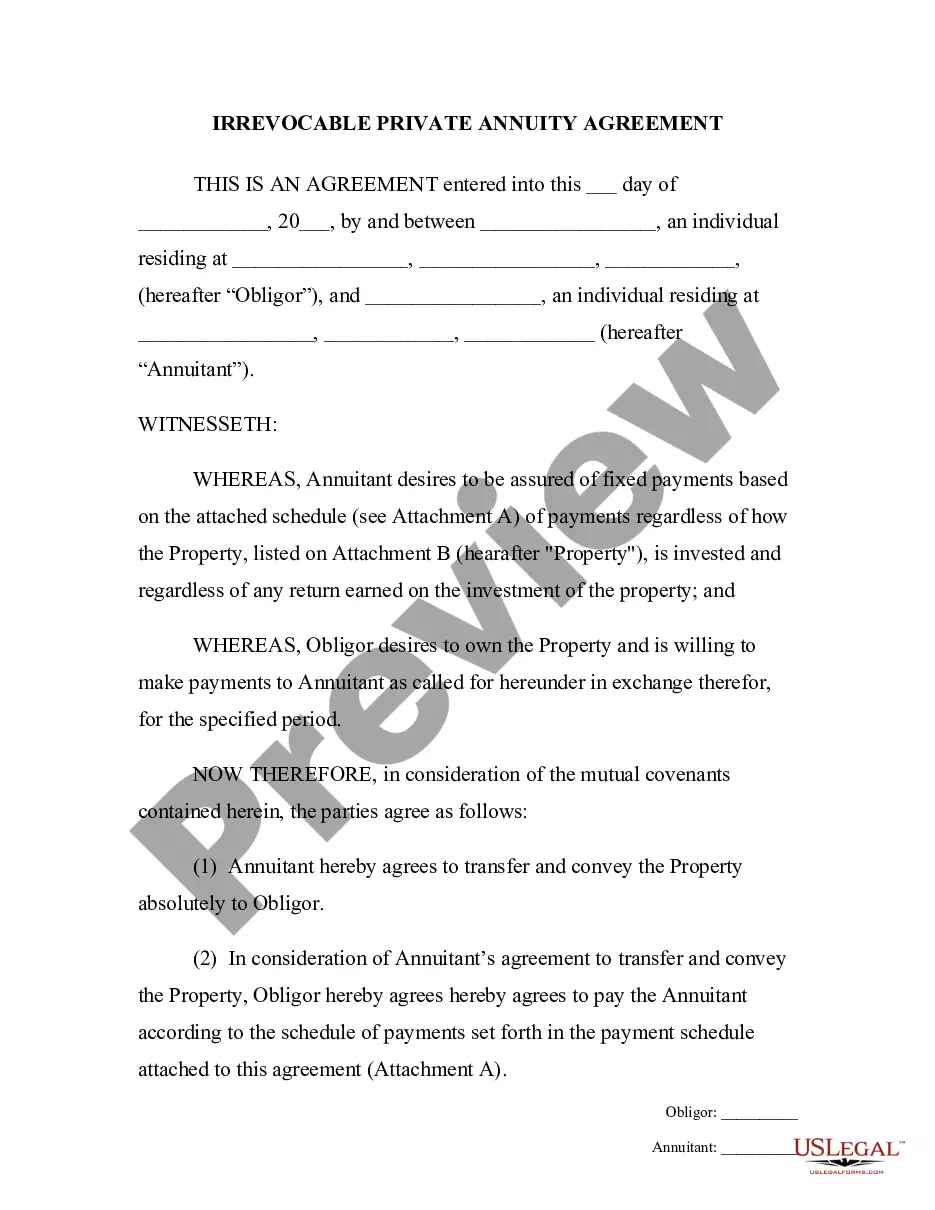
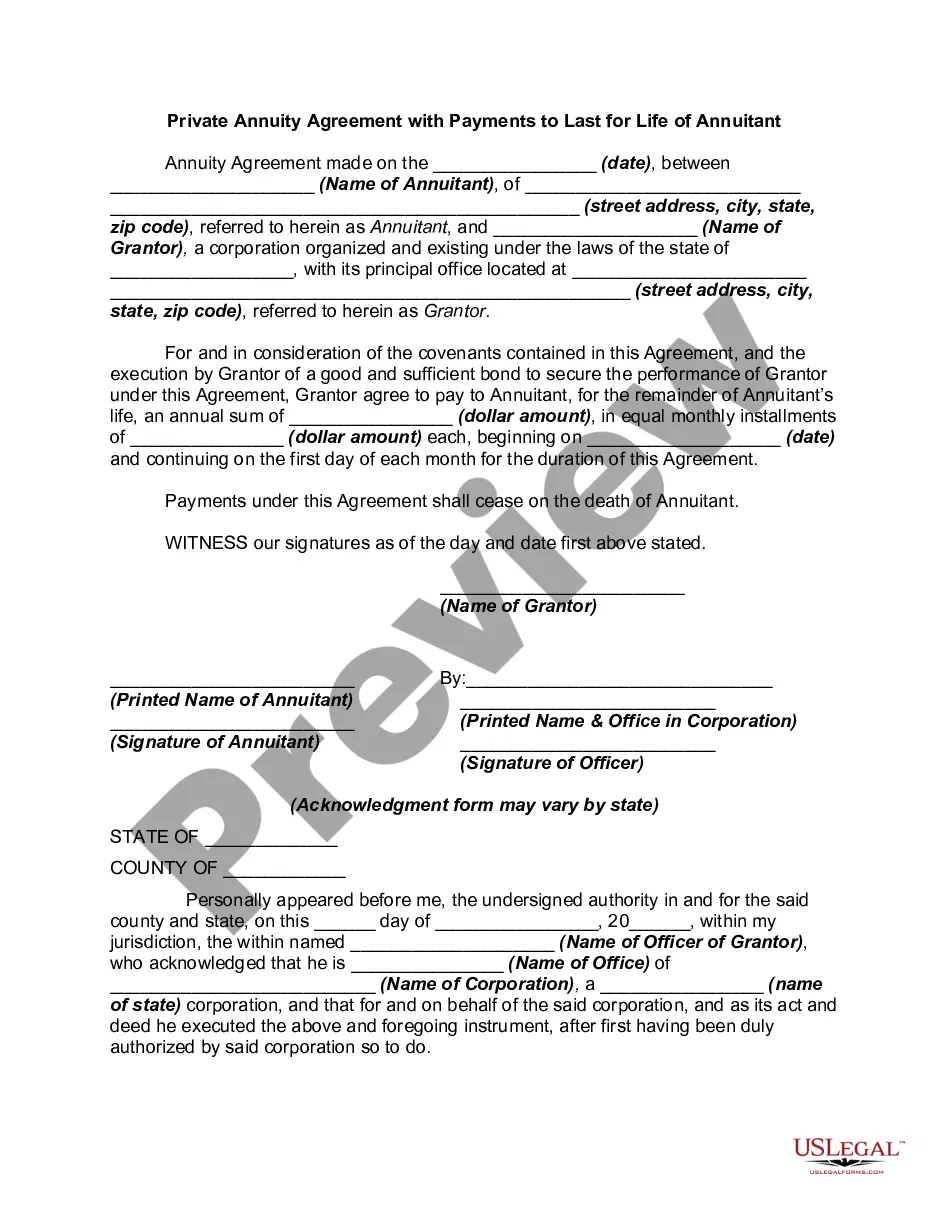
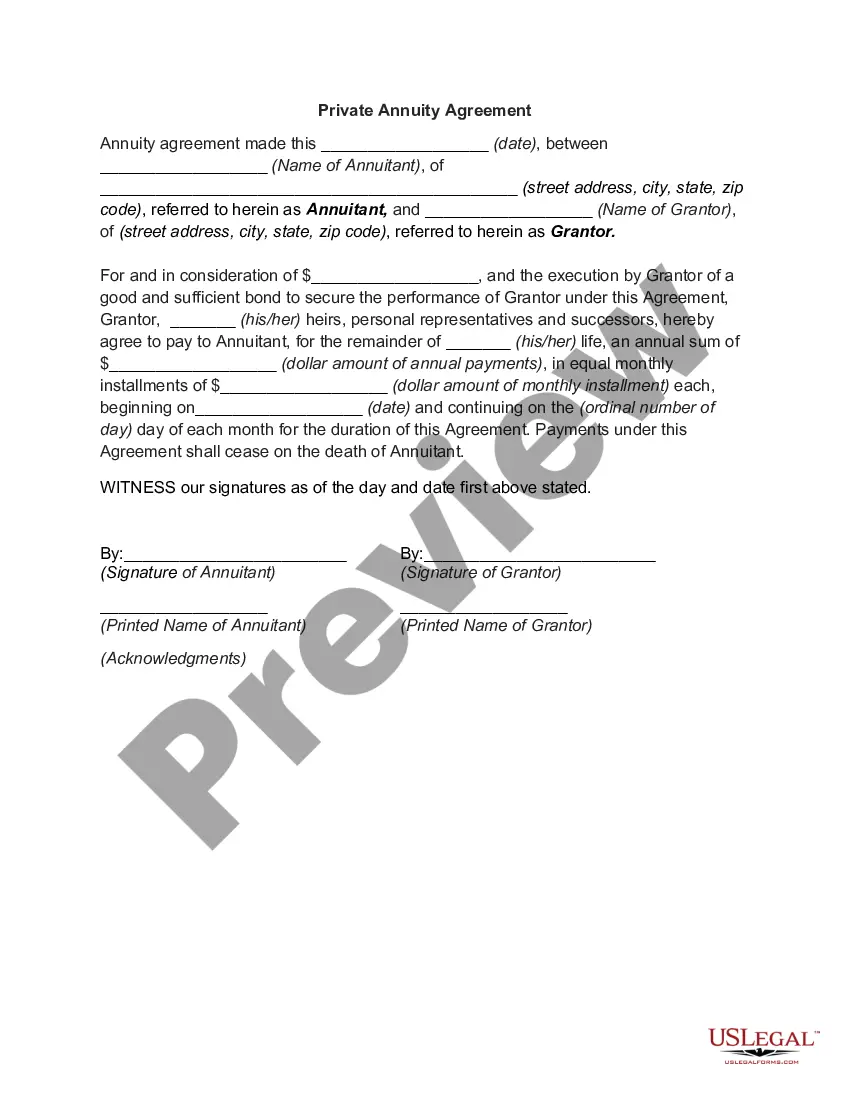
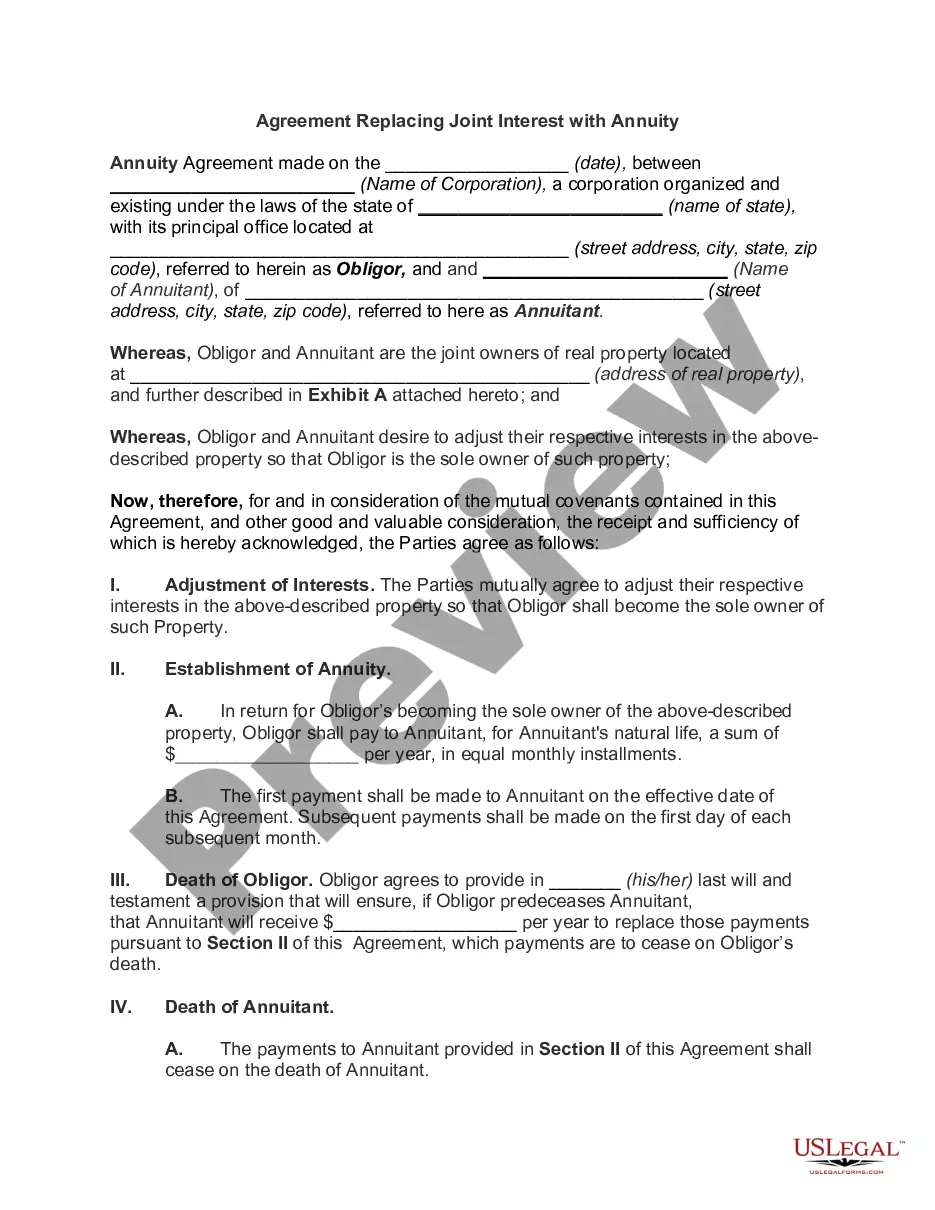
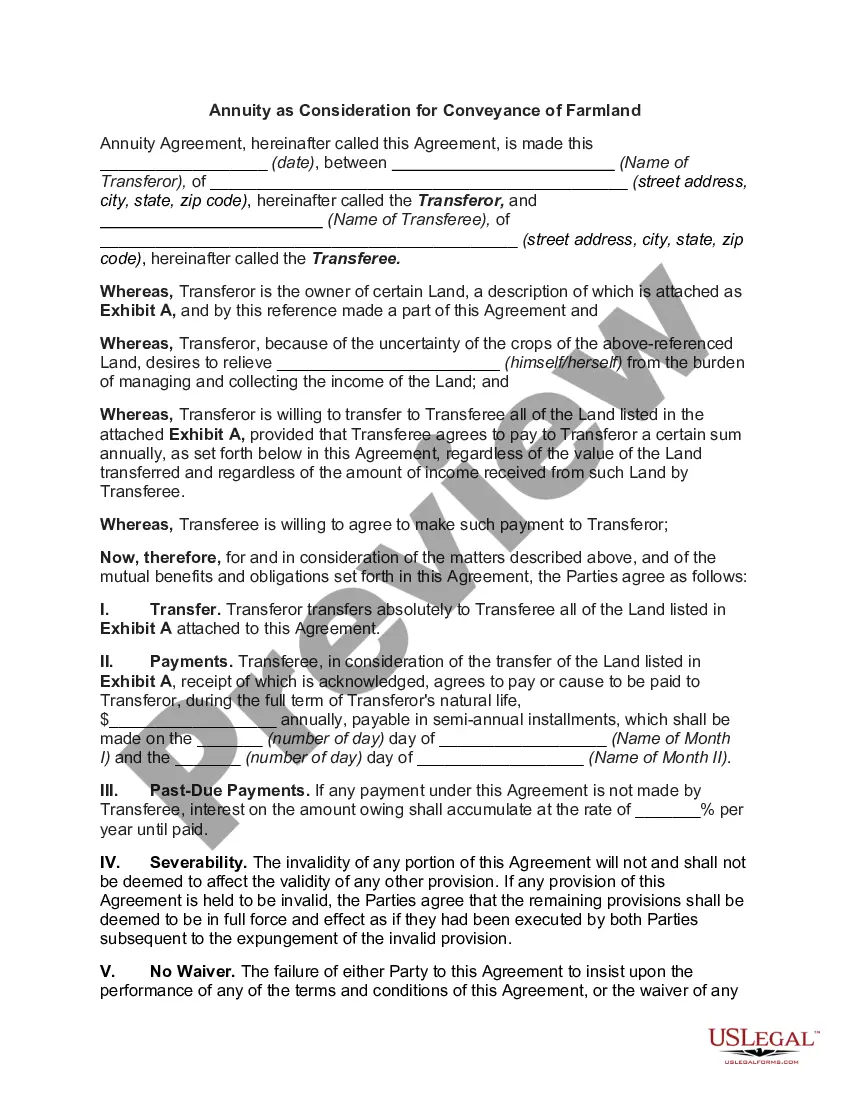
A private annuity agreement is a contract where one party (the Transferor) transfers ownership of property or assets to another (the Transferee) in exchange for regular, fixed payments throughout the Transferor's lifetime. This agreement aims to provide the Transferor with a stable income while relieving them of any obligations related to the transferred property. Unlike other financial agreements, it focuses solely on the annuity payments rather than the income generated by the property.
Form components explained
- Identification of parties: Clearly states the names and residences of the Transferor and Transferee.
- Property details: Specifies the property being transferred, usually detailed in a schedule attached to the agreement.
- Payment terms: Outlines the fixed annual payment amount and schedule for payments.
- Conveyance of title: Details how the Transferor conveys their interest in the property to the Transferee.
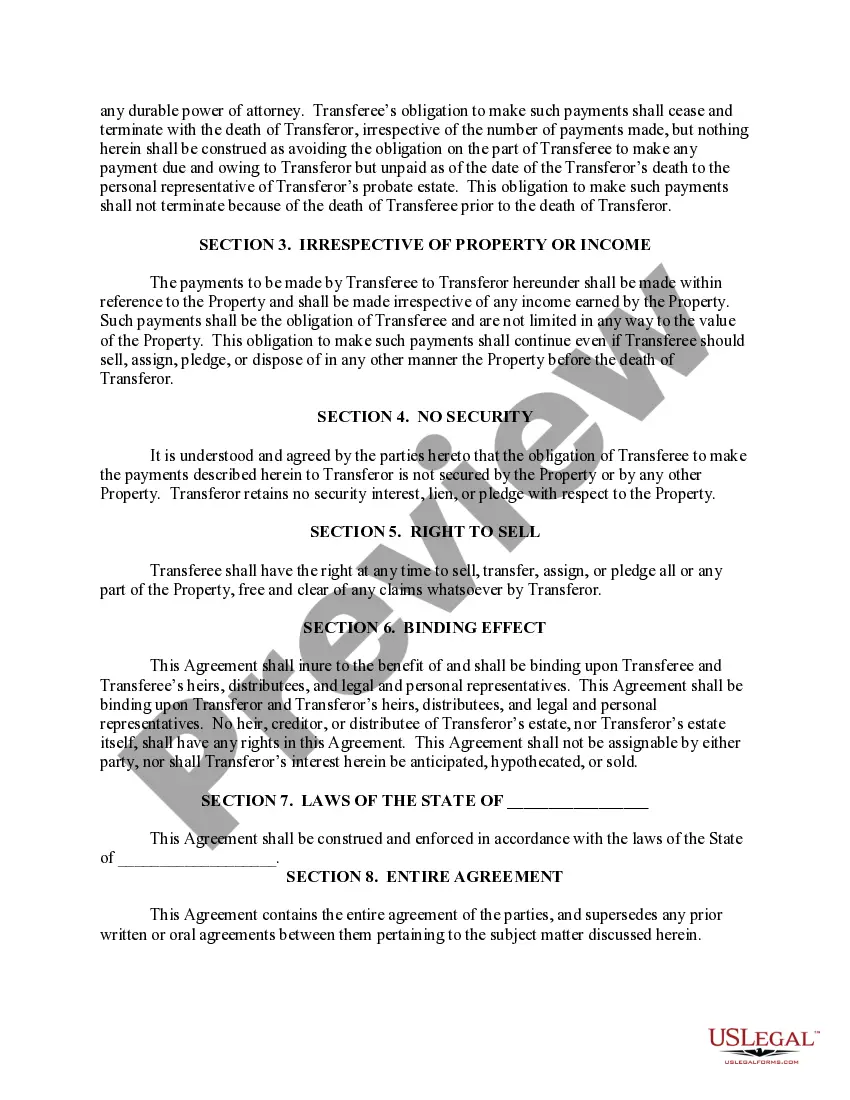
- No security clause: Explains that the Transferee's obligation to make payments is not secured by the property.

When to use this document
This form is suitable in situations where an individual wishes to transfer property while securing ongoing income for their retirement or lifetime. It is often used in estate planning, particularly when property owners want to ensure that they receive a consistent income without the responsibilities of property management. This agreement can also be beneficial in tax planning scenarios for both parties involved.
Who should use this form
- Property owners looking to receive a steady income while transferring their property.
- Individuals engaged in estate planning who want to provide for their financial needs in later life.
- Transferees interested in acquiring property and willing to make fixed payments.
- Legal representatives assisting clients in managing property transfers and asset planning.
Steps to complete this form
- Identify the parties: Fill in the names and addresses of the Transferor and Transferee.
- Specify the property: Detail the property being transferred in Schedule A.
- Enter payment information: Indicate the annual payment amount and the payment schedule.
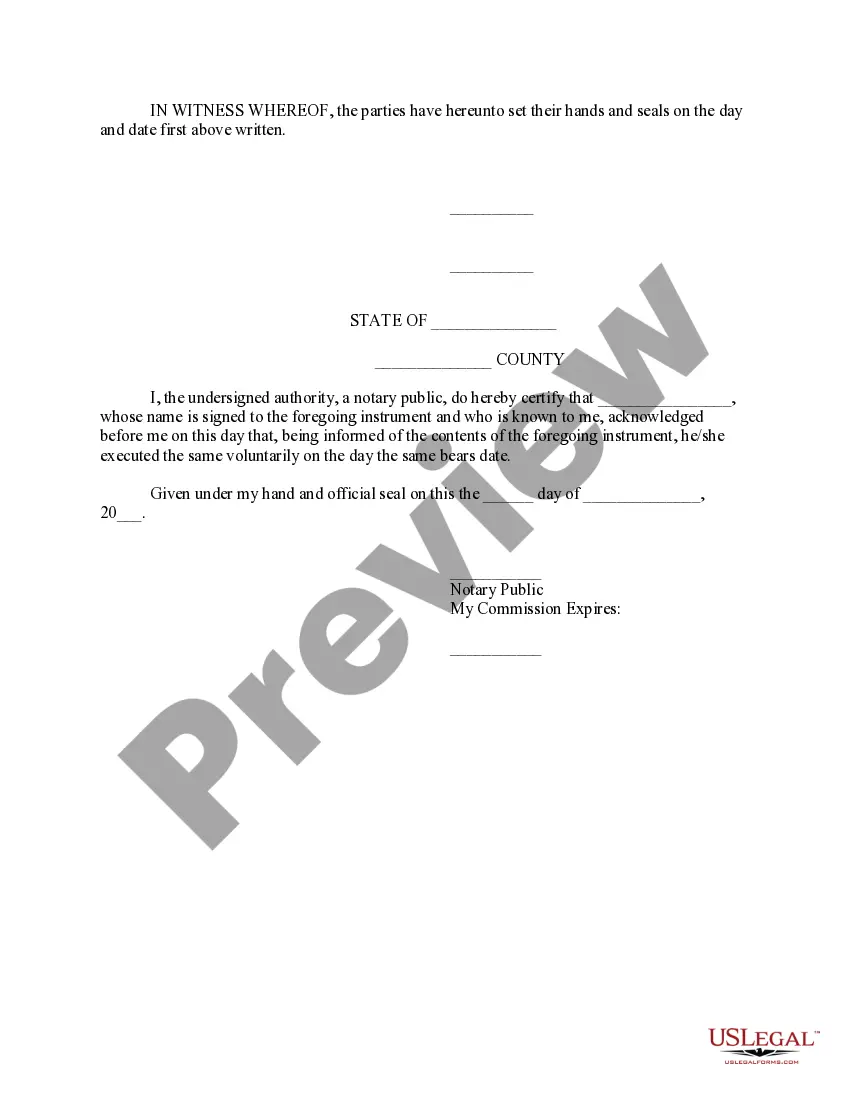
- Sign and date: Both parties should sign and date the agreement to make it legally binding.
- Include notarization: Arrange for a notary public to certify the signatures, if required.
Notarization guidance
Notarization is required for this form to take effect. Our online notarization service, powered by Notarize, lets you verify and sign documents remotely through an encrypted video session, available 24/7.
Get your form ready online
Our built-in tools help you complete, sign, share, and store your documents in one place.
Make edits, fill in missing information, and update formatting in US Legal Forms—just like you would in MS Word.
Download a copy, print it, send it by email, or mail it via USPS—whatever works best for your next step.
Sign and collect signatures with our SignNow integration. Send to multiple recipients, set reminders, and more. Go Premium to unlock E-Sign.
If this form requires notarization, complete it online through a secure video call—no need to meet a notary in person or wait for an appointment.
We protect your documents and personal data by following strict security and privacy standards.

Make edits, fill in missing information, and update formatting in US Legal Forms—just like you would in MS Word.

Download a copy, print it, send it by email, or mail it via USPS—whatever works best for your next step.

Sign and collect signatures with our SignNow integration. Send to multiple recipients, set reminders, and more. Go Premium to unlock E-Sign.

If this form requires notarization, complete it online through a secure video call—no need to meet a notary in person or wait for an appointment.

We protect your documents and personal data by following strict security and privacy standards.
Common mistakes to avoid
- Failing to provide complete and accurate property descriptions.
- Not specifying clear payment terms, including amounts and frequency.
- Overlooking the need for notarization or failing to have the document properly executed.
- Not understanding the implications of transferring property rights.
Benefits of completing this form online
- Convenience: Easily access and download the form at any time.
- Editability: Customize the form according to your unique needs.
- Reliability: Ensure the use of legally sound templates developed by licensed attorneys.
- Time-saving: Quickly complete the form without the need for extensive legal research.
Legal use & context
- The agreement is binding upon both parties and their heirs, ensuring that obligations are upheld even after death.
- Payments are independent of property income, offering peace of mind to the transferor.
- Consulting with a legal professional can help clarify any limitations specific to your situation.
Key takeaways
- A private annuity agreement offers a regular income stream in exchange for property.
- Clearly outline payment terms and property details to avoid disputes.
- This agreement can be beneficial for estate planning and retirement financial strategies.
Looking for another form?
Form popularity
FAQ
The simple answer is YES. You can write your own contracts. There is no requirement that they must be written by a lawyer. There is no requirement that they have to be a certain form or font.
Contact information for both parties. Location/state whose laws apply to the agreement. Terms and conditions of the business relationship. Terms of payment. Start date of the agreement. End date of the agreement.
A written agreement is only legally binding when you have finalised all of the essential terms of the agreement.You should consider whether your written agreement contains all of the details necessary to fulfil the promises made by parties. If it does, your written agreement may be legally binding.
For a contract to be valid, it must have four key elements: agreement, capacity, consideration, and intention.