Employment Law With Breaks In Wayne
Description




Get your form ready online
Our built-in tools help you complete, sign, share, and store your documents in one place.
Make edits, fill in missing information, and update formatting in US Legal Forms—just like you would in MS Word.
Download a copy, print it, send it by email, or mail it via USPS—whatever works best for your next step.
Sign and collect signatures with our SignNow integration. Send to multiple recipients, set reminders, and more. Go Premium to unlock E-Sign.
If this form requires notarization, complete it online through a secure video call—no need to meet a notary in person or wait for an appointment.
We protect your documents and personal data by following strict security and privacy standards.

Make edits, fill in missing information, and update formatting in US Legal Forms—just like you would in MS Word.

Download a copy, print it, send it by email, or mail it via USPS—whatever works best for your next step.

Sign and collect signatures with our SignNow integration. Send to multiple recipients, set reminders, and more. Go Premium to unlock E-Sign.

If this form requires notarization, complete it online through a secure video call—no need to meet a notary in person or wait for an appointment.

We protect your documents and personal data by following strict security and privacy standards.
Looking for another form?


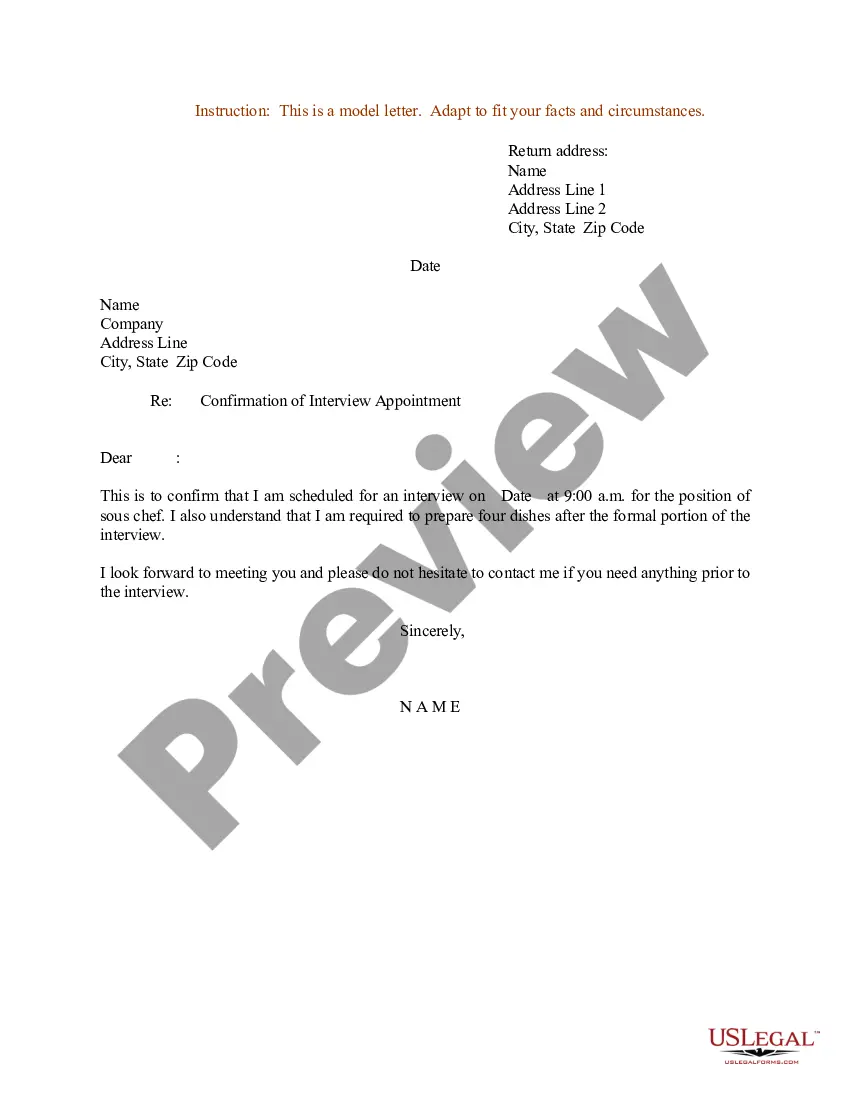

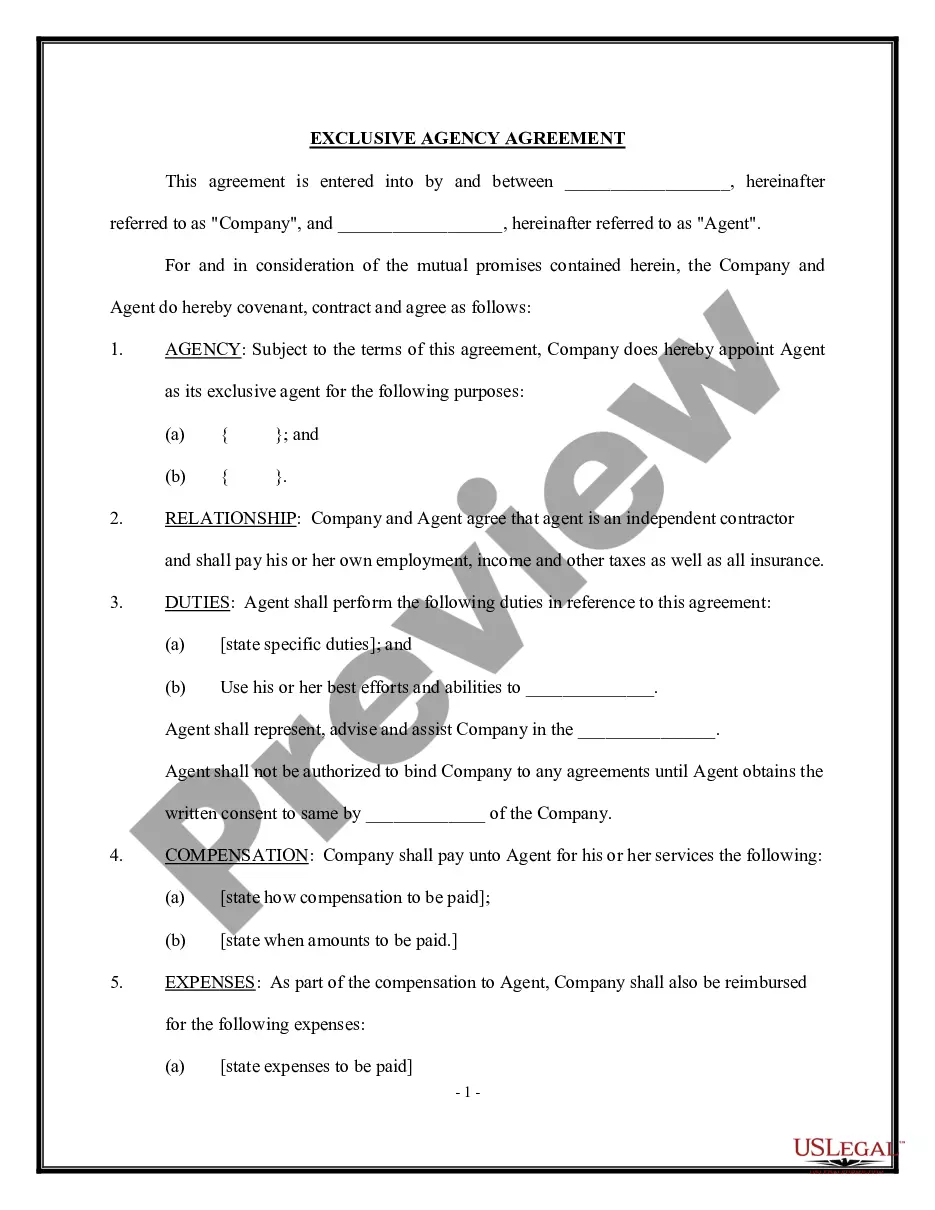





Form popularity
FAQ
Yes, you can bring a legal claim associated with the employer not providing you with a reasonable opportunity to take your meal or rest periods.
Michigan does not have a state law that mandates meal breaks for employees age 18 and older. This means that employers are not legally required to provide a meal break. However, while Michigan law does not mandate breaks for adult employees, regular breaks are beneficial for both employees and employers.
Indiana employers aren't require to offer meal breaks or rest breaks. Although some Indiana employers provide meal or rest breaks, you might be surprised to learn that federal law doesn't give employees the right to time off to eat lunch (or another meal) or the right to take short breaks during the work day.
Yes, you can bring a legal claim associated with the employer not providing you with a reasonable opportunity to take your meal or rest periods.
Politely express your concerns and remind them of the break policy. It's possible they may not be aware of the issue. Speak to HR: If the situation doesn't improve after talking to your supervisor, consider reaching out to your Human Resources department. Present your documented evidence and explain the situation.
This means that, technically, it is not illegal for an employer to require an employee to work an 8-hour shift without a break. However, this doesn't mean that all employers choose to forgo breaks, as many recognize the benefits of allowing employees time to rest and recharge during their workday.
Your employer can require you to take your breaks at predetermined time. If refuse to do so, your employer can discipline or even terminate you. However, if your employer is only enforcing the rule against you, but not other employees, it raises potential issues of discrimination or wrongful termination.
Michigan does not have a state law that mandates meal breaks for employees age 18 and older. This means that employers are not legally required to provide a meal break. However, while Michigan law does not mandate breaks for adult employees, regular breaks are beneficial for both employees and employers.
Michigan's Stance on Work Breaks Michigan does not have a specific law mandating breaks for adult employees. This means that, technically, it is not illegal for an employer to require an employee to work an 8-hour shift without a break.
