Contract Exhibit Agreement With Canada In Queens
Description

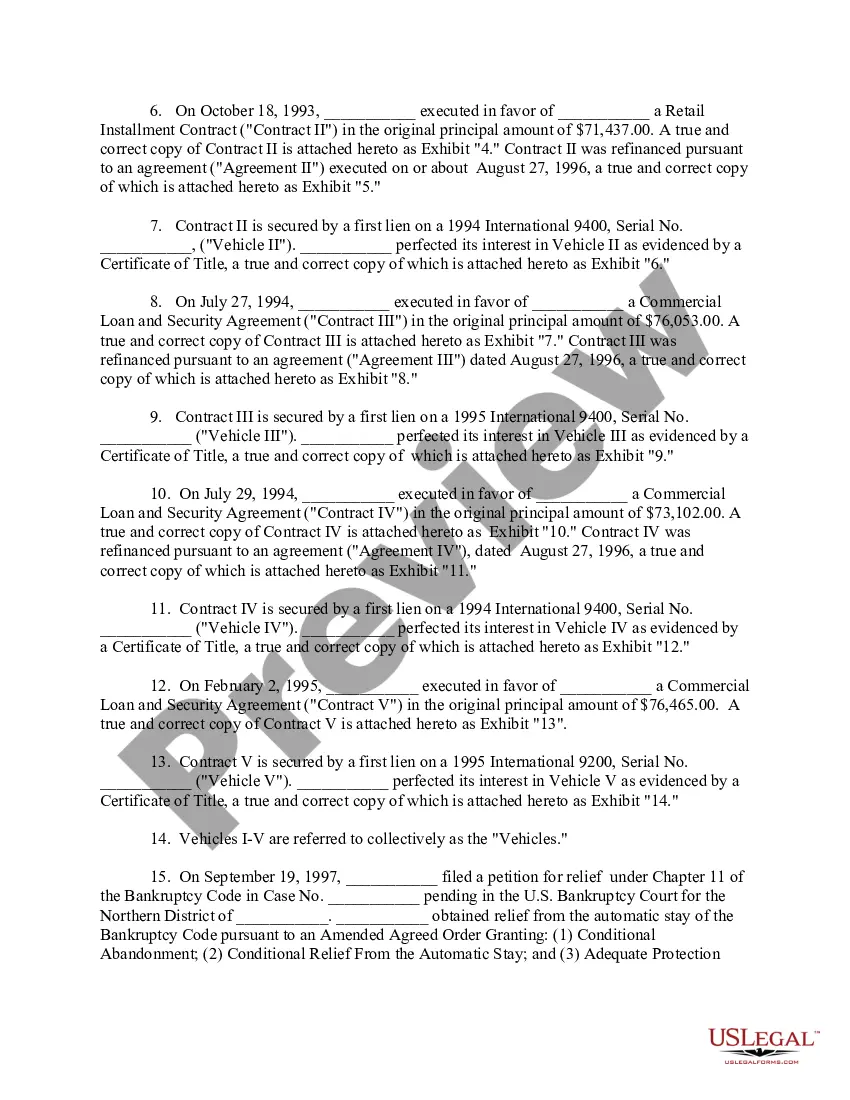
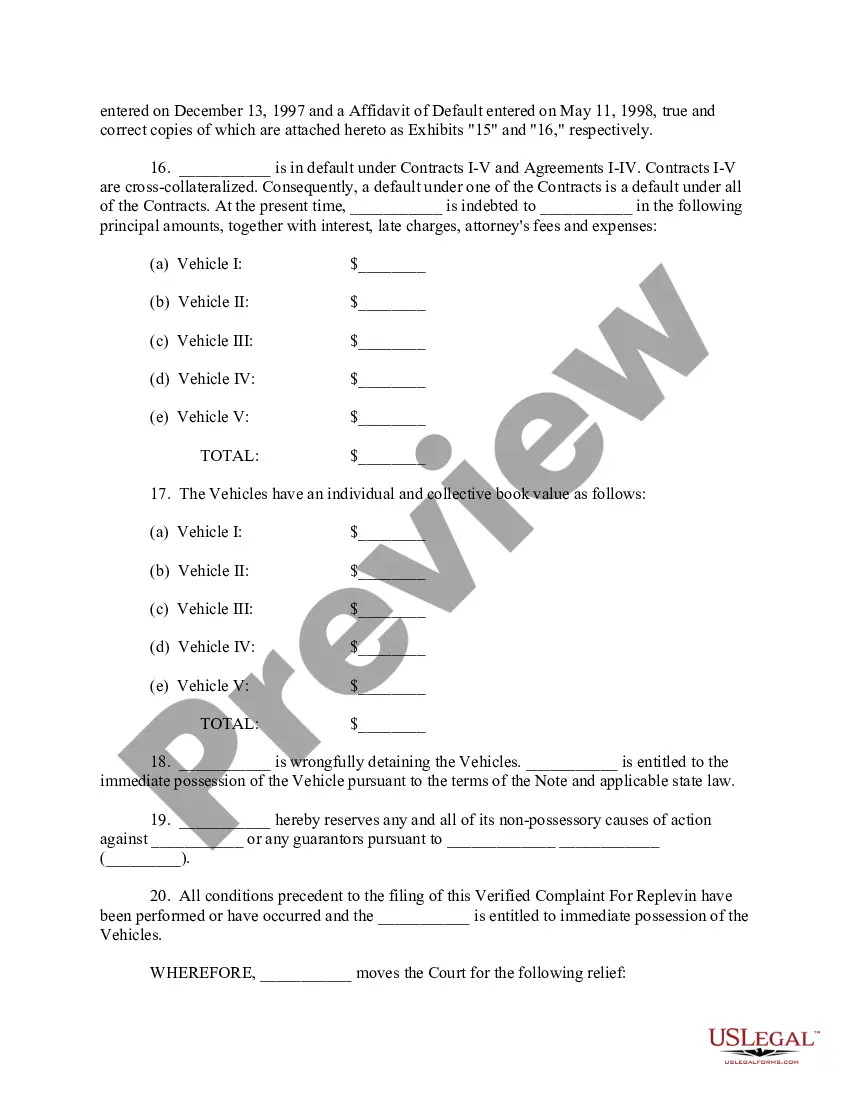
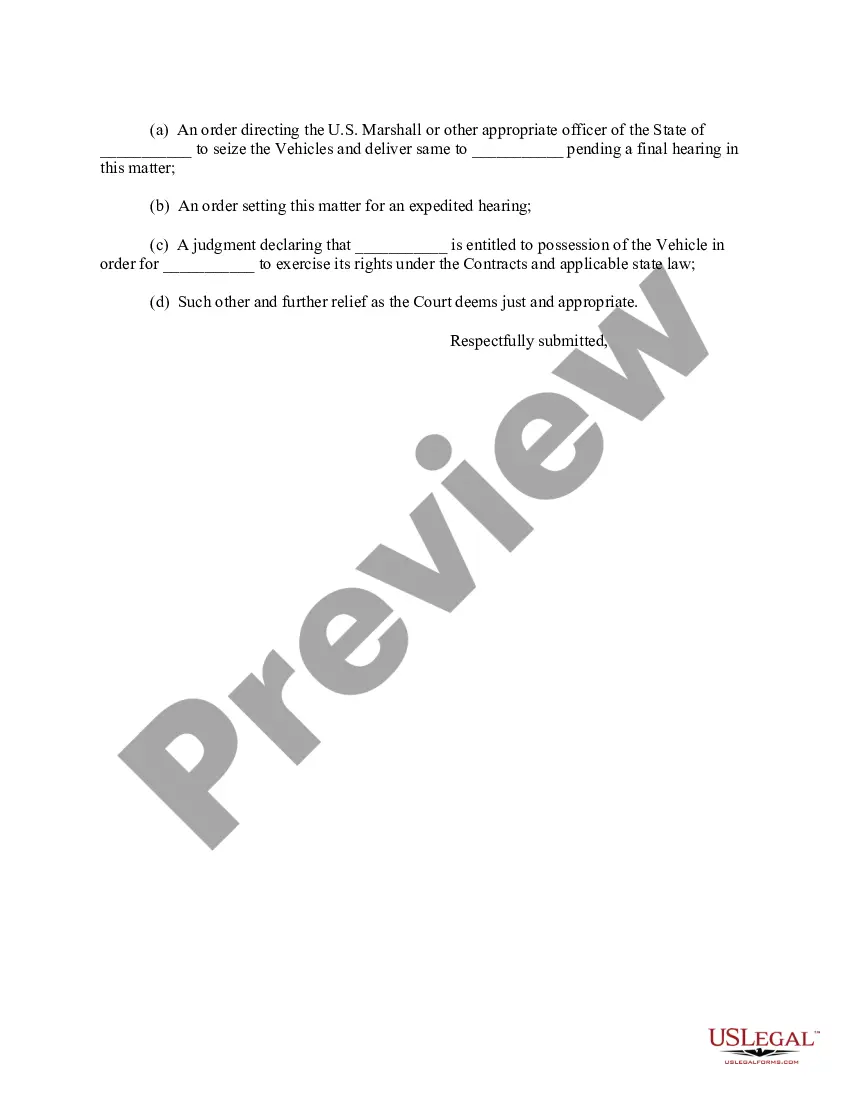
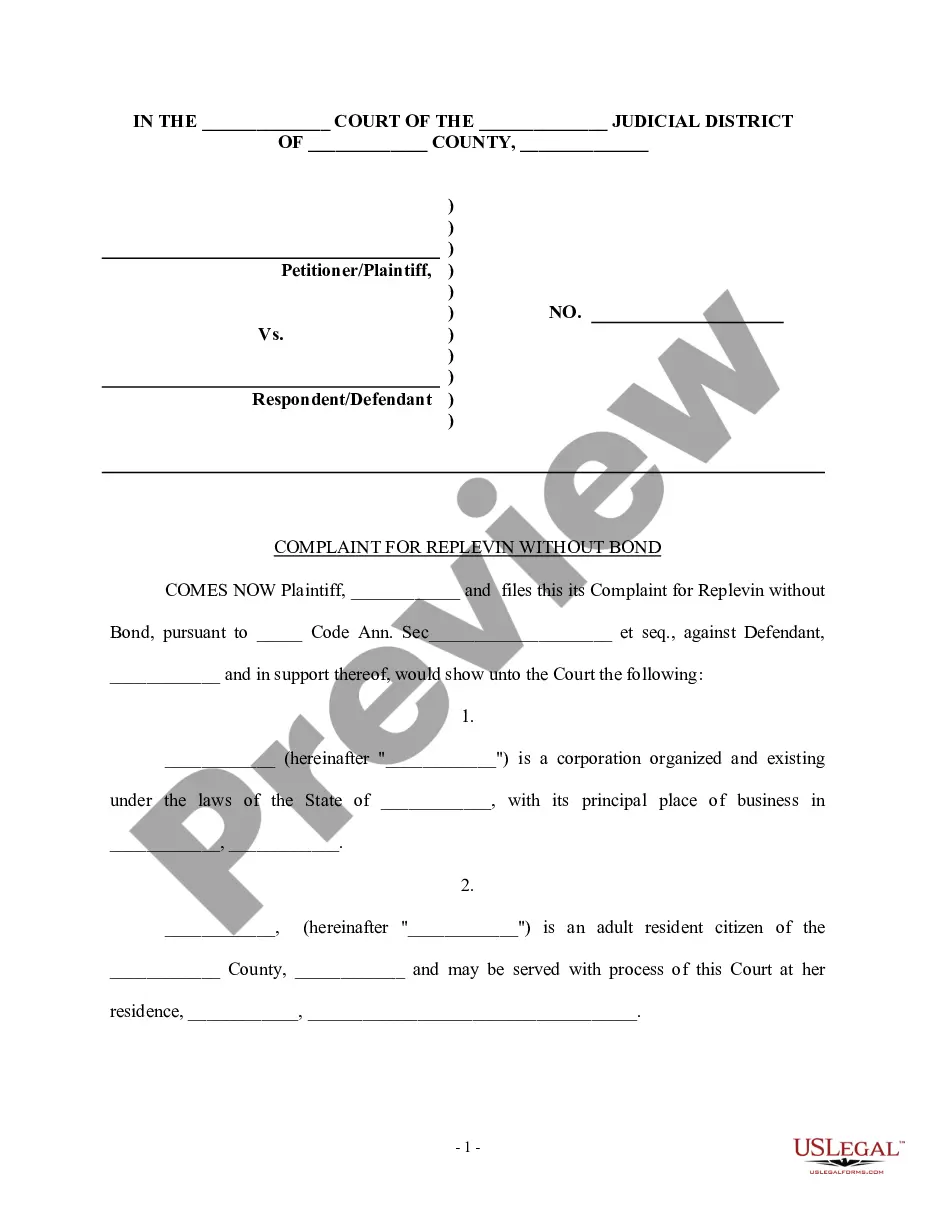

Get your form ready online
Our built-in tools help you complete, sign, share, and store your documents in one place.
Make edits, fill in missing information, and update formatting in US Legal Forms—just like you would in MS Word.
Download a copy, print it, send it by email, or mail it via USPS—whatever works best for your next step.
Sign and collect signatures with our SignNow integration. Send to multiple recipients, set reminders, and more. Go Premium to unlock E-Sign.
If this form requires notarization, complete it online through a secure video call—no need to meet a notary in person or wait for an appointment.
We protect your documents and personal data by following strict security and privacy standards.

Make edits, fill in missing information, and update formatting in US Legal Forms—just like you would in MS Word.

Download a copy, print it, send it by email, or mail it via USPS—whatever works best for your next step.

Sign and collect signatures with our SignNow integration. Send to multiple recipients, set reminders, and more. Go Premium to unlock E-Sign.

If this form requires notarization, complete it online through a secure video call—no need to meet a notary in person or wait for an appointment.

We protect your documents and personal data by following strict security and privacy standards.
Looking for another form?







Form popularity
FAQ
How to write a contract agreement in 7 steps. Determine the type of contract required. Confirm the necessary parties. Choose someone to draft the contract. Write the contract with the proper formatting. Review the written contract with a lawyer. Send the contract agreement for review or revisions.
Generally, a contract is binding when the following is true: the parties intend to make a contract. there is an offer and an acceptance. the parties receive something in return for their promises.
How to draft a contract between two parties: A step-by-step checklist Know your parties. Agree on the terms. Set clear boundaries. Spell out the consequences. Specify how you will resolve disputes. Cover confidentiality. Check the legality of the contract. Open it up to negotiation.
“Attachments” means any documentation, appended to a contract or incorporated by reference, which DOES NOT (emphasis given) establish a requirement for deliverables. “Exhibit” means a document, referred to in a contract, which is attached and establishes requirements for deliverables.
Proper Formatting for Exhibits Labels should be concise yet descriptive, employing a consistent format, such as “Exhibit A,” “Exhibit B,” followed by a brief descriptor. Once labeled, exhibits must be integrated seamlessly into the document.
Common to an appendix, annexure or schedule is that they are all “attachments“. Therefore, you should refer to “Attachment 1” and not “Appendix 1” or “Annexure 1” and make it clear from the wording in the agreement whether they are intended to be an integral part of the agreement or not.
Parties' Signatures: Though not always necessary, having parties sign off on exhibits can provide additional legal certainty.
Yes, but only in limited circumstances. In most situations, an unsigned contract will result in a non-deal, and the document will not legally bind the parties. However, there are certain situations where a court may hold that the wording has legal effect.
The following is an example of how you can reference an exhibit in a definitive agreement: "On the Closing Date, each of the Buyer and the Seller shall execute a Transition Services Agreement substantially in the form of Exhibit _ attached hereto."
Generally, a contract is binding when the following is true: the parties intend to make a contract. there is an offer and an acceptance. the parties receive something in return for their promises.
