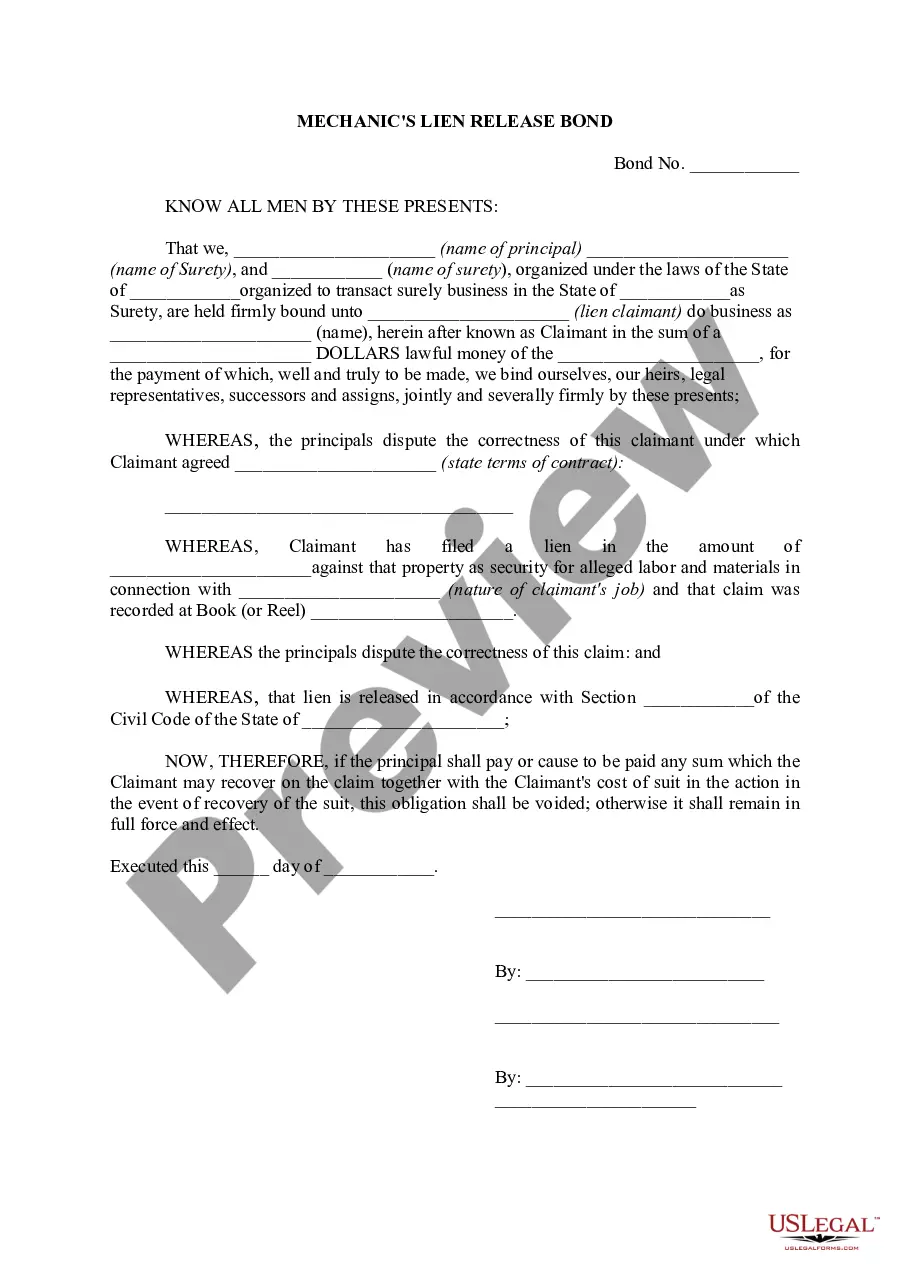
Contract Exhibit Agreement For Construction Work In Oakland
Description








Get your form ready online
Our built-in tools help you complete, sign, share, and store your documents in one place.
Make edits, fill in missing information, and update formatting in US Legal Forms—just like you would in MS Word.
Download a copy, print it, send it by email, or mail it via USPS—whatever works best for your next step.
Sign and collect signatures with our SignNow integration. Send to multiple recipients, set reminders, and more. Go Premium to unlock E-Sign.
If this form requires notarization, complete it online through a secure video call—no need to meet a notary in person or wait for an appointment.
We protect your documents and personal data by following strict security and privacy standards.

Make edits, fill in missing information, and update formatting in US Legal Forms—just like you would in MS Word.

Download a copy, print it, send it by email, or mail it via USPS—whatever works best for your next step.

Sign and collect signatures with our SignNow integration. Send to multiple recipients, set reminders, and more. Go Premium to unlock E-Sign.

If this form requires notarization, complete it online through a secure video call—no need to meet a notary in person or wait for an appointment.

We protect your documents and personal data by following strict security and privacy standards.
Looking for another form?








Form popularity
FAQ
Yes, you can write your own contract. However, including all necessary elements is crucial to make it legally binding.
Include a typed notation within the body of the legal document where the exhibit should be referenced. Thereafter, assign the exhibit with an identifying number or letter. For instance, this notation can state either "See Exhibit A" or "See Exhibit 1". Label the exhibit with the assigned identifying number or letter.
How to draft a contract between two parties: A step-by-step checklist Know your parties. Agree on the terms. Set clear boundaries. Spell out the consequences. Specify how you will resolve disputes. Cover confidentiality. Check the legality of the contract. Open it up to negotiation.
A construction contract is a mutual or legally binding agreement between two parties based on policies and conditions recorded in document form. The two parties involved are one or more property owners and one or more contractors.
The purpose of the construction contract is to (1) allocate the duties between the parties, (2) recognize and allocate the risk to the different parties, and (3) reduce the uncertainty surrounding the project and allow the parties to plan for the project and the future.
A construction agreement is a legally binding document that outlines the terms and conditions of a construction project. It can be used for projects such as building houses, office buildings, or other large-scale development projects.
Yes. This is the last evidence of the parties' intent on the project. The Court will likely not enforce the provision requiring a signature, but all other terms should form the agreement of the parties.
Building Agreement means the agreement between the Company and the Company's Contractor, a copy of which has been delivered by the Company to and held by the Minister for tabling in Parliament.
