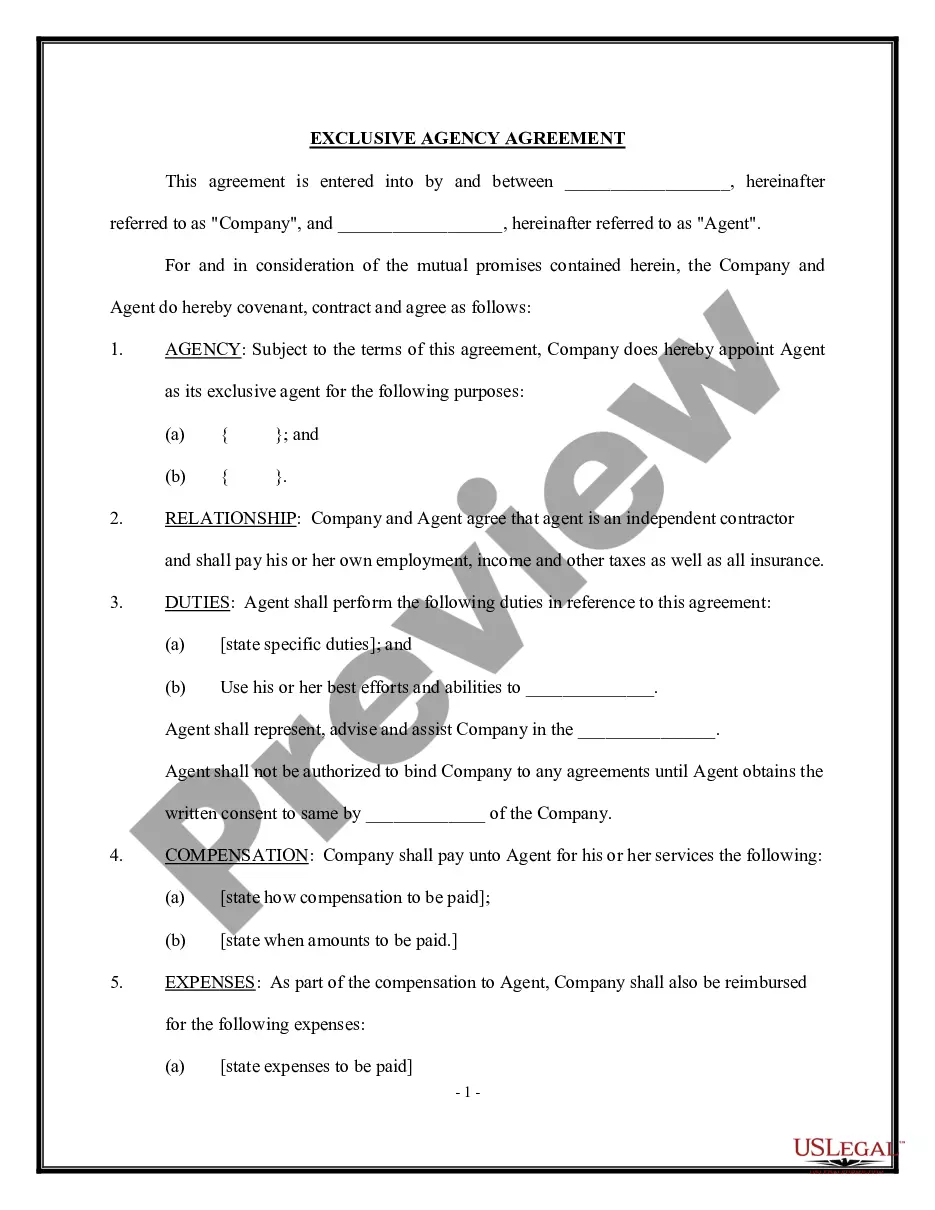
Foreclosure Letter Format In North Carolina
Description








Get your form ready online
Our built-in tools help you complete, sign, share, and store your documents in one place.
Make edits, fill in missing information, and update formatting in US Legal Forms—just like you would in MS Word.
Download a copy, print it, send it by email, or mail it via USPS—whatever works best for your next step.
Sign and collect signatures with our SignNow integration. Send to multiple recipients, set reminders, and more. Go Premium to unlock E-Sign.
If this form requires notarization, complete it online through a secure video call—no need to meet a notary in person or wait for an appointment.
We protect your documents and personal data by following strict security and privacy standards.

Make edits, fill in missing information, and update formatting in US Legal Forms—just like you would in MS Word.

Download a copy, print it, send it by email, or mail it via USPS—whatever works best for your next step.

Sign and collect signatures with our SignNow integration. Send to multiple recipients, set reminders, and more. Go Premium to unlock E-Sign.

If this form requires notarization, complete it online through a secure video call—no need to meet a notary in person or wait for an appointment.

We protect your documents and personal data by following strict security and privacy standards.
Looking for another form?



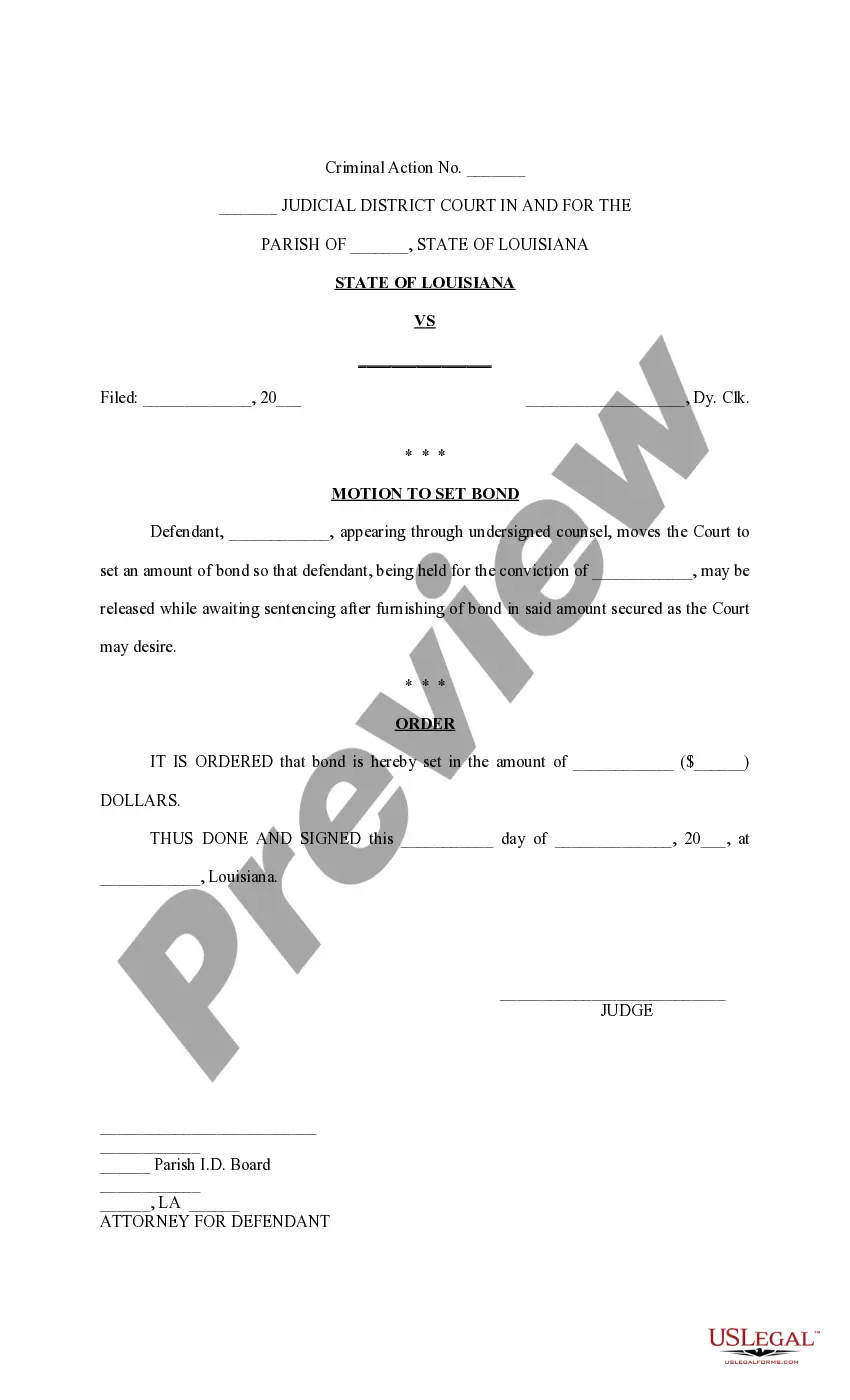






Form popularity
FAQ
The Purchaser at the foreclosure sale must allow the tenant to stay at the property until either the end of the existing lease term or one year from the date the purchaser acquires “title” (legal ownership of the property)whichever is sooner. The purchaser is not required to renew the lease.
One way to attack a foreclosure is to argue that the foreclosing party does not have standing to foreclose. If the foreclosing party cannot produce the promissory note on which the loan is based, the court likely will dismiss the case.
What Are the Options Available for Borrowers During Foreclosure in North Carolina? A few potential ways to stop a foreclosure include reinstating the loan, redeeming the property before or after the sale, or filing for bankruptcy.
After the tenth day, they can apply to the Clerk of Court for a Writ of Possession to be executed by the Sheriff's Department. The Sheriff's Department should post a notice at the house with the date and time the eviction is scheduled for, usually within five days after the owners filed for the Writ.
For homeowners facing immediate foreclosure, filing for bankruptcy or obtaining a temporary restraining order (TRO) can be effective solutions. Chapter 7 or Chapter 13 bankruptcy creates an “automatic stay,” which temporarily halts all collection activities, including foreclosure auctions.
Public records Throughout the foreclosure process, various legal notices must be filed in your County Recorder's Office. This information is public record and available to anyone. Just visit your county's office and you can search for a Notice of Default (NOD), lis pendens or Notice of Sale.
While the content of the letter will change depending on your situation, there are a few important aspects to include: Provide all details the best you can, including correct dates and dollar amounts. Explain how and when all situations were resolved. Detail why problems won't happen again.
The Notice of Default tells you the total amount you owe including missed payments and foreclosure fees. A declaration must be attached to the notice stating the lender has spoken to you or tried to reach you to discuss your situation.
Most North Carolina lenders use the nonjudicial foreclosure process, which is faster and costs less than the judicial process and typically involves only a single court hearing. After meeting the legal requirements, a lender may sell the property through a foreclosure sale.
What to include in a hardship letter The date, your name, address and phone number. The lender/servicer and loan number. The date or approximate time frame when the hardship started. The expected timeframe of hardship — short term (six months or less) or long term. Describe your goal. State the facts, not emotions.