Complaint Repossession With Credit Card In Florida
Description








Get your form ready online
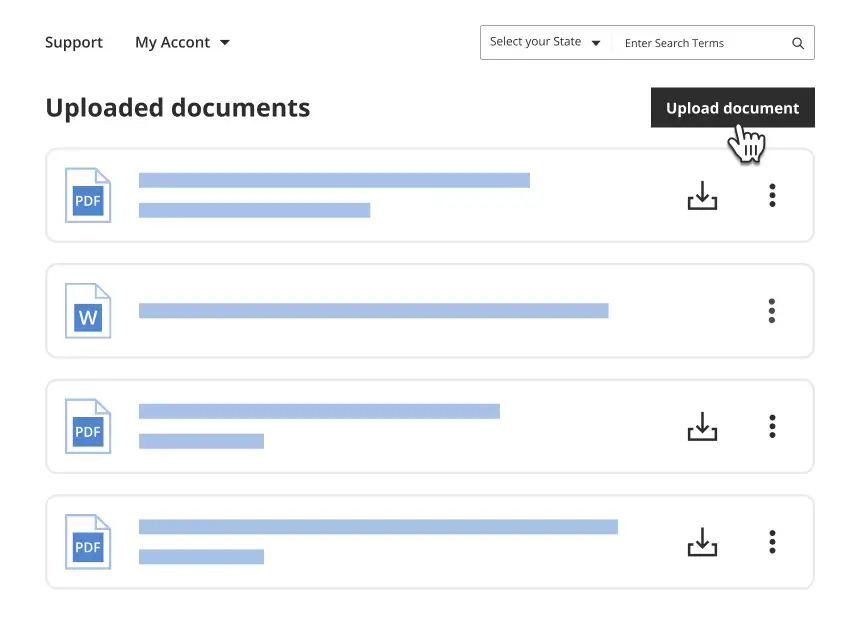
Our built-in tools help you complete, sign, share, and store your documents in one place.
Make edits, fill in missing information, and update formatting in US Legal Forms—just like you would in MS Word.
Download a copy, print it, send it by email, or mail it via USPS—whatever works best for your next step.
Sign and collect signatures with our SignNow integration. Send to multiple recipients, set reminders, and more. Go Premium to unlock E-Sign.
If this form requires notarization, complete it online through a secure video call—no need to meet a notary in person or wait for an appointment.
We protect your documents and personal data by following strict security and privacy standards.
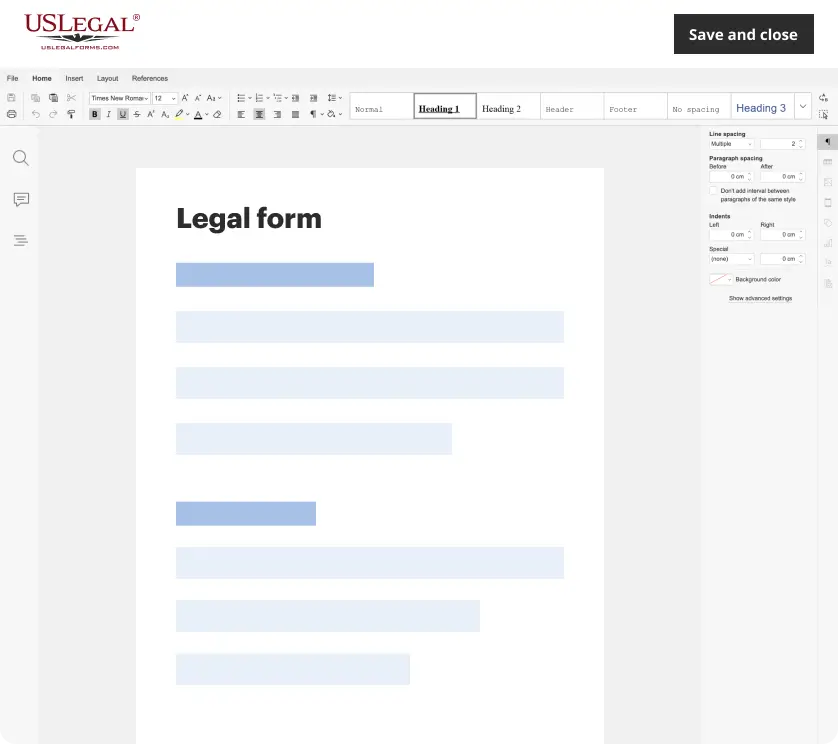
Make edits, fill in missing information, and update formatting in US Legal Forms—just like you would in MS Word.
Download a copy, print it, send it by email, or mail it via USPS—whatever works best for your next step.
Sign and collect signatures with our SignNow integration. Send to multiple recipients, set reminders, and more. Go Premium to unlock E-Sign.
If this form requires notarization, complete it online through a secure video call—no need to meet a notary in person or wait for an appointment.
We protect your documents and personal data by following strict security and privacy standards.
Looking for another form?






Form popularity
FAQ
You need to respond to the summons with what is called an Answer. You can go to the clerk of courts and ask to see a case file involving a credit card debt where an Answer was filed and copy the form, but changing the details (eg name and case number) to copy what was in your summons.
You have two tools you can use to dispute a debt: first, a debt validation letter the debt collector is required to send you, outlining the debt and your rights around disputing it; then, a debt verification letter. You can submit a written request to get more information and temporarily halt collection efforts.
Common Defenses to Credit Card Debt Lawsuits Improper Service of the Summons and Complaint. Statute of Limitations. Fair Debt Collection Practices Act (FDCPA) ... Lack of Standing. Payment of the Credit Card Account, in Part or in Full. Fraudulent Credit Card Charges. Discharge in Bankruptcy. Mistaken Identity.
A fair settlement offer typically falls between 30% and 50% of the total amount owed. However, it's imperative to note that this can vary based on several factors, including how delinquent the account is.
Summary: If you're being sued by a debt collector, here are five ways you can fight back in court and win: 1) Respond to the lawsuit, 2) make the debt collector prove their case, 3) use the statute of limitations as a defense, 4) file a Motion to Compel Arbitration, and 5) negotiate a settlement offer.
What Happens if You Ignore a Debt Collection Lawsuit? Ignoring the lawsuit doesn't make it go away. Unfortunately, it usually means the creditor or debt collector will win the case by default. If this happens, the court will issue a default judgment against you.
