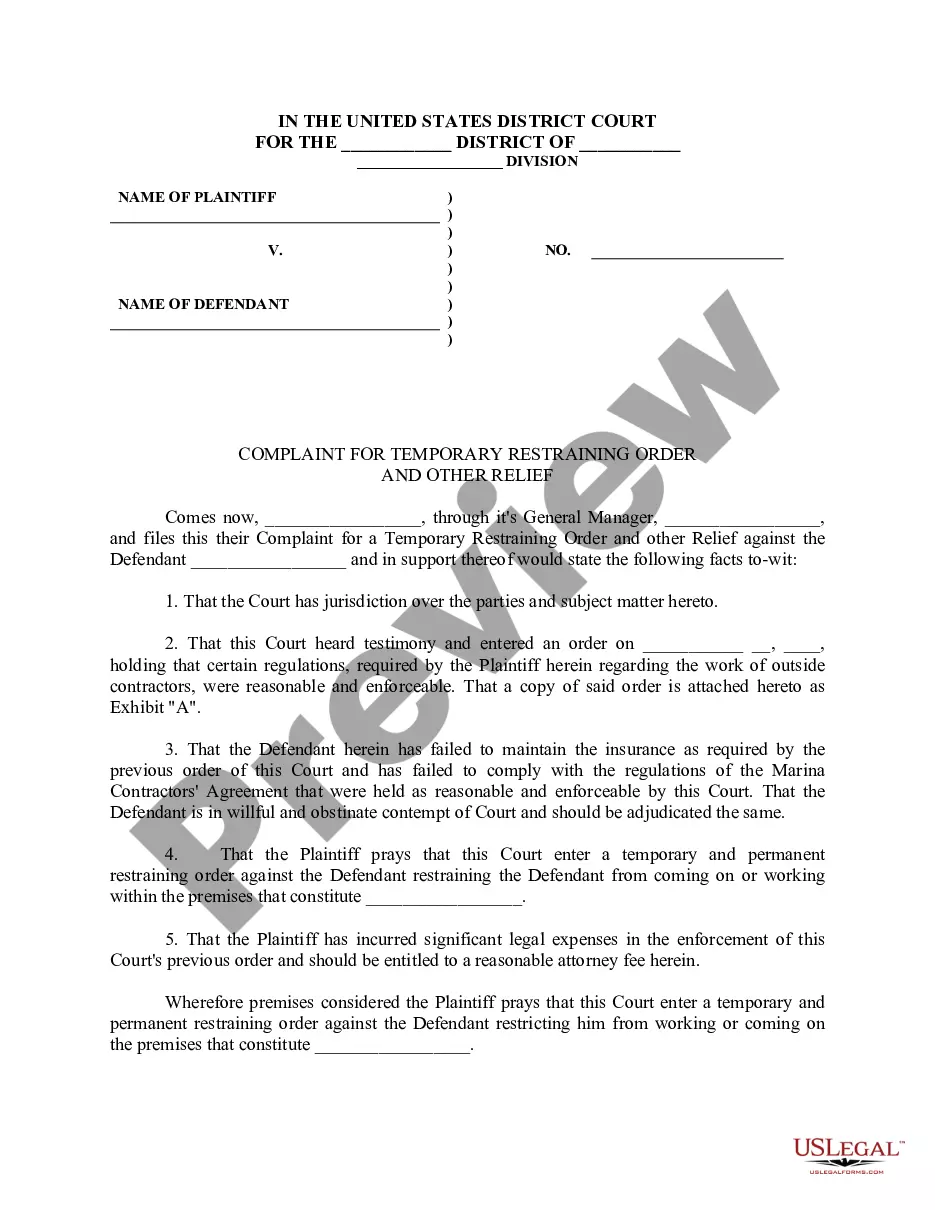
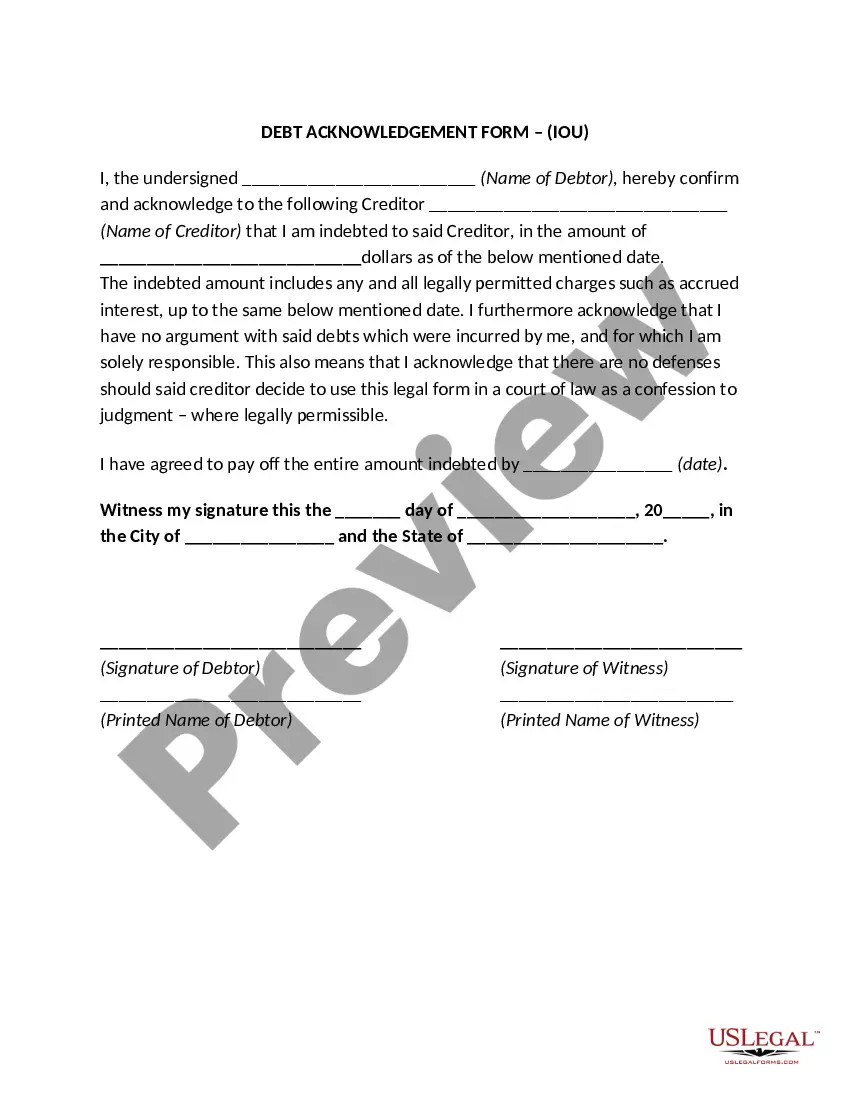
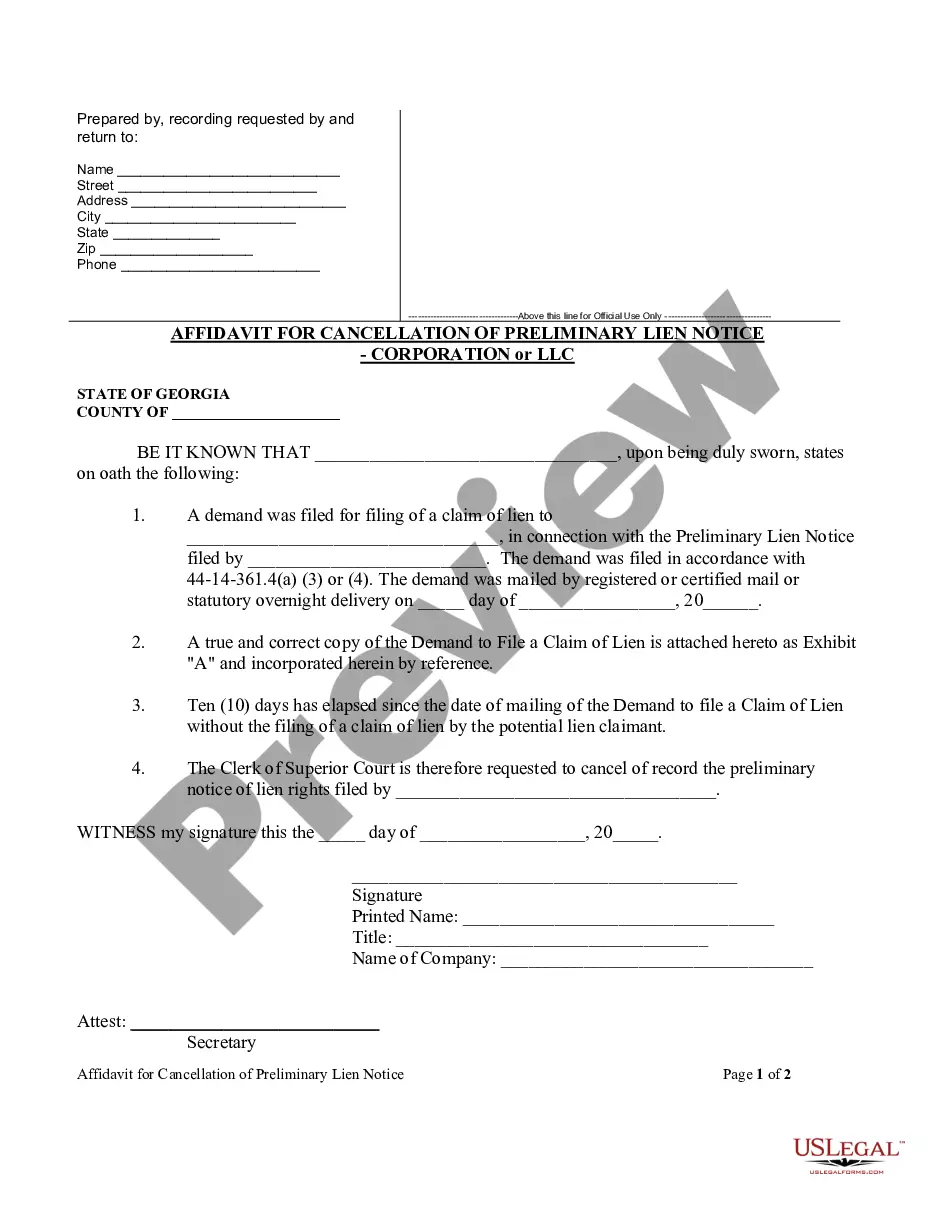
Verified Complaint Form With Answer In Chicago
Description








Get your form ready online
Our built-in tools help you complete, sign, share, and store your documents in one place.
Make edits, fill in missing information, and update formatting in US Legal Forms—just like you would in MS Word.
Download a copy, print it, send it by email, or mail it via USPS—whatever works best for your next step.
Sign and collect signatures with our SignNow integration. Send to multiple recipients, set reminders, and more. Go Premium to unlock E-Sign.
If this form requires notarization, complete it online through a secure video call—no need to meet a notary in person or wait for an appointment.
We protect your documents and personal data by following strict security and privacy standards.

Make edits, fill in missing information, and update formatting in US Legal Forms—just like you would in MS Word.

Download a copy, print it, send it by email, or mail it via USPS—whatever works best for your next step.

Sign and collect signatures with our SignNow integration. Send to multiple recipients, set reminders, and more. Go Premium to unlock E-Sign.

If this form requires notarization, complete it online through a secure video call—no need to meet a notary in person or wait for an appointment.

We protect your documents and personal data by following strict security and privacy standards.
Looking for another form?







Form popularity
FAQ
O You may send Answer/Response to Complaint/Petition to the other parties by personal hand delivery, by mail, third-party commercial carrier (for example, FedEx or UPS), or through the court's electronic filing manager or an approved e-filing service provider.
A Certificate of Service is used to prove to the Court that copies of pleadings such as motions, and discovery requests, have been mailed or hand delivered to the other parties in the lawsuit.
What is a Proof of Service & Affidavit of Mailing? o Before you file a document with the court, you must send a copy to each of the other parties, and you must send it in one of several particular ways. A Proof of Service shows the court how you sent a copy of a document to each of the other parties in the case.
The officer or person making service shall make a return by filing proof of service immediately after service on all defendants/respondents has been had, and, in any event, shall make a return: (1) in the case of a summons in the form provided in Rule 101(b)(1), not less than 21 days before the day of appearance; (2) ...
(D) Answer. affirmation to the original or amended complaint within 30 days of the date of service thereof, but the hearing officer may, for good cause shown, grant further time for the filing of an answer.
O You must file the Appearance form in the county where the court case is filed. o Make copies of your original Appearance for yourself and each party in the case. o Bring the original Appearance and the copies to the Circuit Clerk at the courthouse. Appearance, and return these copies to you.
In Civil Law, an “answer” is the first formal response given by the defense to a complaint filed with the court by the plaintiff. This opening written statement will admit or deny the allegations, or demand more information about the claims of wrongdoing.
The defendant's response to a complaint is called the answer. The answer contains the defendant's version of the events leading to the lawsuit and may be based on the contents of the complaint. The filing of the answer is one option that the defendant has in deciding how to respond to the complaint.
Verified Answer Every paragraph of the complaint must be answered, and a verification must be included in the response. When you verify a pleading, you are stating that, under penalty of perjury, you are stating the truth.
Your response to the complaint is called the answer. You should respond to each paragraph of the complaint matching your response to the exact number used in the complaint. Be very careful with the statement you make in your answer. These statements can become admissions of facts that could be used against you.
