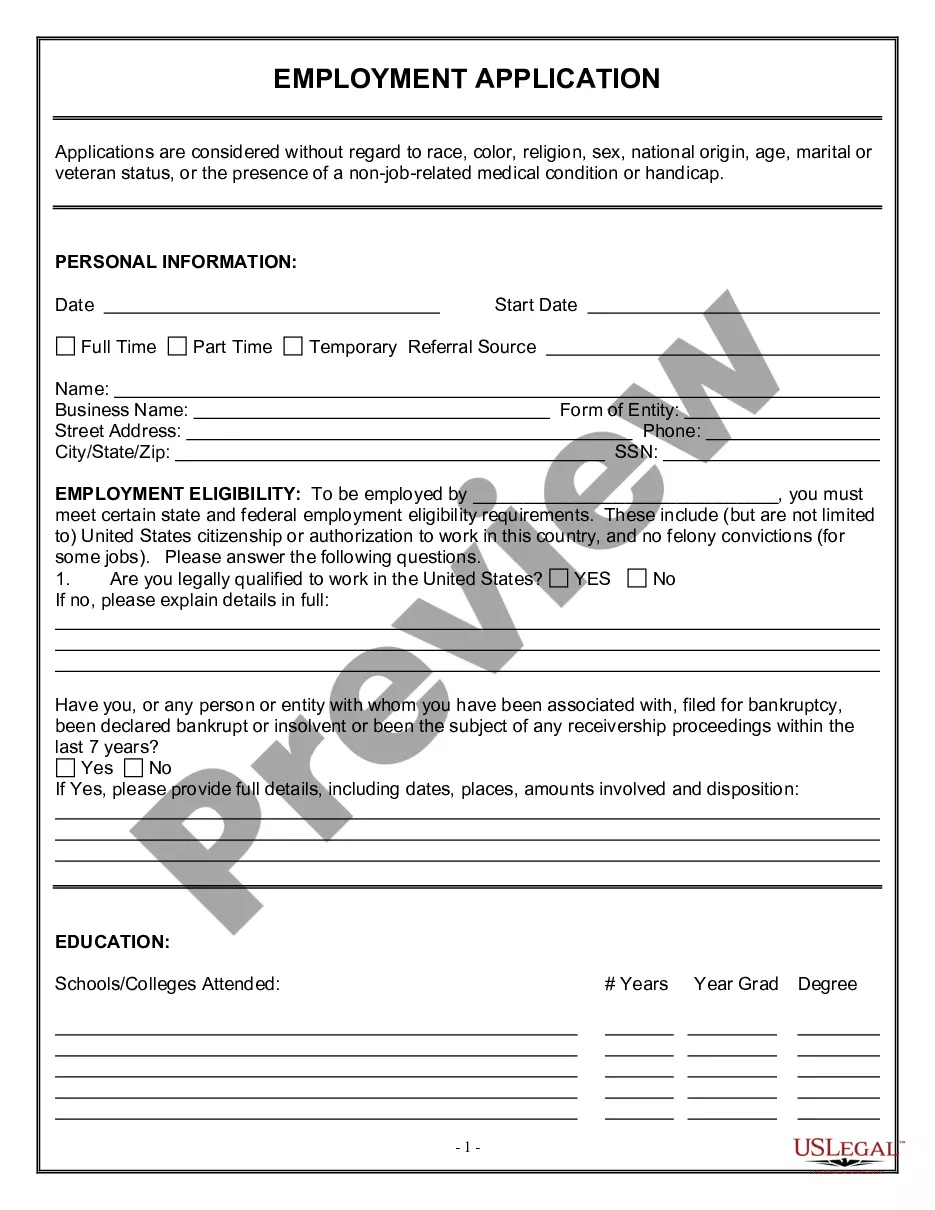
Verified Complaint New Jersey Foreclosure In Broward
Description








Get your form ready online
Our built-in tools help you complete, sign, share, and store your documents in one place.
Make edits, fill in missing information, and update formatting in US Legal Forms—just like you would in MS Word.
Download a copy, print it, send it by email, or mail it via USPS—whatever works best for your next step.
Sign and collect signatures with our SignNow integration. Send to multiple recipients, set reminders, and more. Go Premium to unlock E-Sign.
If this form requires notarization, complete it online through a secure video call—no need to meet a notary in person or wait for an appointment.
We protect your documents and personal data by following strict security and privacy standards.

Make edits, fill in missing information, and update formatting in US Legal Forms—just like you would in MS Word.

Download a copy, print it, send it by email, or mail it via USPS—whatever works best for your next step.

Sign and collect signatures with our SignNow integration. Send to multiple recipients, set reminders, and more. Go Premium to unlock E-Sign.

If this form requires notarization, complete it online through a secure video call—no need to meet a notary in person or wait for an appointment.

We protect your documents and personal data by following strict security and privacy standards.
Looking for another form?





Form popularity
FAQ
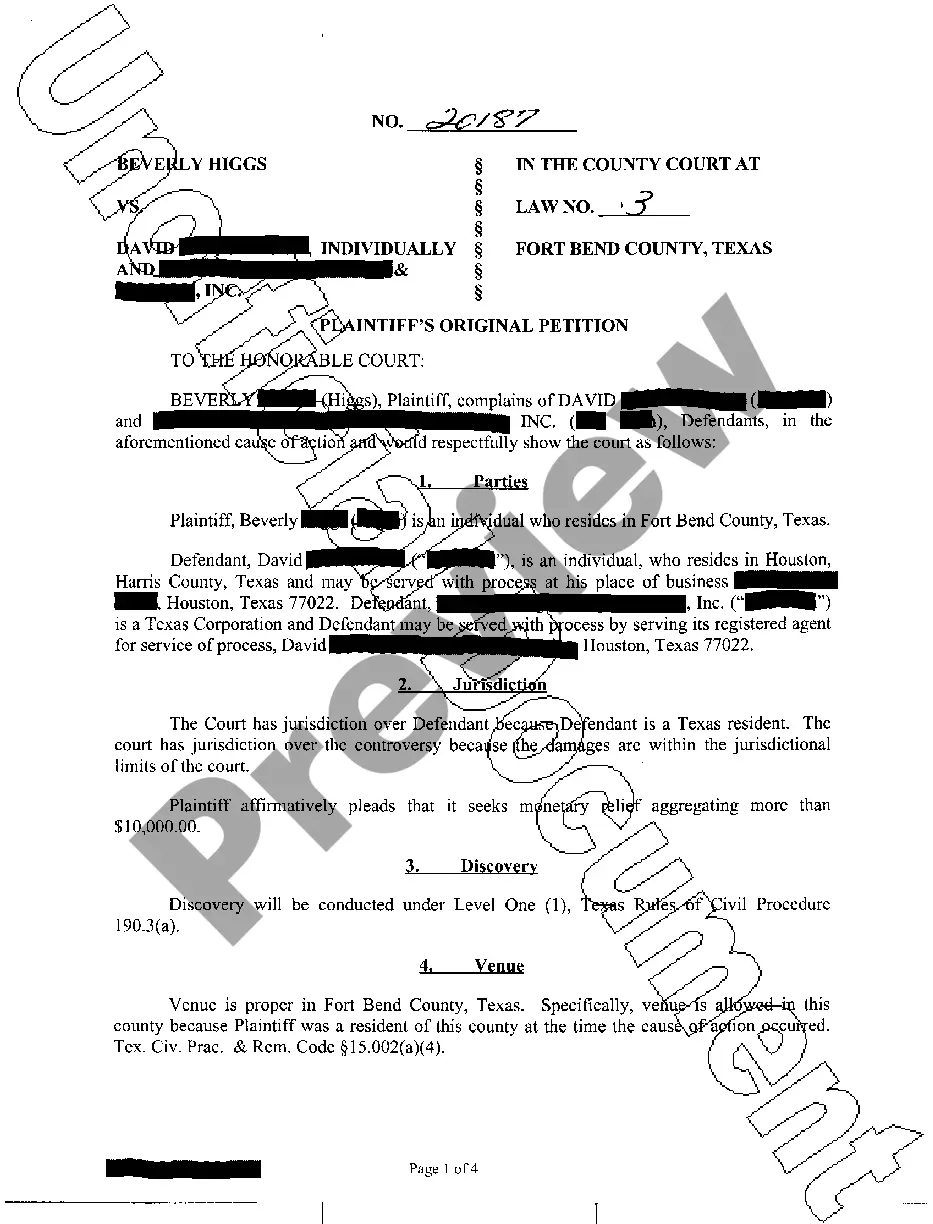
Definition. A verified complaint is a sworn document in which the plaintiff tells the court the facts of the case and states what relief is sought.
Public records Throughout the foreclosure process, various legal notices must be filed in your County Recorder's Office. This information is public record and available to anyone. Just visit your county's office and you can search for a Notice of Default (NOD), lis pendens or Notice of Sale.
Viewing Case Information Online. You can easily view the foreclosure case information online at the Clerk's Online Resource ePortal (CORE). Just be sure to have the case number or Plaintiff or Defendant name on hand so you can search and locate the case.
Many courts will accept an answer in general letter form of a reply to the foreclosure complaint. Although there are formalities in answering which lawyers know, most courts will accept an answer in letter form. It should simply admit or deny the allegations of each paragraph of the complaint.
A party served with a pleading stating a counterclaim or crossclaim against that party shall serve an answer thereto within 35 days after the service upon that party.
On January 12th, 2024, New Jersey's Fair Foreclosure Act was amended to include a new foreclosure protection for homeowners. Specifically, the introduction of the Community Wealth Preservation Program gives families facing foreclosure the first chance to buy back their homes at sheriff's sales.
Foreclosures are generally judicial in the following states: Connecticut, Delaware, District of Columbia (sometimes), Florida, Hawaii, Illinois, Indiana, Iowa, Kansas, Kentucky, Louisiana (executory proceeding), Maine, Nebraska (sometimes), New Jersey, New Mexico, New York, North Dakota, Ohio, Oklahoma (if the ...
New Jersey is a judicial foreclosure state. This means foreclosure actions must go through the court. The Office of Foreclosure and the Superior Court General Equity judges handle the process. This page provides foreclosure resources for both lenders and debtors.
Verified Complaints are generally not required, except when ex parte relief is sought or when required by a statute or rule regarding a specific cause of action. N.J.R.
A complaint where the plaintiff (or, in limited cases, the plaintiff's counsel) swears to the allegations, demonstrating to a court that the plaintiff has investigated the charges against the defendant and found them to be of substance.