True Correct Copy With Example In Alameda
Description

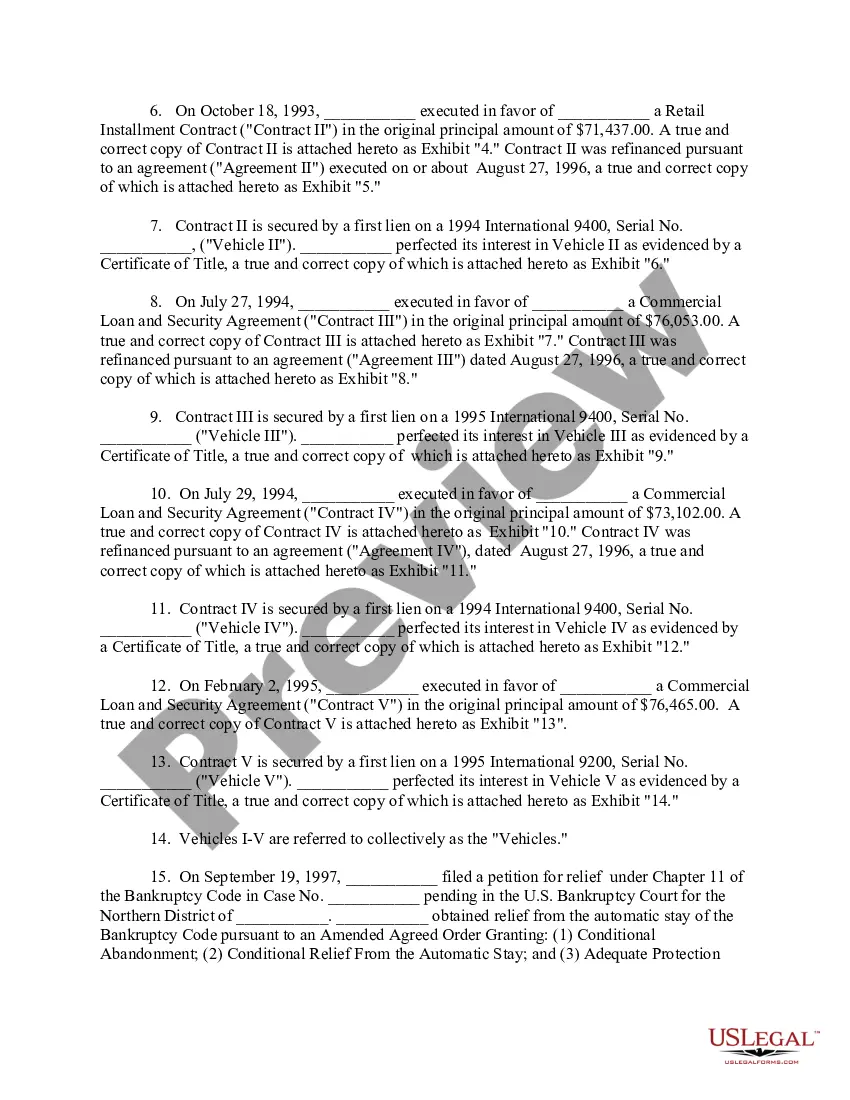
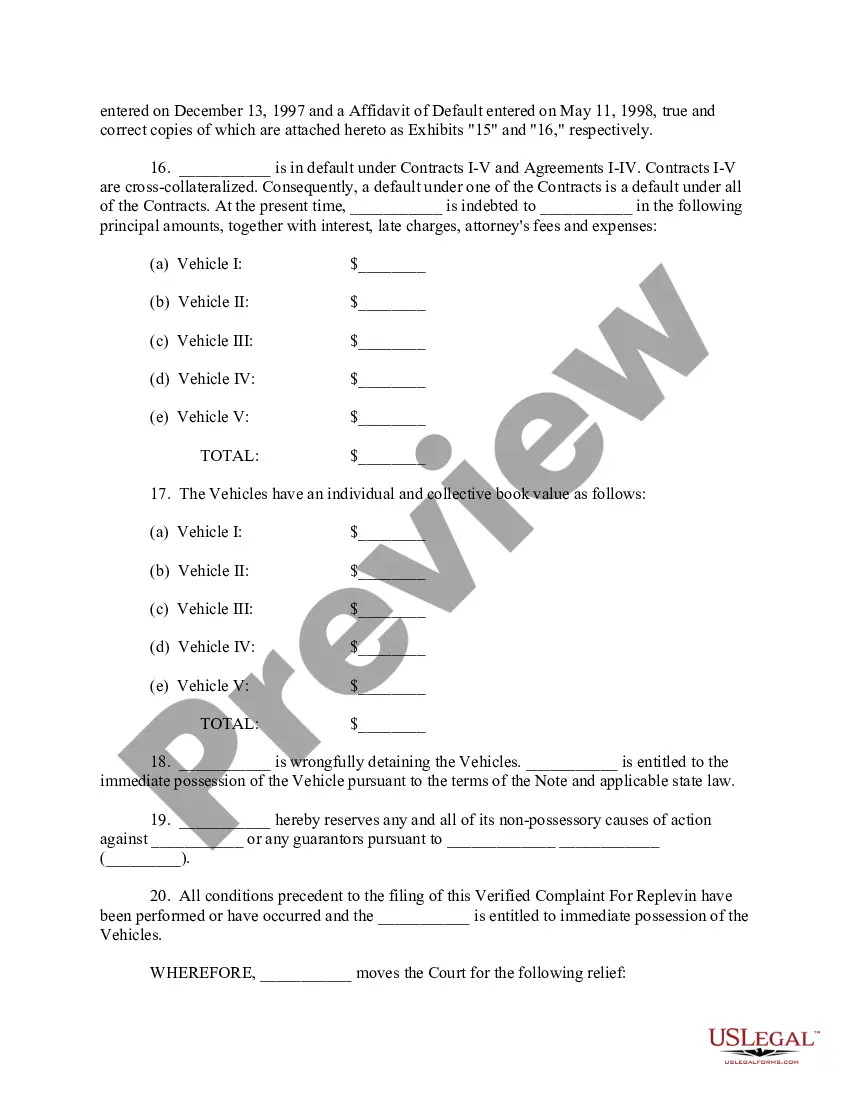
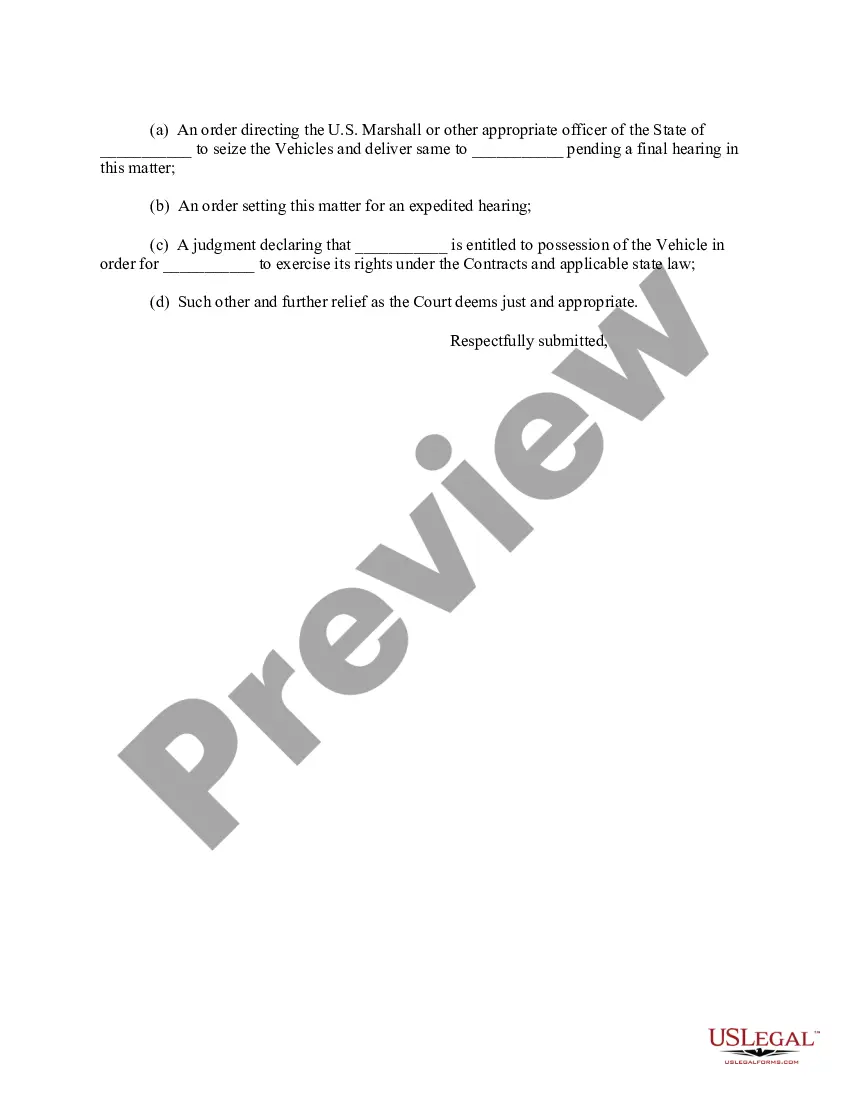
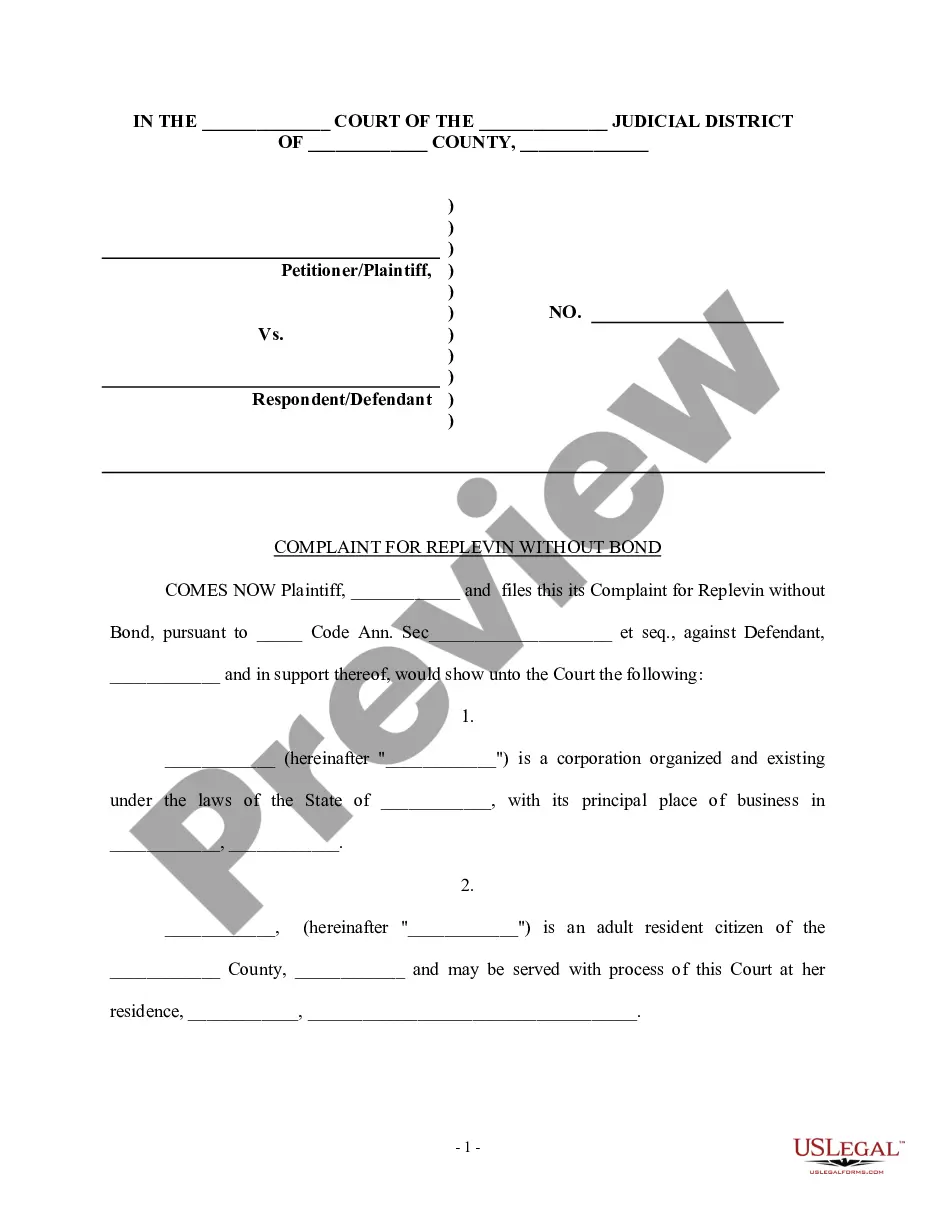

Get your form ready online
Our built-in tools help you complete, sign, share, and store your documents in one place.
Make edits, fill in missing information, and update formatting in US Legal Forms—just like you would in MS Word.
Download a copy, print it, send it by email, or mail it via USPS—whatever works best for your next step.
Sign and collect signatures with our SignNow integration. Send to multiple recipients, set reminders, and more. Go Premium to unlock E-Sign.
If this form requires notarization, complete it online through a secure video call—no need to meet a notary in person or wait for an appointment.
We protect your documents and personal data by following strict security and privacy standards.

Make edits, fill in missing information, and update formatting in US Legal Forms—just like you would in MS Word.

Download a copy, print it, send it by email, or mail it via USPS—whatever works best for your next step.

Sign and collect signatures with our SignNow integration. Send to multiple recipients, set reminders, and more. Go Premium to unlock E-Sign.

If this form requires notarization, complete it online through a secure video call—no need to meet a notary in person or wait for an appointment.

We protect your documents and personal data by following strict security and privacy standards.
Looking for another form?






Form popularity
FAQ
Certified True Copy Certification Secure and fill out application form. Submit duly accomplished form and attach the other supporting documents. Wait for the issuance of Order of Payment Slip (OPS). Pay the corresponding fees.
How do I certify a copy of a document? The document's custodian requests a certified copy. The Notary compares the original and the copy. The Notary certifies that the copy is accurate.
Certified True Copy Certification Secure and fill out application form. Submit duly accomplished form and attach the other supporting documents. Wait for the issuance of Order of Payment Slip (OPS). Pay the corresponding fees.
Copies of your documents can be certified by an approved person, such as a: Justice of the Peace Lawyer. Court Official, such as a Court Registrar or Deputy Registrar. Notary Public.
The certified true copies must be in Chinese or English and certified by CPAs, lawyers, and notaries public. They are typically valid for 3 to 6 months after the certification date.
A notarized copy of a document and a certified true copy is the same. Although certified copies often refer to the copies of vital records and documents, such as birth certificates, which you can obtain only from the county clerk, the terms notarized and certified copies of documents are used interchangeably.
Certified Copy:A certified copy is typically a copy of an original document that has been verified and authenticated by a notary public, a solicitor, or another authorized official. The certifying authority confirms that the copy is a true and accurate reproduction of the original document.
For example, they may certify copies of passports, identification cards, driver licenses, statements and contracts. In this case, the notary signs a statement directly certifying that the copy is true.
If you need a certified copy of either document type, you must bring the original document and the copy to the notary public. The notary will closely compare the original and copy. Once satisfied that the copy is a true copy, they will verify and certify by dating, stamping and signing the document as a true copy.
A notarized copy of a document and a certified true copy is the same. Although certified copies often refer to the copies of vital records and documents, such as birth certificates, which you can obtain only from the county clerk, the terms notarized and certified copies of documents are used interchangeably.
