State Disability Which Withholding In Pennsylvania
Description

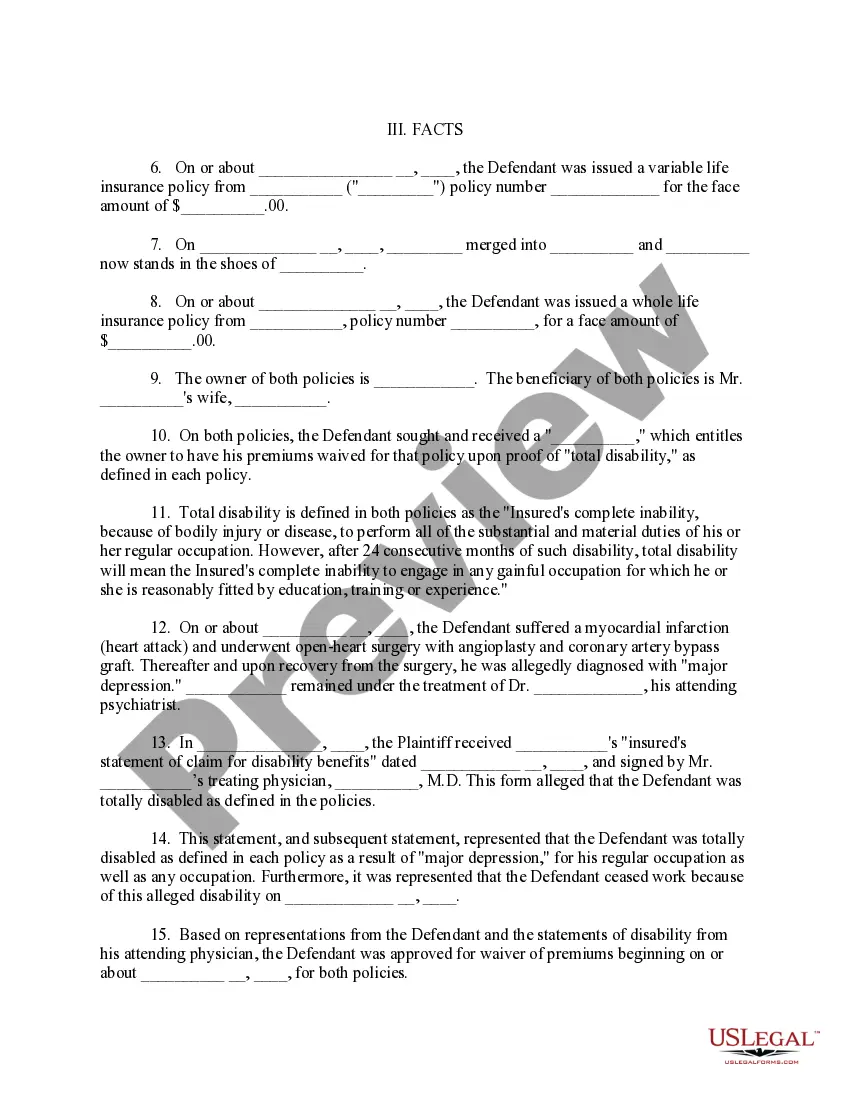
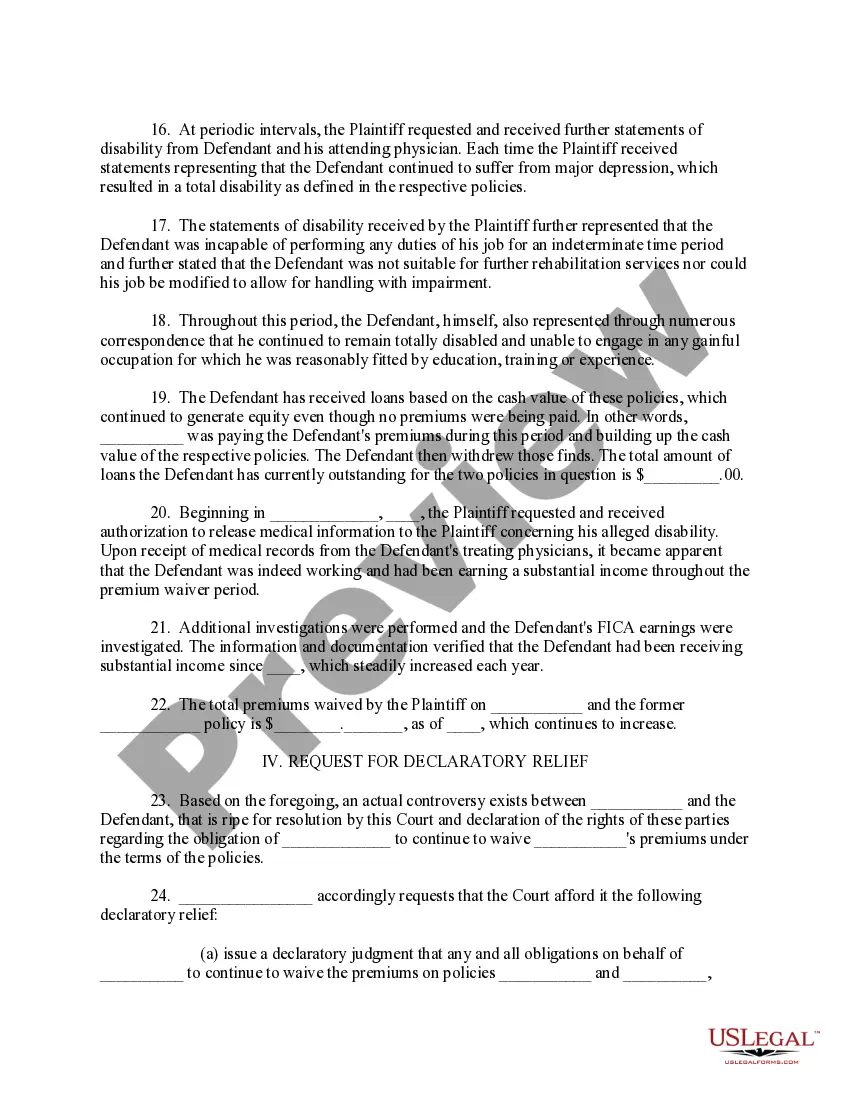
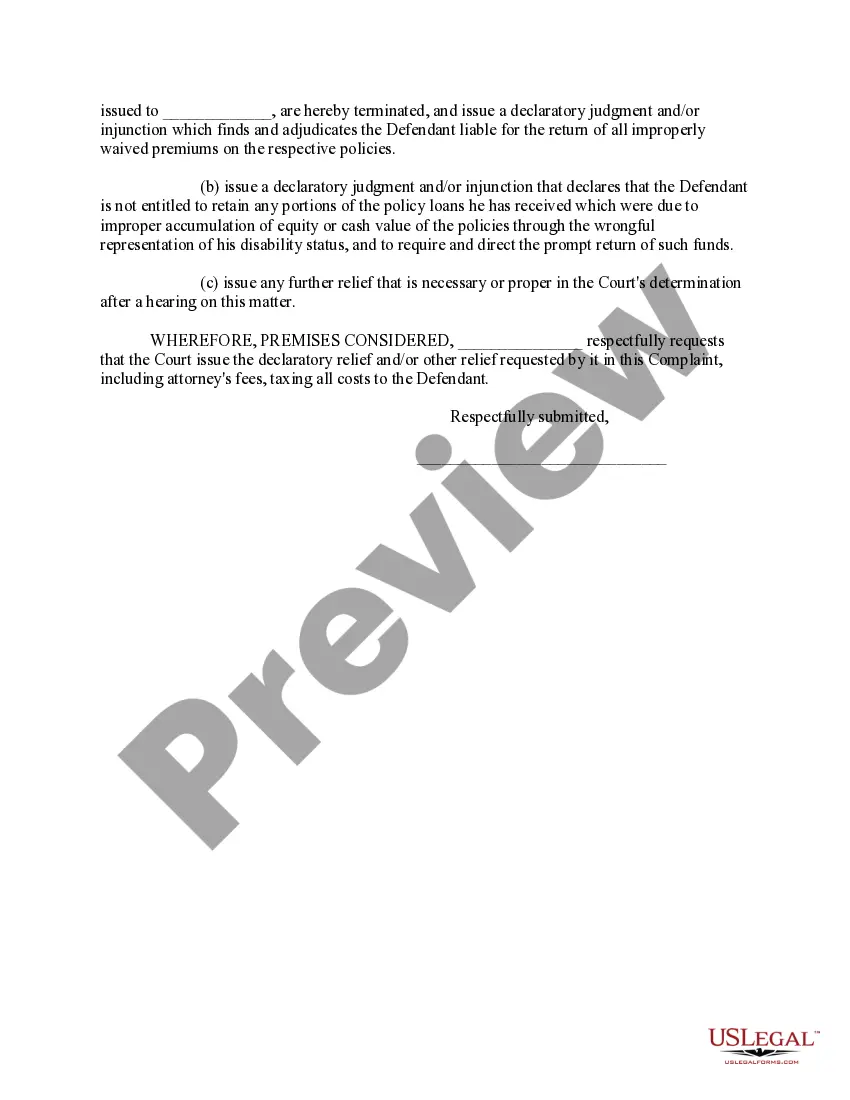



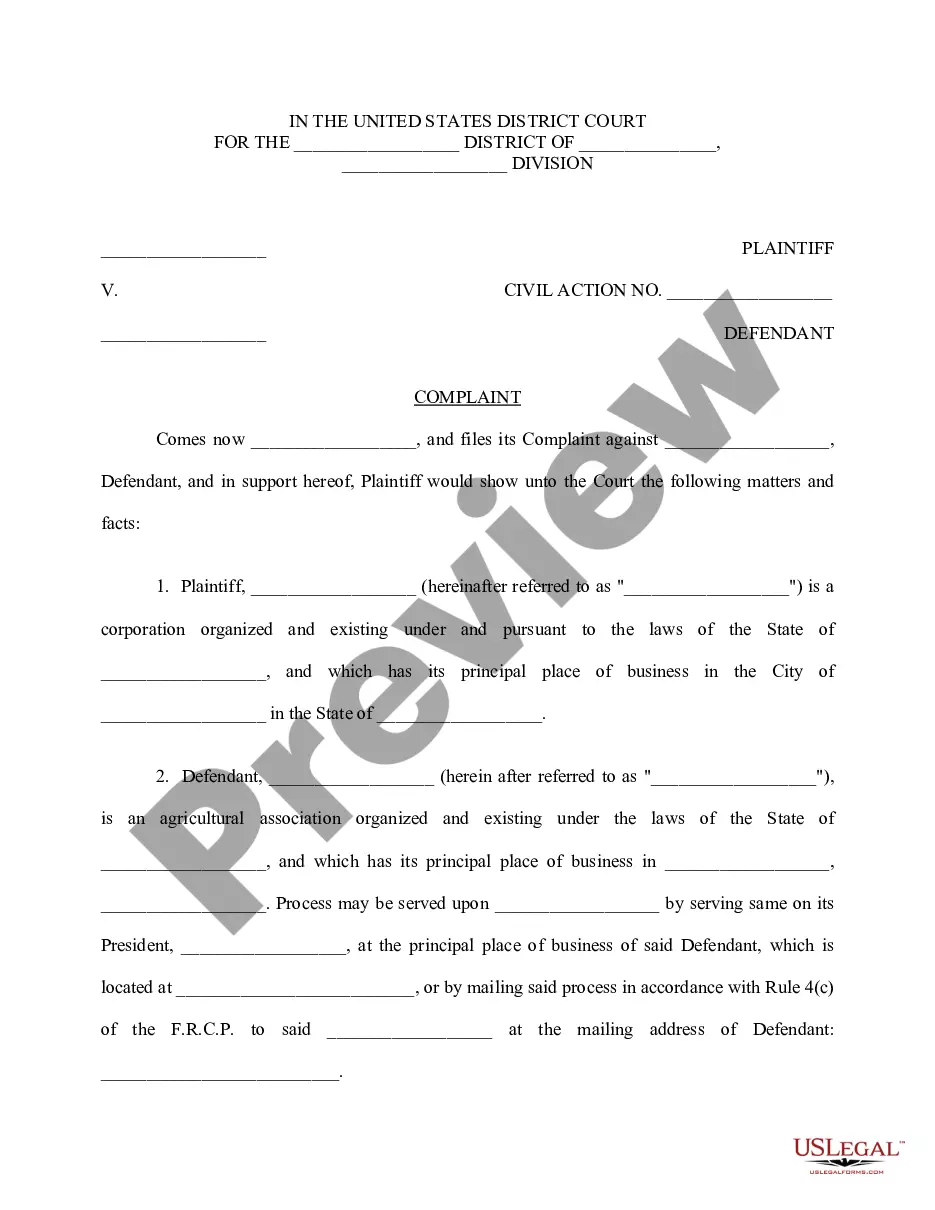
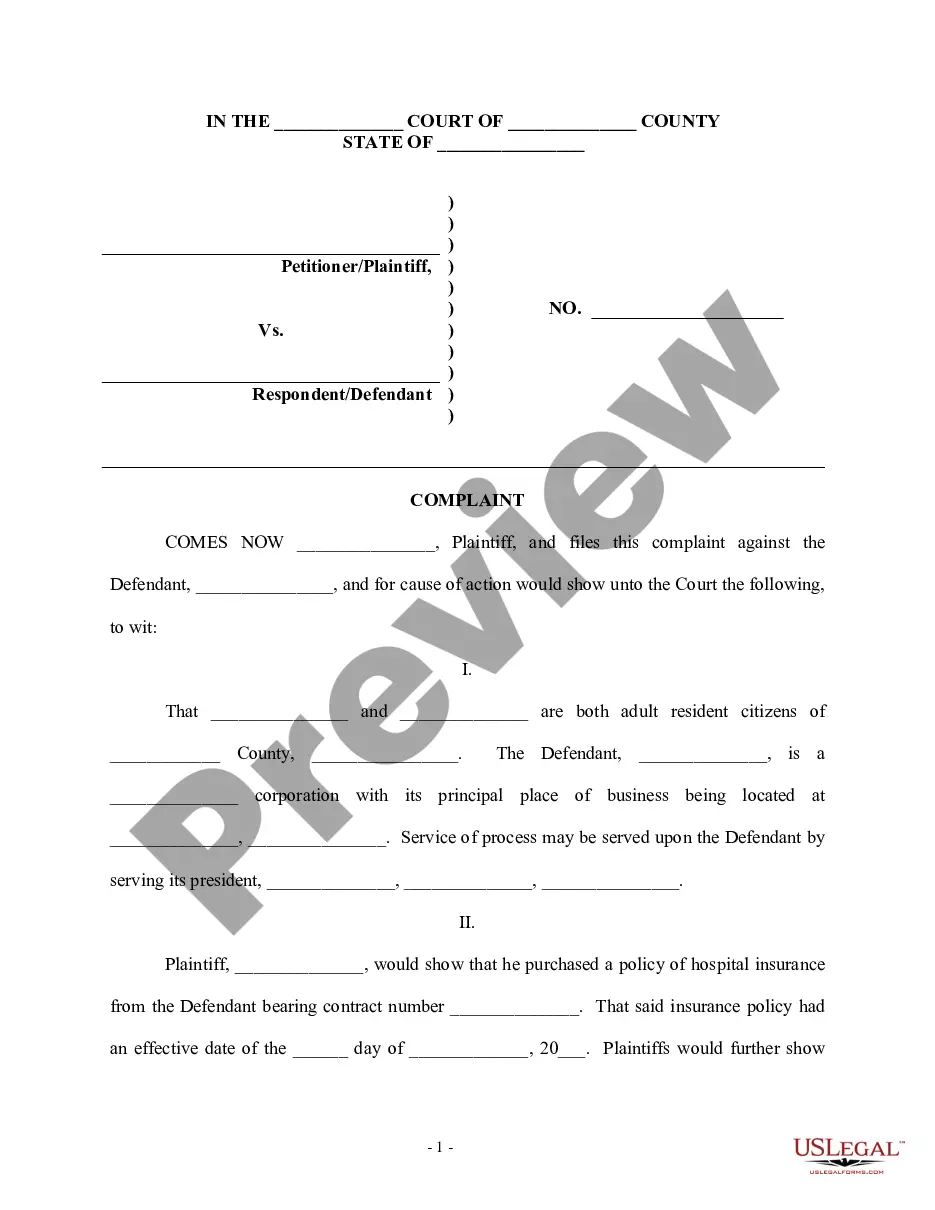
Get your form ready online
Our built-in tools help you complete, sign, share, and store your documents in one place.
Make edits, fill in missing information, and update formatting in US Legal Forms—just like you would in MS Word.
Download a copy, print it, send it by email, or mail it via USPS—whatever works best for your next step.
Sign and collect signatures with our SignNow integration. Send to multiple recipients, set reminders, and more. Go Premium to unlock E-Sign.
If this form requires notarization, complete it online through a secure video call—no need to meet a notary in person or wait for an appointment.
We protect your documents and personal data by following strict security and privacy standards.

Make edits, fill in missing information, and update formatting in US Legal Forms—just like you would in MS Word.

Download a copy, print it, send it by email, or mail it via USPS—whatever works best for your next step.

Sign and collect signatures with our SignNow integration. Send to multiple recipients, set reminders, and more. Go Premium to unlock E-Sign.

If this form requires notarization, complete it online through a secure video call—no need to meet a notary in person or wait for an appointment.

We protect your documents and personal data by following strict security and privacy standards.
Looking for another form?









Form popularity
FAQ
Payments, not representing regular wages, including payments made by third party insurers for sickness or disability, are not taxable income for Pennsylvania purposes. Your employer should not include periodic payments for sickness or disability in Box 16 of your federal FormW–2.
Pennsylvania has a flat state income tax rate of 3.07%. This is the lowest rate among the handful of states that utilize flat rates. However, many cities in the Keystone State also collect local income taxes.
The California SDI tax rate is 1.00 percent of SDI taxable wages per employee per year. The maximum tax is $1,229.09 per employee per year.
Pennsylvania law requires withholding at a rate of 3.07 percent on non-wage Pennsylvania source income payments made to nonresidents. Withholding of payments that are less than $5,000 during the calendar year are optional and at the discretion of the payor.
Pennsylvania personal income tax is levied at the rate of 3.07 percent against taxable income of resident and nonresident individuals, estates, trusts, partnerships, S corporations, business trusts and limited liability companies not federally taxed as corporations.
Generally, you want about 90% of your estimated income taxes withheld and sent to the government. 12 This ensures that you never fall behind on income taxes (something that can result in heavy penalties) and that you are not overtaxed throughout the year.
Log in to the myPATH registration system. Submit a business tax registration to get a Withholding Tax account. You will receive a 11-digit Revenue ID (used across all of your tax accounts) and an eight-digit withholding tax account number.
Pennsylvania law requires employers to withhold Pennsylvania personal income tax from employees' compensation in two common cases: When resident employees perform services within or outside Pennsylvania; and. When nonresident employees perform services within Pennsylvania.
The registration is done by filing form PA-100 with PDOR. You can get an EIN/TIN by mail, fax, or through the online application form on the IRS's website. It takes four days to get an EIN by fax, four weeks by mail, and around 15 minutes when done online.
As a small business owner, you must fill out Form PA-100 to register for a federal employer identification number for state withholding. So, how much is PA tax? Pennsylvania state income taxes are relatively simple with a 3.07% flat income tax rate.
