Declaratory Judgement Expenses In Contra Costa
Description

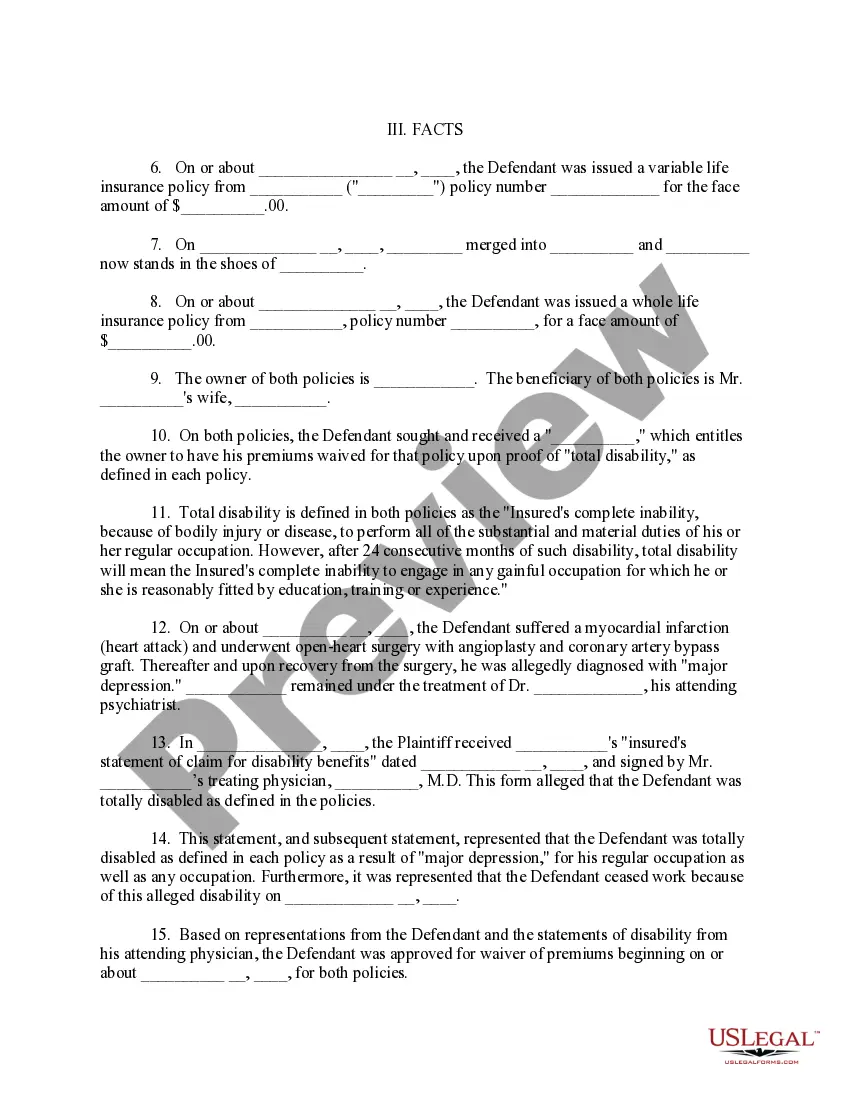
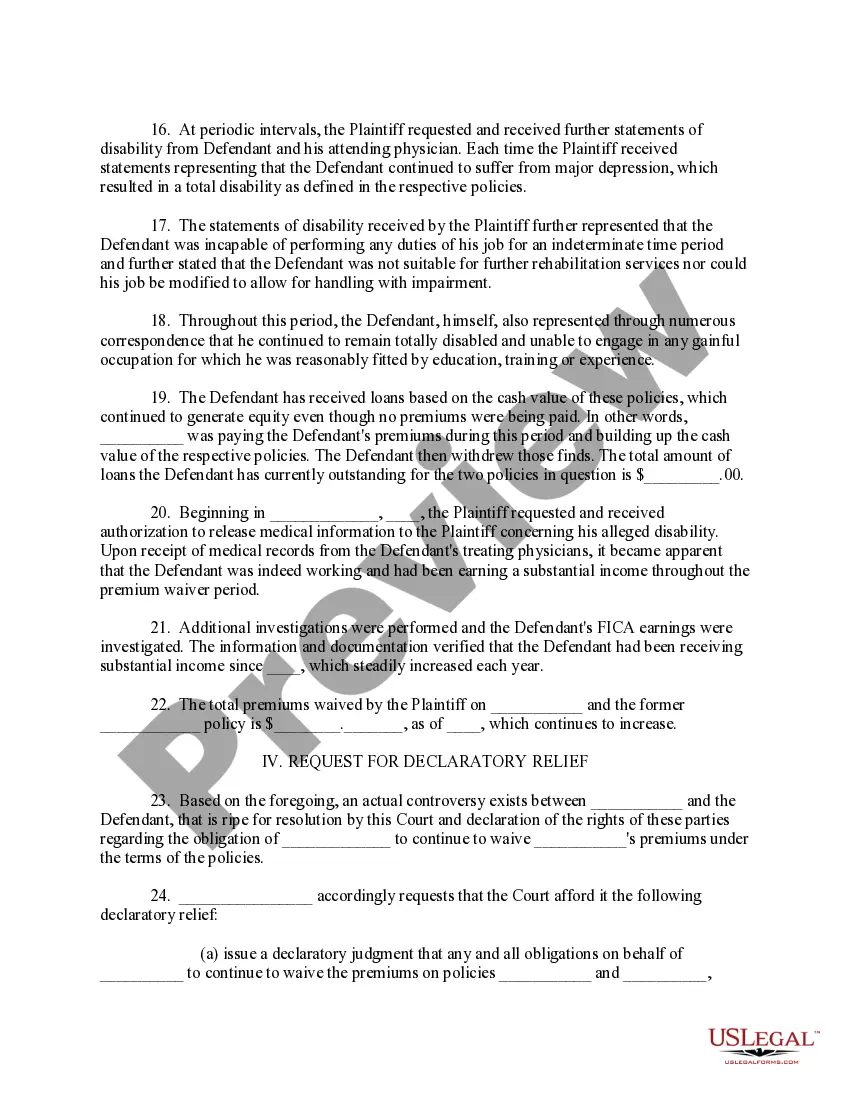
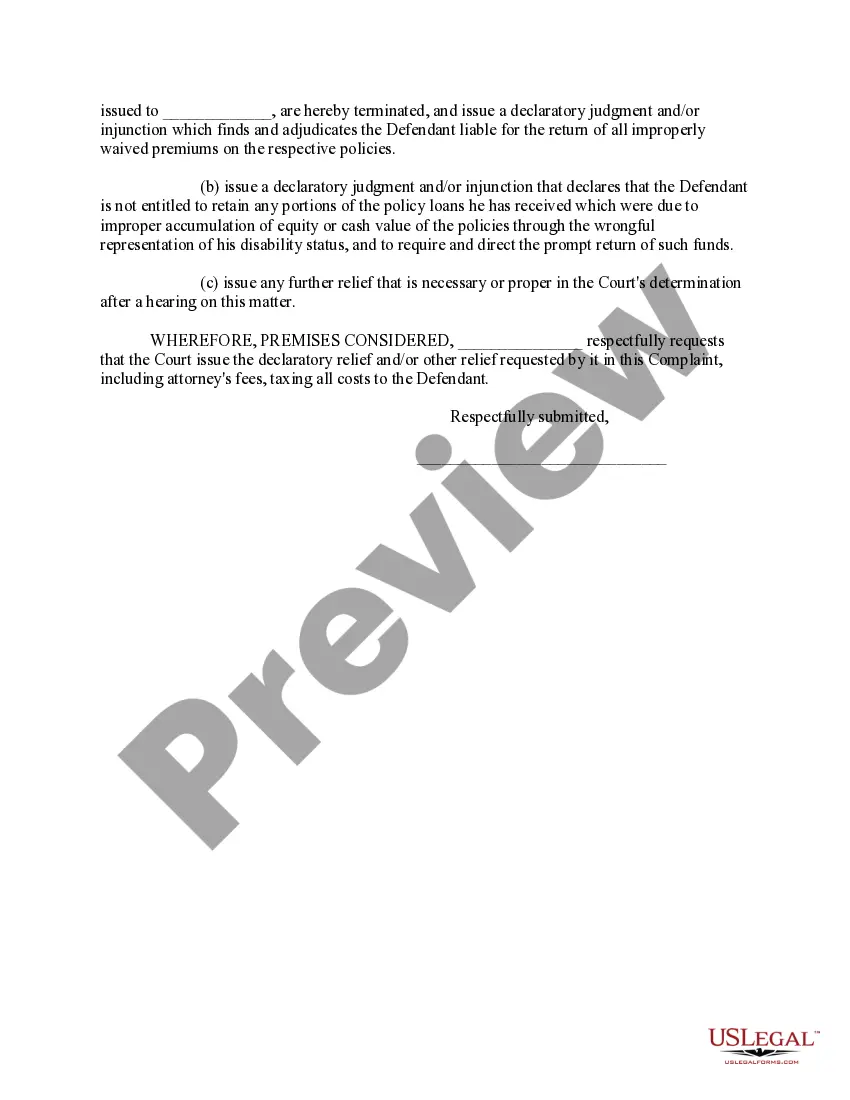



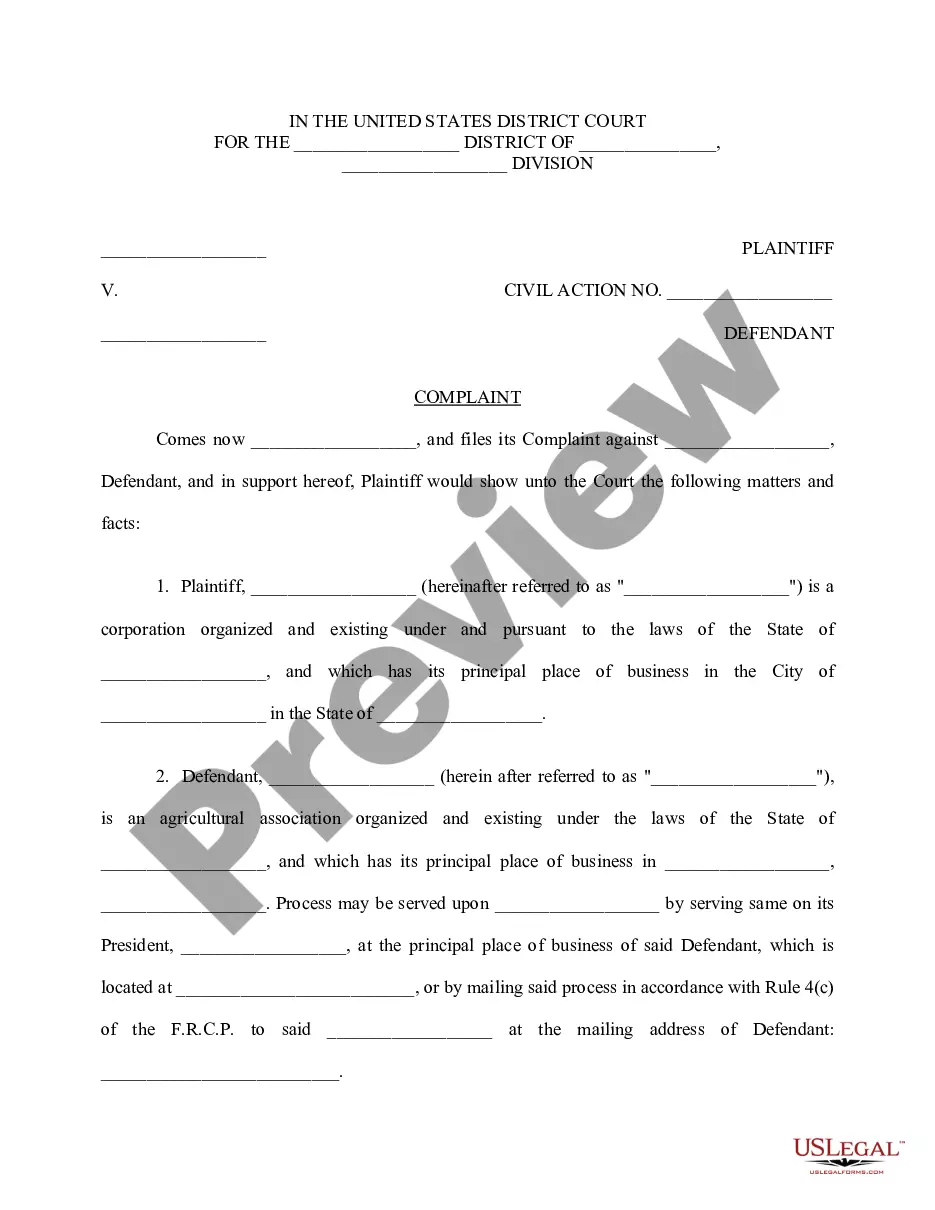
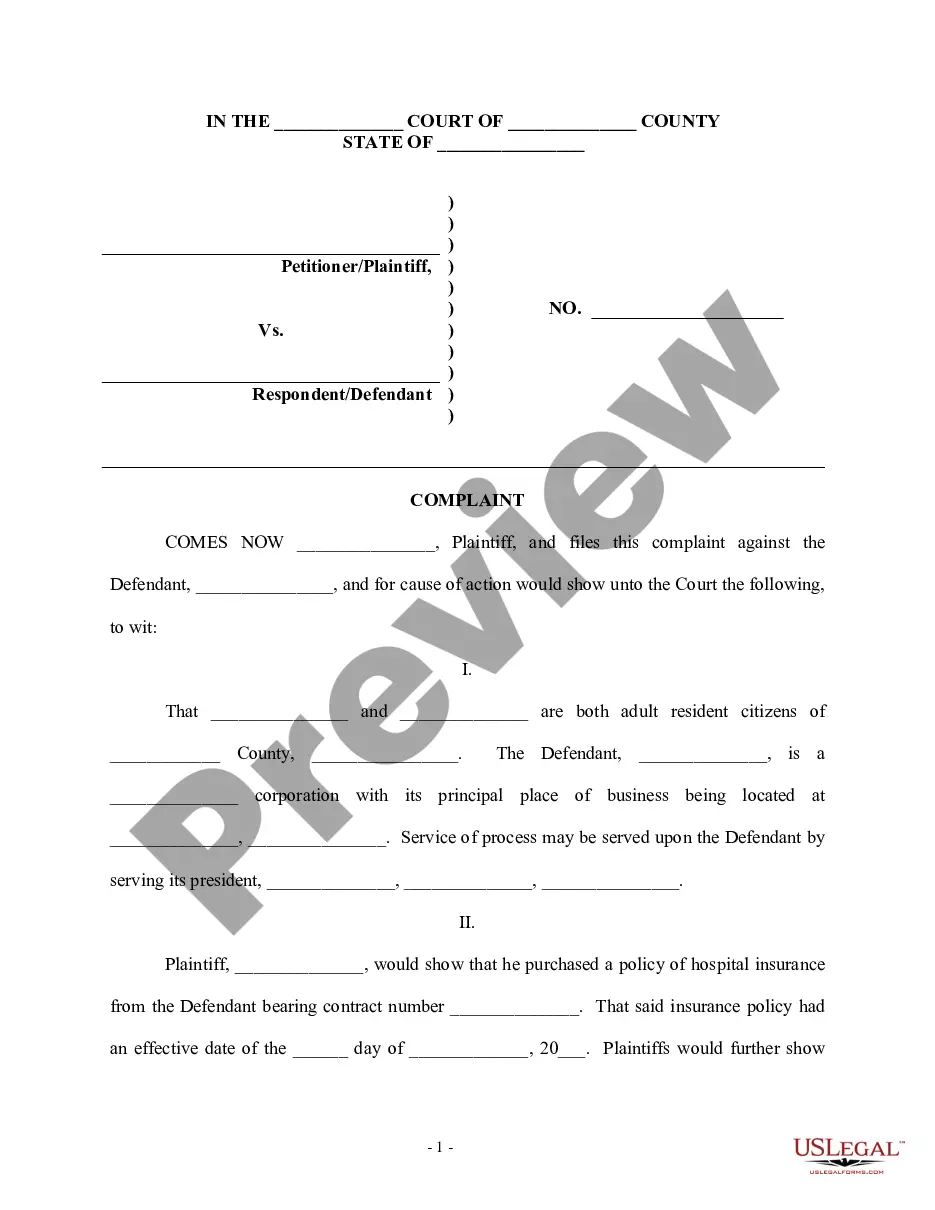
Get your form ready online
Our built-in tools help you complete, sign, share, and store your documents in one place.
Make edits, fill in missing information, and update formatting in US Legal Forms—just like you would in MS Word.
Download a copy, print it, send it by email, or mail it via USPS—whatever works best for your next step.
Sign and collect signatures with our SignNow integration. Send to multiple recipients, set reminders, and more. Go Premium to unlock E-Sign.
If this form requires notarization, complete it online through a secure video call—no need to meet a notary in person or wait for an appointment.
We protect your documents and personal data by following strict security and privacy standards.

Make edits, fill in missing information, and update formatting in US Legal Forms—just like you would in MS Word.

Download a copy, print it, send it by email, or mail it via USPS—whatever works best for your next step.

Sign and collect signatures with our SignNow integration. Send to multiple recipients, set reminders, and more. Go Premium to unlock E-Sign.

If this form requires notarization, complete it online through a secure video call—no need to meet a notary in person or wait for an appointment.

We protect your documents and personal data by following strict security and privacy standards.
Looking for another form?
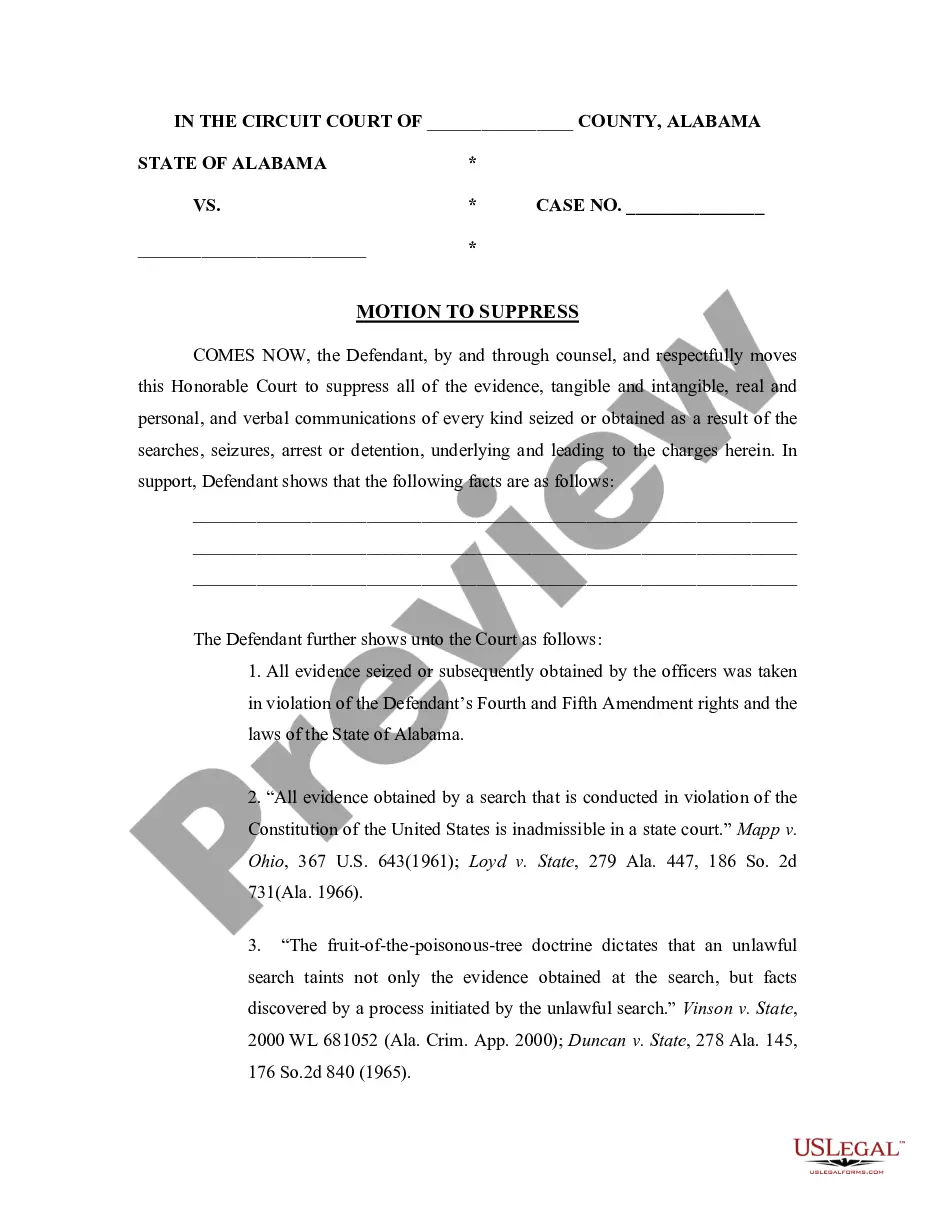
Form popularity
FAQ
What are some of the best excuses people have used when they didn't want to show up for jury duty? You are not fluent in English. You are disabled, evidenced by a physician's attestation. You are hospitalized, again evidenced by a physician's attestation.
Contra Costa County Clerk-Recorder's Office Interested individuals should visit the Clerk-Recorder's website. Choose a preferred method of request—online, in-person, or by mail—and follow the provided instructions. Inquirers can also contact the office at (925) 335-7900 to make further inquiries.
Am I still required to serve? Yes, unless your health prevents you from doing so. If you have health concerns and are over the age of 70, you may be permanently excused without a doctor's letter.
If a medical hardship, you must mail/email a letter from your doctor explaining why you cannot serve.)
Reasons you may be excused from jury service include: You have no means of transportation. You would have to travel an excessive distance to the courthouse. You have a physical or mental impairment. You provide care for a dependent and cannot afford to have someone cover for you.
Change your legal name Once the judge decides, you pick up a court decree (court order) with your new name. The process generally takes up to 3 months.
Under Code of Civil Procedure § 437c(c), a motion for summary judgment "shall be granted if all the papers submitted show that there is no triable issue as to any material fact and that the moving party is entitled to judgment as a matter of law." (Code Civ. Proc. § 437c(c).)
Use certified copies of marriage and divorce certificates or name change orders as proof to notify these federal and state agencies that you changed your name. Social Security card. Driver's license or state ID card. Tax returns. U.S. passport. Naturalization certificate and certificate of citizenship. Veterans benefits.
A declaratory judgment is a ruling of the court to clarify something (usually a contract provision) that is in dispute. A summary judgment is a ruling that a case or portion of a case must be dismissed because there are no triable issues of material fact in dispute.
Small claims basics Generally, you can only sue for up to $12,500 in small claims court (or up to $6,250 if you're a business). You can ask a lawyer for advice before you go to court, but you can't have one with you in court.