Farm Would Business Formula In Dallas
Description



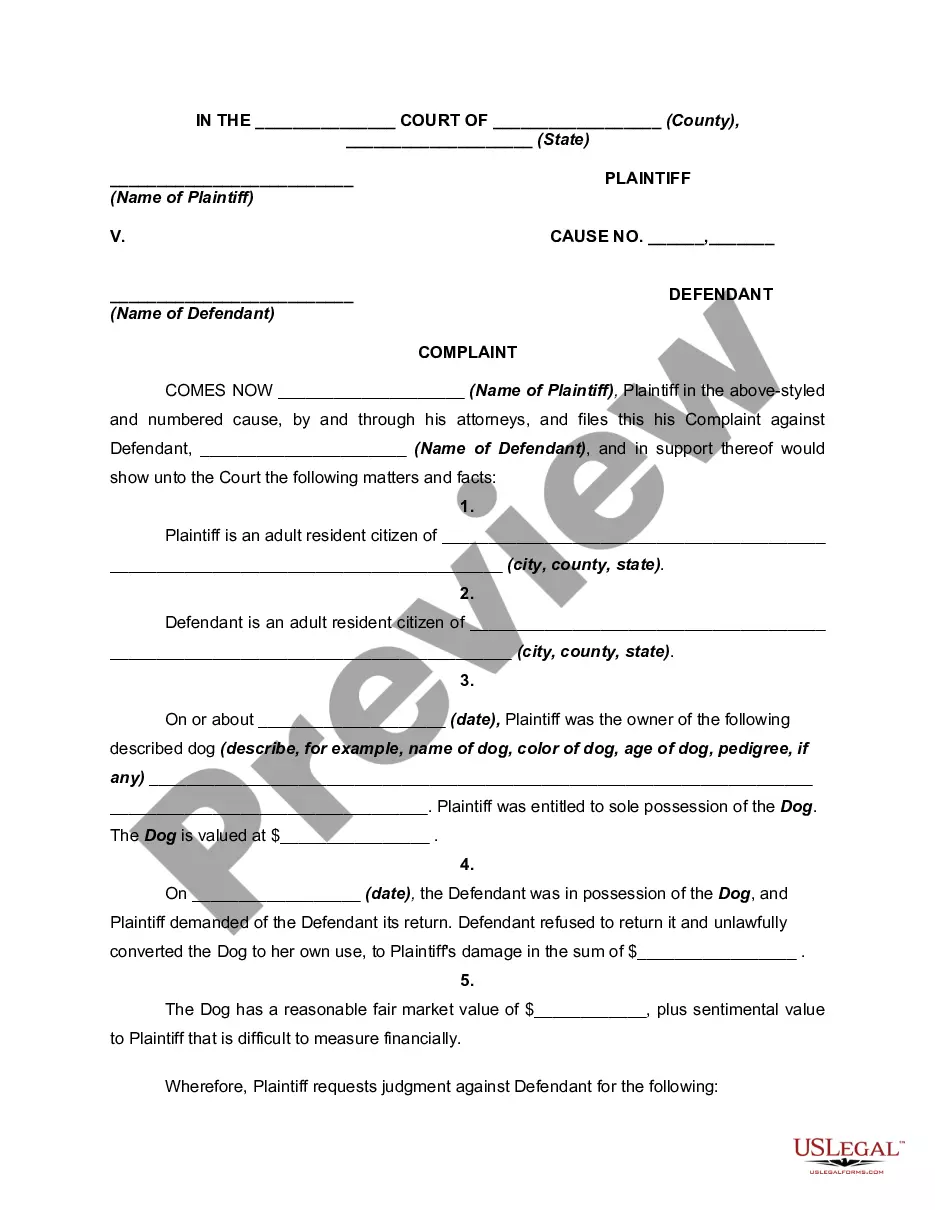
Get your form ready online
Our built-in tools help you complete, sign, share, and store your documents in one place.
Make edits, fill in missing information, and update formatting in US Legal Forms—just like you would in MS Word.
Download a copy, print it, send it by email, or mail it via USPS—whatever works best for your next step.
Sign and collect signatures with our SignNow integration. Send to multiple recipients, set reminders, and more. Go Premium to unlock E-Sign.
If this form requires notarization, complete it online through a secure video call—no need to meet a notary in person or wait for an appointment.
We protect your documents and personal data by following strict security and privacy standards.

Make edits, fill in missing information, and update formatting in US Legal Forms—just like you would in MS Word.

Download a copy, print it, send it by email, or mail it via USPS—whatever works best for your next step.

Sign and collect signatures with our SignNow integration. Send to multiple recipients, set reminders, and more. Go Premium to unlock E-Sign.

If this form requires notarization, complete it online through a secure video call—no need to meet a notary in person or wait for an appointment.

We protect your documents and personal data by following strict security and privacy standards.
Looking for another form?
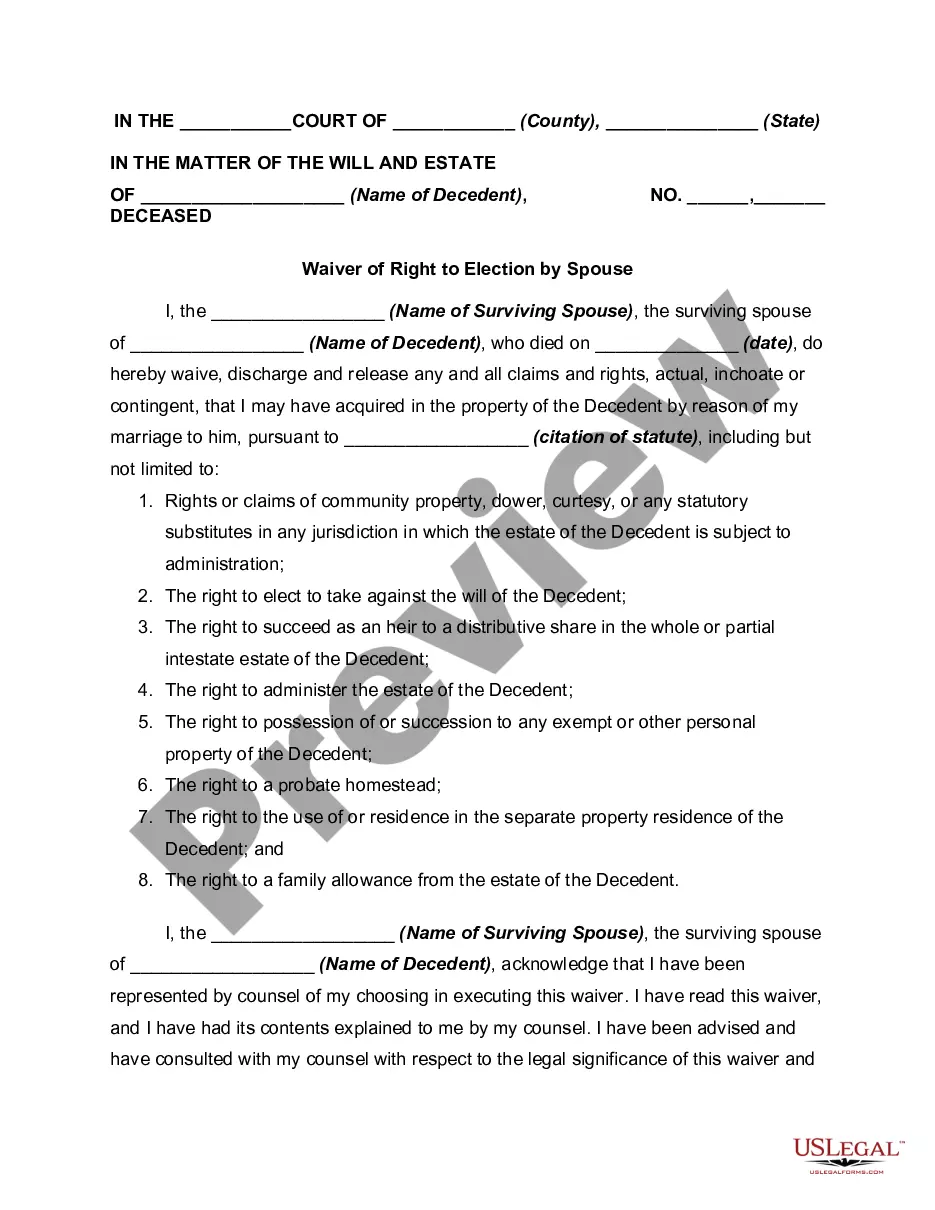









Form popularity
FAQ
A 7-year recovery period continues to apply to used farming machinery and equipment.
As a beginning farmer you will need a federal tax ID number , also known as an Employer Identification Number (EIN). An EIN is used to identify a business entity, hire employees, apply for business licenses, permits, and more. The EIN is necessary for reporting to the IRS. You may apply for an EIN online .
Introduction. Use Schedule F (Form 1040) to report farm income and expenses. File it with Form 1040, 1040-SR, 1040-SS, 1040-NR, 1041, or 1065. Your farming activity may subject you to state and local taxes and other requirements such as business licenses and fees.
The difference between the initial value of the asset and the current value stems from various factors, including wear-and- tear, reduced expected life, and so on. The difference– or the reduction in asset value– is called depreciation.
Beginning in 2018, farming and ranching property, if within the 3-, 5-, 7-, and 10-year recovery periods, is generally depreciated using the 200 percent declining balance method with half-year convention. Farmers may elect, however, to depreciate this property using the 150 percent declining balance method.
The bottom line is if you are constructing a farm building no deduction until it is fully constructed and then you can take 100% bonus depreciation or elect to depreciate over 20 years (which is actually 21 years).
There is no minimum acreage required in order for your property to be considered a farm.
Gross farm income reflects the total value of agricultural output plus Government farm program payments. Net farm income (NFI) reflects income after expenses from production in the calendar year and is calculated by subtracting farm expenses from gross farm income.
