Torts Form With 2 Points In Minnesota
Description




Get your form ready online
Our built-in tools help you complete, sign, share, and store your documents in one place.
Make edits, fill in missing information, and update formatting in US Legal Forms—just like you would in MS Word.
Download a copy, print it, send it by email, or mail it via USPS—whatever works best for your next step.
Sign and collect signatures with our SignNow integration. Send to multiple recipients, set reminders, and more. Go Premium to unlock E-Sign.
If this form requires notarization, complete it online through a secure video call—no need to meet a notary in person or wait for an appointment.
We protect your documents and personal data by following strict security and privacy standards.

Make edits, fill in missing information, and update formatting in US Legal Forms—just like you would in MS Word.

Download a copy, print it, send it by email, or mail it via USPS—whatever works best for your next step.

Sign and collect signatures with our SignNow integration. Send to multiple recipients, set reminders, and more. Go Premium to unlock E-Sign.

If this form requires notarization, complete it online through a secure video call—no need to meet a notary in person or wait for an appointment.

We protect your documents and personal data by following strict security and privacy standards.
Looking for another form?







Form popularity
FAQ
Minnesota's Tort Threshold: $4,000 in reasonable medical expenses: In order to recover non-economic damages, you must have reasonable medical expenses that exceed $4,000 excluding some diagnostic procedures.
Stepping Outside "No Fault" In Minnesota you must have incurred at least $4,000 in reasonable medical expenses because of the accident, and/or. you must have suffered 60 days of disability, permanent injury, or permanent disfigurement because of the accident.
Yes. The Minnesota Tort Claims Act waives sovereign immunity in situations where the State, if a private person, would be held liable to the claimant under the same circumstances.
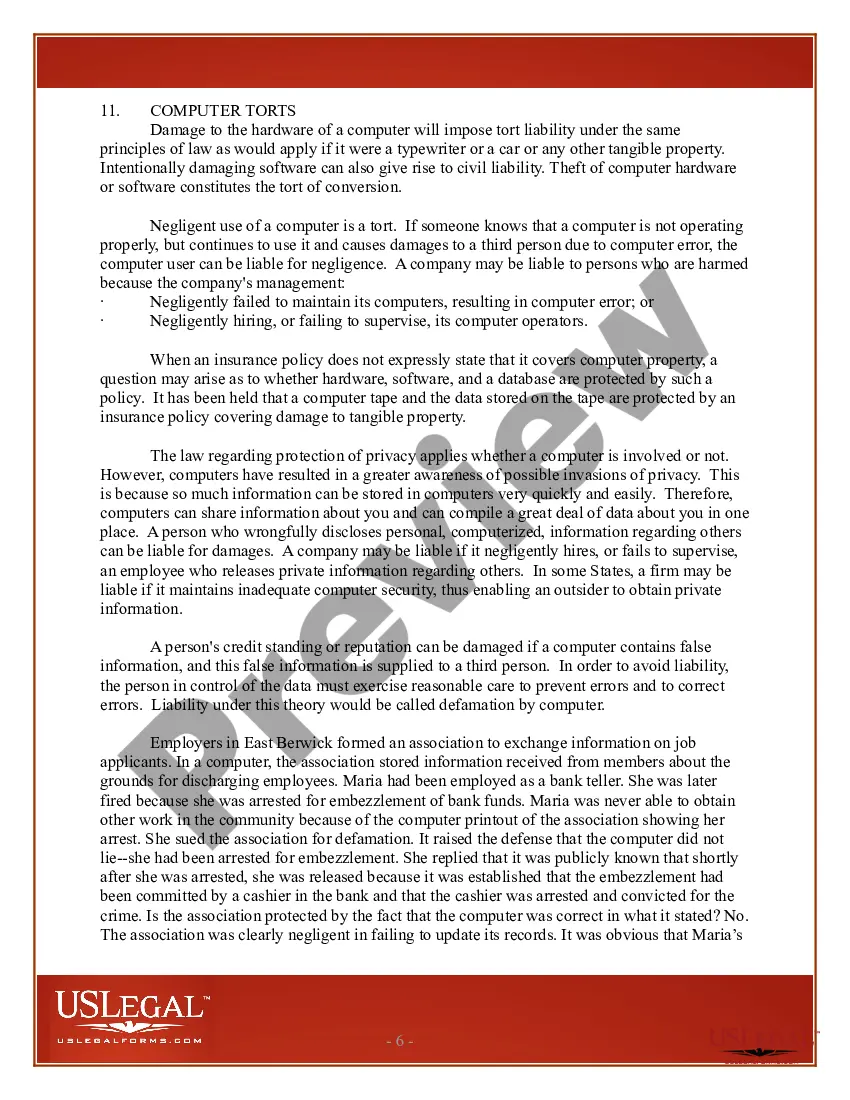
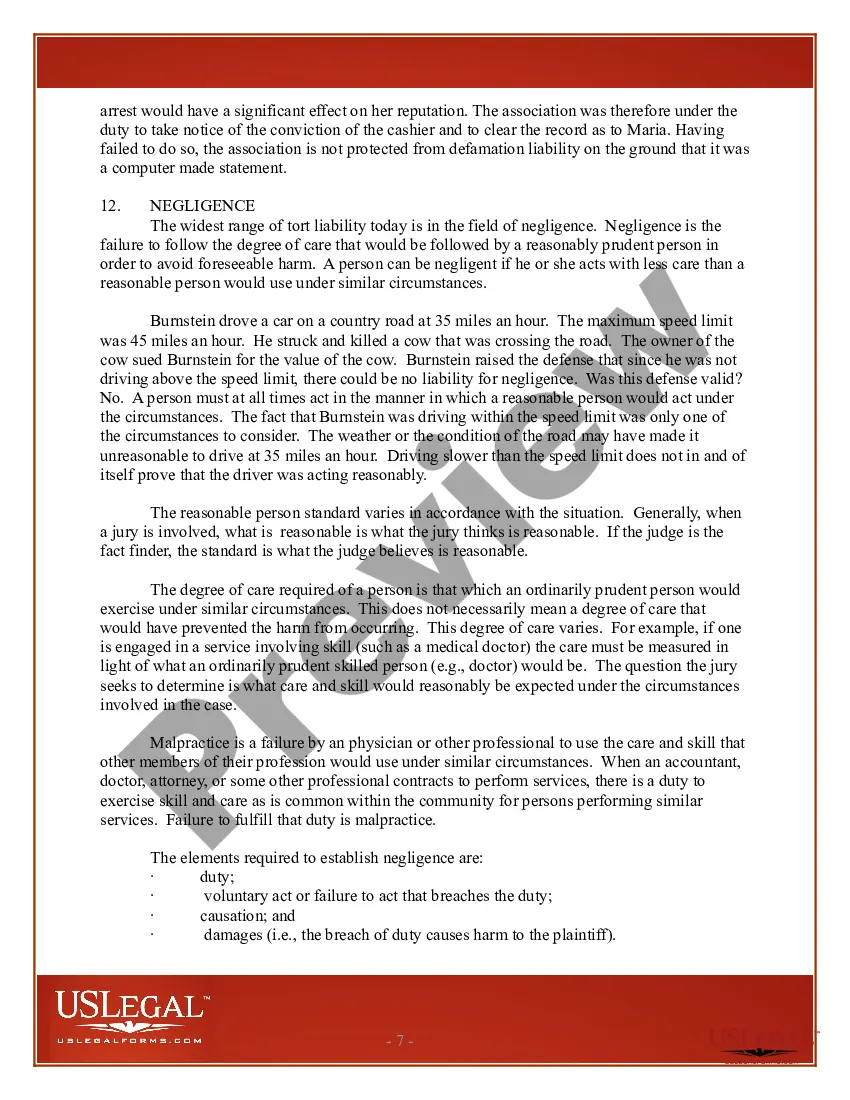
Torts fall into three general categories: Intentional torts (e.g., intentionally hitting a person); Negligent torts (e.g., causing an accident by failing to obey traffic rules); and. Strict liability torts (e.g., liability for making and selling defective products - see Products Liability).
Exam Type: Short Format Takehome. This course concerns the legal protection afforded in civil proceedings against interference by others with security of one's person, property or intangible interests.
Submit a Tort Claim to MnDOT Step One: Verify that your damage, loss, or injury occurred on a state highway or in MnDOT's right-of-way. Step Two: Complete and submit the tort claim form and supporting materials. Step Three: MnDOT will investigate and respond to your claim.
In auto no-fault insurance, tort threshold measures of the minimum injury severity that, once reached, allows the insured to sue for noneconomic damages.
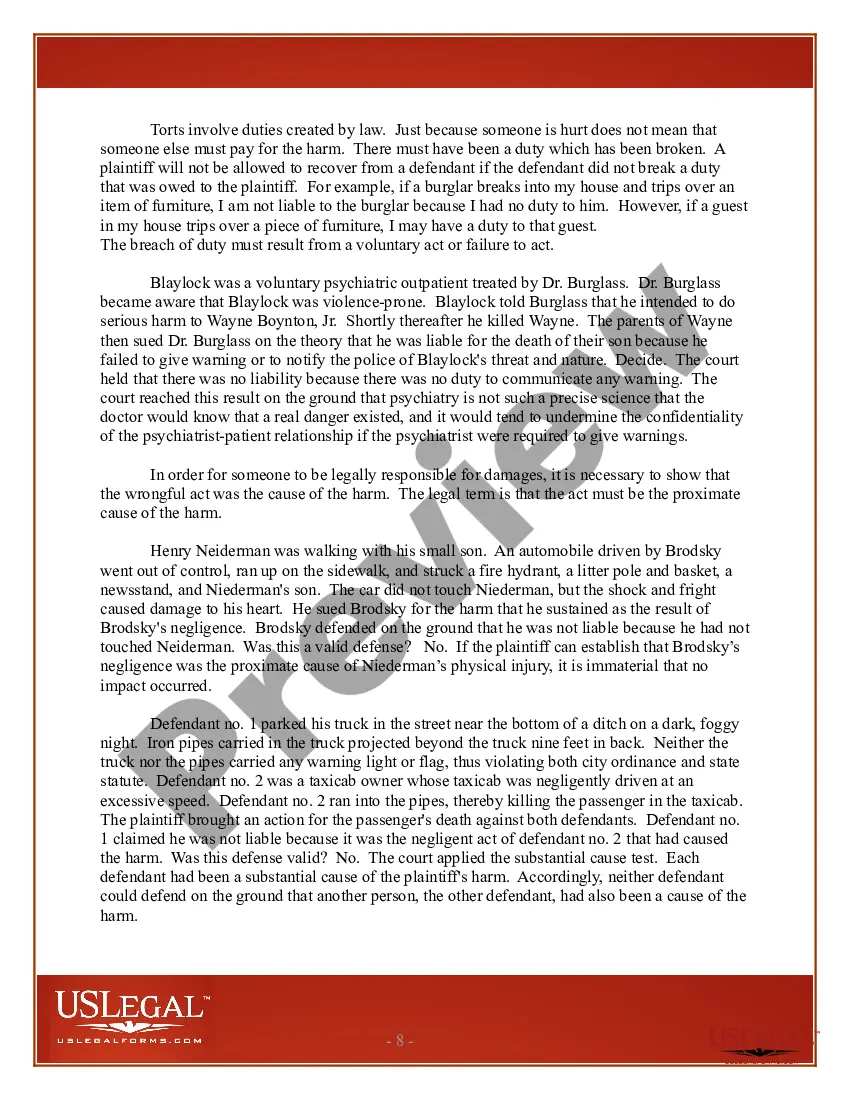
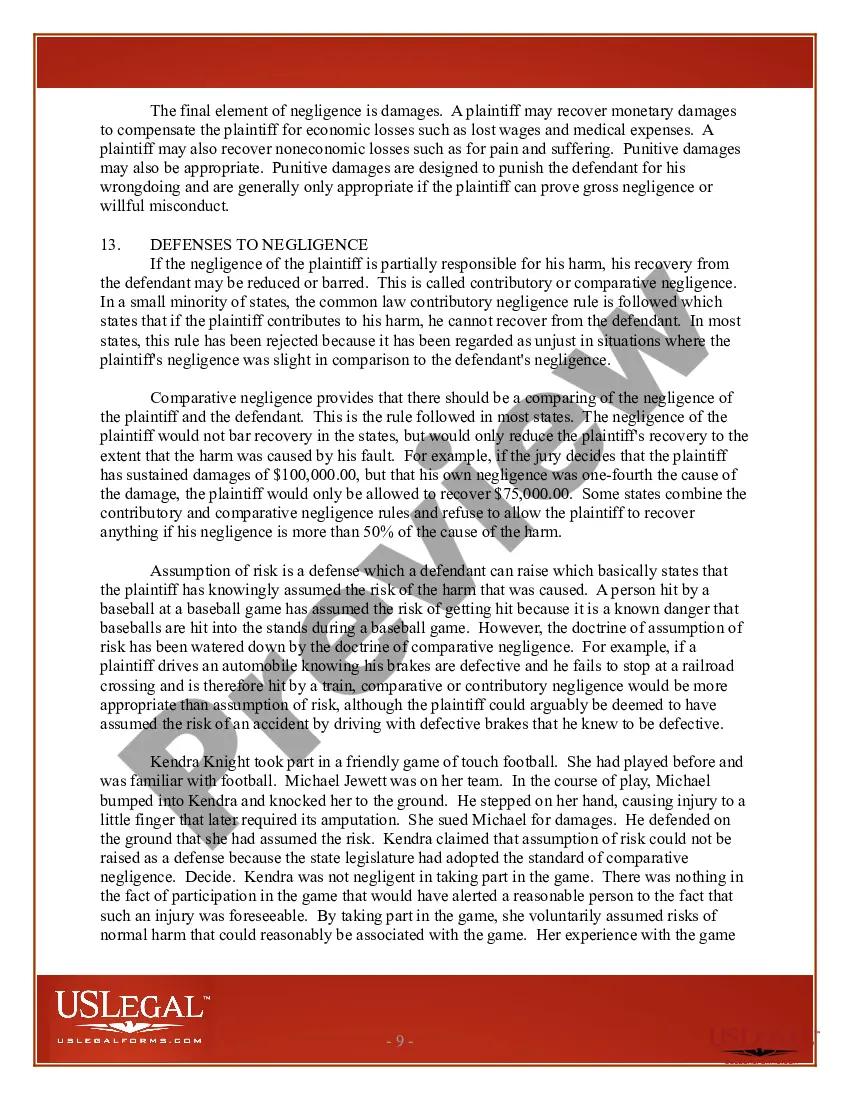
The plaintiff will be barred from recovering damages if the jury finds that the contributory fault of the plaintiff is more than 50 percent of the proximate cause of the injury. Otherwise, any economic or non-economic damages allowed will be reduced in proportion to the amount of fault attributable to the plaintiff.
There are numerous specific torts including trespass, assault, battery, negligence, products liability, and intentional infliction of emotional distress. There are also separate areas of tort law including nuisance, defamation, invasion of privacy, and a category of economic torts.