Tort Negligence Liability For Mental Harm In Fulton
Description





Get your form ready online
Our built-in tools help you complete, sign, share, and store your documents in one place.
Make edits, fill in missing information, and update formatting in US Legal Forms—just like you would in MS Word.
Download a copy, print it, send it by email, or mail it via USPS—whatever works best for your next step.
Sign and collect signatures with our SignNow integration. Send to multiple recipients, set reminders, and more. Go Premium to unlock E-Sign.
If this form requires notarization, complete it online through a secure video call—no need to meet a notary in person or wait for an appointment.
We protect your documents and personal data by following strict security and privacy standards.

Make edits, fill in missing information, and update formatting in US Legal Forms—just like you would in MS Word.

Download a copy, print it, send it by email, or mail it via USPS—whatever works best for your next step.

Sign and collect signatures with our SignNow integration. Send to multiple recipients, set reminders, and more. Go Premium to unlock E-Sign.

If this form requires notarization, complete it online through a secure video call—no need to meet a notary in person or wait for an appointment.

We protect your documents and personal data by following strict security and privacy standards.
Looking for another form?








Form popularity
FAQ
To file a claim, complete these steps: Complete Standard Form 95. Explain in detail what happened, using additional pages if necessary. Attach all documents that support your claim, which may include the following. Submit the completed Standard Form 95 and supporting documents to the OPM Office of the General Counsel.
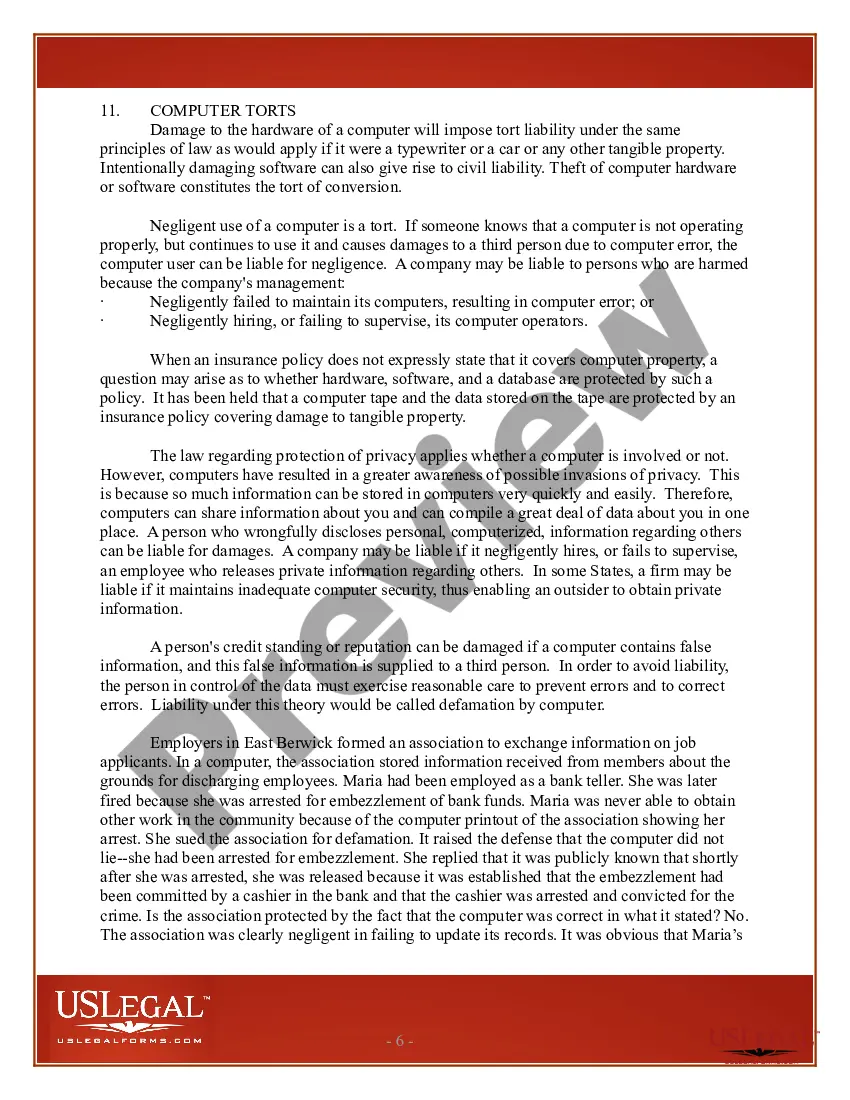
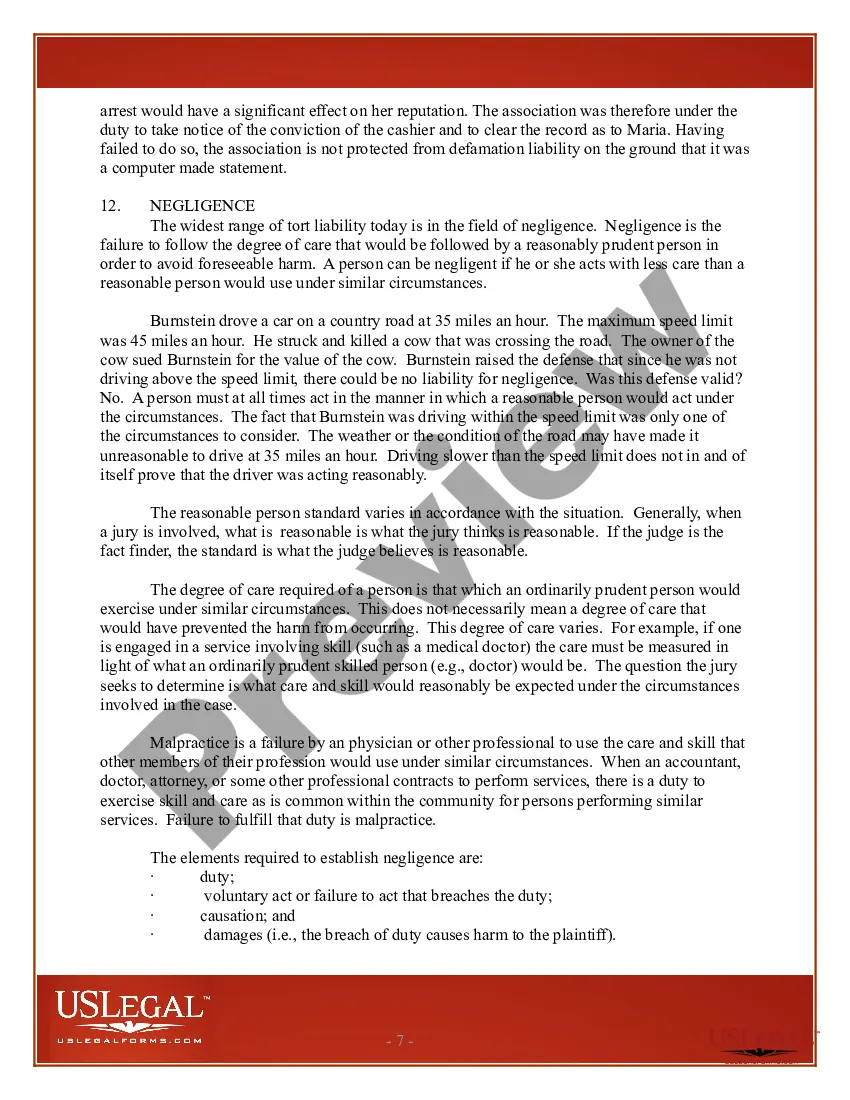
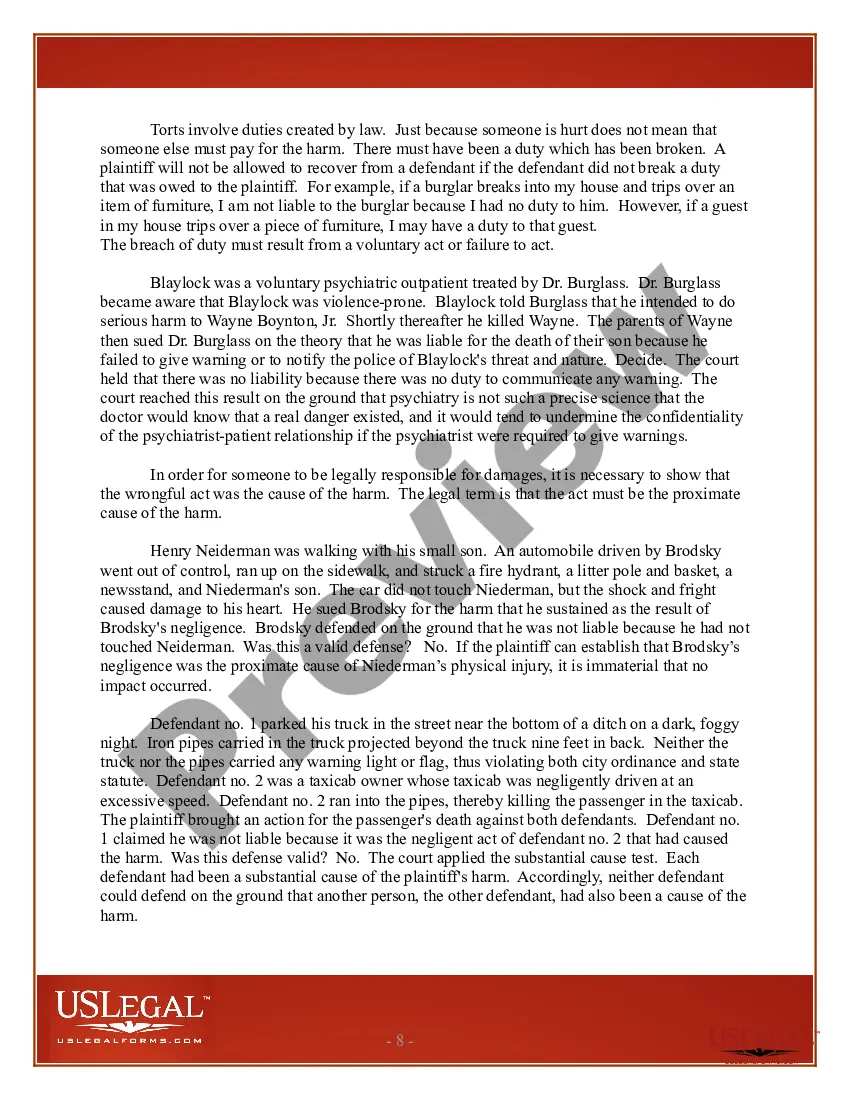
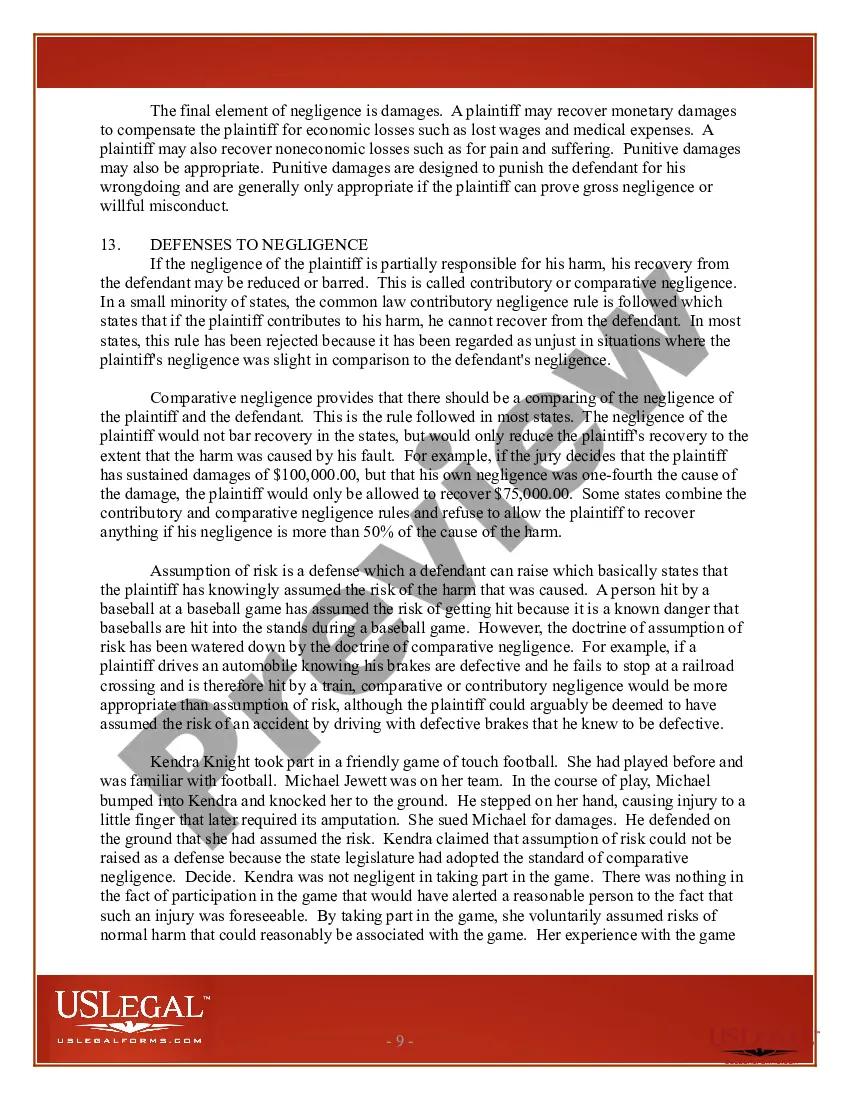
Thankfully, in order to prove negligence and claim damages, a claimant has to prove a number of elements to the court. These are: the defendant owed them a duty of care. the defendant breached that duty of care, and.
While we usually associate tort claims with harms to people or to property, the law also recognizes emotional or psychological harm as a distinct form of injury. This recognition was a result of a historical development, as society increasingly understood the severity and the long-lasting consequences of mental injury.
Two-year statute of limitations to present FTCA claim Under the FTCA, a “tort claim” against the federal government must be presented to the “appropriate federal agency” within two years after accrual of the cause of action. (28 U.S.C. § 2401(b); see Wong v.
Within 90 days from the day you receive the agency's decision on your complaint, so long as no appeal has been filed.
Ing to the FTCA, you must file a claim with the appropriate federal agency within two (2) years from the date of the wrong. Even if you do not know the full extent of your injuries or damages when the misconduct occurs, the two-year deadline still applies.
28 U.S.C. § 2678. Unlike the Tort Claims Acts of many states, the FTCA does not contain a damages cap. The amount recoverable is unlimited, other than limitations a private party would be limited under the relevant state law.
A tort claim must be received by the proper Agency within two years of the date the claim accrued.
Provide as much detail as possible. Provide all related supportive documentation: Include all receipts, two appraisals or repair estimates, proof of ownership (if property damage is claimed), photographs, and medical documents or records, as well as police, incident or witness reports (if applicable).
Identifying the Four Tort Elements The accused had a duty, in most personal injury cases, to act in a way that did not cause you to become injured. The accused committed a breach of that duty. An injury occurred to you. The breach of duty was the proximate cause of your injury.
