State Bar Association In California In Pima
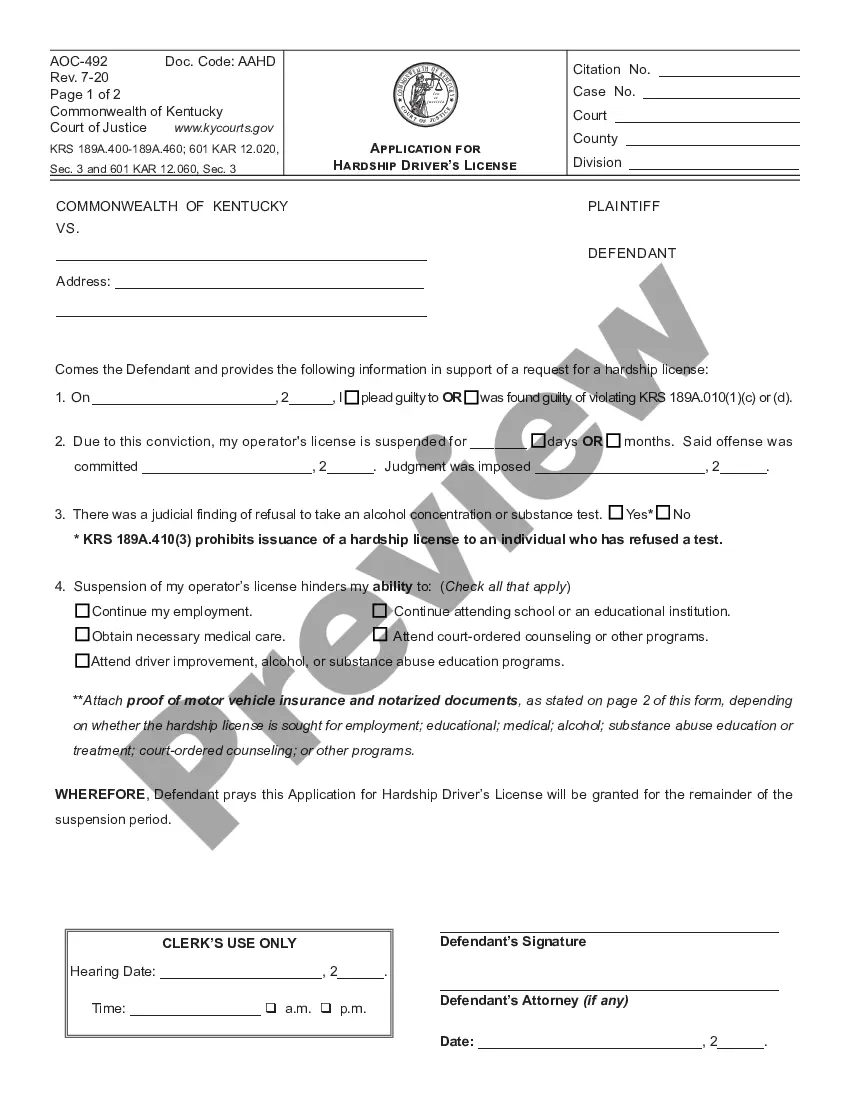
Description
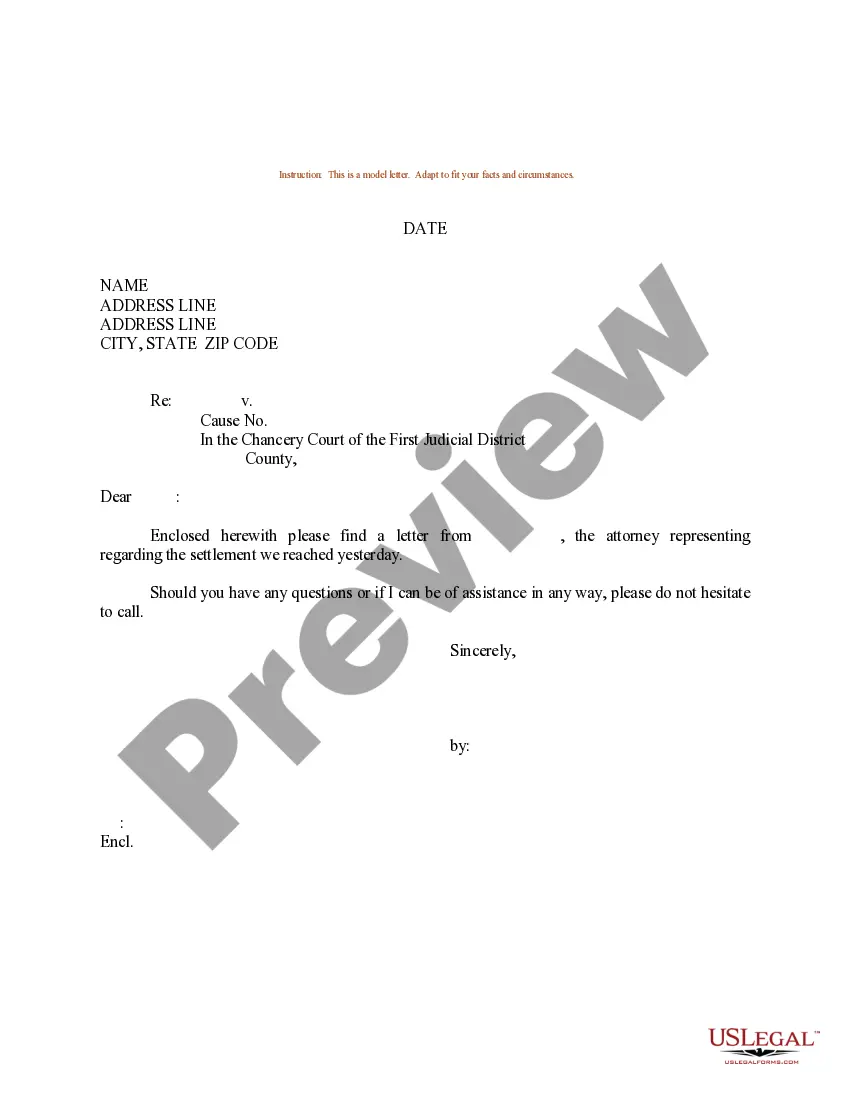
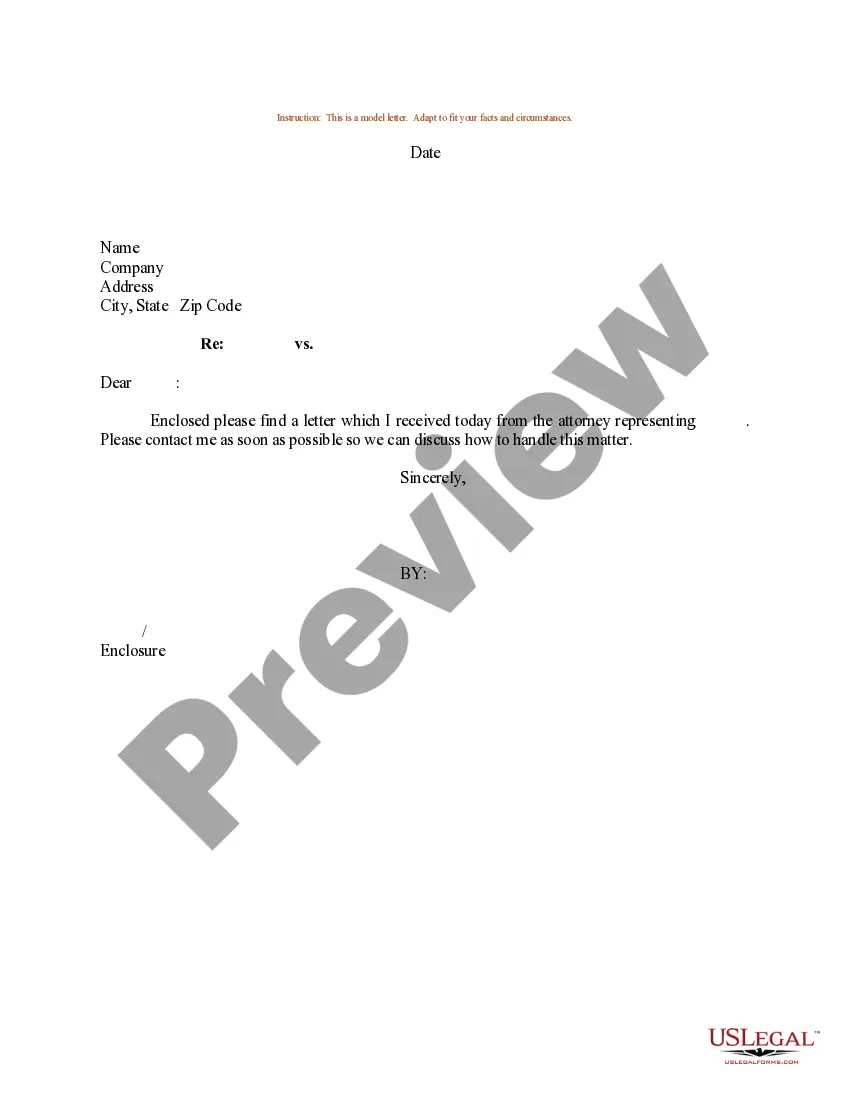
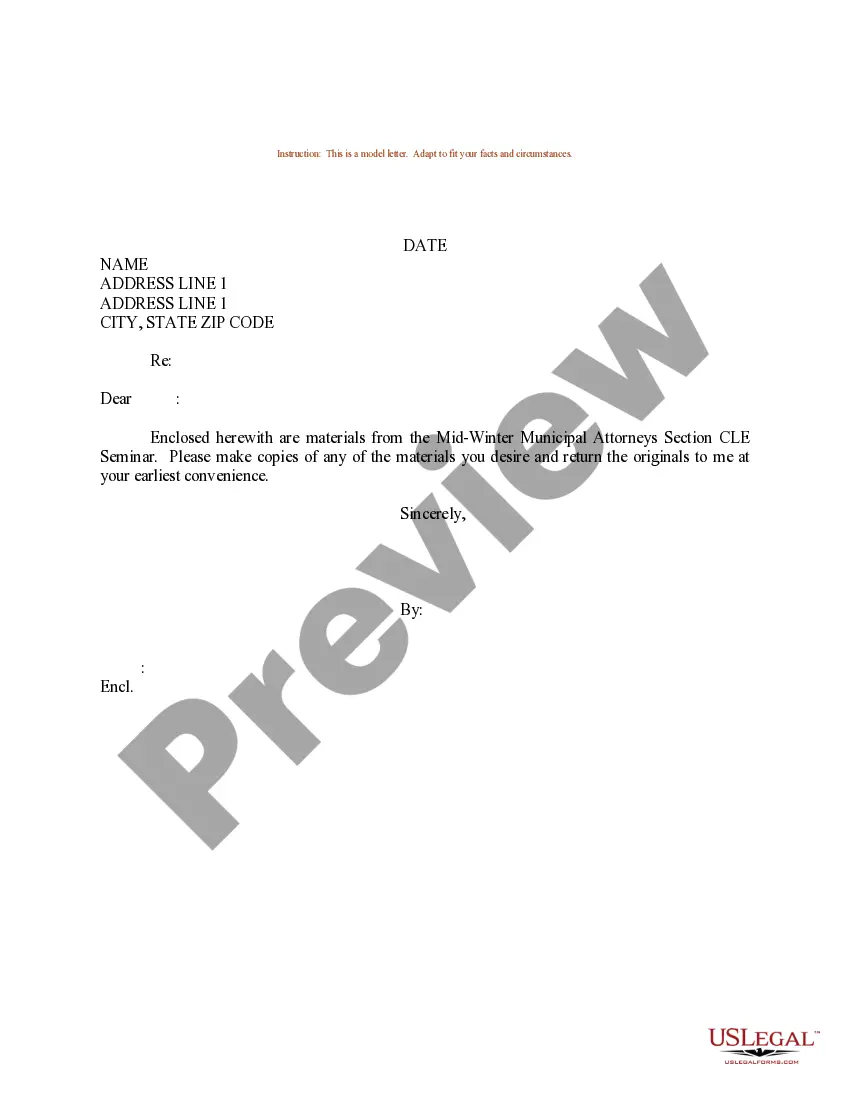
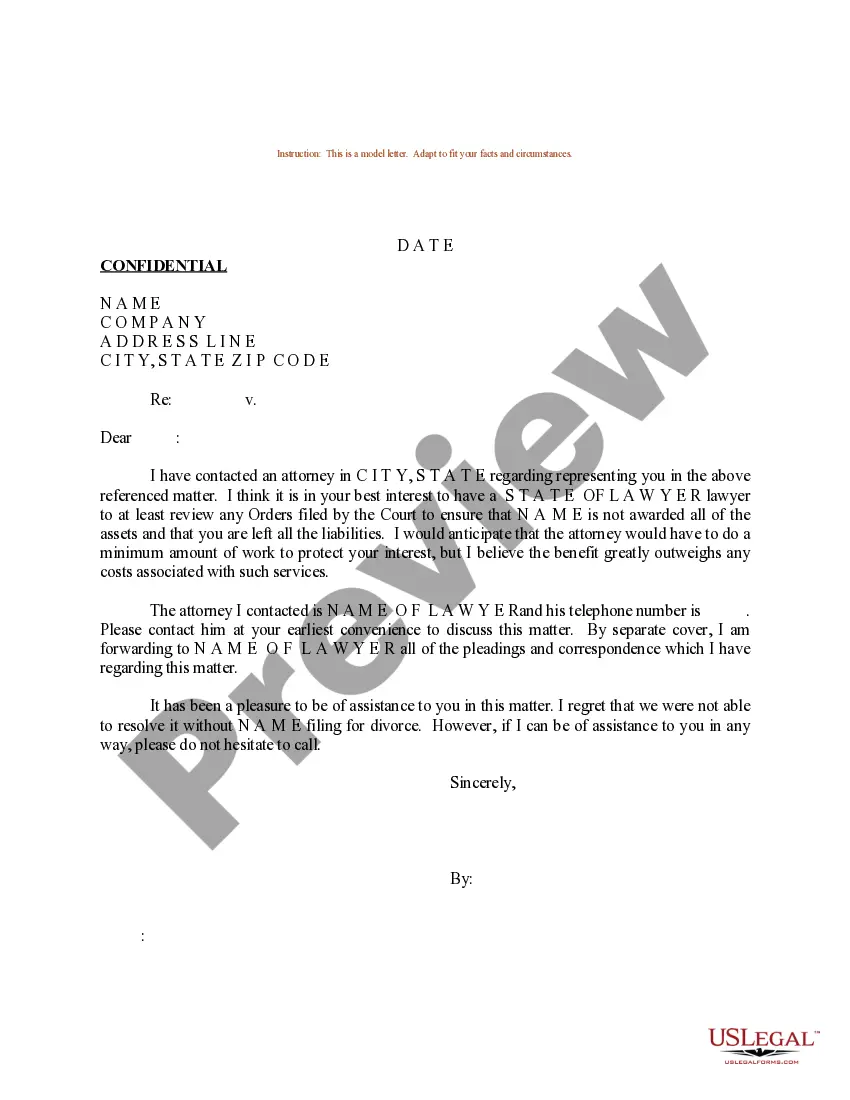
Get your form ready online
Our built-in tools help you complete, sign, share, and store your documents in one place.
Make edits, fill in missing information, and update formatting in US Legal Forms—just like you would in MS Word.
Download a copy, print it, send it by email, or mail it via USPS—whatever works best for your next step.
Sign and collect signatures with our SignNow integration. Send to multiple recipients, set reminders, and more. Go Premium to unlock E-Sign.
If this form requires notarization, complete it online through a secure video call—no need to meet a notary in person or wait for an appointment.
We protect your documents and personal data by following strict security and privacy standards.

Make edits, fill in missing information, and update formatting in US Legal Forms—just like you would in MS Word.

Download a copy, print it, send it by email, or mail it via USPS—whatever works best for your next step.

Sign and collect signatures with our SignNow integration. Send to multiple recipients, set reminders, and more. Go Premium to unlock E-Sign.

If this form requires notarization, complete it online through a secure video call—no need to meet a notary in person or wait for an appointment.

We protect your documents and personal data by following strict security and privacy standards.
Looking for another form?






Form popularity
FAQ
California Reciprocity California doesn't offer reciprocity but offers a shorter bar exam for attorneys who are admitted in other states and who have been in good standing as an attorney in those states for at least four years prior to their application.
Applicants who are already licensed to practice law in another state or jurisdiction must register as an attorney applicant, complete a positive moral character determination and pass the Multistate Professional Responsibility Examination as well as the California Bar Examination.
Lawyers are allowed to provide services in another state if they will not be going to courts, such as arbitration and mediation. Out-of-state lawyers can also represent clients in another state if they will be working with a local lawyer. This is allowed under the “pro hac vice” process.
California was one of the first states to unify its bar (1927). A unified, or integrated bar, means simply that membership is mandatory for all attorneys who are licensed to practice law in the state.
How Long Does The Moral Character Determination Process Take? In California, the process of determining someone's moral character normally takes six to nine months. But there are a number of variables that could affect the timing. The application procedure might go more rapidly if the applicant has a clear background.
A California-licensed attorney may be granted temporary permission to practice law in another state for a specific case through pro hac vice admission. Be careful, however, pro hac vice practice has its limitations.
There is no reciprocity between Florida and any other jurisdiction. Submission to the Florida Bar Examination and completion of a character and fitness investigation is required of all applicants.
What states have reciprocity with California? Arizona. Colorado. Delaware. Hawaii. Louisiana. Maine. Maryland. Massachusetts.
California Reciprocity California doesn't offer reciprocity but offers a shorter bar exam for attorneys who are admitted in other states and who have been in good standing as an attorney in those states for at least four years prior to their application.

