Aoa Forms Rental Agreement With Insurance In Harris
Description


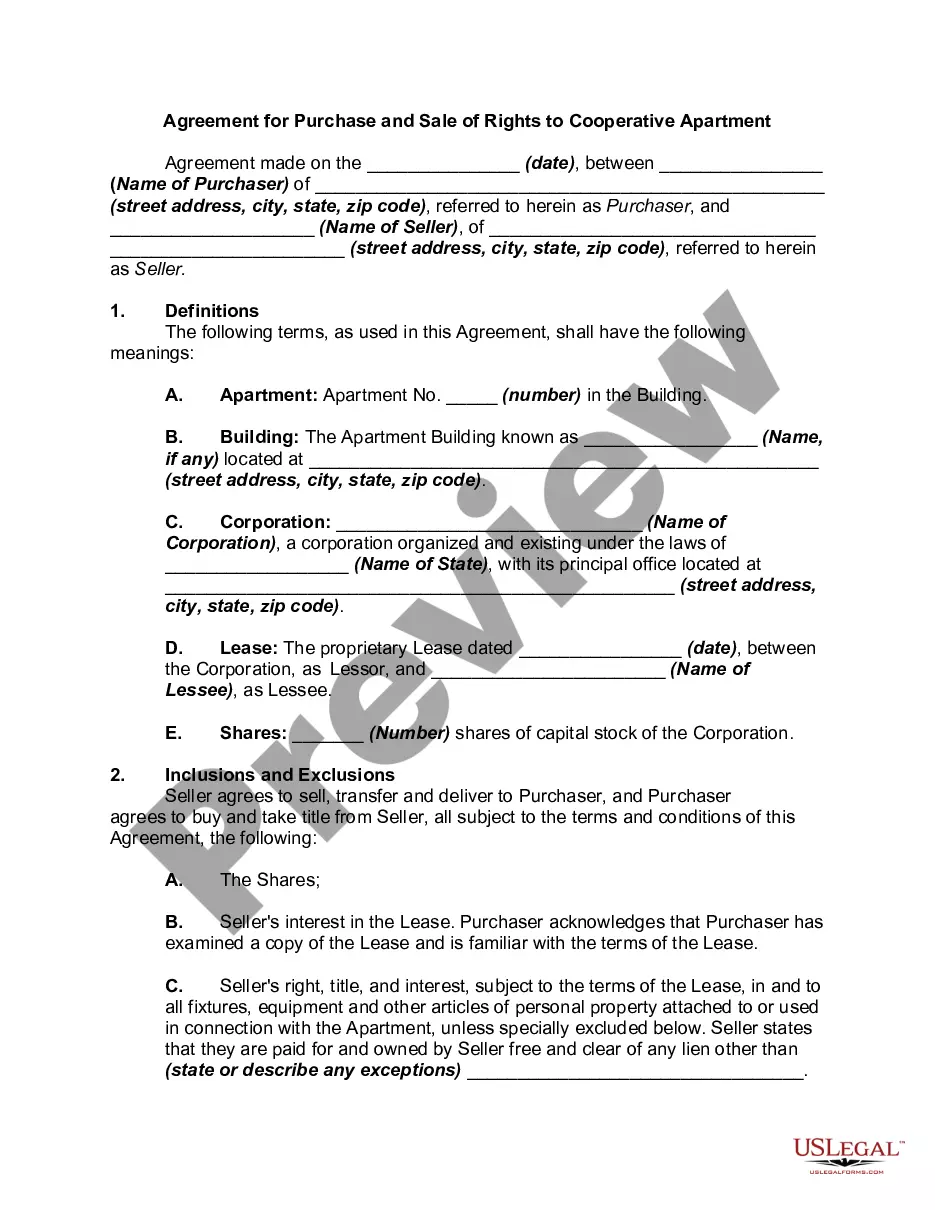
Get your form ready online
Our built-in tools help you complete, sign, share, and store your documents in one place.
Make edits, fill in missing information, and update formatting in US Legal Forms—just like you would in MS Word.
Download a copy, print it, send it by email, or mail it via USPS—whatever works best for your next step.
Sign and collect signatures with our SignNow integration. Send to multiple recipients, set reminders, and more. Go Premium to unlock E-Sign.
If this form requires notarization, complete it online through a secure video call—no need to meet a notary in person or wait for an appointment.
We protect your documents and personal data by following strict security and privacy standards.

Make edits, fill in missing information, and update formatting in US Legal Forms—just like you would in MS Word.

Download a copy, print it, send it by email, or mail it via USPS—whatever works best for your next step.

Sign and collect signatures with our SignNow integration. Send to multiple recipients, set reminders, and more. Go Premium to unlock E-Sign.

If this form requires notarization, complete it online through a secure video call—no need to meet a notary in person or wait for an appointment.

We protect your documents and personal data by following strict security and privacy standards.
Looking for another form?




Form popularity
FAQ
It is possible to draft your own lease agreement, but you are leaving yourself open to issues.
A change of terms would require the approval of both parties (landlord and tenant). Some leases do contain a clause allowing the landlord to change the terms, but these are usually not true leases. If your agreement has a similar clause than either party may change the terms by giving notice.
Here's a list of standard fields that you should include in your lease agreement: Tenant information. Include each tenant's full name and contact information. Rental property description. Security deposit. Monthly rent amount. Utilities. Lease term. Policies. Late fees.
Here's a list of standard fields that you should include in your lease agreement: Tenant information. Include each tenant's full name and contact information. Rental property description. Security deposit. Monthly rent amount. Utilities. Lease term. Policies. Late fees.
When creating a one-page lease agreement, include sections covering the following: Involved parties. Property details. Lease terms, such as length, type, monthly rent, deposit. Conditions of property use. Details about utilities. Included furnishings. Repair and damages policy. Termination conditions.
It is possible to draft your own lease agreement, but you are leaving yourself open to issues.
Who keeps the original rental agreement? The landlord of the property keeps the original copy of the rental agreement. However, the tenant will have the xerox of the rental agreement copy as it helps the tenant to go through the agreement terms in case of disputes.
An experienced attorney who has a detailed understanding of real estate law will help to ensure that the landlord's assets are protected to the full extent of the law and ensure that they have full recourse if the tenant is found to renege on their side of the contract by not paying rent on time or conducting illegal ...
A deposit use clause is a section of the tenancy agreement that explains how the deposit can be used. It outlines the circumstances under which the deposit can be kept, such as rent arrears, damages to the property, or other expenses related to the tenant's breach of the agreement.
