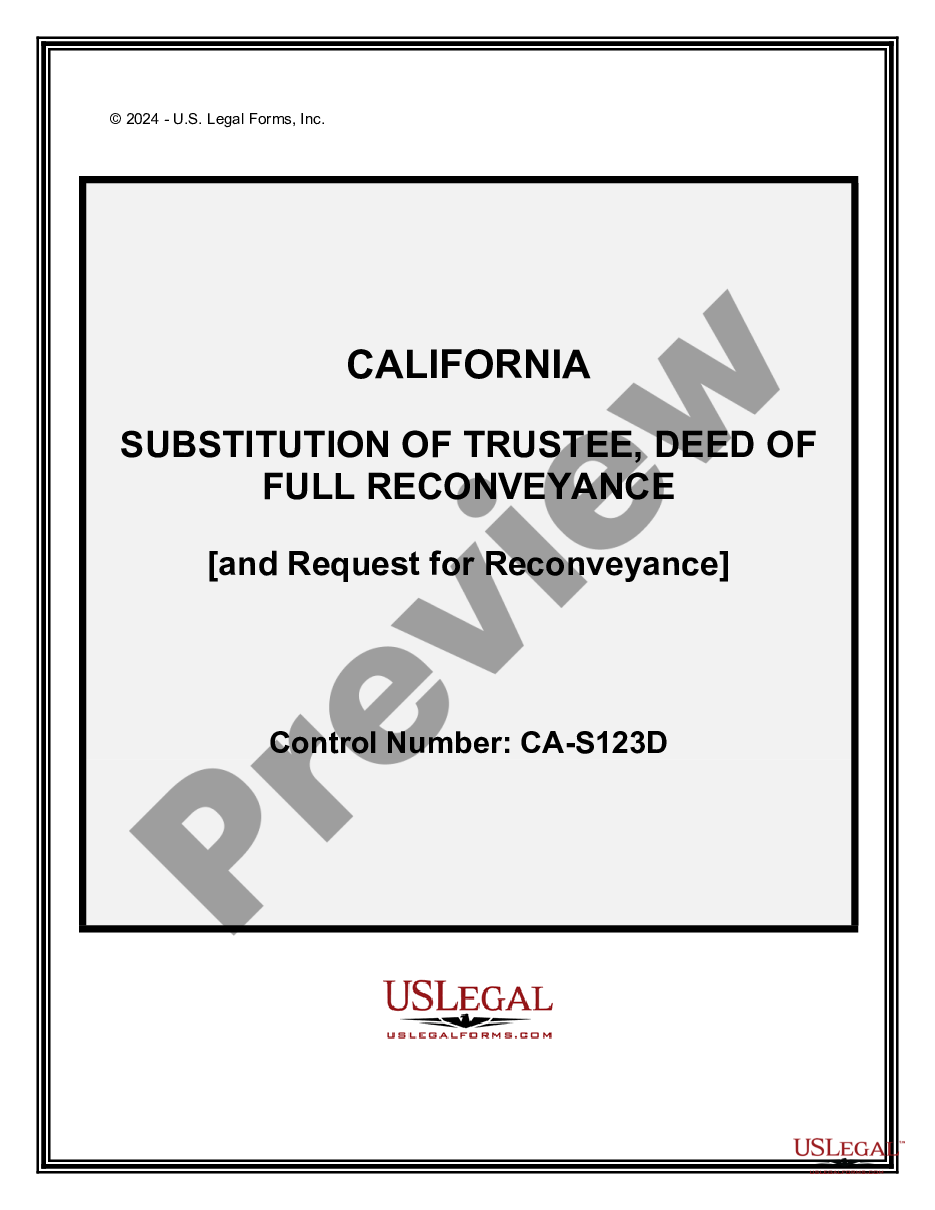
Acknowledgement Sample In Research In Phoenix
Description



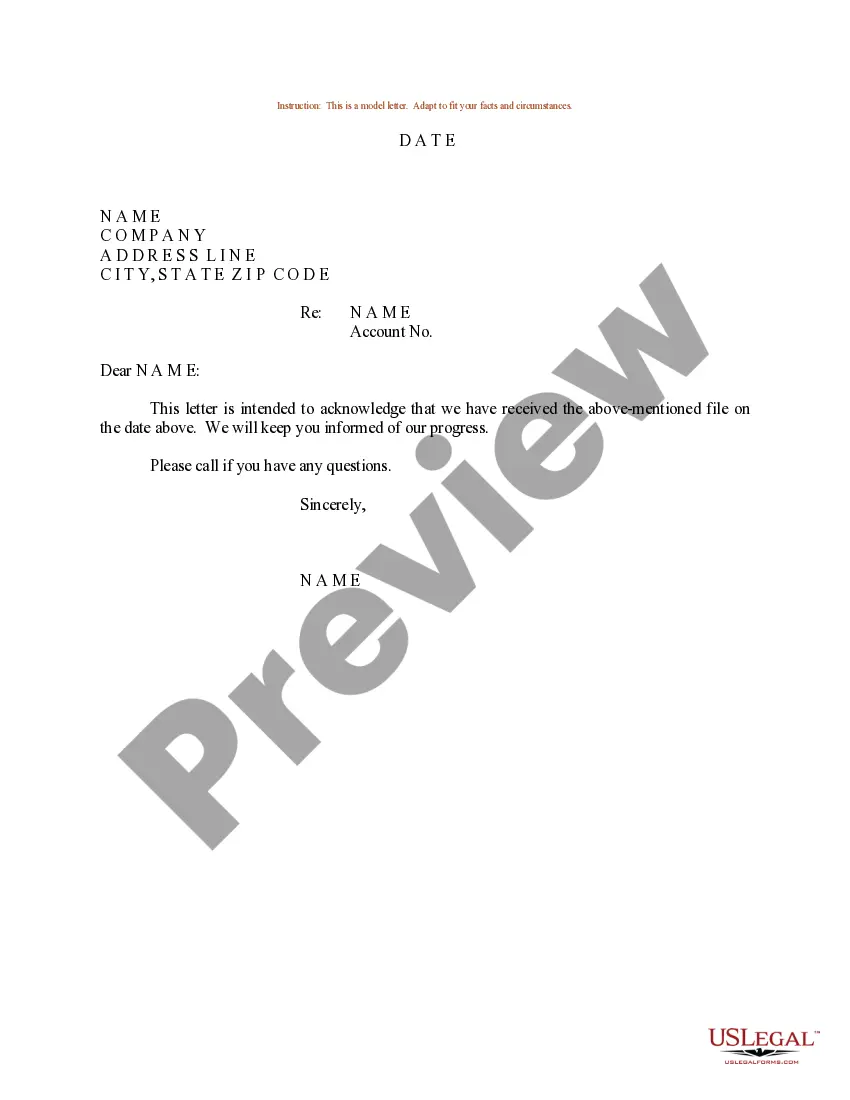
Get your form ready online
Our built-in tools help you complete, sign, share, and store your documents in one place.
Make edits, fill in missing information, and update formatting in US Legal Forms—just like you would in MS Word.
Download a copy, print it, send it by email, or mail it via USPS—whatever works best for your next step.
Sign and collect signatures with our SignNow integration. Send to multiple recipients, set reminders, and more. Go Premium to unlock E-Sign.
If this form requires notarization, complete it online through a secure video call—no need to meet a notary in person or wait for an appointment.
We protect your documents and personal data by following strict security and privacy standards.

Make edits, fill in missing information, and update formatting in US Legal Forms—just like you would in MS Word.

Download a copy, print it, send it by email, or mail it via USPS—whatever works best for your next step.

Sign and collect signatures with our SignNow integration. Send to multiple recipients, set reminders, and more. Go Premium to unlock E-Sign.

If this form requires notarization, complete it online through a secure video call—no need to meet a notary in person or wait for an appointment.

We protect your documents and personal data by following strict security and privacy standards.
Looking for another form?







Form popularity
FAQ
This usually follows the Discussion and Conclusions sections. Its purpose is to thank all of the people who helped with the research but did not qualify for authorship (check the target journal's Instructions for Authors for authorship guidelines).
The acknowledgements are generally included at the very beginning of your thesis, directly after the title page and before the abstract.
Broadly, you should acknowledge those who helped you by going beyond their normal call of duty, especially those whose help proved crucial to your work or who provided expertise that you lacked. Such people may include some of your peers, your mentors (research supervisors or guides), and even your students.
Acknowledgment holds significant importance in research as it acknowledges and provides credit to individuals or organizations who have contributed to the research project. It expresses gratitude for their guidance, support, and assistance during the research process.
Use declarations or acknowledgments to both communicate and confirm that a person understands their obligations and the consequences for non-compliance. The declaration could be written or verbal, and should encourage compliance and deter fraud.
The purpose of an acknowledgment is for a signer, whose identity has been verified, to declare to a Notary or notarial officer that he or she has willingly signed a document.
The Acknowledgements appear after the main text (Discussion, or Conclusions) and before the Reference List. 3Who should appear on this list? People who helped you in significant ways to complete the work reported in the article.
Do: Write in first-person, professional language. Thank your professional contacts first. Include full names, titles, and roles of professional acknowledgements. Include personal or intangible supporters, like friends, family, or even pets. Mention funding bodies and what they funded.
