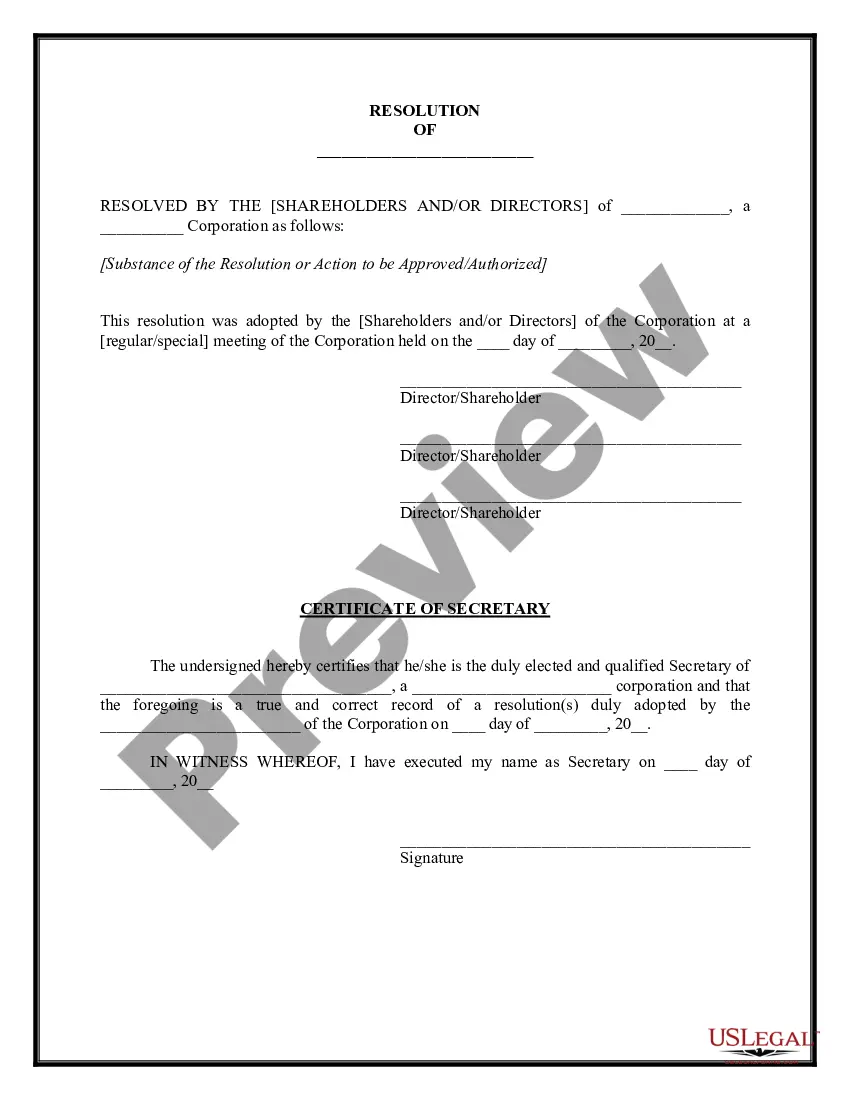
Partnering Angel Investor For Business In Travis
Description

Get your form ready online
Our built-in tools help you complete, sign, share, and store your documents in one place.
Make edits, fill in missing information, and update formatting in US Legal Forms—just like you would in MS Word.
Download a copy, print it, send it by email, or mail it via USPS—whatever works best for your next step.
Sign and collect signatures with our SignNow integration. Send to multiple recipients, set reminders, and more. Go Premium to unlock E-Sign.
If this form requires notarization, complete it online through a secure video call—no need to meet a notary in person or wait for an appointment.
We protect your documents and personal data by following strict security and privacy standards.

Make edits, fill in missing information, and update formatting in US Legal Forms—just like you would in MS Word.

Download a copy, print it, send it by email, or mail it via USPS—whatever works best for your next step.

Sign and collect signatures with our SignNow integration. Send to multiple recipients, set reminders, and more. Go Premium to unlock E-Sign.

If this form requires notarization, complete it online through a secure video call—no need to meet a notary in person or wait for an appointment.

We protect your documents and personal data by following strict security and privacy standards.
Looking for another form?






Form popularity
FAQ
Some angel investors choose to invest through LLCs rather than as individuals. Generally, passively investing through an LLC rather than as an individual offers no tax advantages.
There are a few ways to find an investor or business partner. You can start by networking with people in your industry or attending events such as startup conferences and pitch competitions. You can also use online platforms such as AngelList, Fundable, and Crowdfunder to connect with potential investors.
What percentage do angel investors take? The percentage of ownership that angel investors typically take in a company can vary, but typically it is between 10-20%.
Generally, angel investors aim for a return of 20% to 30% per year on their investments. This target reflects the high risk associated with investing in early-stage startups, many of which may fail.
A lot of advisors would argue that for those starting out, the general guiding principle is that you should think about giving away somewhere between 10-20% of equity.
Several variables, including the type of investment, the level of risk, and the expected return, will affect what constitutes a fair percentage for an investor. For angel investors, the typical standard is to provide between 20-25% of your company's profits.
How to find angel investors Get involved with angel groups and angel investment networks. Attract interest to your business on social media. Attend networking events. Compete in startup events and pitch competitions. Talk with fellow founders. Engage with an incubator or accelerator. Participate in local startup ecosystems.
While there are a number of ways an investment can be structured, deals you come across will commonly be one of three structures: Convertible Notes. Convertible notes (also known as convertible debt), are a form of debt that convert to equity once a company raises a further round of financing. SAFEs. Priced Rounds.
Mention why you believe the investor would be interested in your business (eg, shared interests, past investments). Whenever possible, ask for a warm introduction from mutual connections. This increases your credibility. Keep it concise (15-20 minutes) and focus on the most compelling aspects of your business.