Angel Term Form For Individual In Fulton
Description

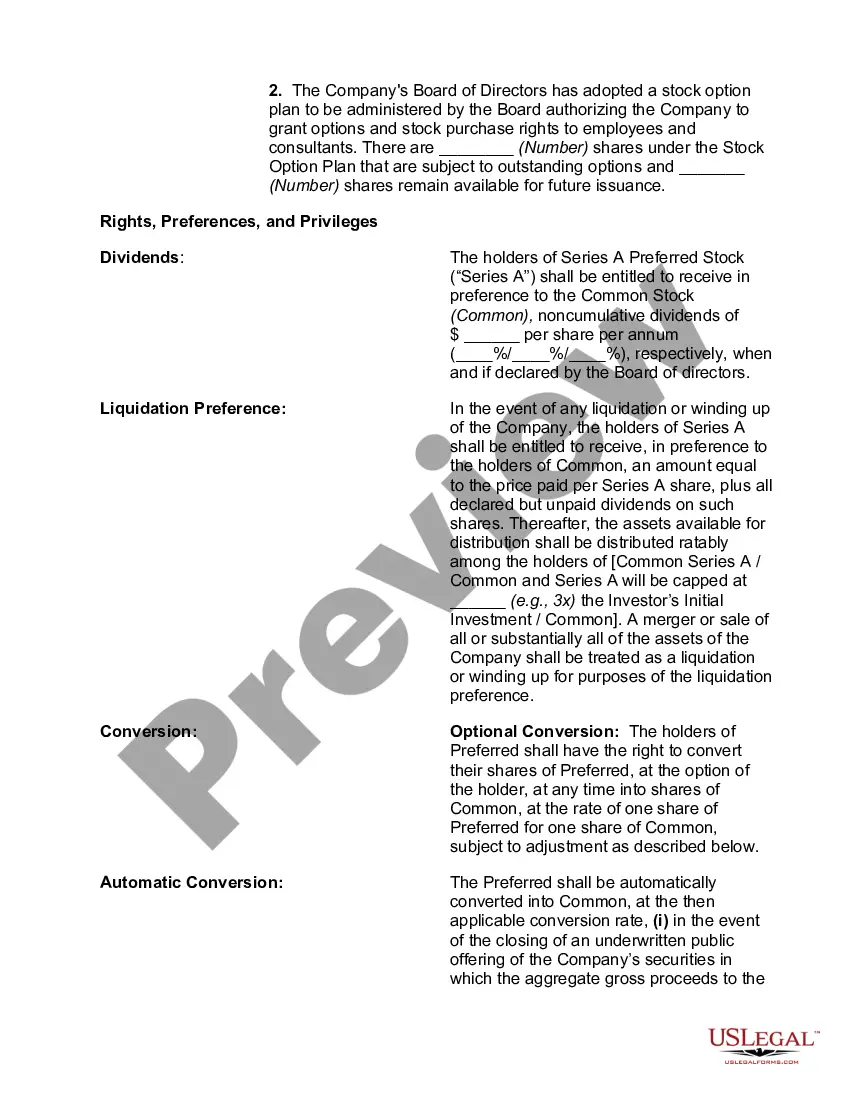
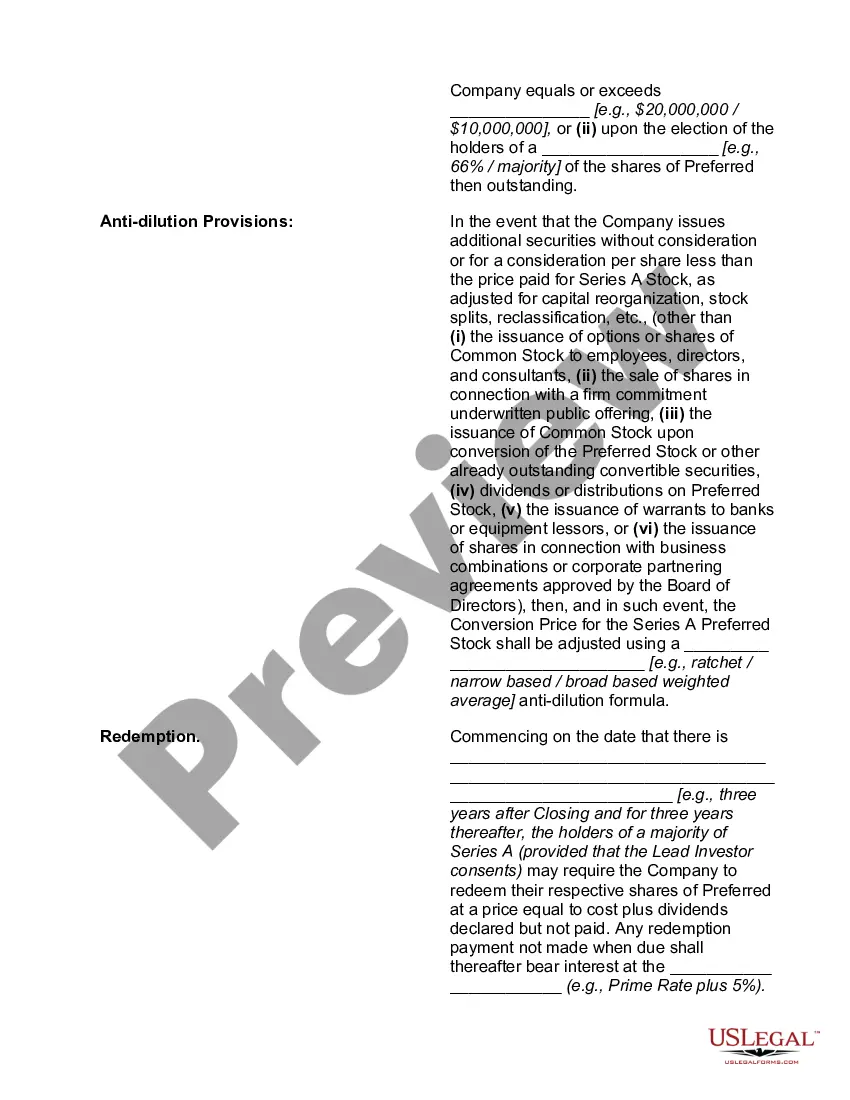
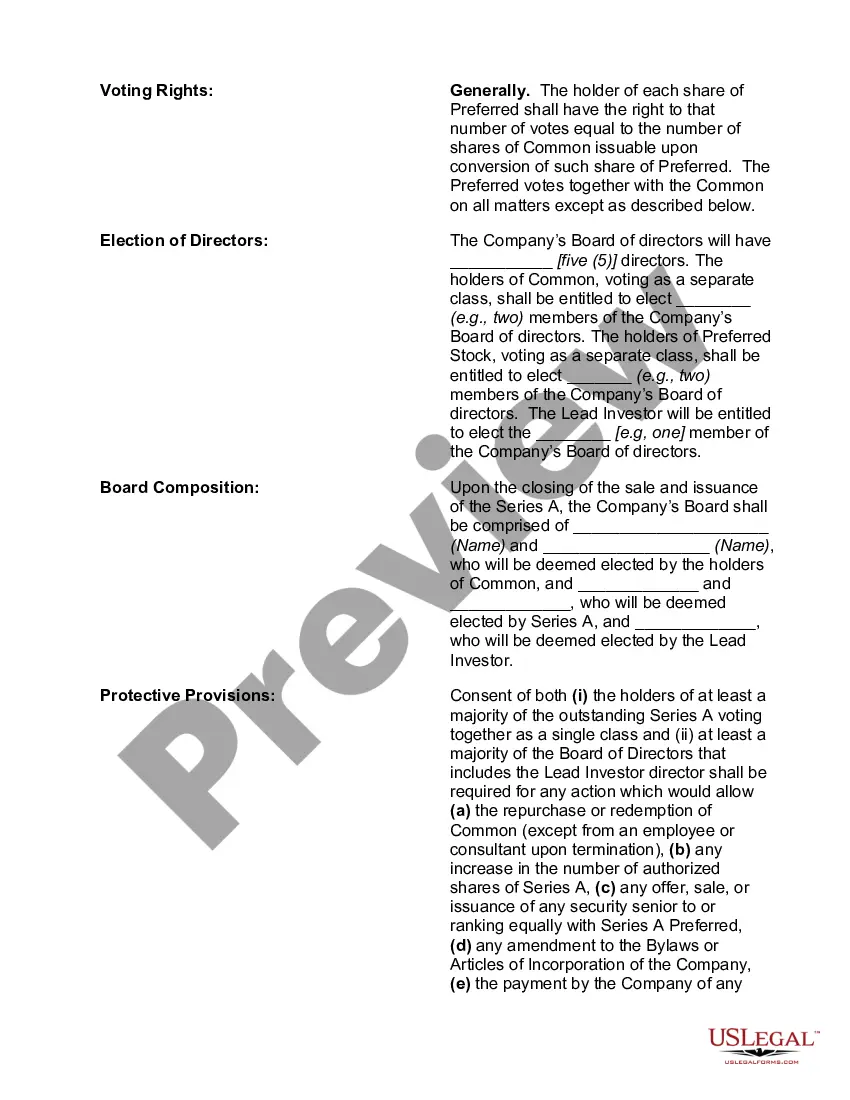
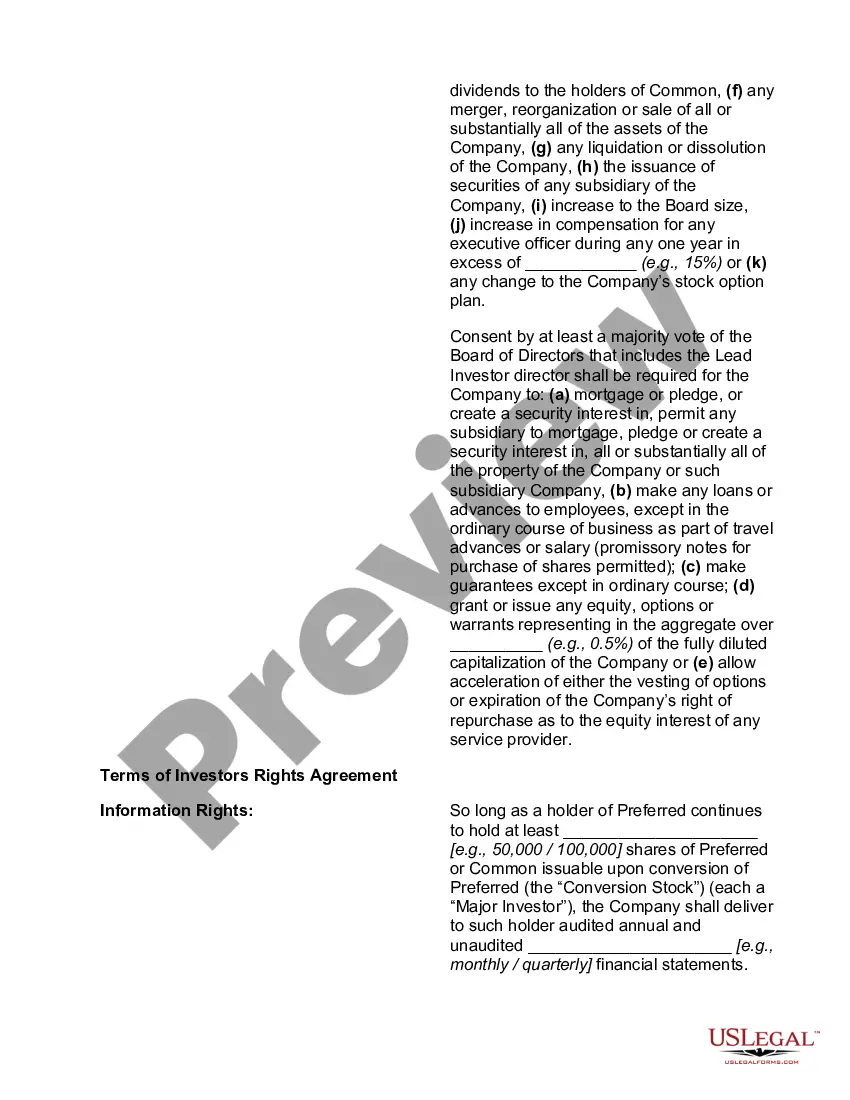
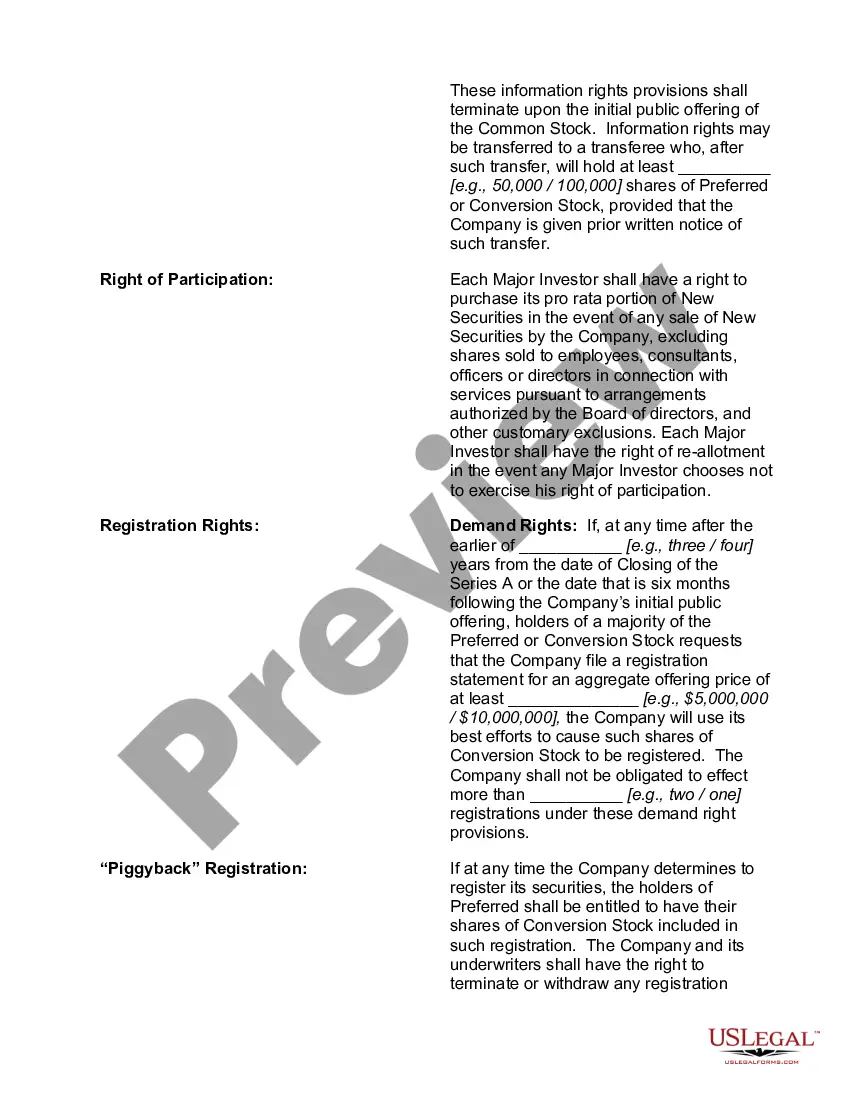
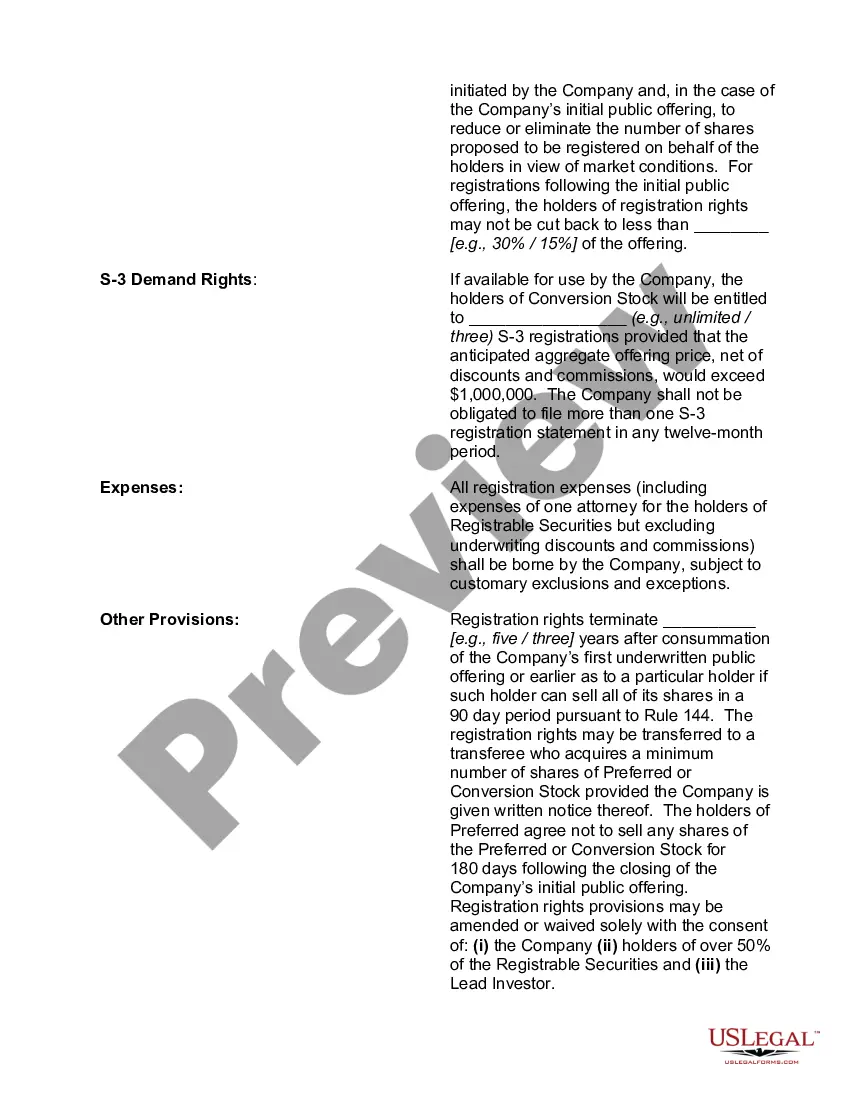
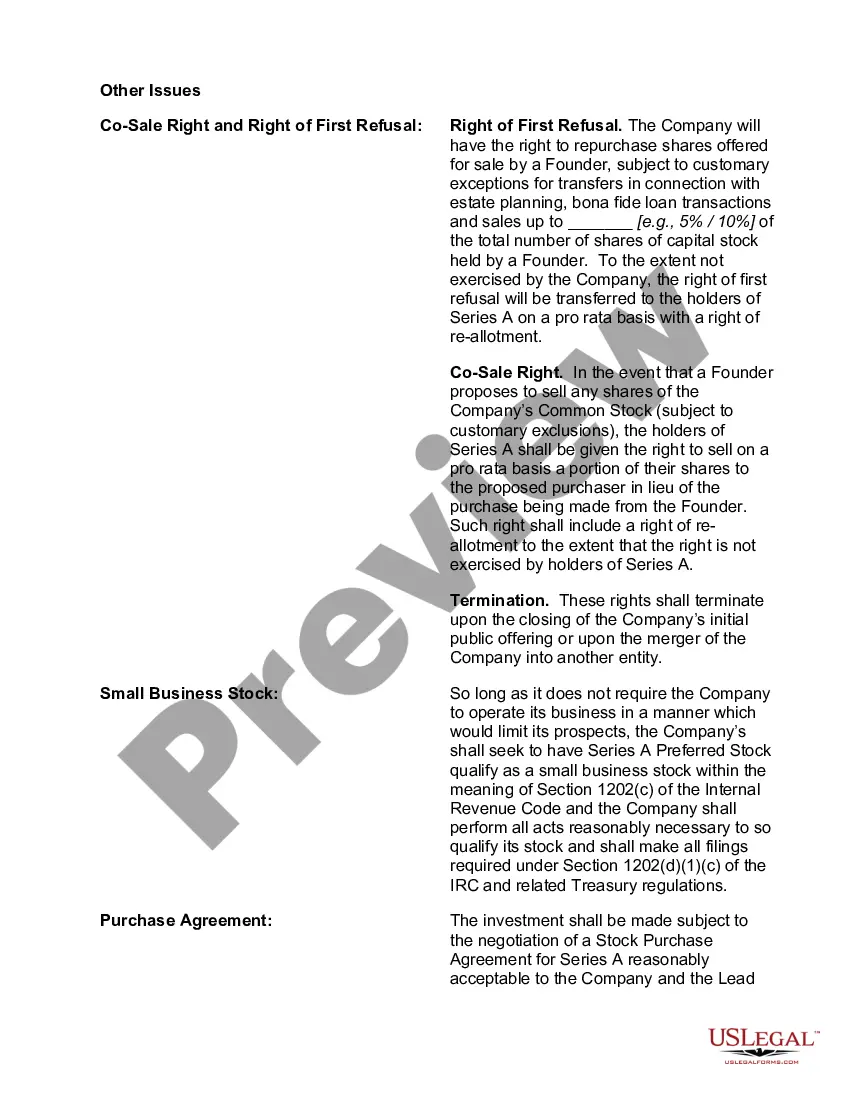
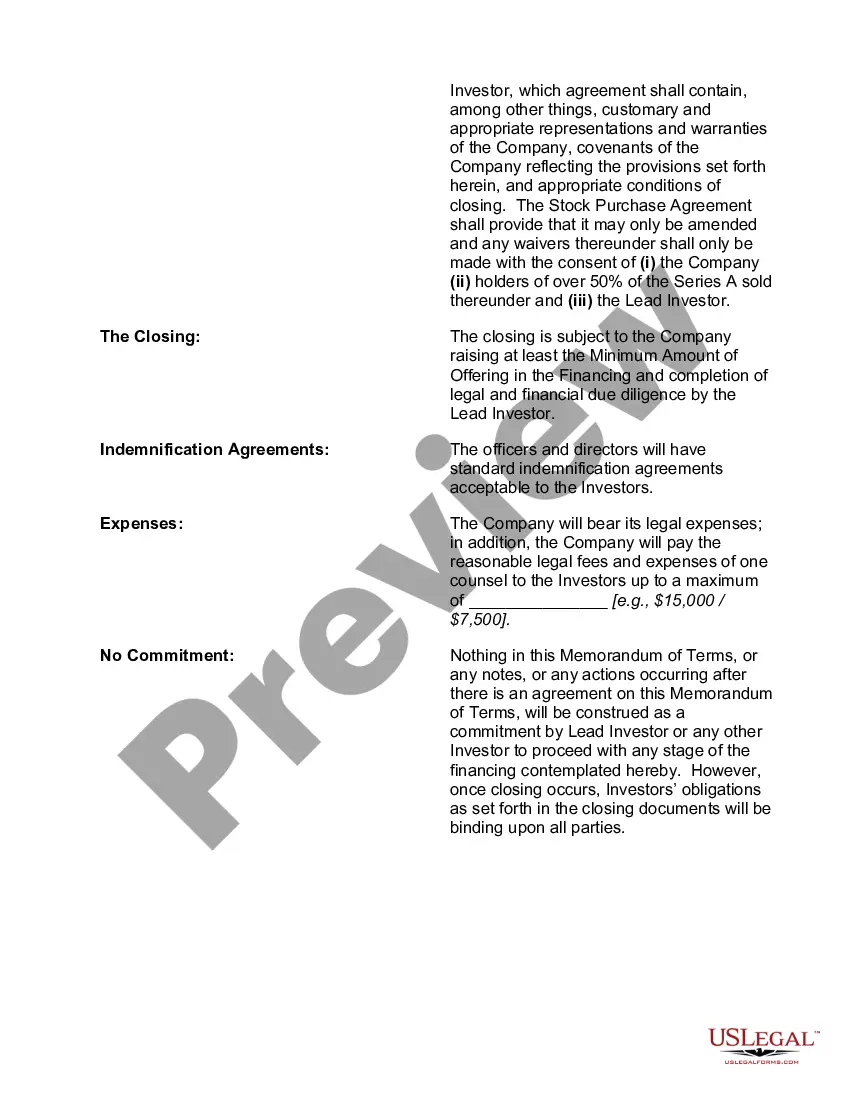
Get your form ready online
Our built-in tools help you complete, sign, share, and store your documents in one place.
Make edits, fill in missing information, and update formatting in US Legal Forms—just like you would in MS Word.
Download a copy, print it, send it by email, or mail it via USPS—whatever works best for your next step.
Sign and collect signatures with our SignNow integration. Send to multiple recipients, set reminders, and more. Go Premium to unlock E-Sign.
If this form requires notarization, complete it online through a secure video call—no need to meet a notary in person or wait for an appointment.
We protect your documents and personal data by following strict security and privacy standards.

Make edits, fill in missing information, and update formatting in US Legal Forms—just like you would in MS Word.

Download a copy, print it, send it by email, or mail it via USPS—whatever works best for your next step.

Sign and collect signatures with our SignNow integration. Send to multiple recipients, set reminders, and more. Go Premium to unlock E-Sign.

If this form requires notarization, complete it online through a secure video call—no need to meet a notary in person or wait for an appointment.

We protect your documents and personal data by following strict security and privacy standards.
Looking for another form?








Form popularity
FAQ
Typically, an angel investment deal is typically composed of two key elements: an investment in equity, and a convertible note. Each of these components has distinct characteristics and implications for both the investor and the entrepreneur.
In as little as 500 words, a VC's term sheet lays out the financial terms of the investment, how much your startup will be worth, who will control it and who will profit the most if the company is sold or goes public. The term sheet is akin to a letter of intent.
Agreements with angel investors are crucial documents that specify the terms of investment, including ownership equity and the amount being invested. They provide clear understanding and safeguard both the company's interests as well as those of the investor.
As an angel investor, term sheets are crucial for structuring investment deals and protecting your interests. A term sheet is a non-binding document that outlines the key terms and conditions of an investment, serving as a starting point for negotiations between the startup and the investor.
A Letter of Intent is, as its name suggests, often prepared in the form of a letter from one party (typically the would-be Buyer) to the other (the Seller or target company). On the other hand, a Term Sheet is generally crafted in a sort-of outline format, sometimes even in bullet points.
Once they get a sense of your commitment level and what you bring to the table, they may ask you to join. Most investor groups require membership fees—typically of around $1,000 or more per year—and hold periodic meetings where they hear pitches from entrepreneurs in need of capital.
