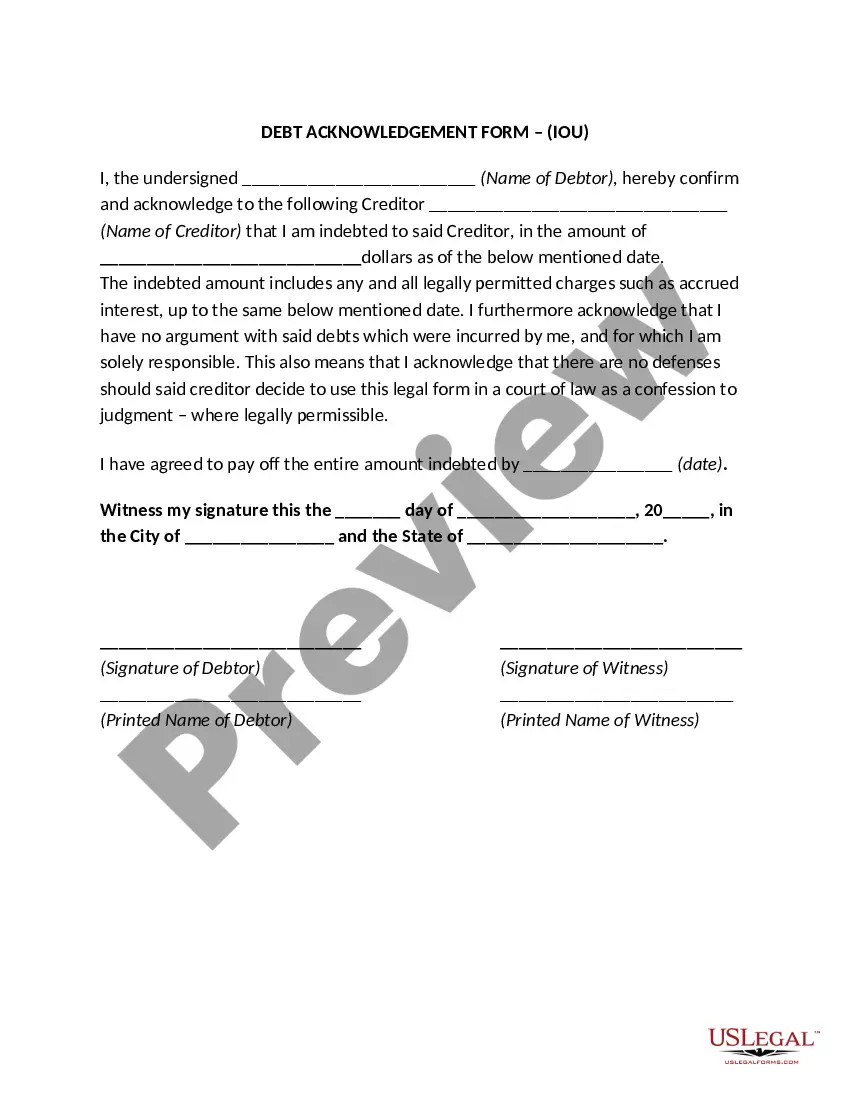
I Debt With You In Los Angeles
Description
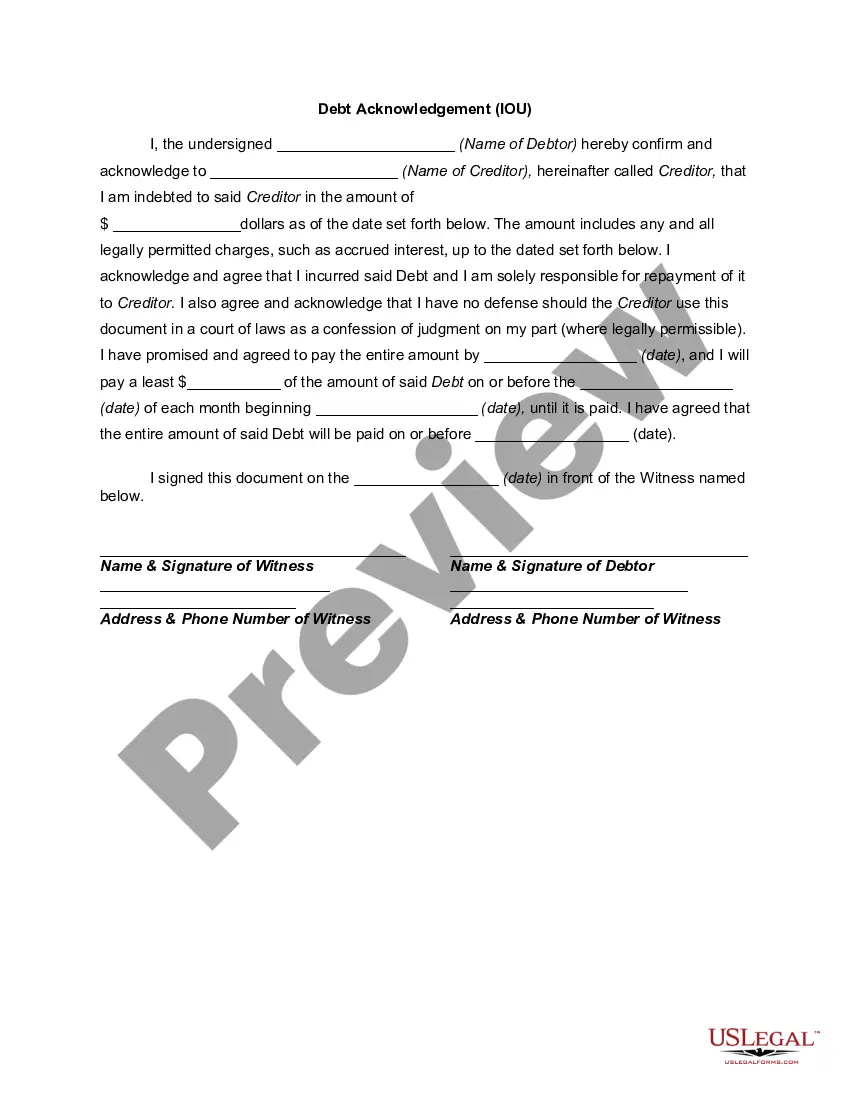
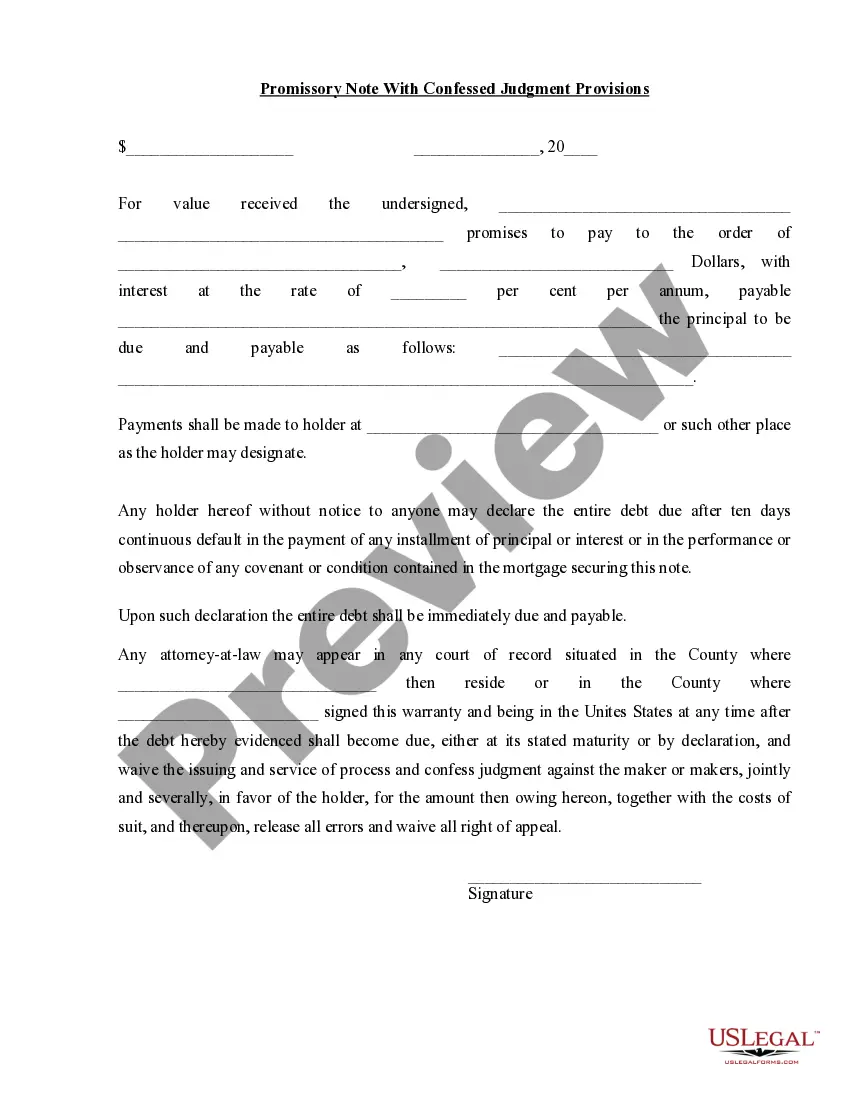
Get your form ready online
Our built-in tools help you complete, sign, share, and store your documents in one place.
Make edits, fill in missing information, and update formatting in US Legal Forms—just like you would in MS Word.
Download a copy, print it, send it by email, or mail it via USPS—whatever works best for your next step.
Sign and collect signatures with our SignNow integration. Send to multiple recipients, set reminders, and more. Go Premium to unlock E-Sign.
If this form requires notarization, complete it online through a secure video call—no need to meet a notary in person or wait for an appointment.
We protect your documents and personal data by following strict security and privacy standards.

Make edits, fill in missing information, and update formatting in US Legal Forms—just like you would in MS Word.

Download a copy, print it, send it by email, or mail it via USPS—whatever works best for your next step.

Sign and collect signatures with our SignNow integration. Send to multiple recipients, set reminders, and more. Go Premium to unlock E-Sign.

If this form requires notarization, complete it online through a secure video call—no need to meet a notary in person or wait for an appointment.

We protect your documents and personal data by following strict security and privacy standards.
Looking for another form?


Form popularity
FAQ
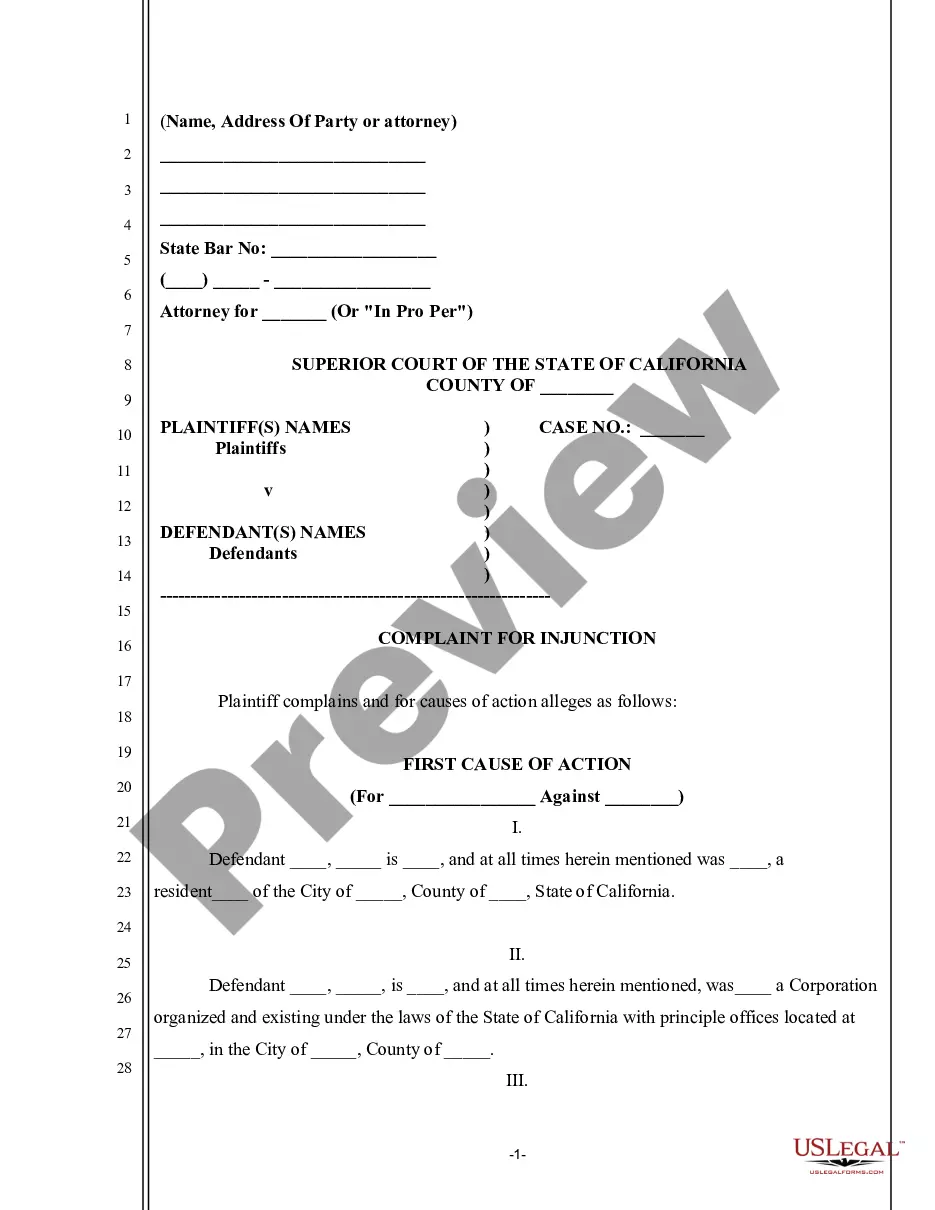
Your answer should include the court name, case name, case number, and your affirmative defenses. Print three copies of your answer. File one with the clerk's office and mail (or “serve”) one to the plaintiff or plaintiff's attorney.
You would respond to the court with a general denial of all of the allegations regarding you owing the debt and the actual amount of the debt. What you do is copy the heading on the top of the complaint and then under that you title your document Answer.
The writ is issued by the Clerk of the U.S. District or Bankruptcy Court under seal of the court.
Here's a step-by-step guide that outlines the actions a business should take before moving forward with a collection agency. Contact the Debtor. Send a Demand Letter. Consider Negotiation. Hire a Collection Agency. Provide Documentation. Monitor Progress. Consider Legal Action.
Similarly, a debt collector must prove the following facts to win their case in court: The debt collection agency owns your debt and has the legal right to sue. You owe the debt. The amount they claim you owe is accurate.
What Methods Can Creditors Legally Use to Collect Debts? Wage Garnishments. The amount that a creditor may garnish from a consumer's wages is limited by state and federal law. Property Liens. Lien Priority. Levies and Assignments. Contempt Orders.
Specifically, the rule states that a debt collector cannot: Make more than seven calls within a seven-day period to a consumer regarding a specific debt. Call a consumer within seven days after having a telephone conversation about that debt.
In California, there is generally a four-year limit for filing a lawsuit to collect a debt based on a written agreement.
Caine & Weiner is BBB Accredited. This business has committed to upholding the BBB Standards for Trust.
Caine & Weiner has an unparalleled reputation for recovering commercial 3rd party debt–an area of collection expertise in which we have excelled for over nine decades. Commercial 3rd party debt collection is unique; it requires different handling procedures than other types of delinquent debt.