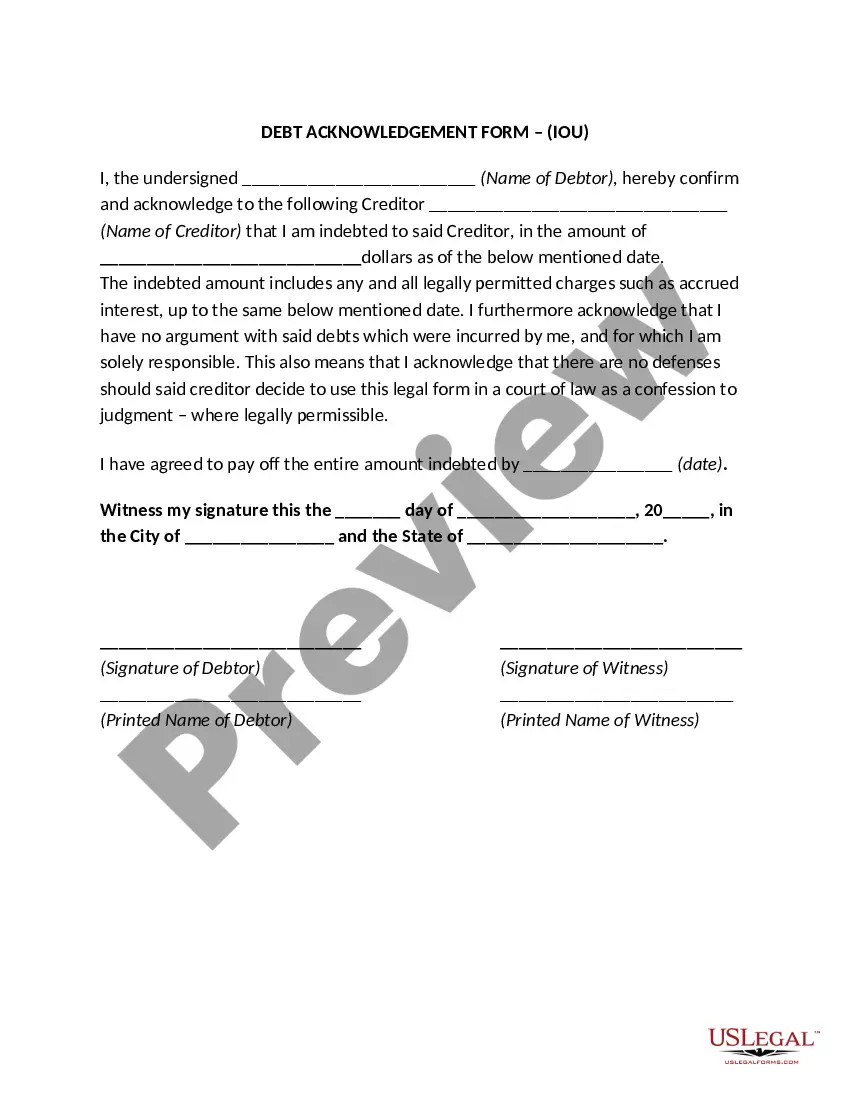
I Debt To You In Dallas
Description
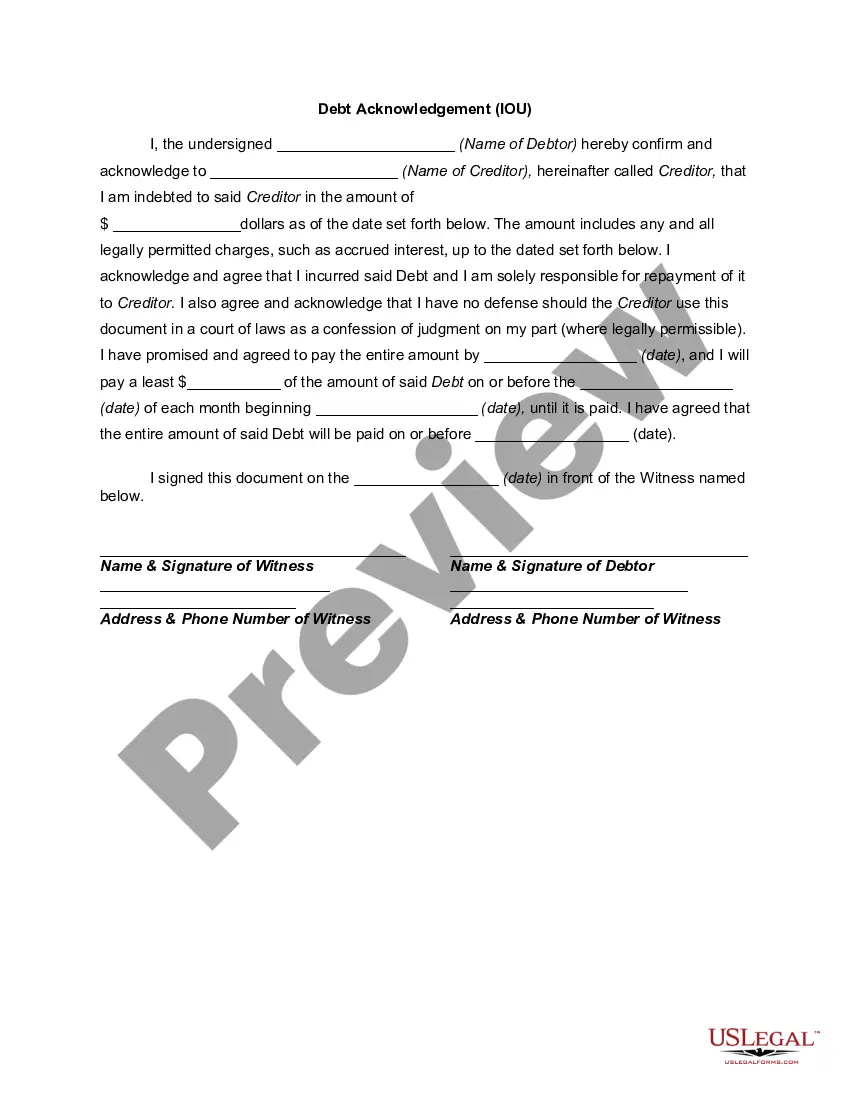
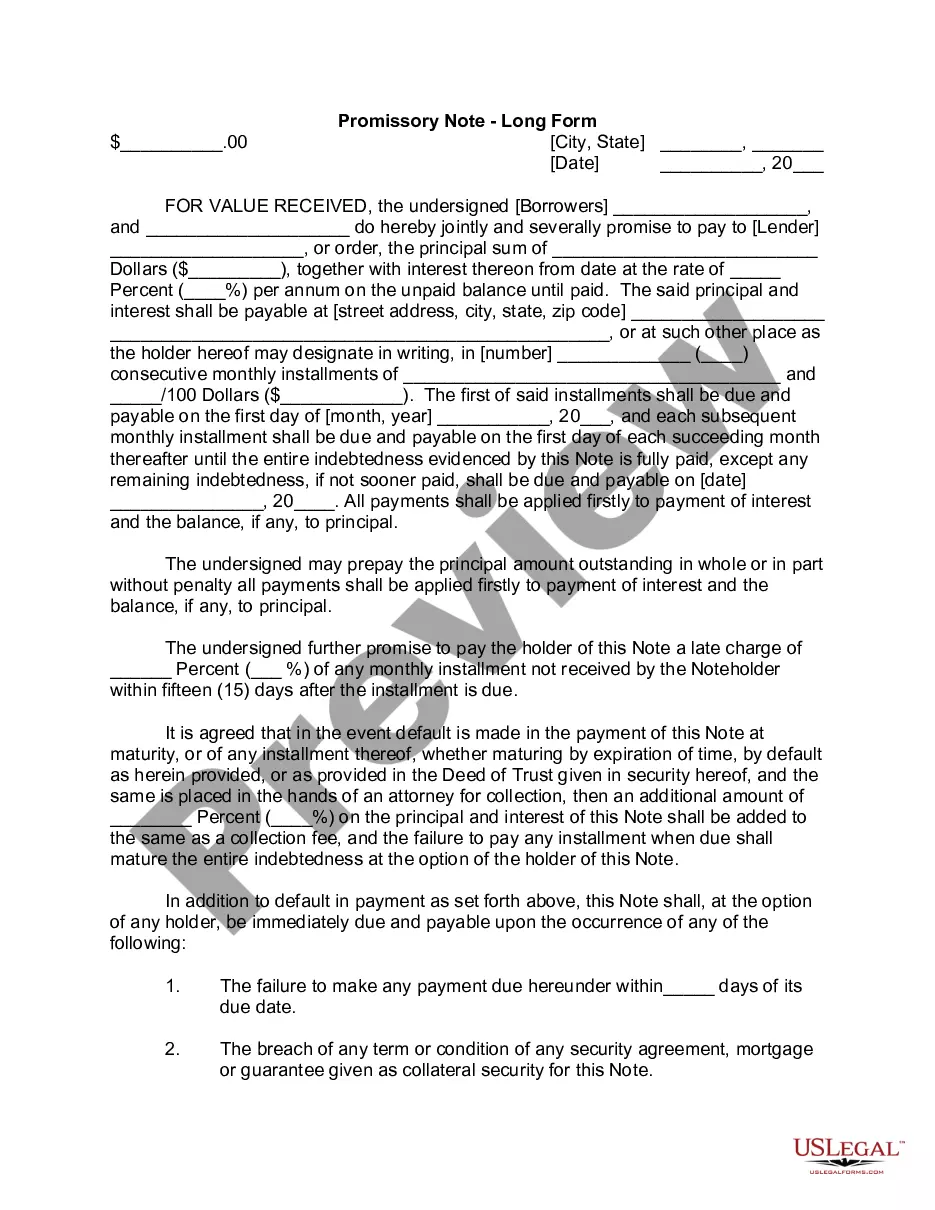
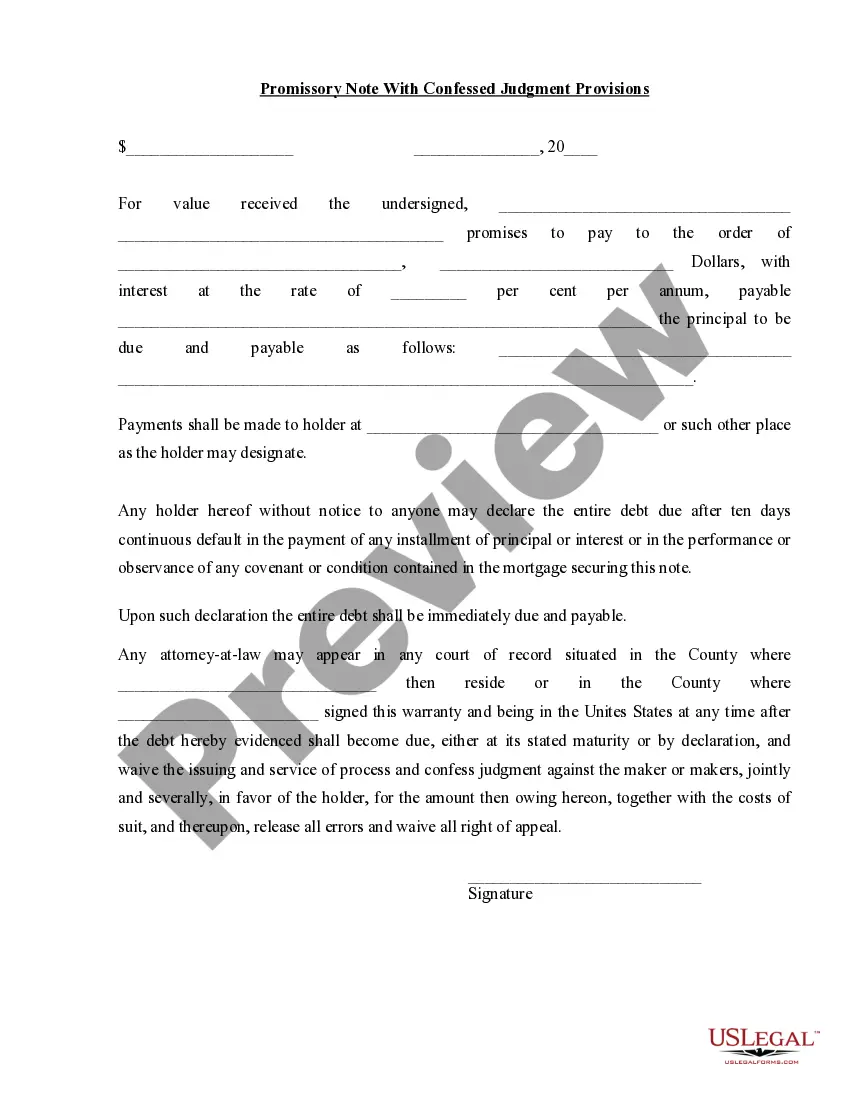
Get your form ready online
Our built-in tools help you complete, sign, share, and store your documents in one place.
Make edits, fill in missing information, and update formatting in US Legal Forms—just like you would in MS Word.
Download a copy, print it, send it by email, or mail it via USPS—whatever works best for your next step.
Sign and collect signatures with our SignNow integration. Send to multiple recipients, set reminders, and more. Go Premium to unlock E-Sign.
If this form requires notarization, complete it online through a secure video call—no need to meet a notary in person or wait for an appointment.
We protect your documents and personal data by following strict security and privacy standards.

Make edits, fill in missing information, and update formatting in US Legal Forms—just like you would in MS Word.

Download a copy, print it, send it by email, or mail it via USPS—whatever works best for your next step.

Sign and collect signatures with our SignNow integration. Send to multiple recipients, set reminders, and more. Go Premium to unlock E-Sign.

If this form requires notarization, complete it online through a secure video call—no need to meet a notary in person or wait for an appointment.

We protect your documents and personal data by following strict security and privacy standards.
Looking for another form?







Form popularity
FAQ
Whenever someone tries to collect a debt, ask for all of their company's information, including: The collector's full name. Company name. Company address. Company phone number. Company website address. Company email.
The statute of limitations on debt in Texas is four years.
Search online to see if the agency is a member of the CSA (Credit Services Association), which is the industry professional body and check to make sure they hold a license to carry out debt collection. If the debt collection agency is calling you by phone, ask them to identify themselves.
: very thankful for something that someone has done for one.
To verify a debt collector, ask them to provide: Their name. Company name. Company street address. Telephone number. Professional license number, if your state licenses debt collectors.
Specifically, the rule states that a debt collector cannot: Make more than seven calls within a seven-day period to a consumer regarding a specific debt. Call a consumer within seven days after having a telephone conversation about that debt.
Warning signs include unsolicited offers, no credit checks, upfront fees, high-pressure tactics, lack of contact information, unprofessional communication, offers that seem too good to be true, excessive personal information requests, and lack of licensing or accreditation.
When it comes to credit card debt relief, it's important to dispel a common misconception: There are no government-sponsored programs specifically designed to eliminate credit card debt. So, you should be wary of any offers claiming to represent such government initiatives, as they may be misleading or fraudulent.
Do judgments expire in Texas? Judgments awarded in Texas to a non-government creditor are generally valid for ten years but can be renewed for longer. If a judgment is not renewed, it will become dormant. A creditor can request to revive a dormant judgment to continue to try and collect the debt.
The statute of limitations on debt in Texas is four years.