You And I With Chords In Collin
Description
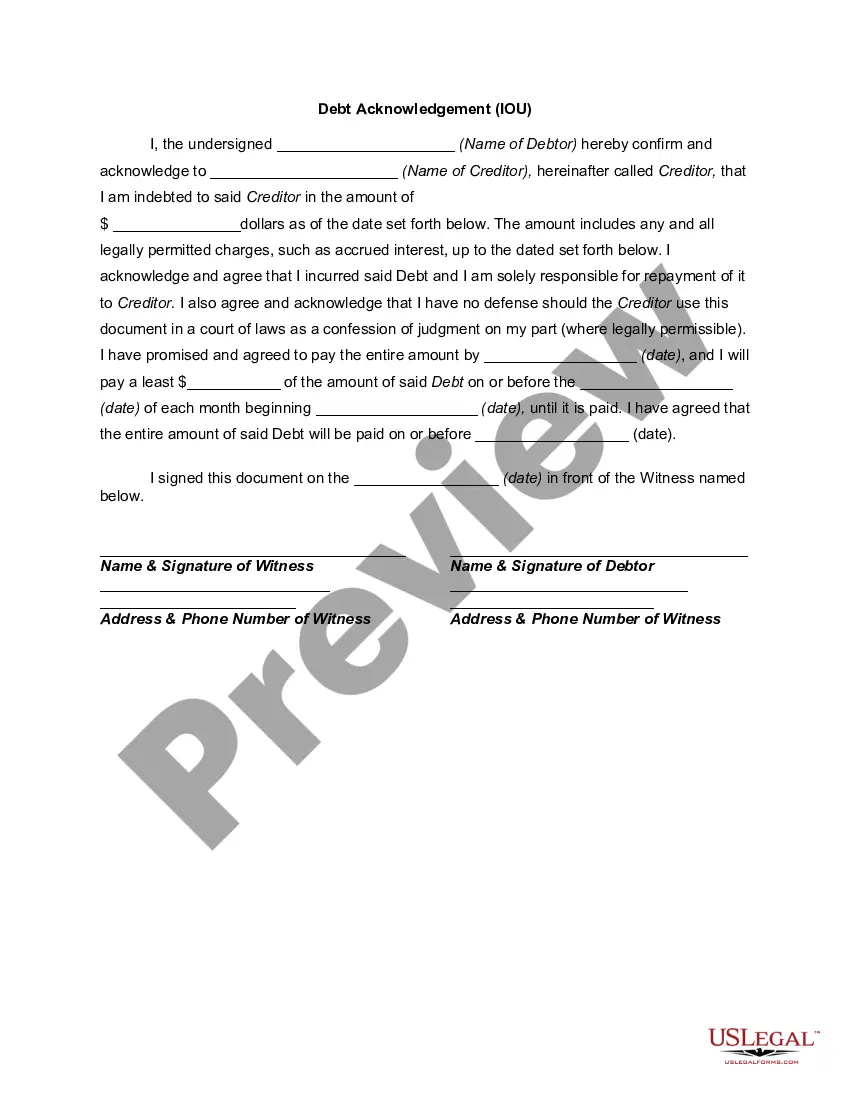
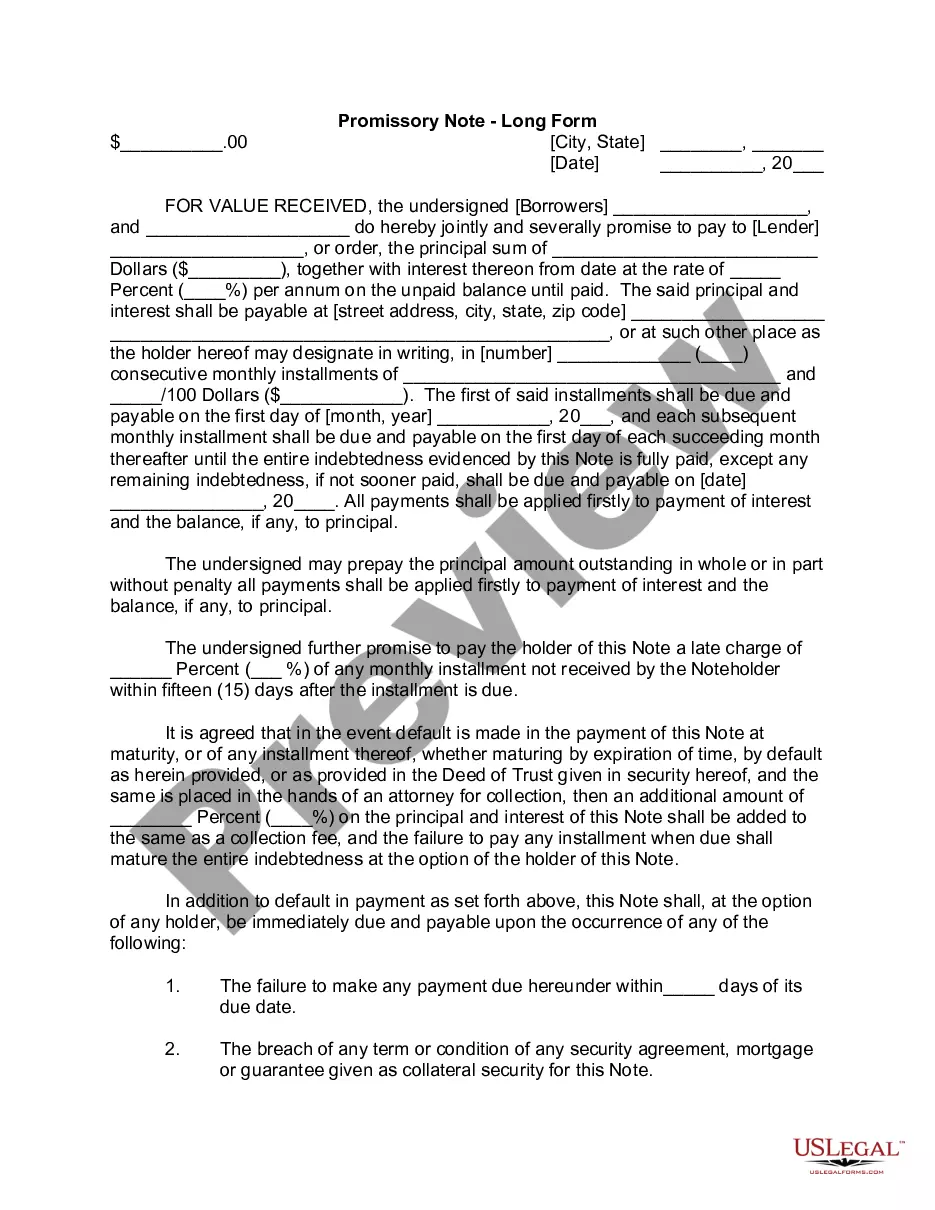
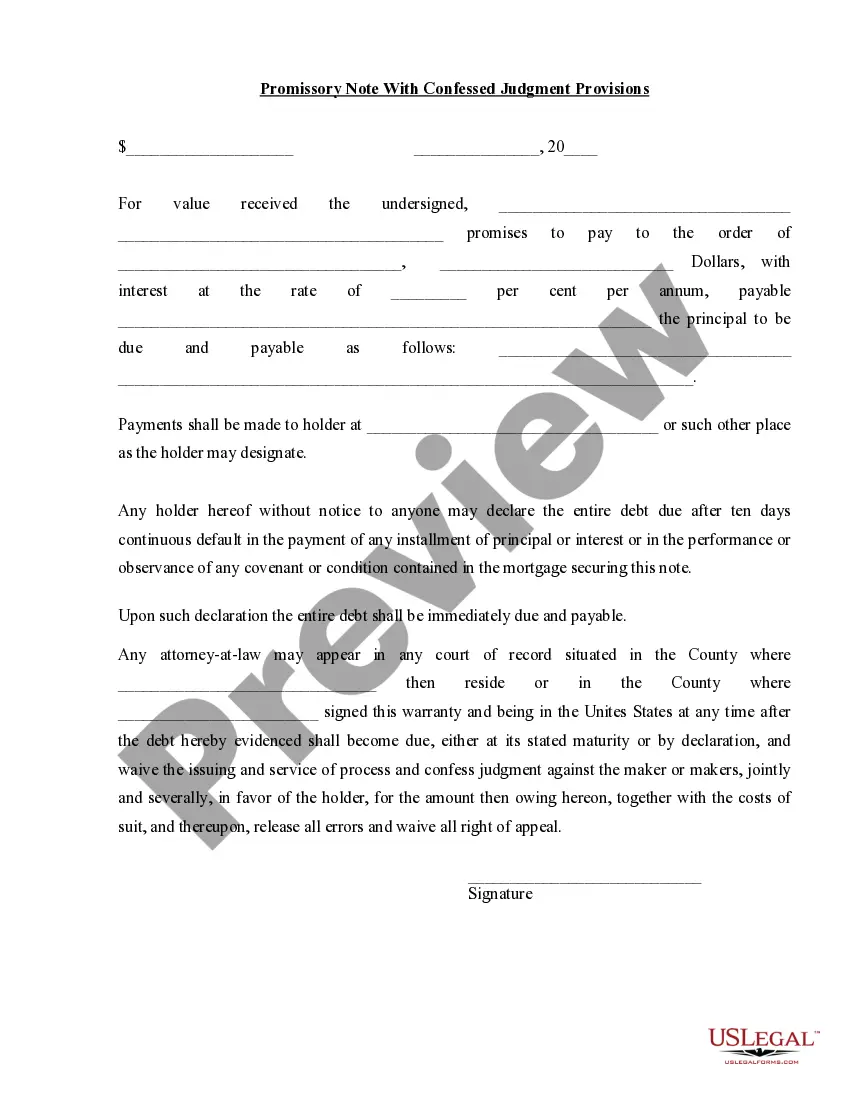
Get your form ready online
Our built-in tools help you complete, sign, share, and store your documents in one place.
Make edits, fill in missing information, and update formatting in US Legal Forms—just like you would in MS Word.
Download a copy, print it, send it by email, or mail it via USPS—whatever works best for your next step.
Sign and collect signatures with our SignNow integration. Send to multiple recipients, set reminders, and more. Go Premium to unlock E-Sign.
If this form requires notarization, complete it online through a secure video call—no need to meet a notary in person or wait for an appointment.
We protect your documents and personal data by following strict security and privacy standards.

Make edits, fill in missing information, and update formatting in US Legal Forms—just like you would in MS Word.

Download a copy, print it, send it by email, or mail it via USPS—whatever works best for your next step.

Sign and collect signatures with our SignNow integration. Send to multiple recipients, set reminders, and more. Go Premium to unlock E-Sign.

If this form requires notarization, complete it online through a secure video call—no need to meet a notary in person or wait for an appointment.

We protect your documents and personal data by following strict security and privacy standards.
Looking for another form?






Form popularity
FAQ
G, C and D are some of the most commonly used chords in popular music and are used in literally thousands of songs (we'll list some of the most well-known later). Also, they're not too difficult to learn and they sound really good together (hence their popularity).
The iii chord (III in minor) is a weak predominant that typically moves through a strong predominant on the way to a V chord. In major, iii usually harmonizes a descending ti (^7) ; similarly, in minor, III usually harmonizes a descending te (↓^7) . iii/III is usually found in root position.
C chord (barred) The open string C chord is among the first ones a beginner learns. It is relatively easy and involves only three fingers. However, the barred C chord is one of the hardest guitar chords for beginners.
The I (tonic), IV (subdominant) and V (dominant) chords (primary triads) together encompass all seven tones of the tonic's major scale. These three chords are a simple means of covering many melodies without the use of passing notes.
Of that's what they're built from so if we stick with a. The first third and fifth notes from thatMoreOf that's what they're built from so if we stick with a. The first third and fifth notes from that scale they are the notes that are in a major chord. One.
The 3 chord trick, also known as the 1-4-5 progression, is a chord sequence that is widely used in popular music. It involves using the three primary chords in a particular key to create a catchy and memorable progression. These primary chords are usually the tonic (1), subdominant (4), and dominant (5) chords.
The I chord, also known as the tonic chord, is the first chord built on the first scale degree of a given key and serves as a foundation for tonal music. This chord is crucial in establishing the key and provides a sense of resolution and stability within a harmonic progression.
What is the 1 3 5 rule for chords? The '135 rule' is that basic minor, major, diminished, and augmented chords must be created using a root, 3rd, and 5th. These intervals refer to notes picked from the major scale and are used to create each chord.
The famous four chords used in many pop song progressions are the I, V, vi and IV chords of a major key. The roman numerals represent the numbers of the major scale we begin a chord from (1, 5, 6, 4) so in C major this would be C, G, Amin, F or in G major it would be G, D, Emin, C.

