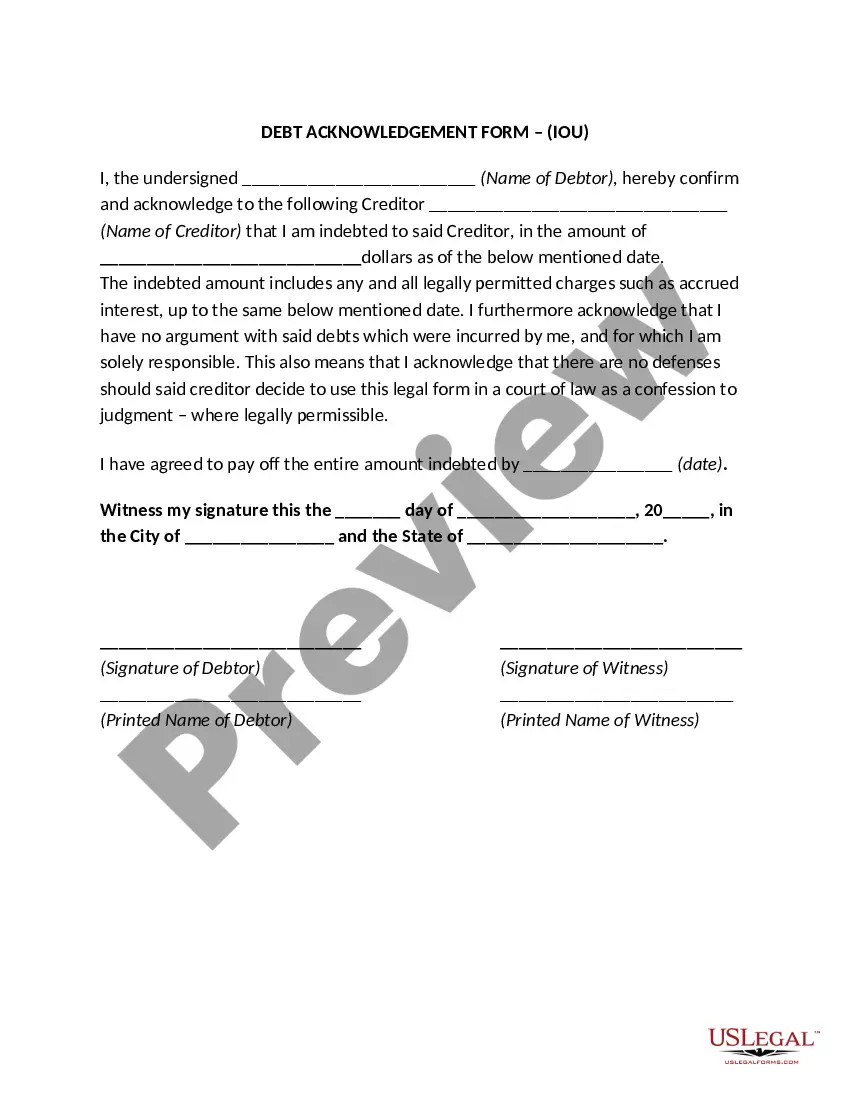
I Debt With You In Alameda
Description
Get your form ready online
Our built-in tools help you complete, sign, share, and store your documents in one place.
Make edits, fill in missing information, and update formatting in US Legal Forms—just like you would in MS Word.
Download a copy, print it, send it by email, or mail it via USPS—whatever works best for your next step.
Sign and collect signatures with our SignNow integration. Send to multiple recipients, set reminders, and more. Go Premium to unlock E-Sign.
If this form requires notarization, complete it online through a secure video call—no need to meet a notary in person or wait for an appointment.
We protect your documents and personal data by following strict security and privacy standards.

Make edits, fill in missing information, and update formatting in US Legal Forms—just like you would in MS Word.

Download a copy, print it, send it by email, or mail it via USPS—whatever works best for your next step.

Sign and collect signatures with our SignNow integration. Send to multiple recipients, set reminders, and more. Go Premium to unlock E-Sign.

If this form requires notarization, complete it online through a secure video call—no need to meet a notary in person or wait for an appointment.

We protect your documents and personal data by following strict security and privacy standards.
Looking for another form?



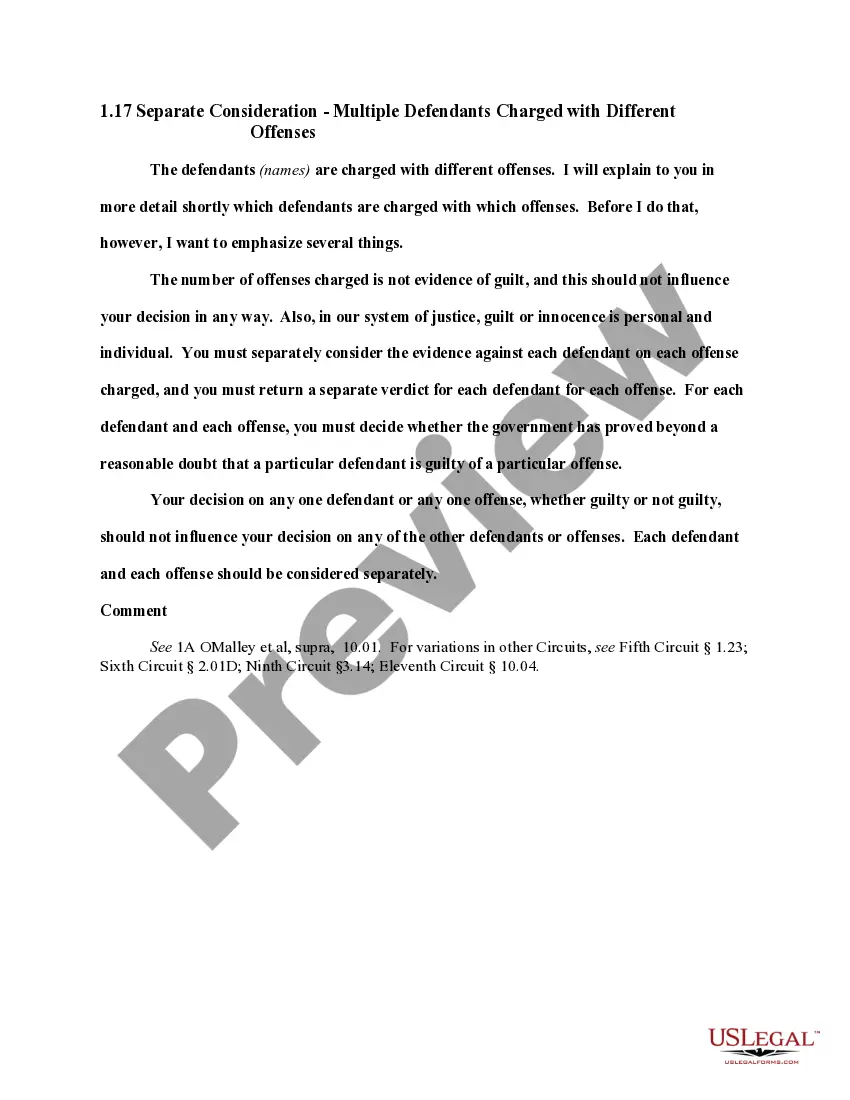



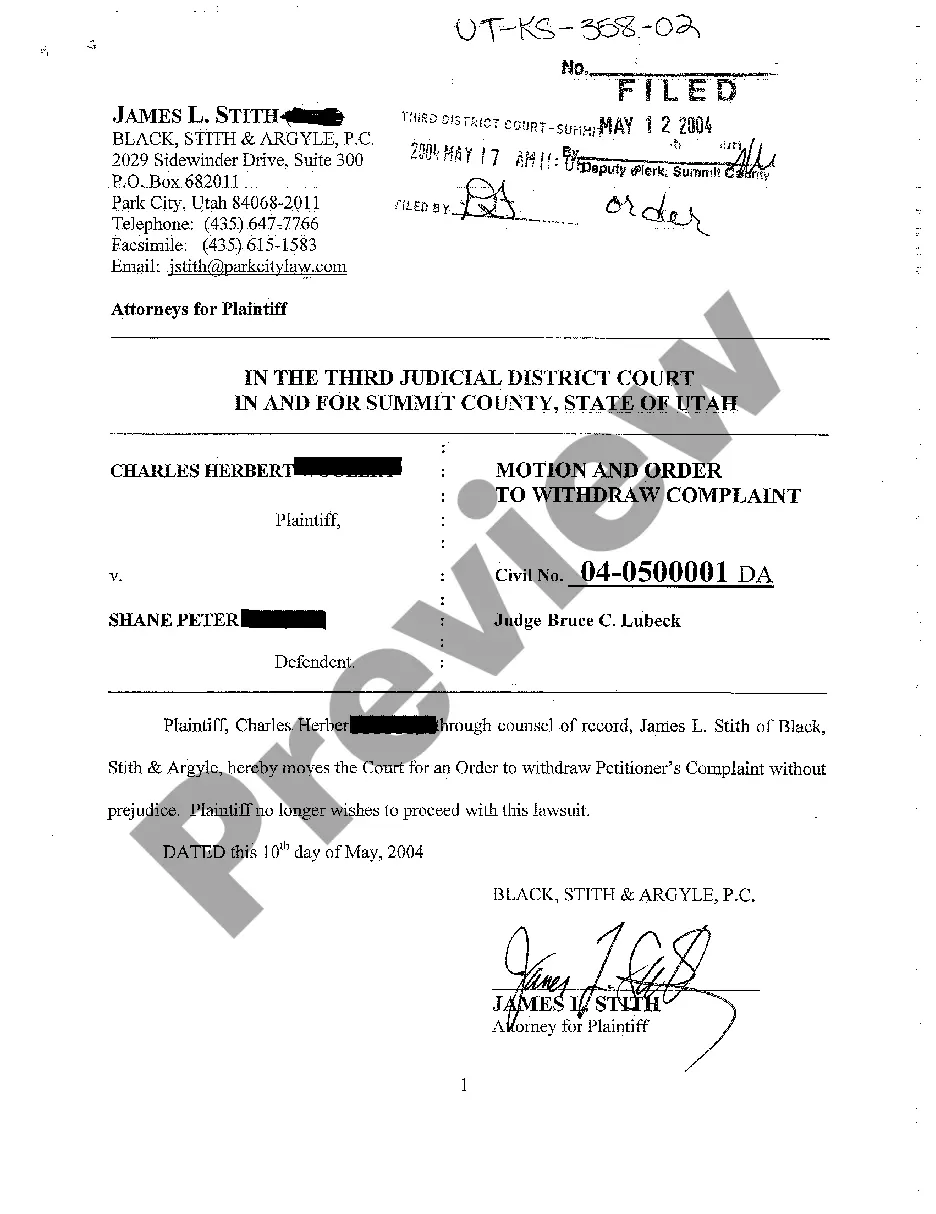
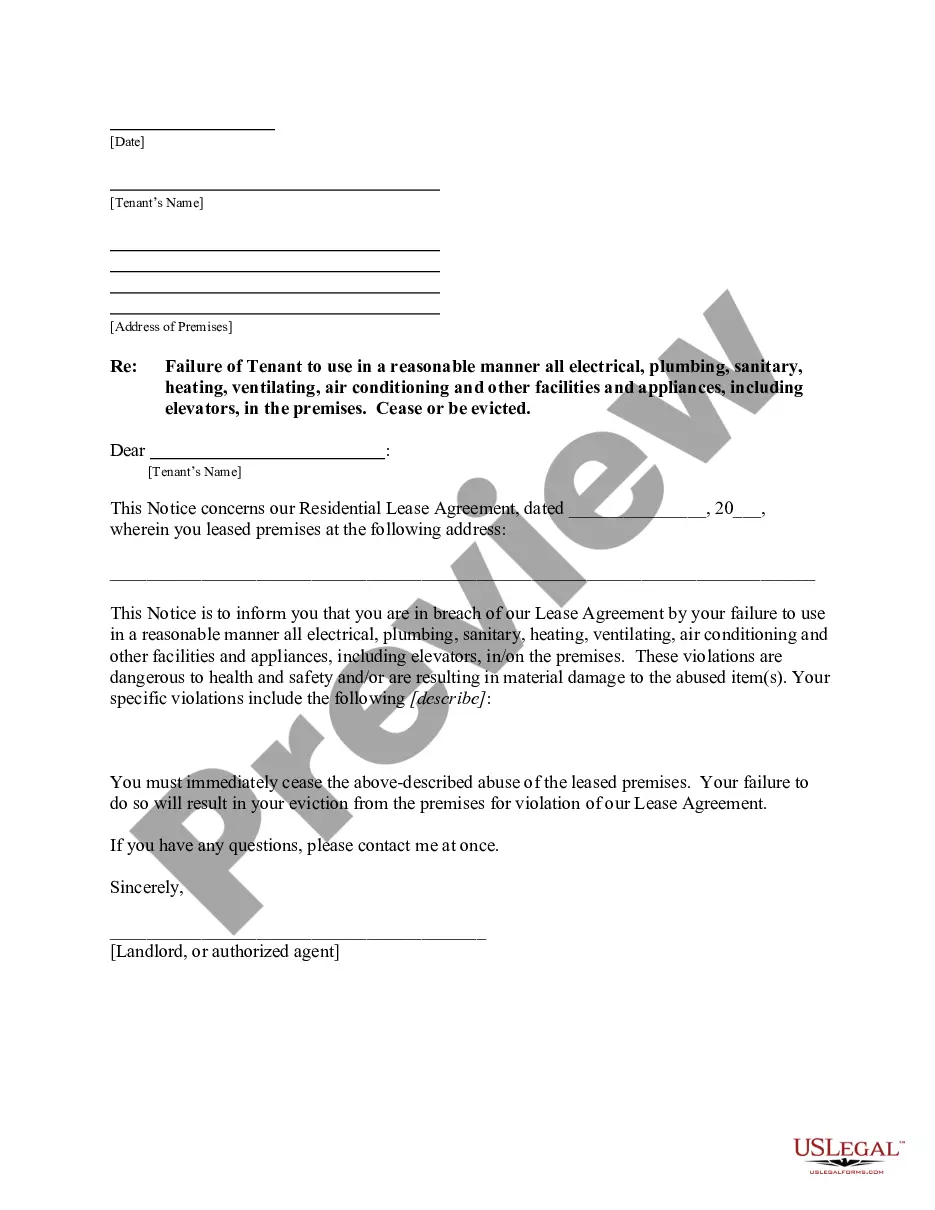

Form popularity
FAQ
California's Fair Debt Collection Practices Act has long been a critical framework for protecting consumers from abusive or unfair debt collection practices. Recently, however, Governor Gavin Newsom signed into law SB 1286 on September 24, 2024, expanding these protections to certain commercial debts.
Here are strategies and tips for getting out of debt faster. Add Up All Your Debt. Adjust Your Budget. Use a Debt Repayment Strategy. Look for Additional Income. Consider Credit Counseling. Consider Consolidating Your Debt. Don't Forget About Debt in Collections. Stay Accountable.
In many cases, filing in small claims court is the fastest and easiest way for people to legally settle their disputes. The person suing is the plaintiff, and the person being sued is the defendant. A person cannot sue for more than $12,500 in most cases. A business or public entity cannot sue for more than $6,250.
Debt Settlement Assess Financial Situation. Stop Using your Credit Cards. Negotiate with Creditors. Reach Settlement Agreements. Make Settlement Payments. Monitor Credit Reports. Rebuild Credit. Balance Transfer Credit Cards.
Superior Court of Alameda County.
Rule 3.31. Unless otherwise authorized by the court, discovery meet and confer obligations require an in-person, telephonic, or video conference between parties.
In many cases, filing in small claims court is the fastest and easiest way for people to legally settle their disputes. The person suing is the plaintiff, and the person being sued is the defendant. A person cannot sue for more than $12,500 in most cases. A business or public entity cannot sue for more than $6,250.
Alameda County Superior Court Begin the filing process as you would with any other filing and select Request for Refund as the Document Type from the list of options in the drop-down menu. Add the details of your request for refund onto a pleading document and eFile.
In every case, to present an ex parte application to the court, a party must: reserve a hearing date with the applicable department (for applications that require a hearing.) ... file the motion with the court, and. give notice of the hearing date as required by law.
Traffic Court Hours Email: Send an email to asktraffic@alamedaurts.ca .