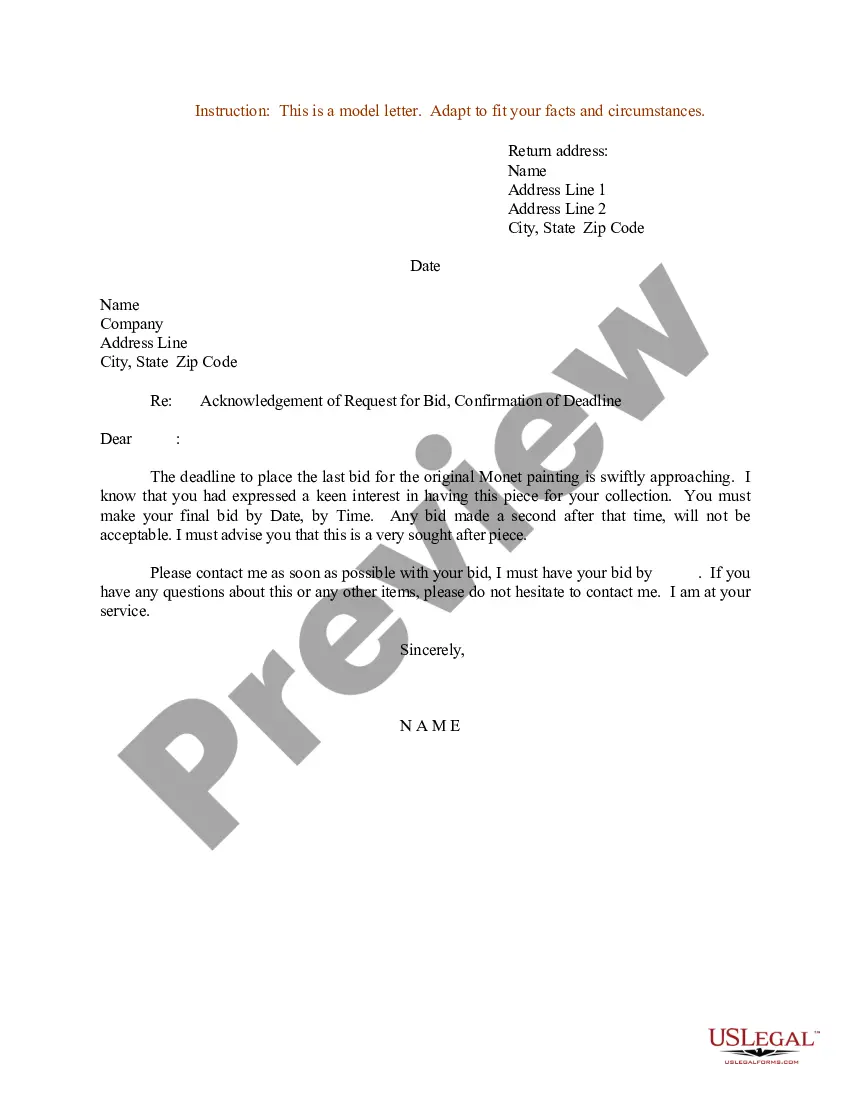
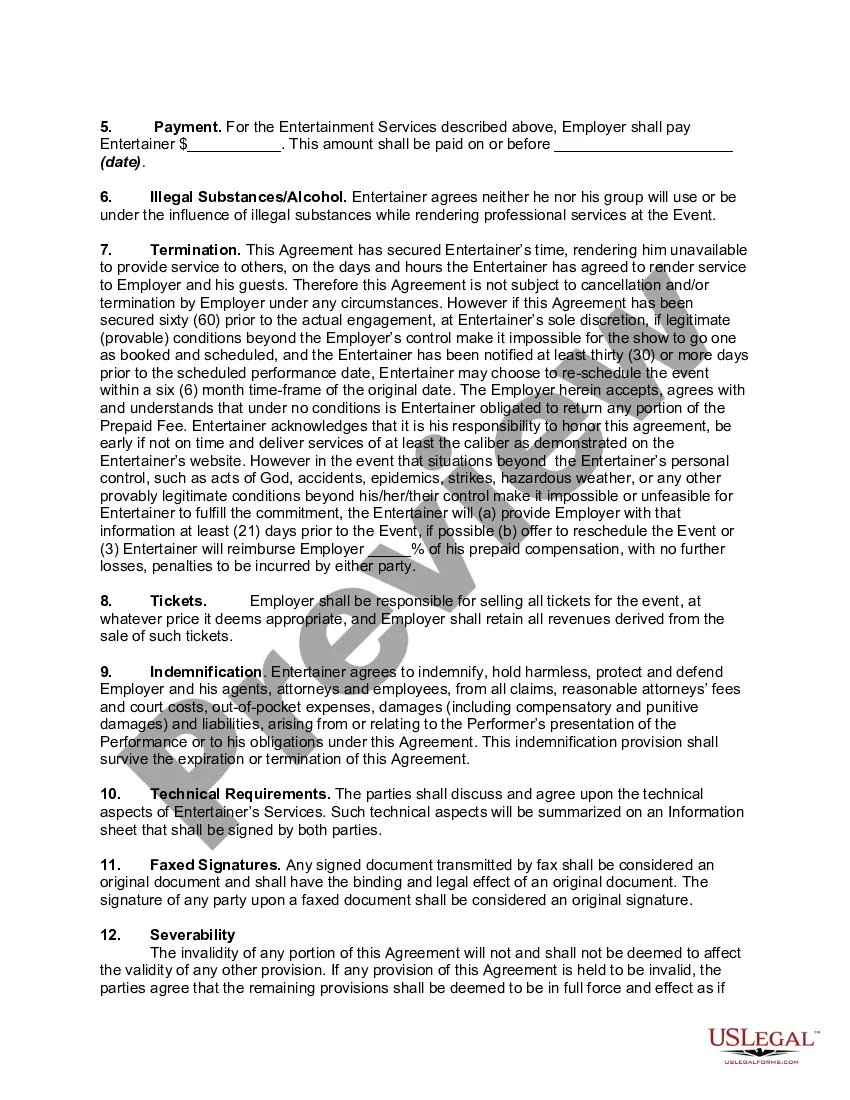
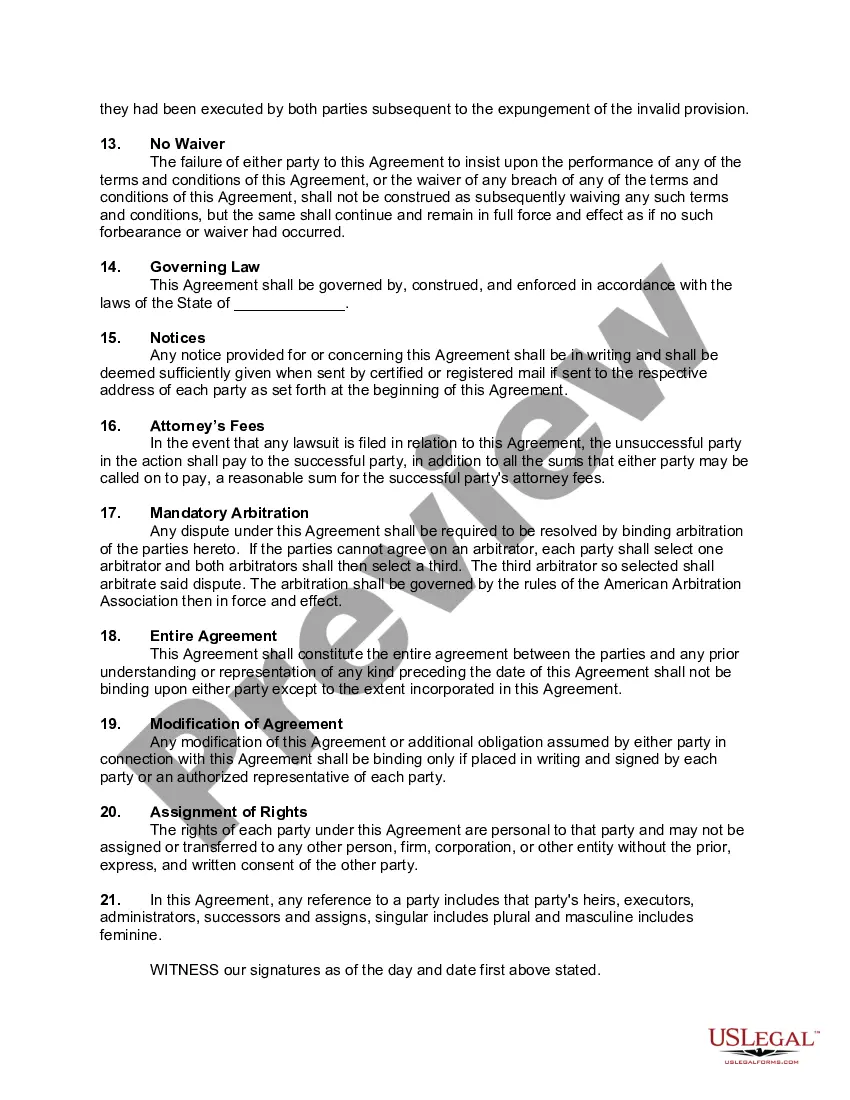
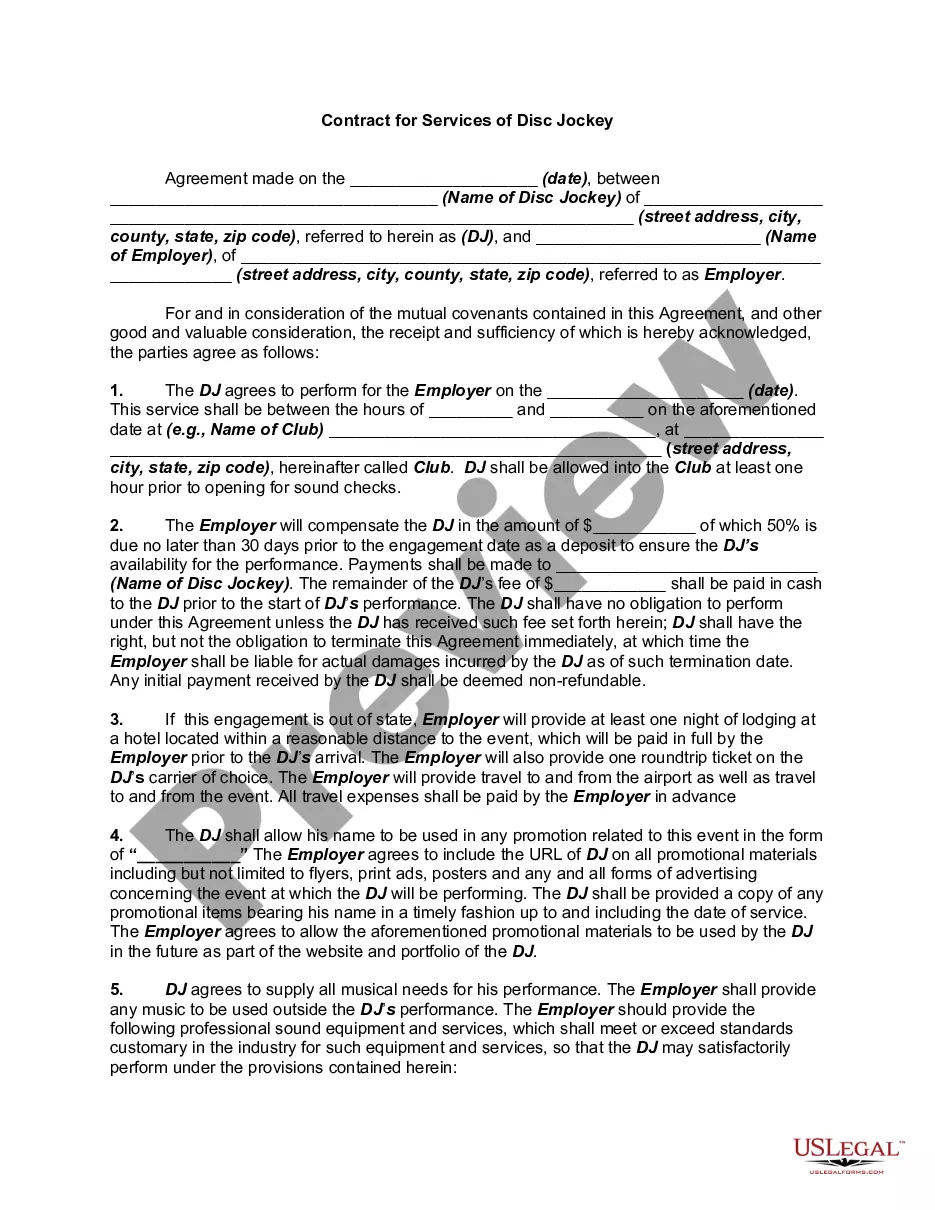
Entertainment Contract Agreement For Construction Work In Santa Clara
Description






Form popularity
FAQ
Write the contract in six steps Start with a contract template. Open with the basic information. Describe in detail what you have agreed to. Include a description of how the contract will be ended. Write into the contract which laws apply and how disputes will be resolved. Include space for signatures.
Top 10 Common Mistakes that We See in Construction Contracts It's not written down. Both parties haven't signed the contract. Not all of the terms of the agreement are in writing and in the contract. The timeline is unclear. Particular terms aren't defined. There's no written approval of any changes to the contract.
Following this step-by-step checklist will mean that you can write your contract with confidence: Know your parties. Agree on the terms. Set clear boundaries. Spell out the consequences. Specify how you will resolve disputes. Cover confidentiality. Check the legality of the contract. Open it up to negotiation.
Top 10 Common Mistakes that We See in Construction Contracts It's not written down. Both parties haven't signed the contract. Not all of the terms of the agreement are in writing and in the contract. The timeline is unclear. Particular terms aren't defined. There's no written approval of any changes to the contract.
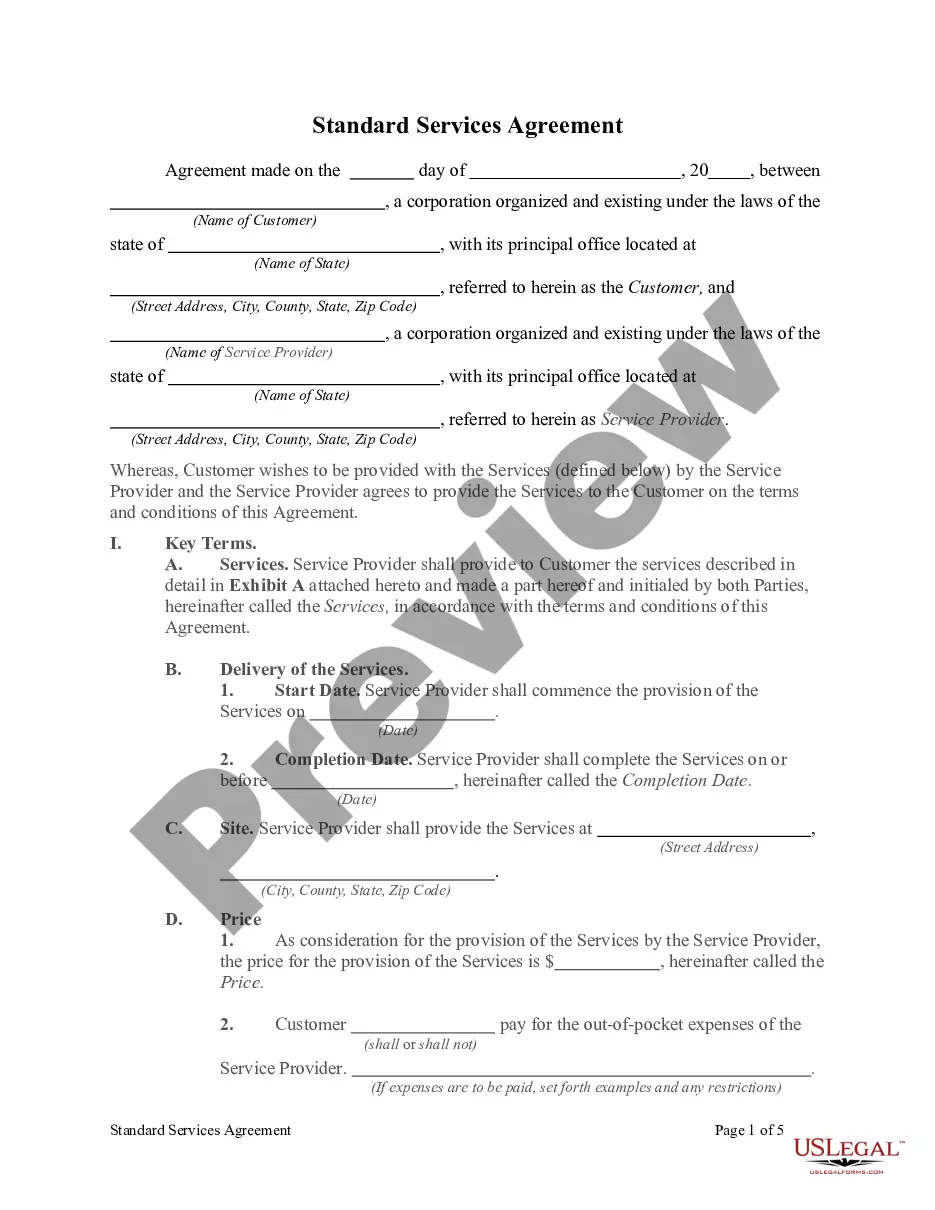
Five Essential Elements of a Construction Contract Full Name, Address, and Signatures of Both Parties. Though this may sound obvious, this commonly overlooked element of construction contracts is required to make the contract legally binding. Scope of Work. Project Cost and Payment Terms. Schedule of Work. Authority.
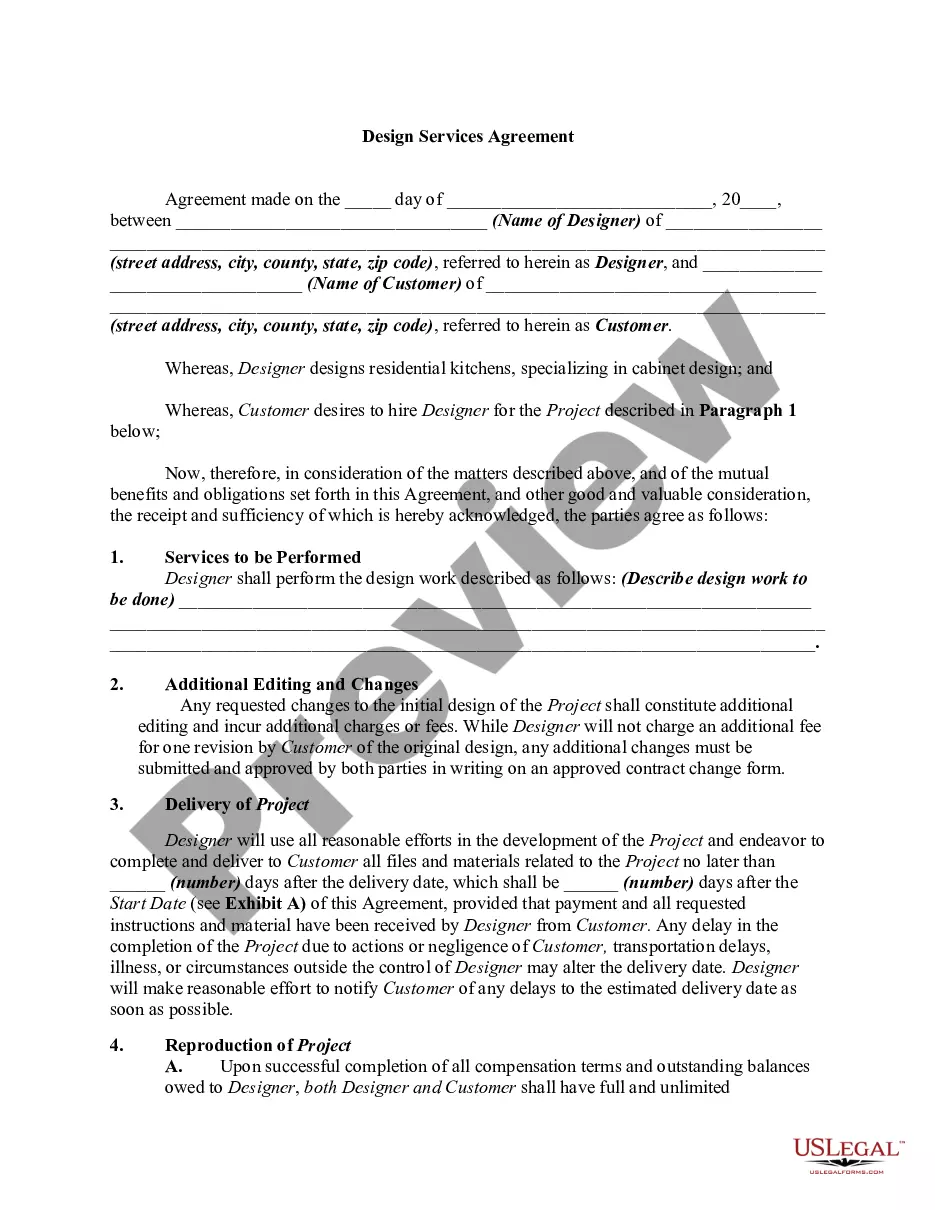
Below are the main terms a construction contract should usually include: Full name, address, and contact details of the contractor and owner. A legal description and address of the worksite. The dispute resolution process.
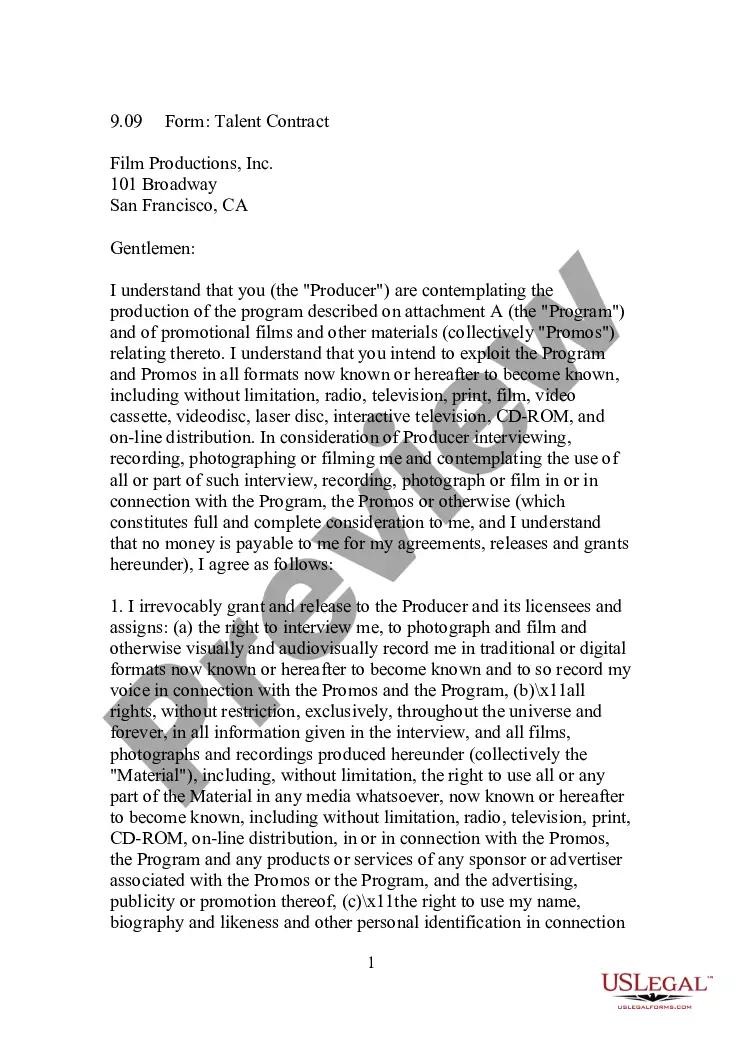
Key elements of an entertainment contract Parties involved. Clearly identify all parties involved in the contract. Scope of work. Detail the specific services or performances expected. Compensation. Duration of contract. Intellectual property rights. Confidentiality. Termination clauses. Indemnity and liability.
The basic elements required for the agreement to be a legally enforceable contract are: mutual assent, expressed by a valid offer and acceptance; adequate consideration; capacity; and legality.
Thus, four well-known real contracts arose: 1) mutuum, 2) commodatum, 3) depositum and 4) pignus. In some of the mentioned cases, through the delivery of the item, the debtor's property was constituted on the object of the obligation, while in others only the retention or detention.
Write the name of the contract at the top of the page. Follow with the names or company names of all parties, in this format: This agreement is between ____ and ____. Contracts involving a business should include the business' full legal name, including descriptions such as “Ltd.” or “Inc.”