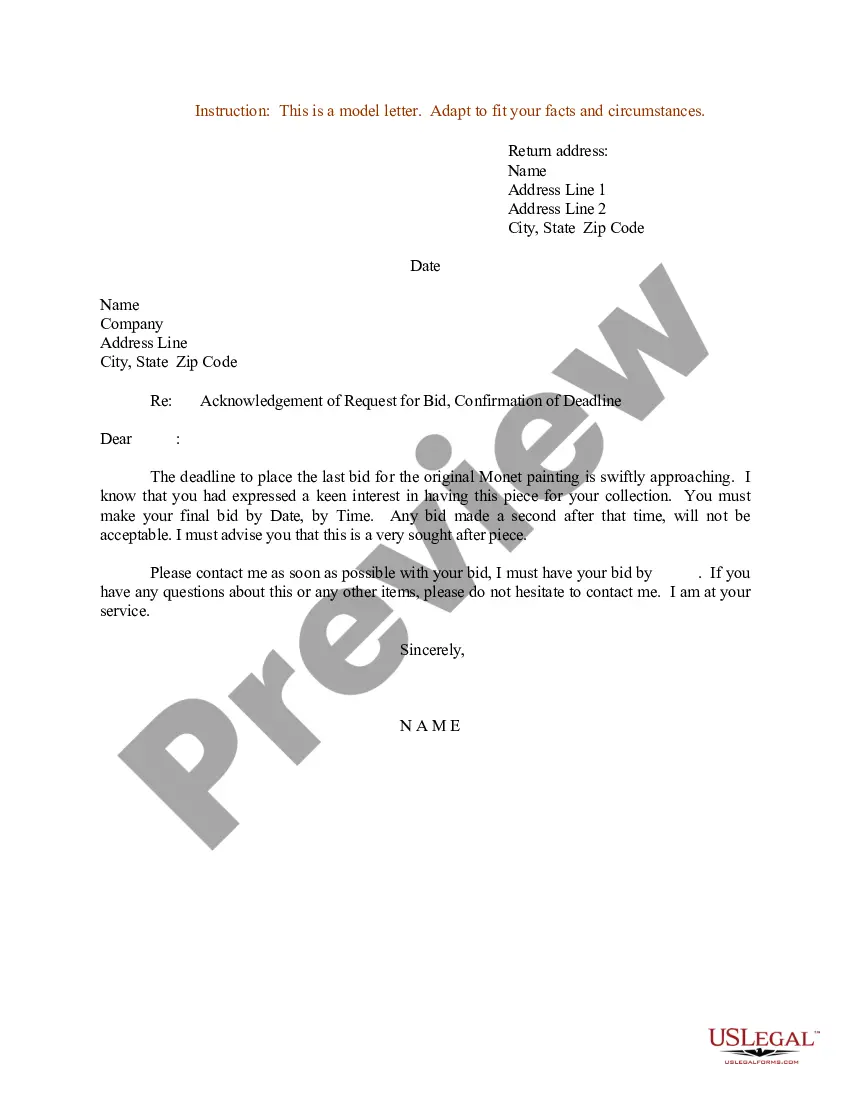
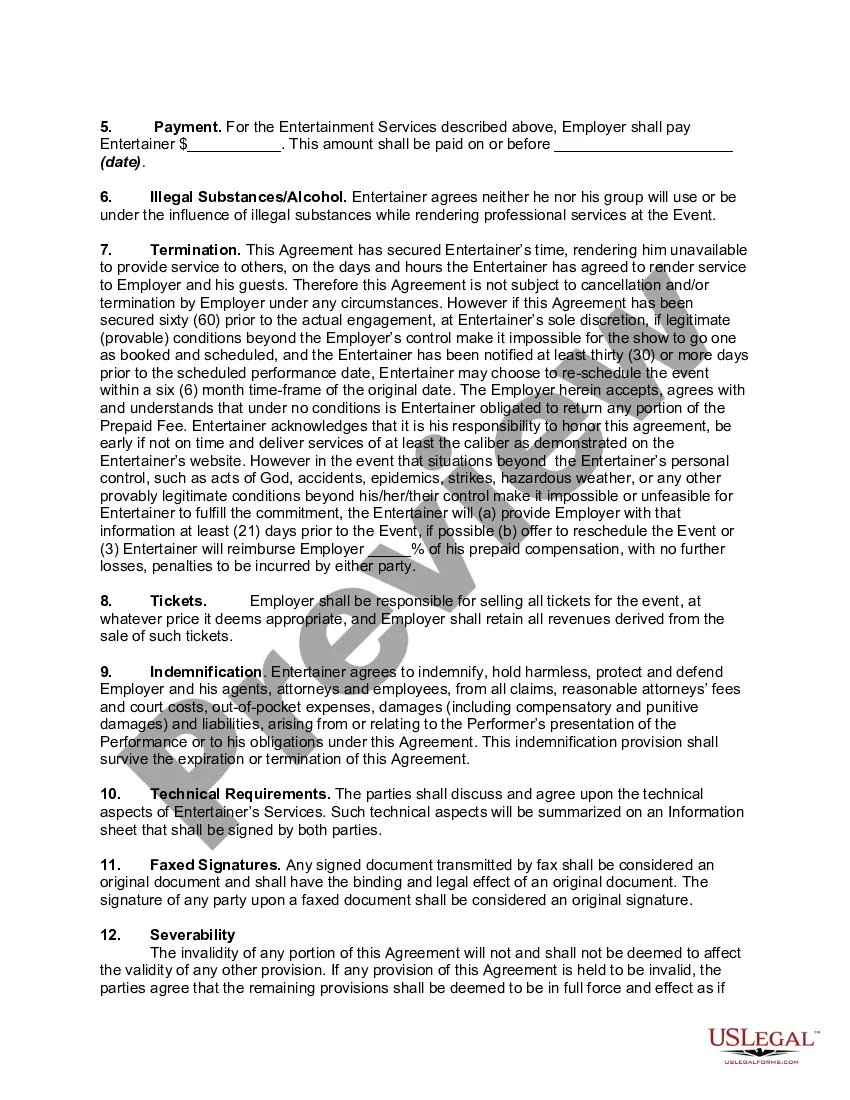
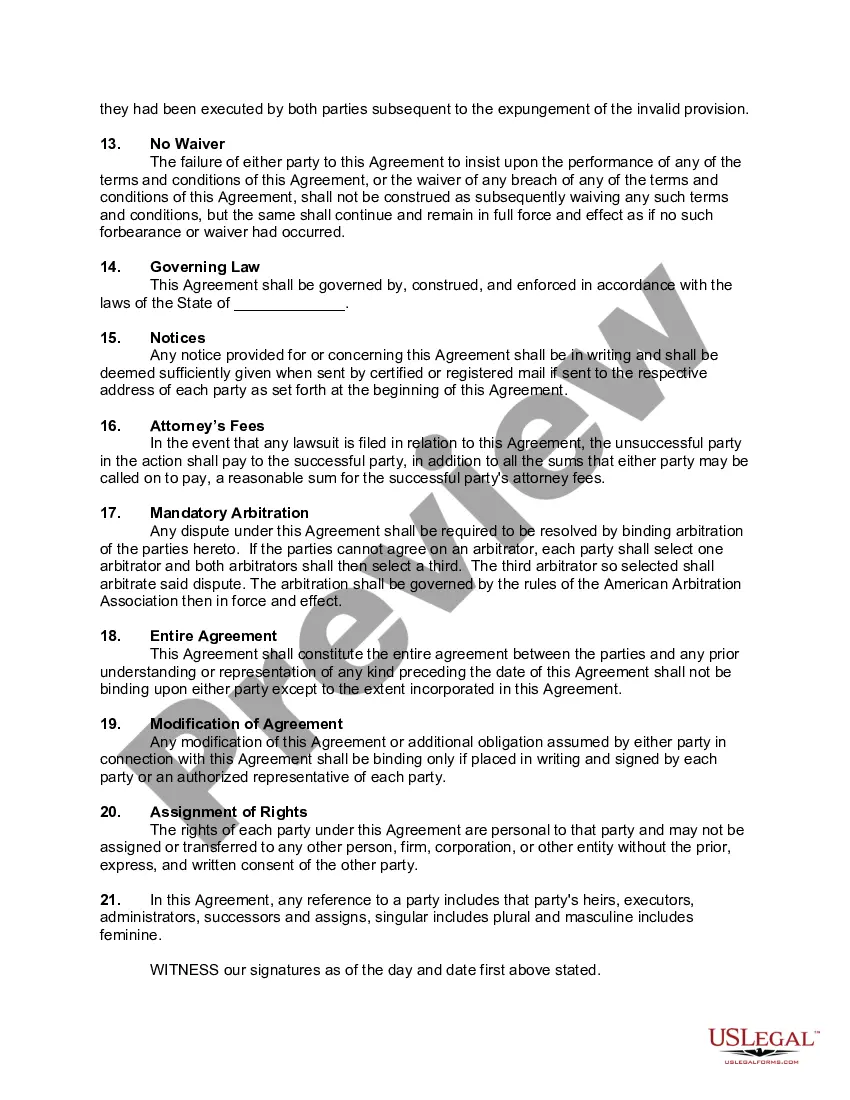
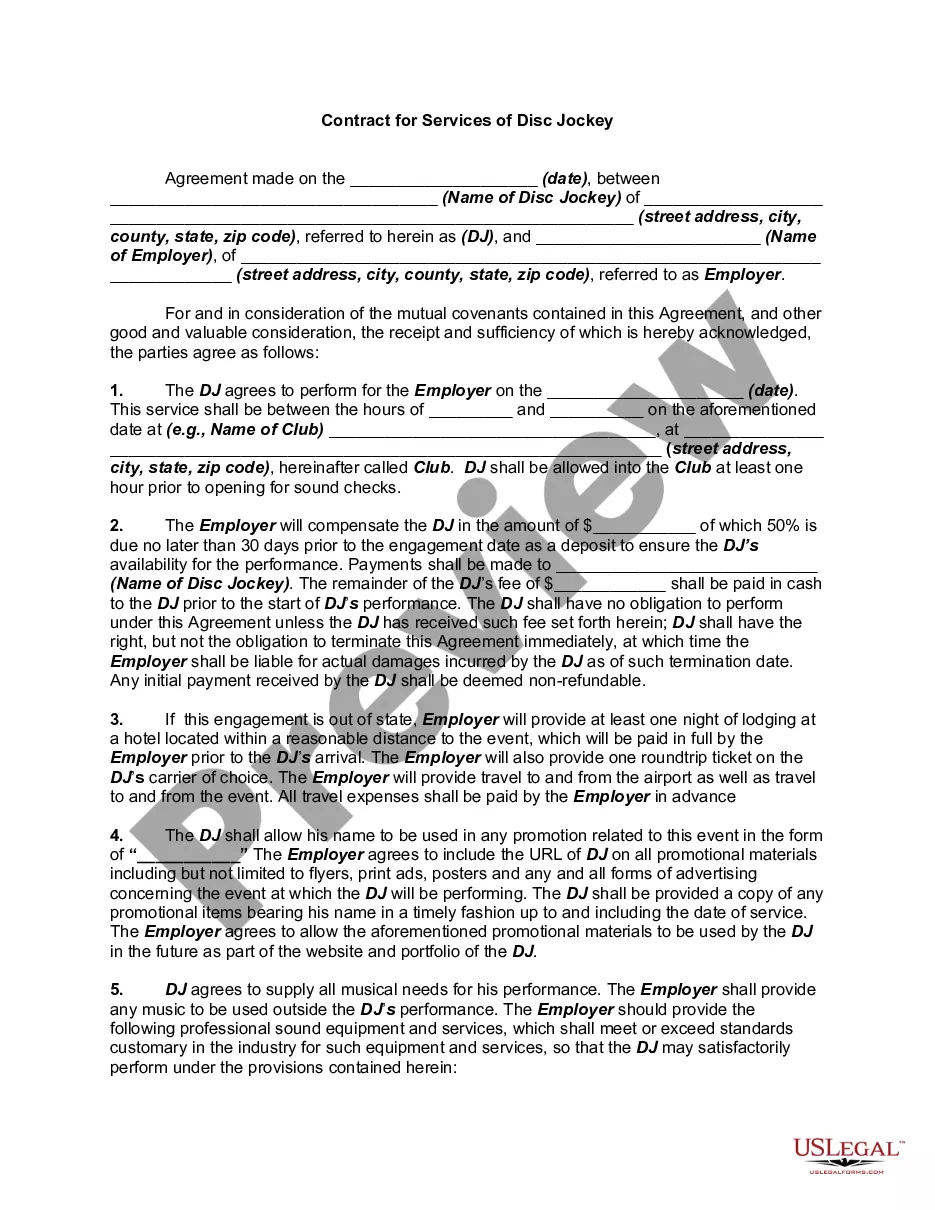
Entertainment Contract Agreement Format In Cook
Description



Get your form ready online
Our built-in tools help you complete, sign, share, and store your documents in one place.
Make edits, fill in missing information, and update formatting in US Legal Forms—just like you would in MS Word.
Download a copy, print it, send it by email, or mail it via USPS—whatever works best for your next step.
Sign and collect signatures with our SignNow integration. Send to multiple recipients, set reminders, and more. Go Premium to unlock E-Sign.
If this form requires notarization, complete it online through a secure video call—no need to meet a notary in person or wait for an appointment.
We protect your documents and personal data by following strict security and privacy standards.

Make edits, fill in missing information, and update formatting in US Legal Forms—just like you would in MS Word.

Download a copy, print it, send it by email, or mail it via USPS—whatever works best for your next step.

Sign and collect signatures with our SignNow integration. Send to multiple recipients, set reminders, and more. Go Premium to unlock E-Sign.

If this form requires notarization, complete it online through a secure video call—no need to meet a notary in person or wait for an appointment.

We protect your documents and personal data by following strict security and privacy standards.
Looking for another form?




Form popularity
FAQ
Write the contract in six steps Start with a contract template. Open with the basic information. Describe in detail what you have agreed to. Include a description of how the contract will be ended. Write into the contract which laws apply and how disputes will be resolved. Include space for signatures.
Most actor contracts are between two and three pages long. The typical term for an actor contract is a certain a number of months after the film or play premieres, although some go on indefinitely. Term lengths can vary greatly! The typical term for an agent or manager contract for actors is about 12 to 18 months.
The contract should clearly outline the role the actor is expected to perform, including the character's name, description, and any specific obligations or requirements. This ensures both parties are on the same page regarding the actor's responsibilities.
Legal Action: If one party breaches the contract, the other party may choose to pursue legal action to enforce the terms of the contract or seek compensation for damages. This could involve filing a lawsuit in civil court to recover losses or obtain injunctive relief.
An effective actor contract template should include the following sections: Personal details: Role specifics: Compensation: Duration: Termination clauses: Confidentiality: Health and safety: Intellectual property:
Key elements of an entertainment contract Parties involved. Clearly identify all parties involved in the contract. Scope of work. Detail the specific services or performances expected. Compensation. Duration of contract. Intellectual property rights. Confidentiality. Termination clauses. Indemnity and liability.
Types of Contracts – Based on Validity Valid Contracts. The Valid Contract as discussed in the topic on “Essentials of a Contract” is an agreement that is legally binding and enforceable. Void Contract Or Agreement. Voidable Contract. Illegal Contract. Unenforceable Contracts.
How to draft a contract between two parties: A step-by-step checklist Know your parties. Agree on the terms. Set clear boundaries. Spell out the consequences. Specify how you will resolve disputes. Cover confidentiality. Check the legality of the contract. Open it up to negotiation.