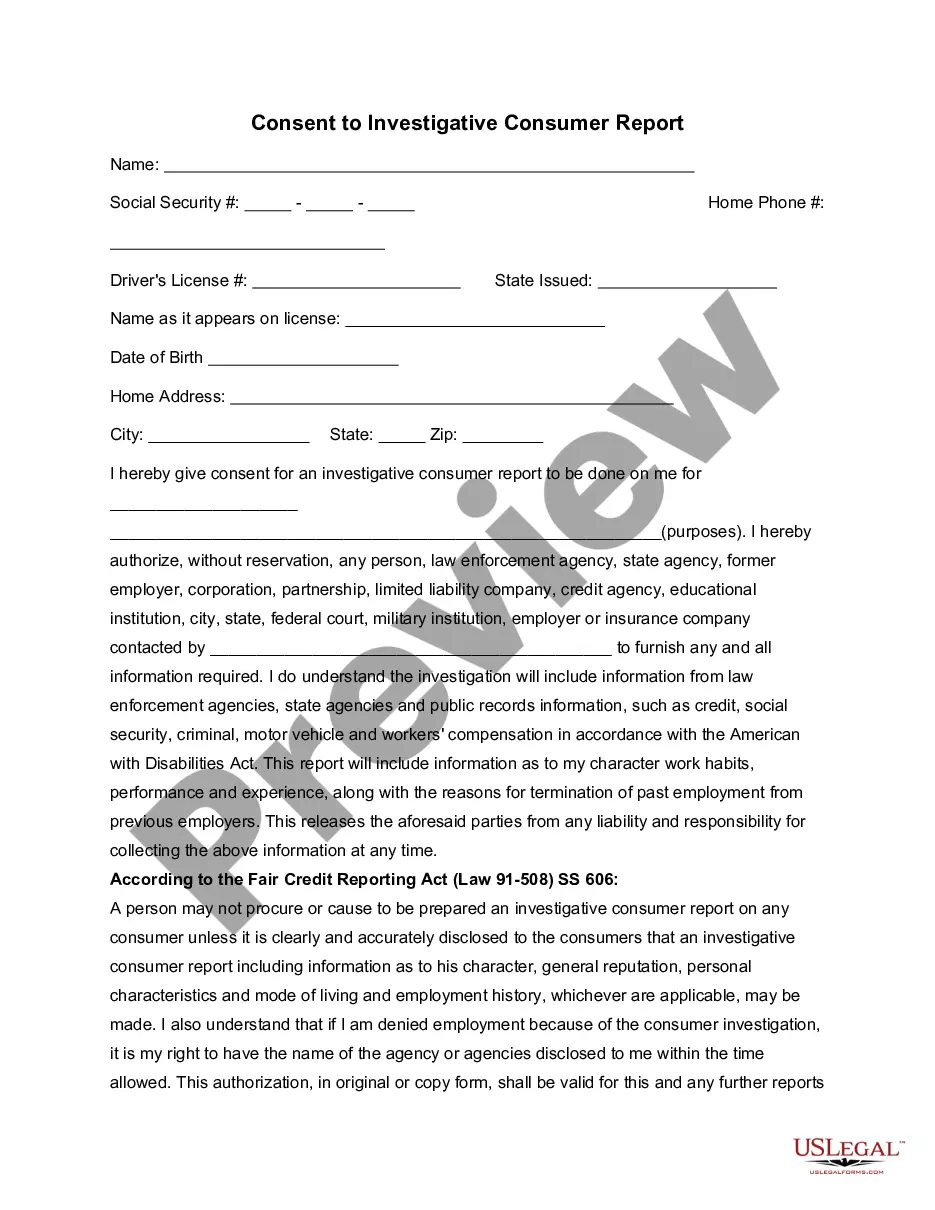
Spouse Application File Without Permission In Los Angeles
Description





Get your form ready online
Our built-in tools help you complete, sign, share, and store your documents in one place.
Make edits, fill in missing information, and update formatting in US Legal Forms—just like you would in MS Word.
Download a copy, print it, send it by email, or mail it via USPS—whatever works best for your next step.
Sign and collect signatures with our SignNow integration. Send to multiple recipients, set reminders, and more. Go Premium to unlock E-Sign.
If this form requires notarization, complete it online through a secure video call—no need to meet a notary in person or wait for an appointment.
We protect your documents and personal data by following strict security and privacy standards.

Make edits, fill in missing information, and update formatting in US Legal Forms—just like you would in MS Word.

Download a copy, print it, send it by email, or mail it via USPS—whatever works best for your next step.

Sign and collect signatures with our SignNow integration. Send to multiple recipients, set reminders, and more. Go Premium to unlock E-Sign.

If this form requires notarization, complete it online through a secure video call—no need to meet a notary in person or wait for an appointment.

We protect your documents and personal data by following strict security and privacy standards.
Looking for another form?







Form popularity
FAQ
There are many ways you can respond to your spouse's delay tactics. The most common option is to file a request to set a definite trial date. This option gives both sides a clear-cut date on which they need to be ready to resolve the case. A clear-cut date often encourages meaningful settlement discussions.
The 6-month rule for divorce in California stipulates that at least six months must pass from the time a divorce petition is served before a court can finalize the divorce.
What is a Default Divorce in California? If due diligence fails and the spouse successfully avoids the attempts to serve the papers, the process moves into a default divorce process.
California has no specific limit on how long a spouse may drag out your divorce, but the court has some mechanisms in place to deal with uncooperative spouses. This typically involves issuing court orders to ensure divorce cases progress in a timely manner.
Cases involving spousal support, child custody disputes, and child support arguments can take longer to resolve than simple cases without these issues. At the maximum, a single divorce case can take 5 years, because the petition expires after 5 years.
As we mentioned, there isn't a specific limit on how long a divorce case may last in California, but there are ways to continue with the divorce proceedings. Beyond the six-month waiting period, your spouse may try to drag out your case even longer.
If you don't file a response within 30 days of getting the Petition form, your spouse or domestic partner can ask for a default. If there's a default, the court won't let you file a response and can decide the case without you. If it's been more than 30 days, check with the court to see if your spouse got a default.
If you and your spouse file in different California counties, it will matter not who filed first but who gets the other spouse served first. That determines which county's Superior Court will handle the case. But once the court is determined, the two parties have the same procedural rights.
Under the Freedom of Information Act (FOIA) and the Privacy Act (PA), you can request: Your own immigration records; Someone else's immigration records, if you have their written permission; and. Agency policies, data, communications, and other records.
The USCIS arrival records and A-Files are available through the USCIS Freedom of Information Act Program (FOIA).