Child Support Form For Taxes In Phoenix
Description

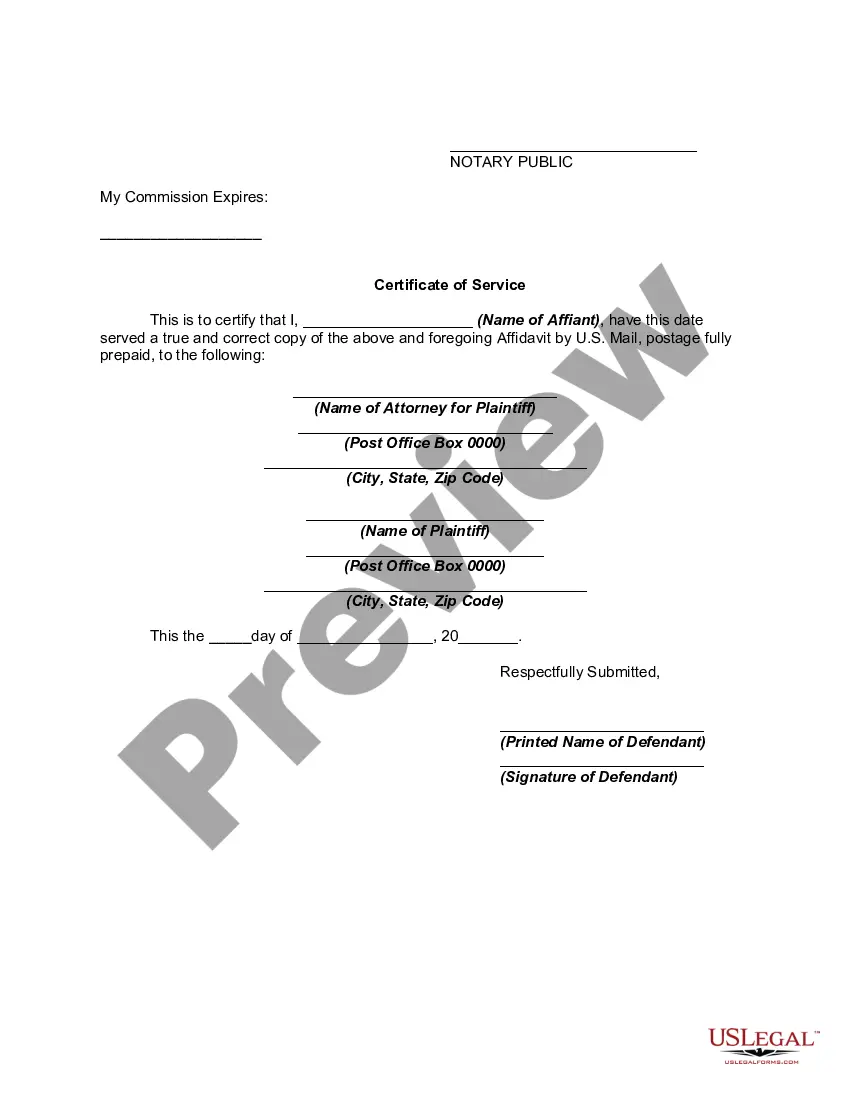




Get your form ready online
Our built-in tools help you complete, sign, share, and store your documents in one place.
Make edits, fill in missing information, and update formatting in US Legal Forms—just like you would in MS Word.
Download a copy, print it, send it by email, or mail it via USPS—whatever works best for your next step.
Sign and collect signatures with our SignNow integration. Send to multiple recipients, set reminders, and more. Go Premium to unlock E-Sign.
If this form requires notarization, complete it online through a secure video call—no need to meet a notary in person or wait for an appointment.
We protect your documents and personal data by following strict security and privacy standards.

Make edits, fill in missing information, and update formatting in US Legal Forms—just like you would in MS Word.

Download a copy, print it, send it by email, or mail it via USPS—whatever works best for your next step.

Sign and collect signatures with our SignNow integration. Send to multiple recipients, set reminders, and more. Go Premium to unlock E-Sign.

If this form requires notarization, complete it online through a secure video call—no need to meet a notary in person or wait for an appointment.

We protect your documents and personal data by following strict security and privacy standards.
Looking for another form?



Form popularity
FAQ
Child support payments are not subject to tax. Child support payments are not taxable to the recipient (and not deductible by the payer). When you calculate your gross income to see whether you're required to file a tax return, don't include child support payments received.
Child support payments are not subject to tax. Child support payments are not taxable to the recipient (and not deductible by the payer). When you calculate your gross income to see whether you're required to file a tax return, don't include child support payments received.
Child support is not taxable and is not supposed to be entered on a tax return. It is also not deductible for the person who is paying child support.
Child Support Payments are Not Taxable Income: Recipient parents do not need to report child support payments as taxable income. The purpose of child support is to ensure that the children's financial needs are met without affecting the tax status of the receiving parent.
You can claim a child as a dependent if he or she is your qualifying child. Generally, the child is the qualifying child of the custodial parent. The custodial parent is the parent with whom the child lived for the longer period of time during the year.
If the parties lived apart before the date of the filing for dissolution of marriage, legal separation, maintenance or child support and if child support has not been ordered by a child support order, the court may order child support retroactively to the date of separation, but not more than three years before the ...
How Far Back Can Retroactive Child Support Be Ordered in Arizona? Arizona Revised Statute 25-320 guides retroactive child support. ing to this statute, retroactive child support can typically be ordered for a period of up to three years before the date a petition for child support is filed.
Child support payments are not subject to tax. Child support payments are not taxable to the recipient (and not deductible by the payer). When you calculate your gross income to see whether you're required to file a tax return, don't include child support payments received.
- Medical expenses Medical expenses are 100% deductible as an Arizona itemized deduction. Federal itemized deductions are disallowed if they don't meet the Federal threshold. - Interest on US Savings Bonds A state deduction equal to the federal taxable amount of interest earned on United States savings bonds.
