Motion To Strike Form For Jury Trial In Dallas
Description
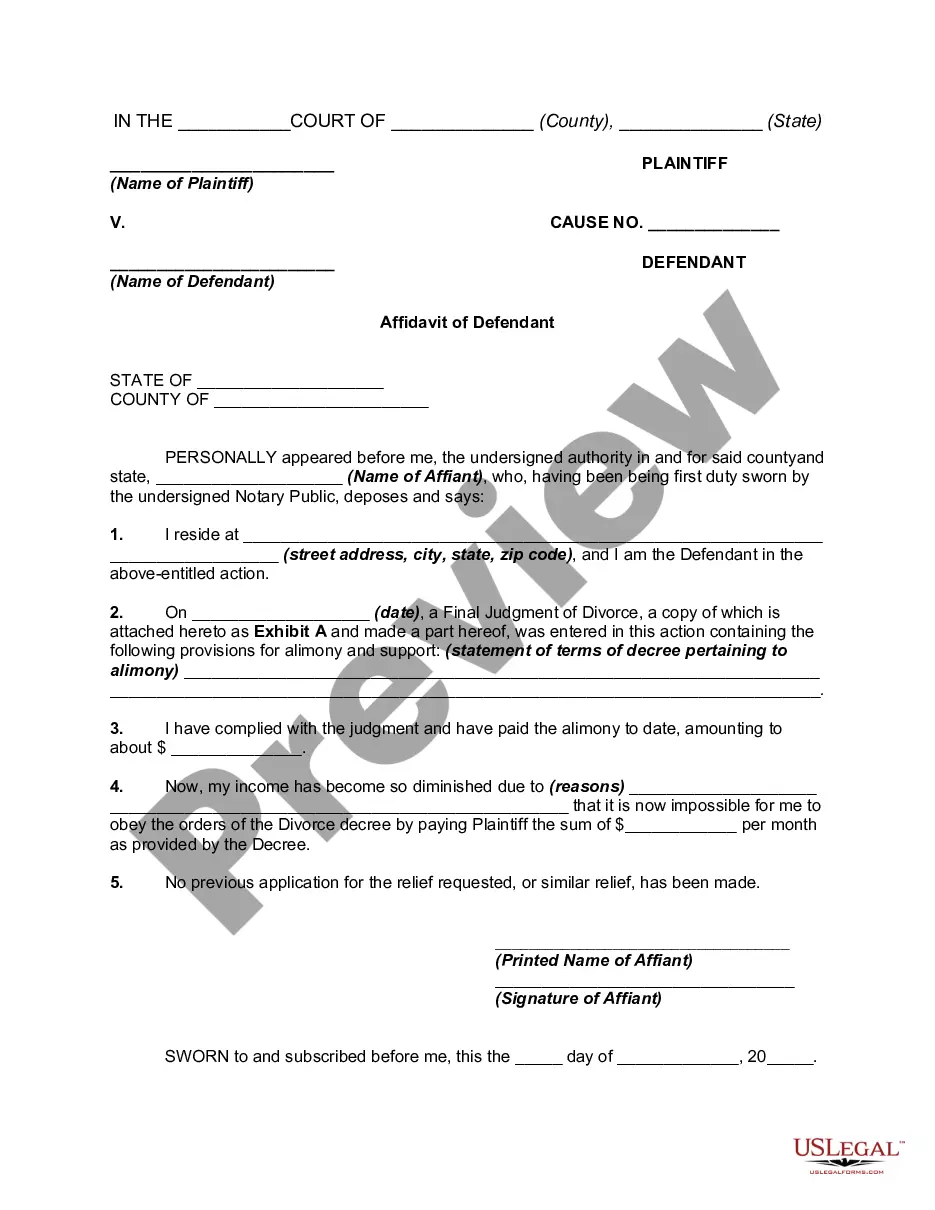
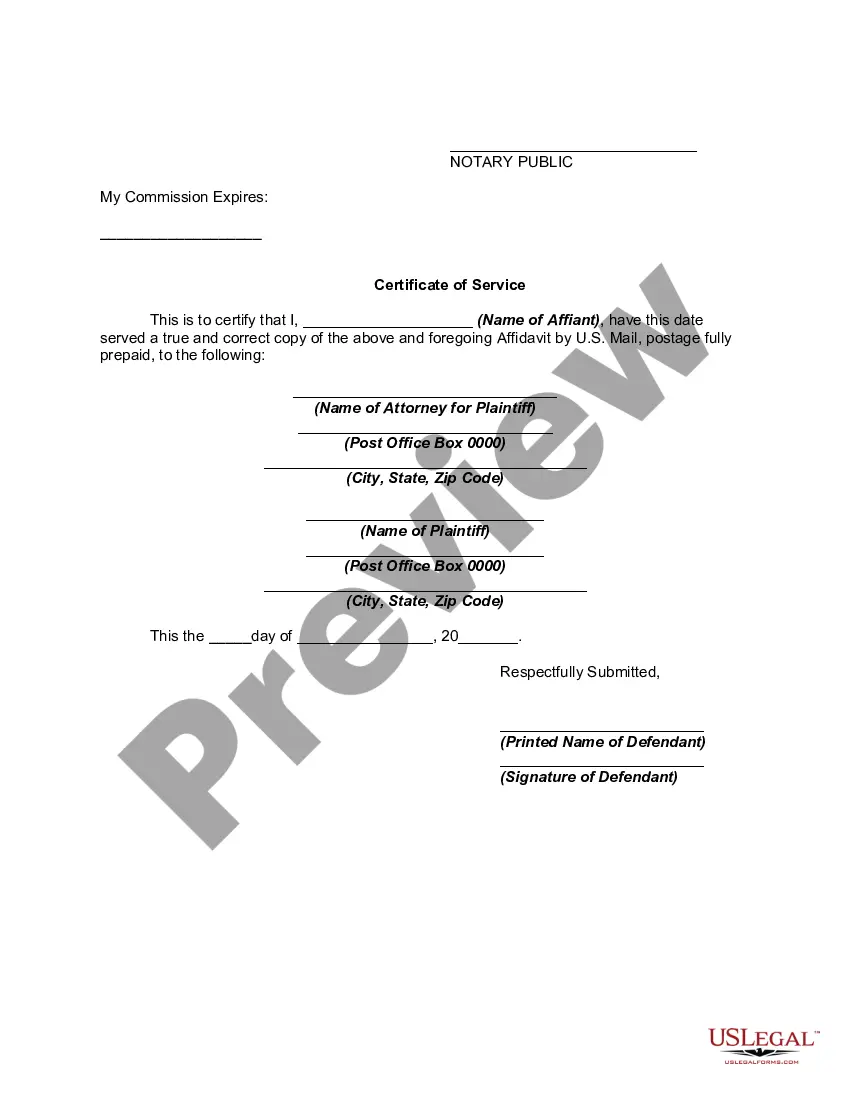
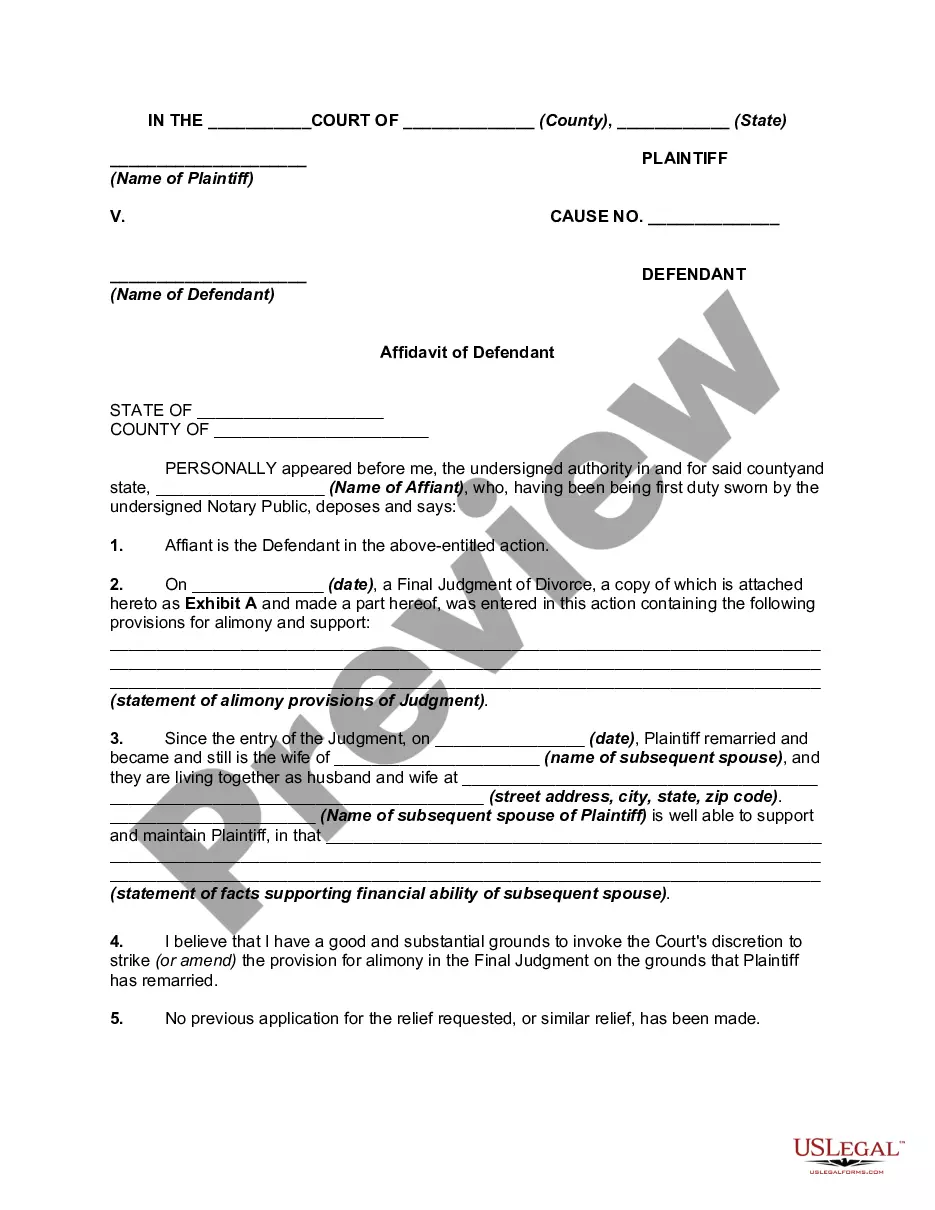
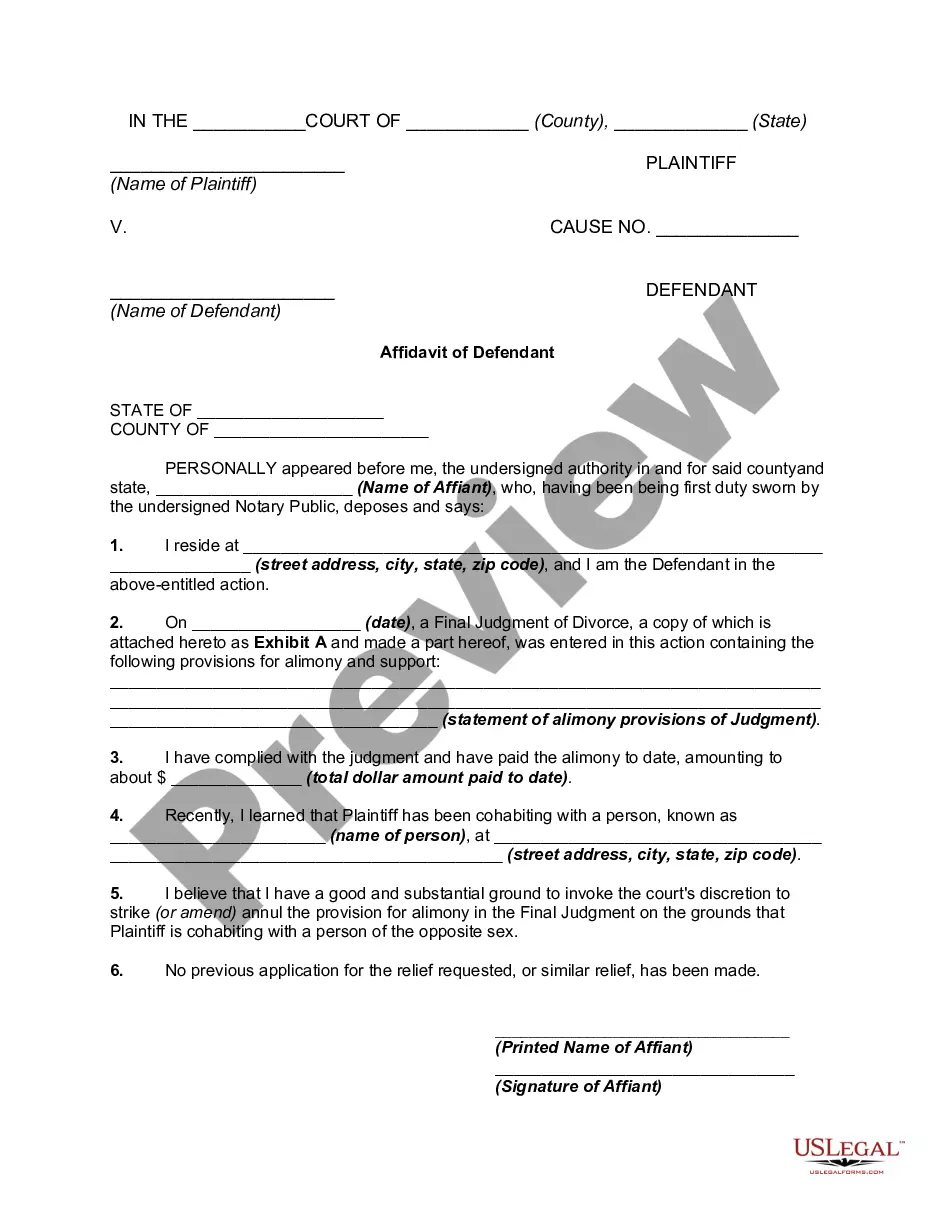
Get your form ready online
Our built-in tools help you complete, sign, share, and store your documents in one place.
Make edits, fill in missing information, and update formatting in US Legal Forms—just like you would in MS Word.
Download a copy, print it, send it by email, or mail it via USPS—whatever works best for your next step.
Sign and collect signatures with our SignNow integration. Send to multiple recipients, set reminders, and more. Go Premium to unlock E-Sign.
If this form requires notarization, complete it online through a secure video call—no need to meet a notary in person or wait for an appointment.
We protect your documents and personal data by following strict security and privacy standards.

Make edits, fill in missing information, and update formatting in US Legal Forms—just like you would in MS Word.

Download a copy, print it, send it by email, or mail it via USPS—whatever works best for your next step.

Sign and collect signatures with our SignNow integration. Send to multiple recipients, set reminders, and more. Go Premium to unlock E-Sign.

If this form requires notarization, complete it online through a secure video call—no need to meet a notary in person or wait for an appointment.

We protect your documents and personal data by following strict security and privacy standards.
Looking for another form?
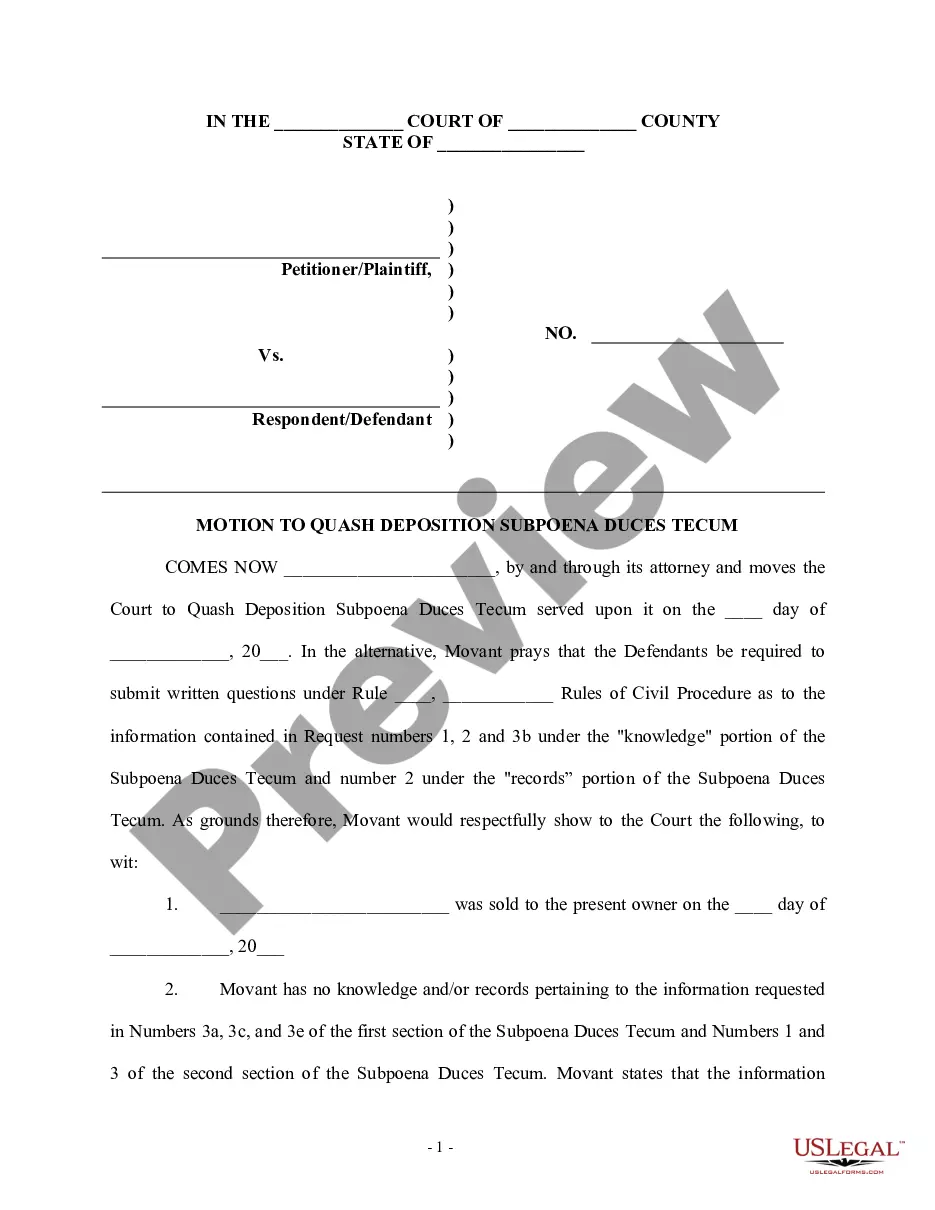

Form popularity
FAQ
After filing, an affidavit is examined for its accuracy and adherence to legal requirements. It then becomes part of official court records and is accessible to relevant parties. Attorneys may use the affidavit to understand the merit of a case, cross-examine witnesses, and challenge or prove claims.
However, in criminal cases, the State of Texas, the Federal government, or both, through their prosecutors bring their cases against the defendant. They are the ones that have the power to drop the case or move forward with prosecution. You do not. You can only request that the prosecution “drop the charges.”
A motion to strike is a request to a judge that part of a party's pleading or a piece of evidence be removed from the record. During the pleading stage, this can be accomplished by a tool such as Rule 12(f) of the Federal Rules of Civil Procedure or a state equivalent.
Defining the Affidavit of Non Prosecution Typically used in instances such as domestic violence or simple assault, it's a formal statement that indicates the complainant's desire to rescind their original allegation or cease further legal action.
The affidavit of heirship is a legal document commonly used in Texas when a person passes away without leaving a valid will (intestate) and real property is involved. This affidavit serves as evidence to determine the rightful heirs of the deceased individual and their respective interests in the property.
An affidavit of non-prosecution serves as a formal declaration by the alleged victim that they do not wish to participate in the prosecution process. This document can be submitted to the prosecutor's office or the court as evidence of the victim's intentions not to cooperate. It must be notarized.
A motion to dismiss asks the court to dismiss either whole or part of a complaint, counterclaim, or crossclaim. Motion to strike or "Demurrer": In some jurisdictions, a motion to strike or a "demurrer" is the equivalent to a motion to dismiss for failure to state a claim upon which relief can be granted.
If a motion to strike a complaint or cross-complaint, or portion thereof, is denied, the court shall allow the party filing the motion to strike to file an answer.
If you want to file a motion, the process is generally something like this: You write your motion. You file your motion with the court clerk. The court clerk inserts the date and time your motion will be heard by the judge. You “serve” (mail) your motion to the other side.