Alimony And Child Support In California In Bronx
Description
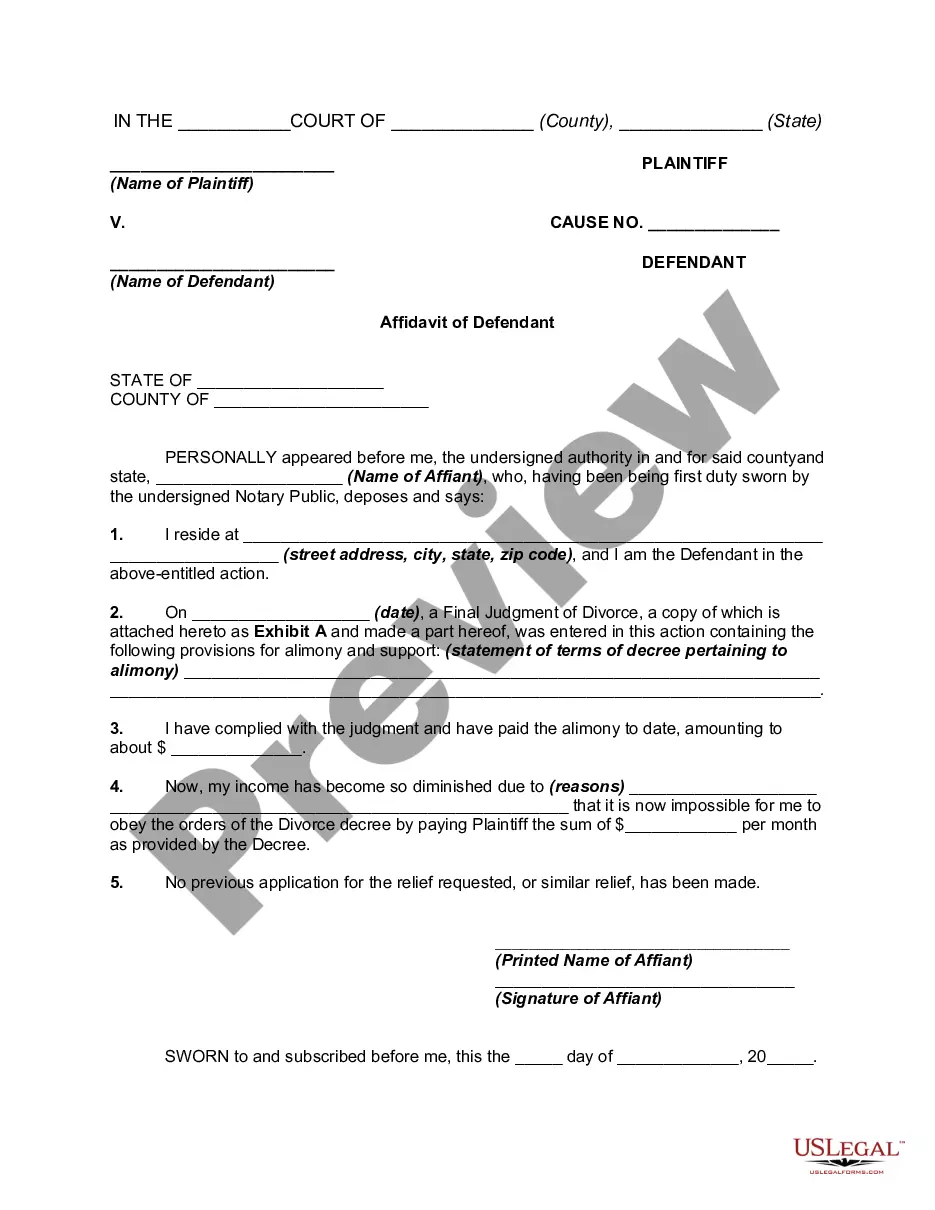
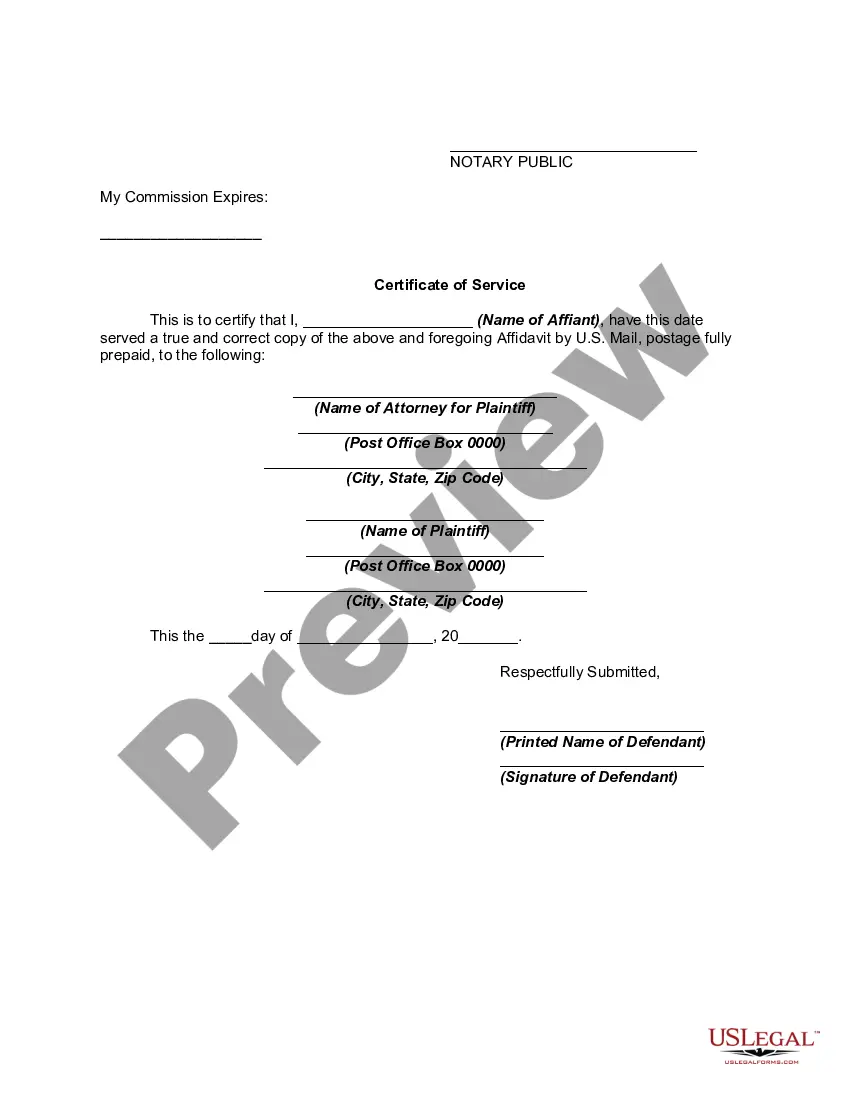
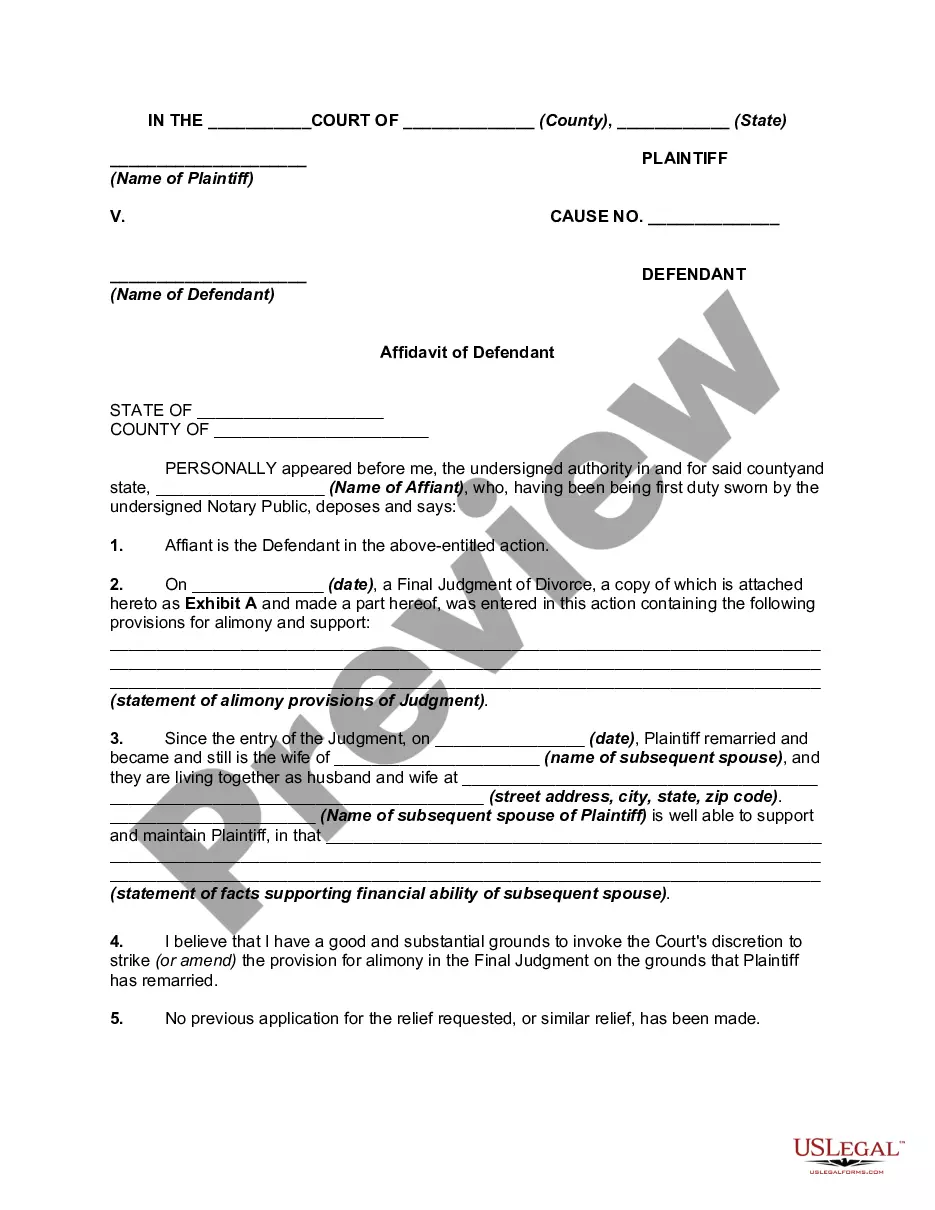
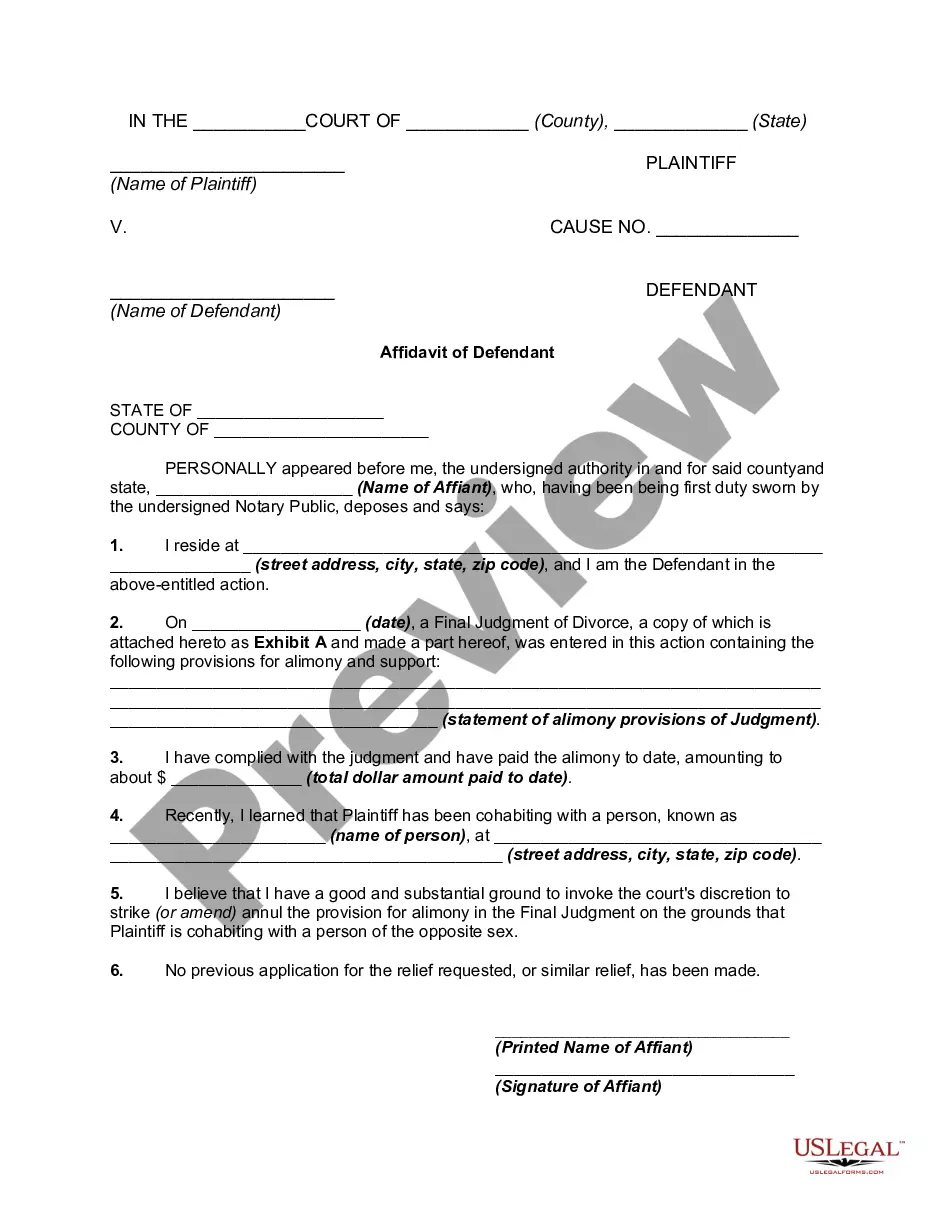
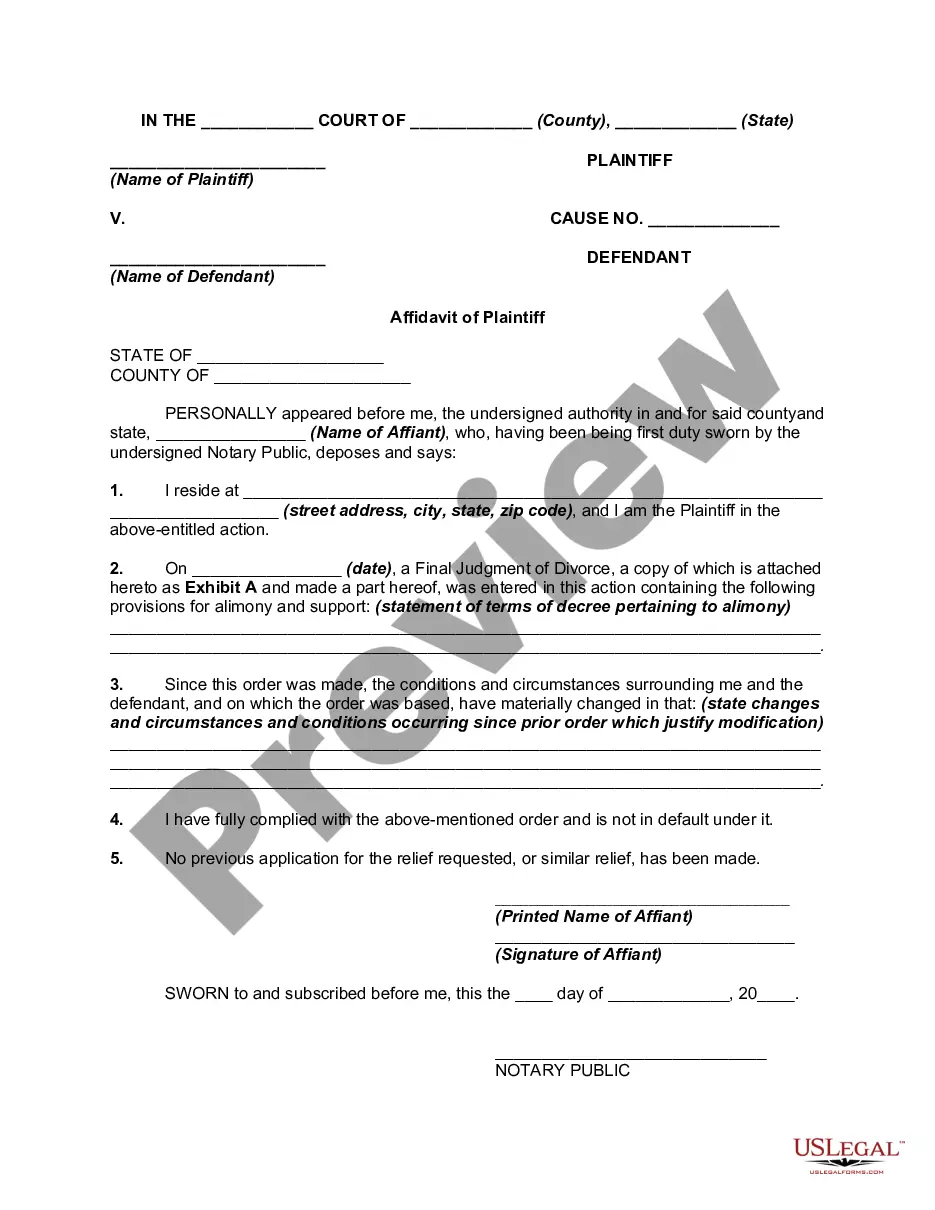
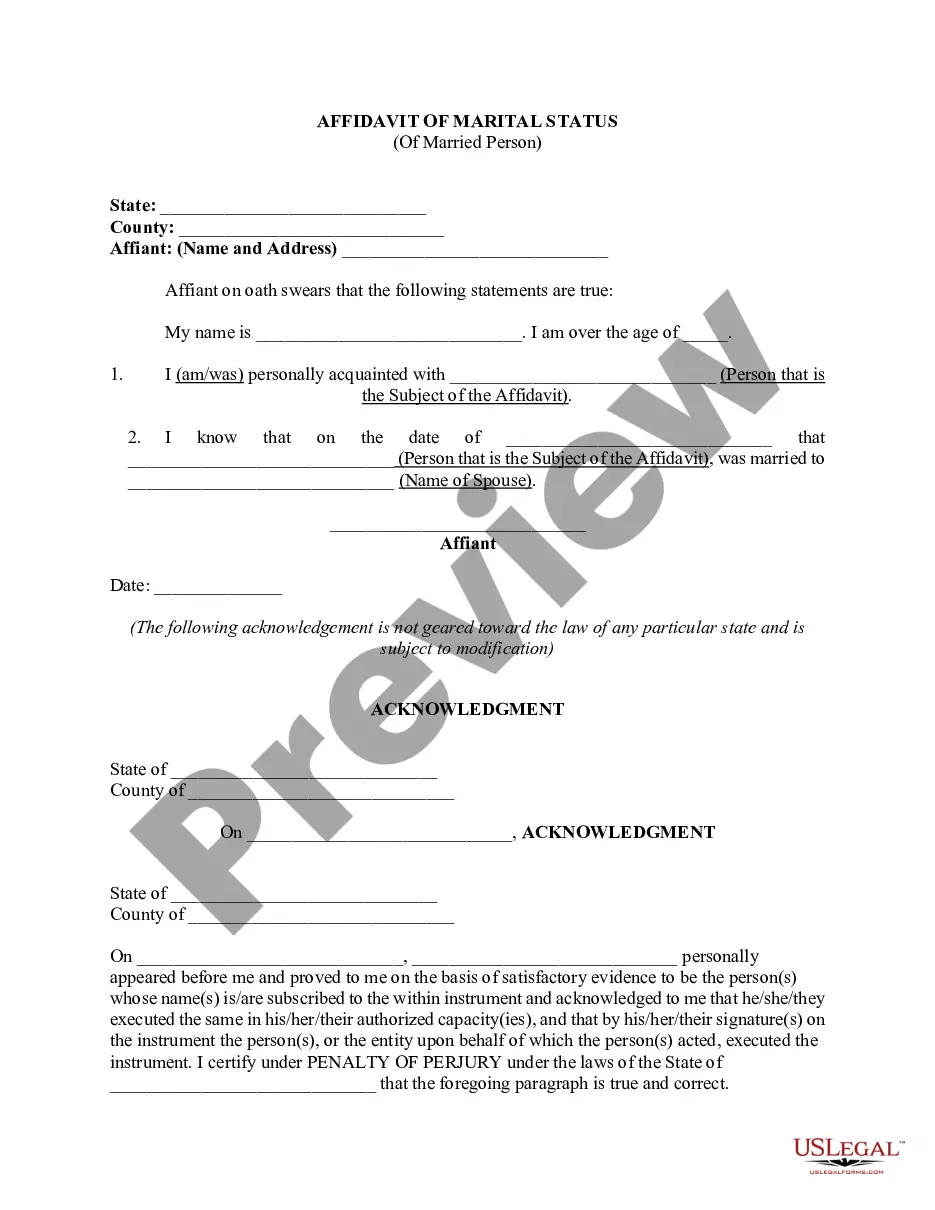
Get your form ready online
Our built-in tools help you complete, sign, share, and store your documents in one place.
Make edits, fill in missing information, and update formatting in US Legal Forms—just like you would in MS Word.
Download a copy, print it, send it by email, or mail it via USPS—whatever works best for your next step.
Sign and collect signatures with our SignNow integration. Send to multiple recipients, set reminders, and more. Go Premium to unlock E-Sign.
If this form requires notarization, complete it online through a secure video call—no need to meet a notary in person or wait for an appointment.
We protect your documents and personal data by following strict security and privacy standards.

Make edits, fill in missing information, and update formatting in US Legal Forms—just like you would in MS Word.

Download a copy, print it, send it by email, or mail it via USPS—whatever works best for your next step.

Sign and collect signatures with our SignNow integration. Send to multiple recipients, set reminders, and more. Go Premium to unlock E-Sign.

If this form requires notarization, complete it online through a secure video call—no need to meet a notary in person or wait for an appointment.

We protect your documents and personal data by following strict security and privacy standards.
Looking for another form?
Form popularity
FAQ
Child support is never deductible and isn't considered income. Additionally, if a divorce or separation instrument provides for alimony and child support, and the payer spouse pays less than the total required, the payments apply to child support first. Only the remaining amount is considered alimony.
A: The standard child support percentage in California is 25%. This means that, in general, 25% of the non-custodial parent's net income goes to one child. For two children, it's 40%; for three children, it's 50%; for four kids, 60%; and for five or more, a higher percentage is determined.
The child support formula in California is expressed as CS = K (HN – (H%)(TN)), where CS is the child support amount, K is the combined total income to be allocated to child support, HN is the higher-earning parent's net monthly disposable income, H% represents the time spent by the higher-earning parent with the child ...
Misconduct: Certain behaviors can also lead to the disqualification of alimony. For instance, if a spouse is found to have engaged in financial misconduct, such as hiding assets or failing to disclose financial information during the divorce proceedings, this can result in disqualification.
The guideline states that the paying spouse's support be presumptively 40% of his or her net monthly income, reduced by one-half of the receiving spouse's net monthly income. If child support is an issue, spousal support is calculated after child support is calculated.
The courts in many California counties use a formula as a guideline for calculating the amount of temporary spousal support. These guidelines vary, but one common formula for the monthly amount of support is 40% of the high earner's net monthly income minus 50% of the low earner's net monthly income.