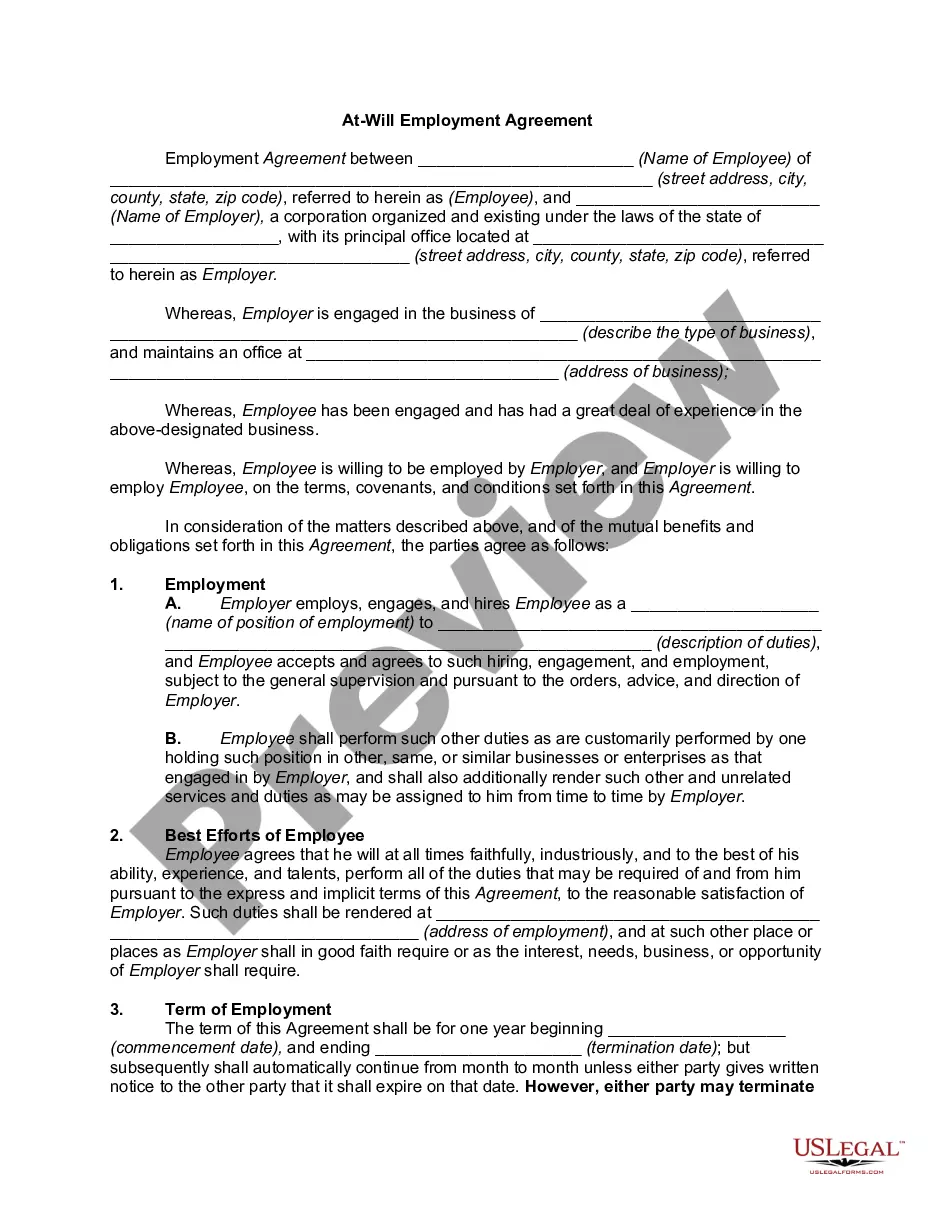
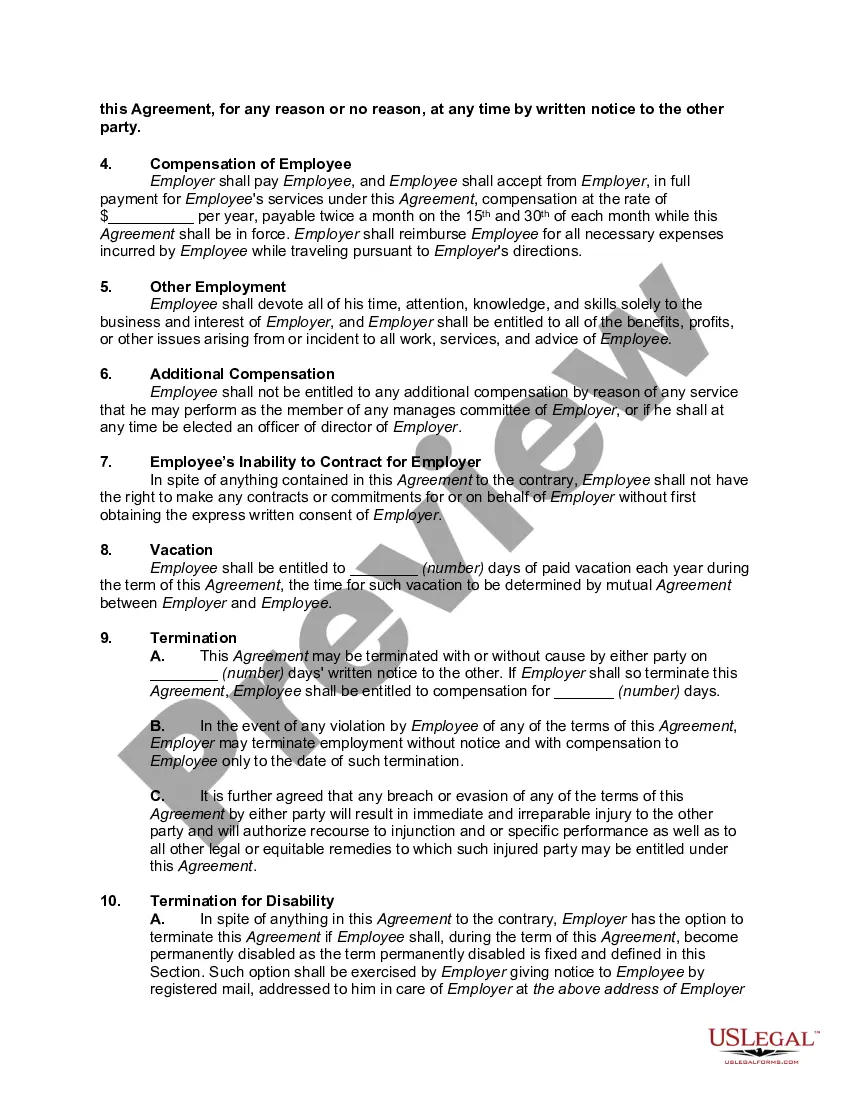
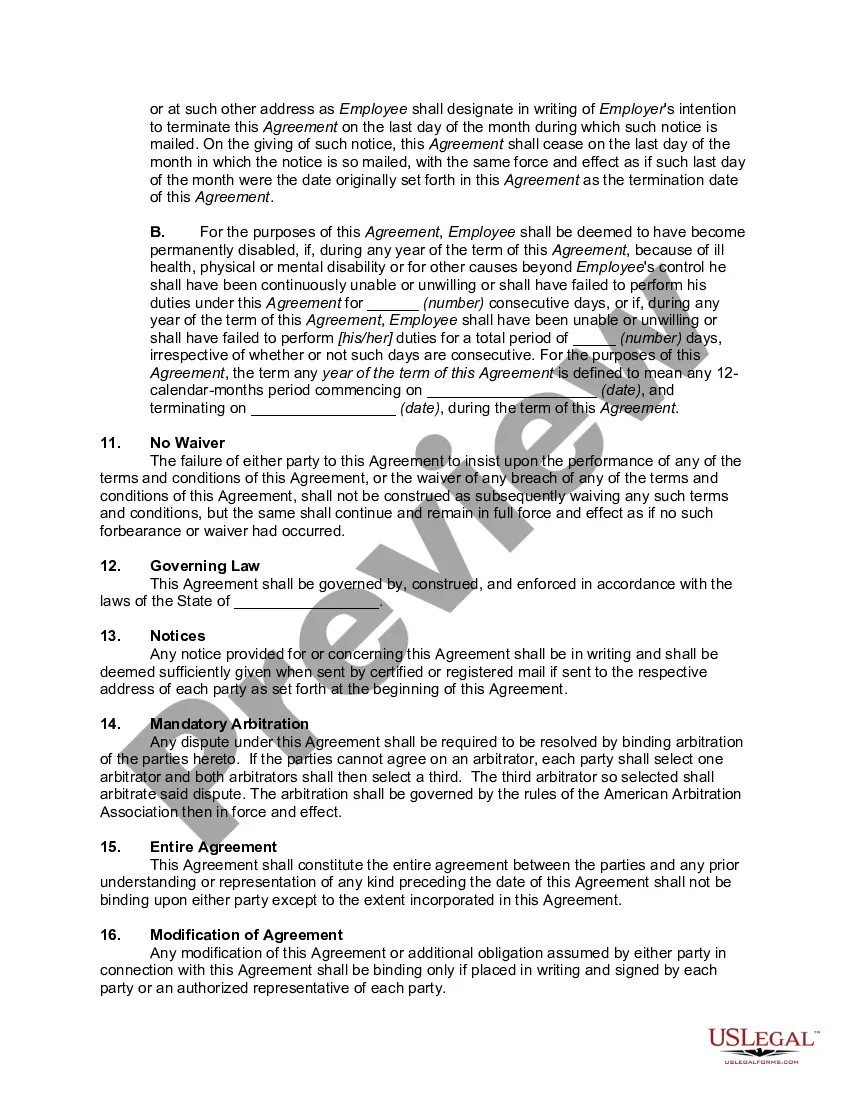
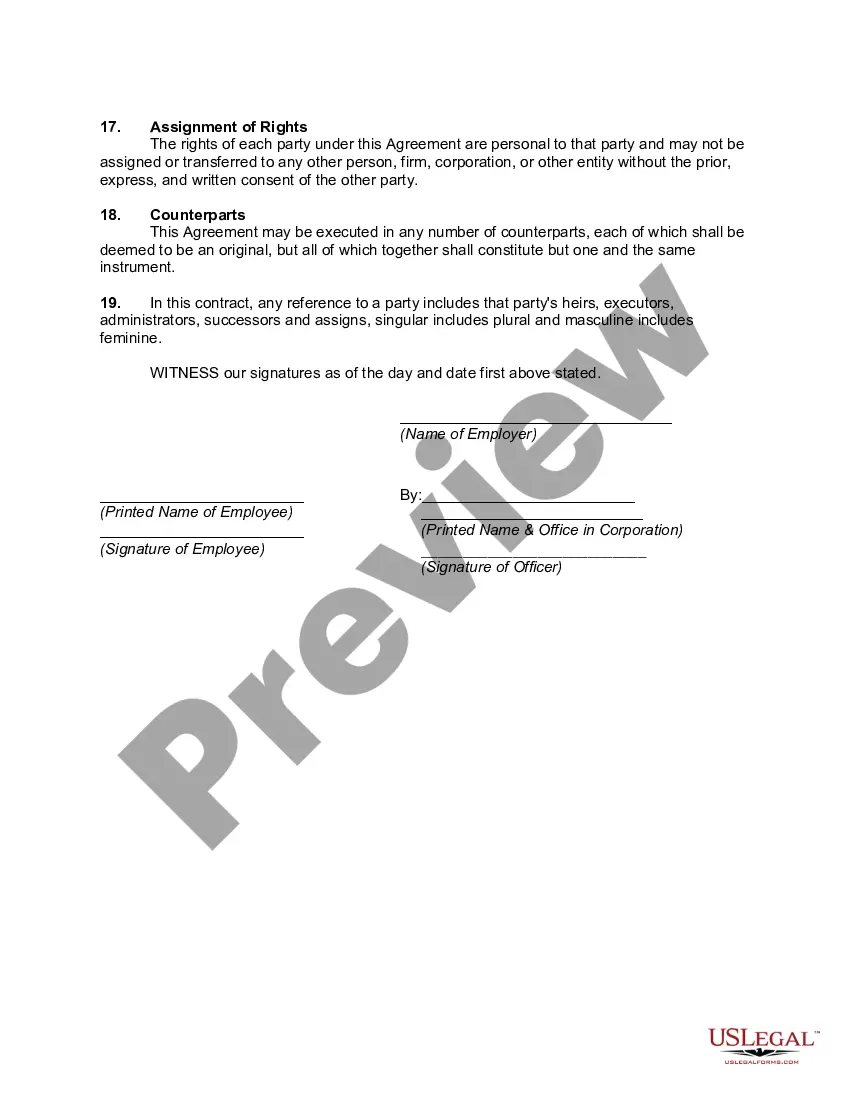
At-will Employment Example In San Antonio
Description
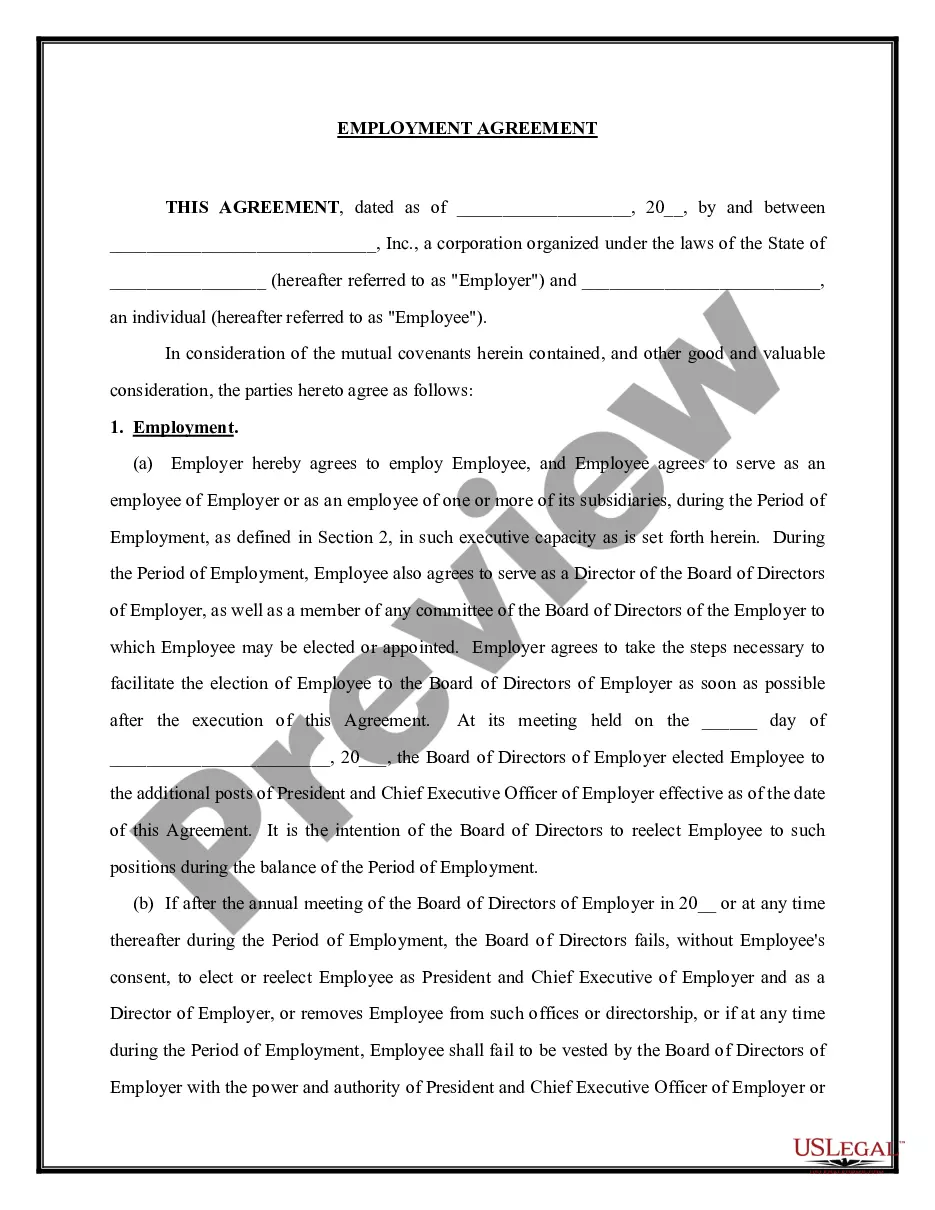
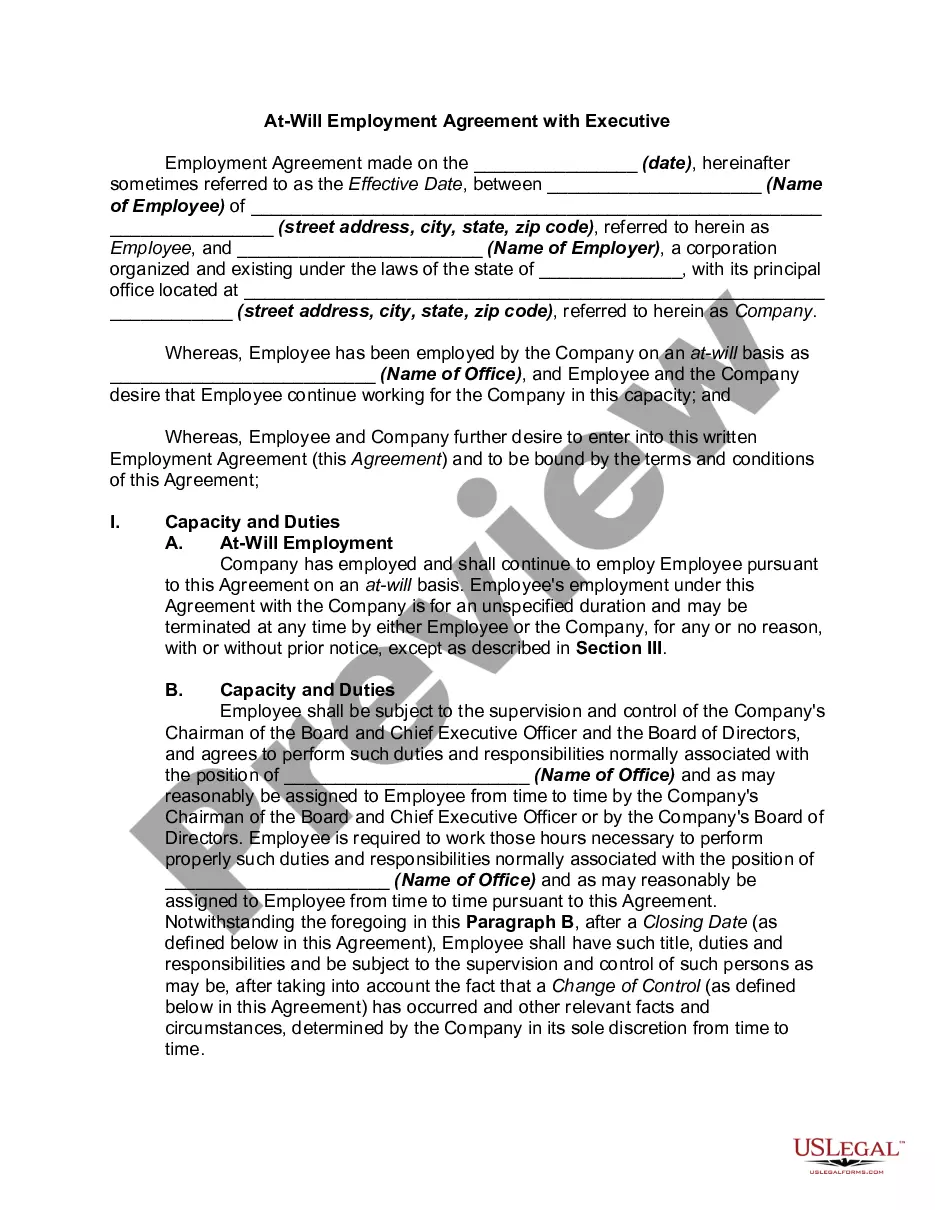
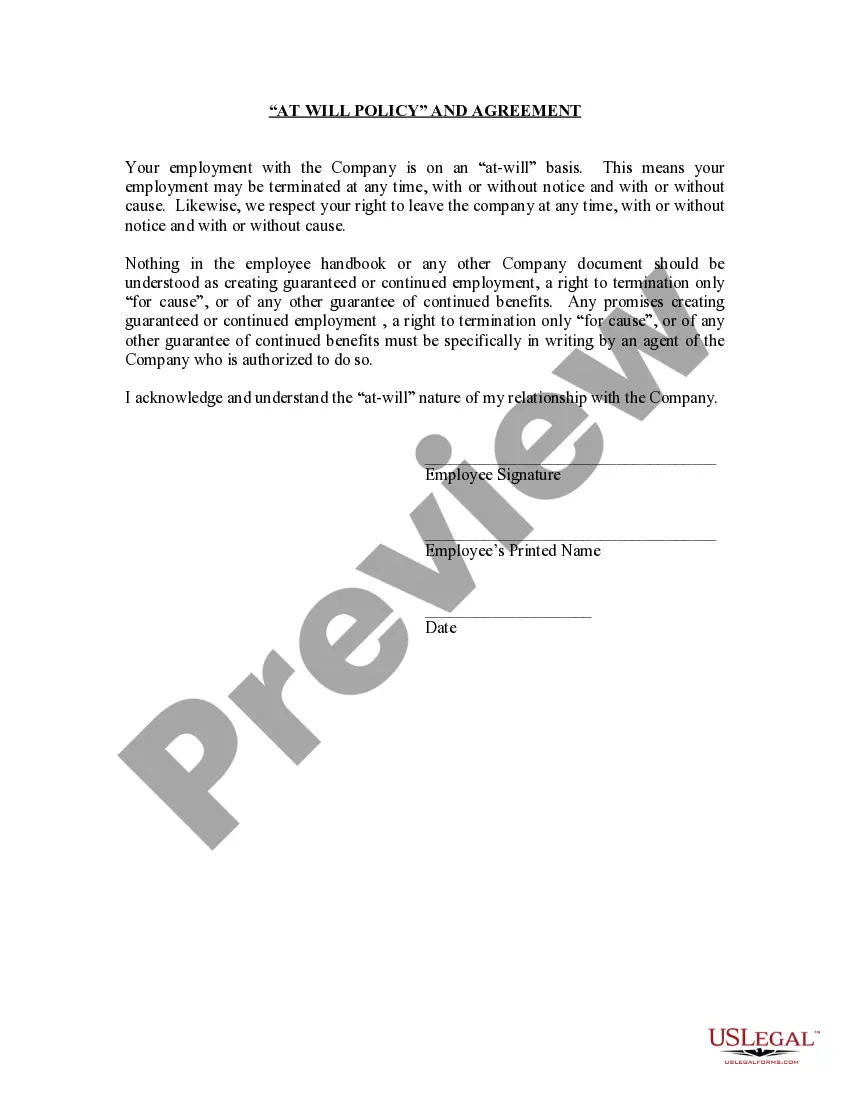
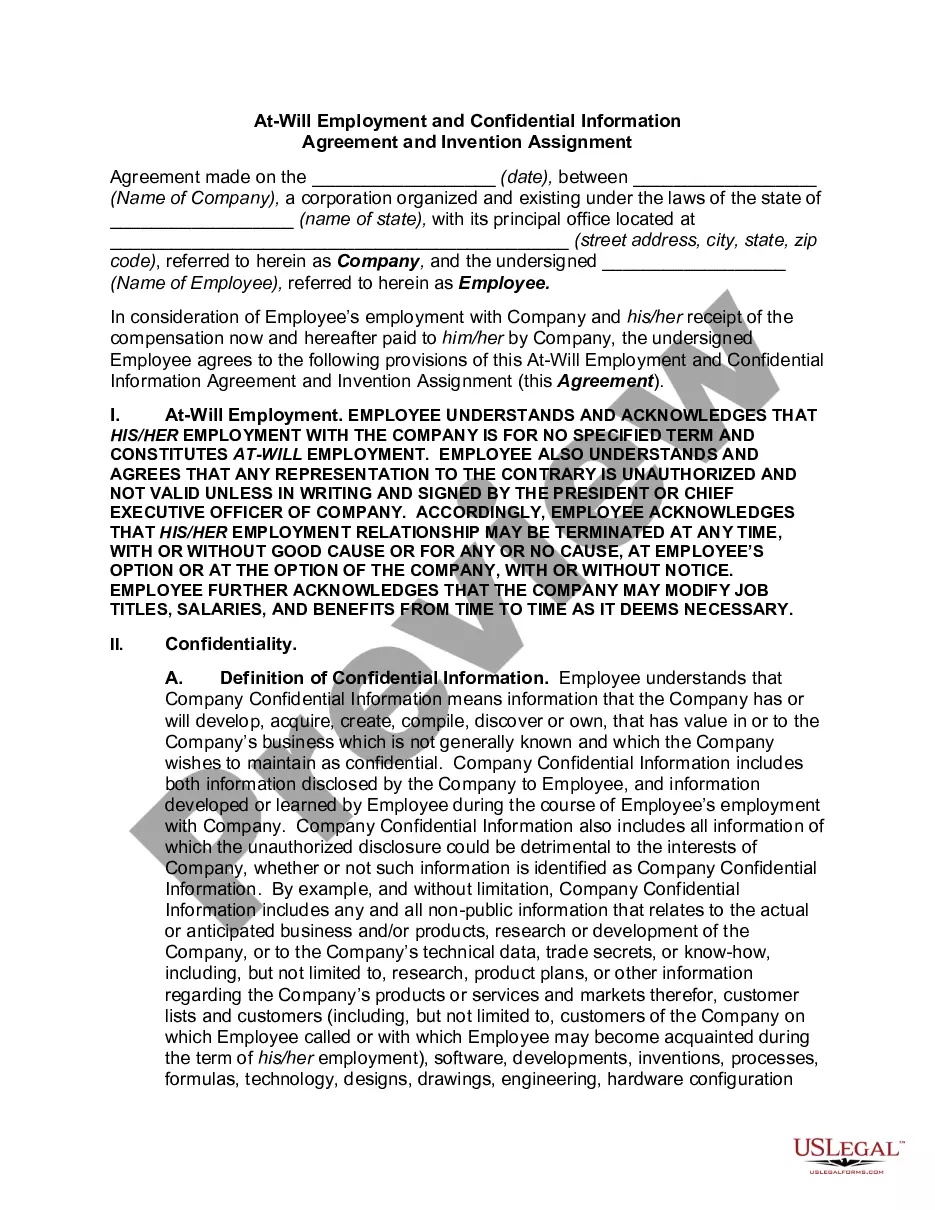
Get your form ready online
Our built-in tools help you complete, sign, share, and store your documents in one place.
Make edits, fill in missing information, and update formatting in US Legal Forms—just like you would in MS Word.
Download a copy, print it, send it by email, or mail it via USPS—whatever works best for your next step.
Sign and collect signatures with our SignNow integration. Send to multiple recipients, set reminders, and more. Go Premium to unlock E-Sign.
If this form requires notarization, complete it online through a secure video call—no need to meet a notary in person or wait for an appointment.
We protect your documents and personal data by following strict security and privacy standards.

Make edits, fill in missing information, and update formatting in US Legal Forms—just like you would in MS Word.

Download a copy, print it, send it by email, or mail it via USPS—whatever works best for your next step.

Sign and collect signatures with our SignNow integration. Send to multiple recipients, set reminders, and more. Go Premium to unlock E-Sign.

If this form requires notarization, complete it online through a secure video call—no need to meet a notary in person or wait for an appointment.

We protect your documents and personal data by following strict security and privacy standards.
Looking for another form?








Form popularity
FAQ
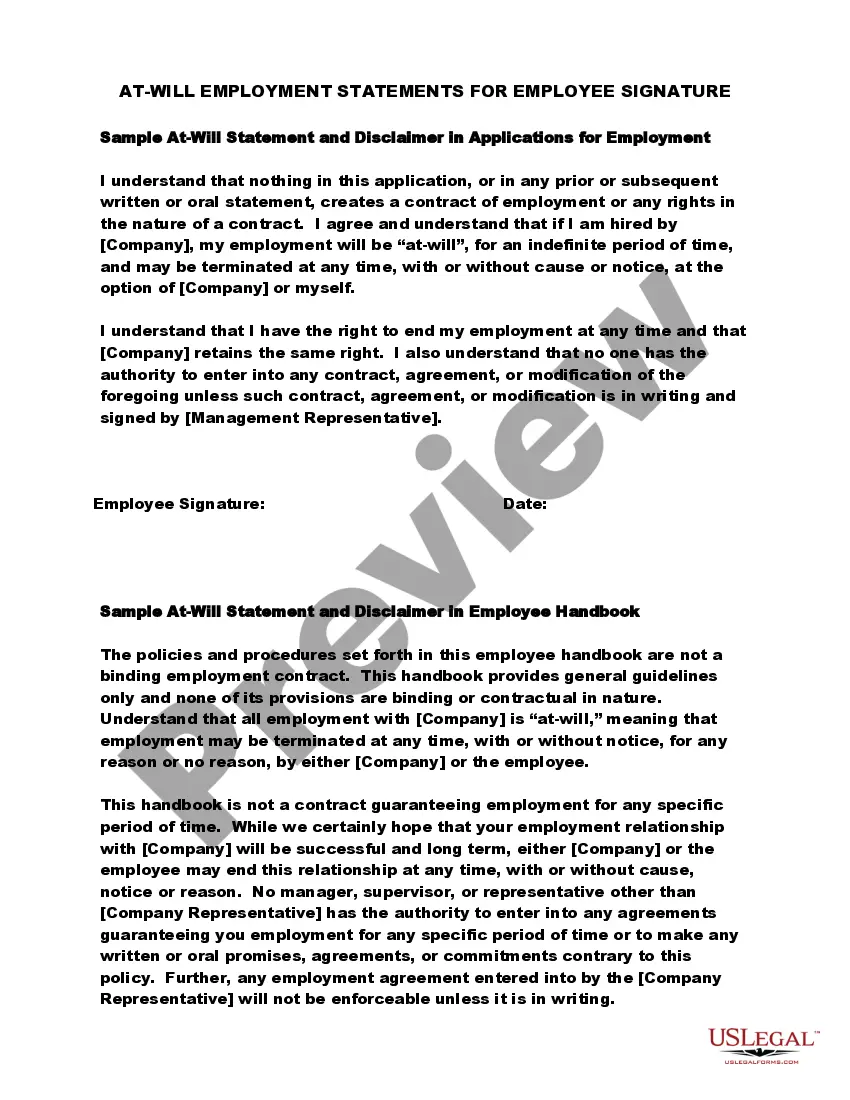
What is an “At-Will” Employment State? Since 1888, Texas has been an at-will employment state. As an at-will state, employment in Texas may be terminated by an employer or an employee for a good reason, a bad reason, or simply no reason at all, absent a specific agreement to the contrary.
Your employment with employer name is at will. This means your employment is for an indefinite period of time and it is subject to termination by you or employer name, with or without cause, with or without notice, and at any time.
To protect yourself and make sure you're doing right by your team, it's best to know the circumstances when you can't terminate at-will employees. Federal law states two main exceptions to at-will employment, which are discrimination and retaliation.
At-will employment simply means that the relationship between employer and employee can be terminated at any time, by either party, for any reason. An employer can fire an employee without giving a reason and, likewise, the employee can quit for any reason or no reason at all.
The basic rule of Texas employment law is employment at will, which applies to all phases of the employment relationship - it means that absent a statute or an express agreement (such as an employment contract) to the contrary, either party in an employment relationship may modify any of the terms or conditions of ...
While at-will employment offers freedom and flexibility, it also carries potential drawbacks such as instability and insecurity. However, with the right legal counsel, it's possible to navigate these challenges and ensure one's rights are respected.
For example, an employer might be in a bad mood one day, and decide to fire a random at-will employee. There is nothing inherently unlawful about doing that (even if it was an unwise business decision). As such, the fired employee probably cannot claim that they were wrongfully terminated.
At-will employment simply means that the relationship between employer and employee can be terminated at any time, by either party, for any reason. An employer can fire an employee without giving a reason and, likewise, the employee can quit for any reason or no reason at all.
Under California law, employers must provide notice to employees before termination. For employees who have been employed for less than one year, the notice period is at least 90 days. For employees who have been employed for more than one year, the notice period is at least 60 days.
The clause should clearly state the at-will nature of the employment relationship: “This employment relationship is 'at-will,' which means that either the employee or the employer may terminate the employment at any time, with or without cause or prior notice.
