Spousal Support Form For Medicaid In Washington
Description

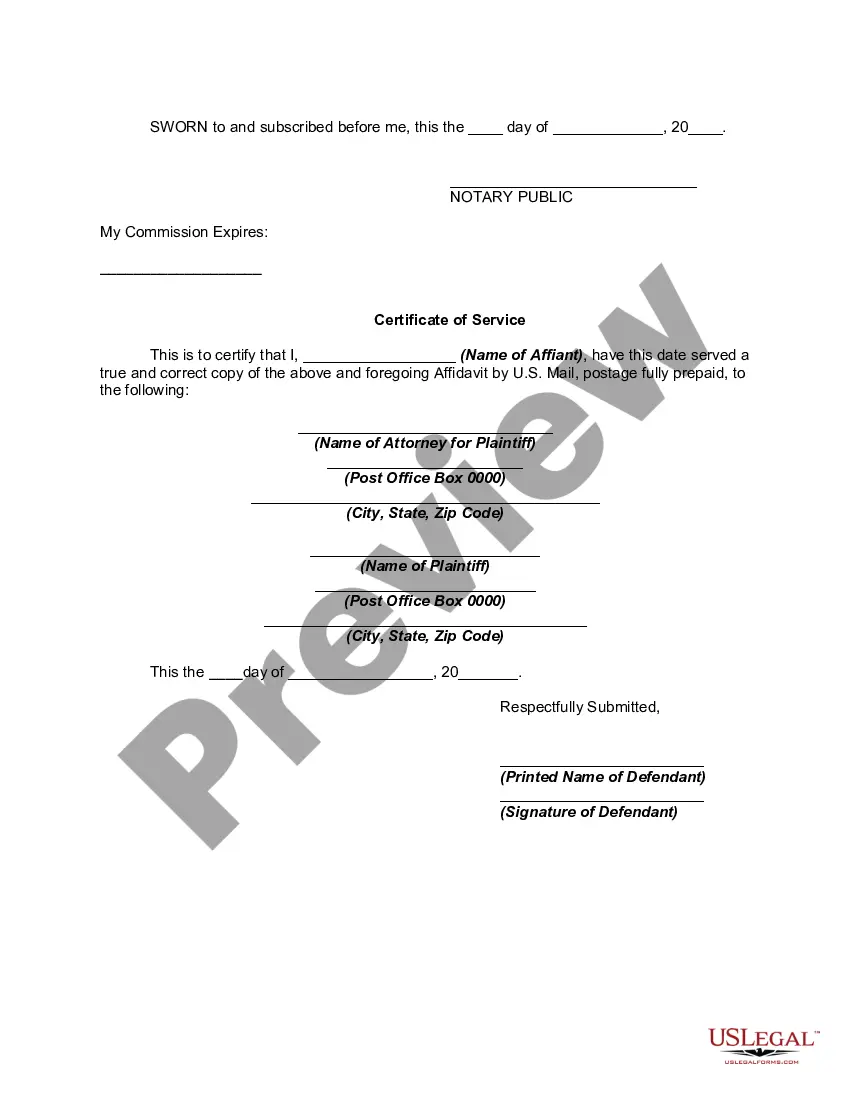



Get your form ready online
Our built-in tools help you complete, sign, share, and store your documents in one place.
Make edits, fill in missing information, and update formatting in US Legal Forms—just like you would in MS Word.
Download a copy, print it, send it by email, or mail it via USPS—whatever works best for your next step.
Sign and collect signatures with our SignNow integration. Send to multiple recipients, set reminders, and more. Go Premium to unlock E-Sign.
If this form requires notarization, complete it online through a secure video call—no need to meet a notary in person or wait for an appointment.
We protect your documents and personal data by following strict security and privacy standards.

Make edits, fill in missing information, and update formatting in US Legal Forms—just like you would in MS Word.

Download a copy, print it, send it by email, or mail it via USPS—whatever works best for your next step.

Sign and collect signatures with our SignNow integration. Send to multiple recipients, set reminders, and more. Go Premium to unlock E-Sign.

If this form requires notarization, complete it online through a secure video call—no need to meet a notary in person or wait for an appointment.

We protect your documents and personal data by following strict security and privacy standards.
Looking for another form?

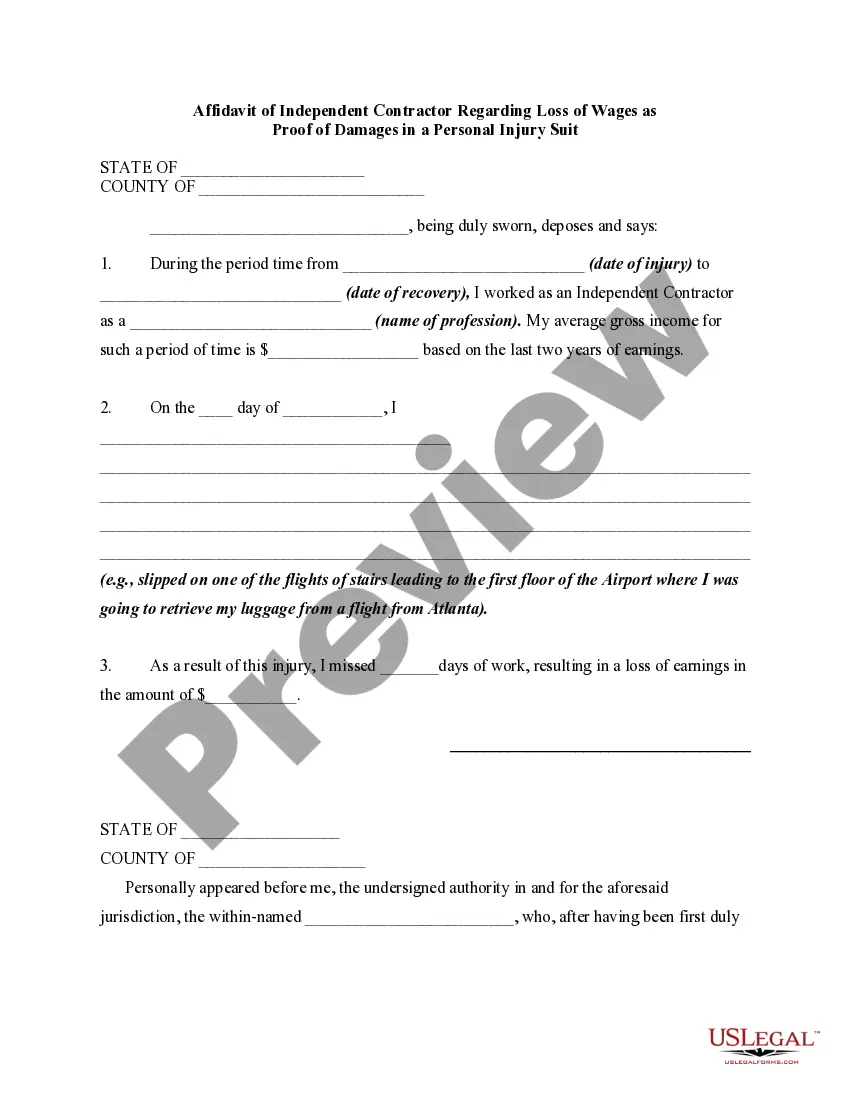







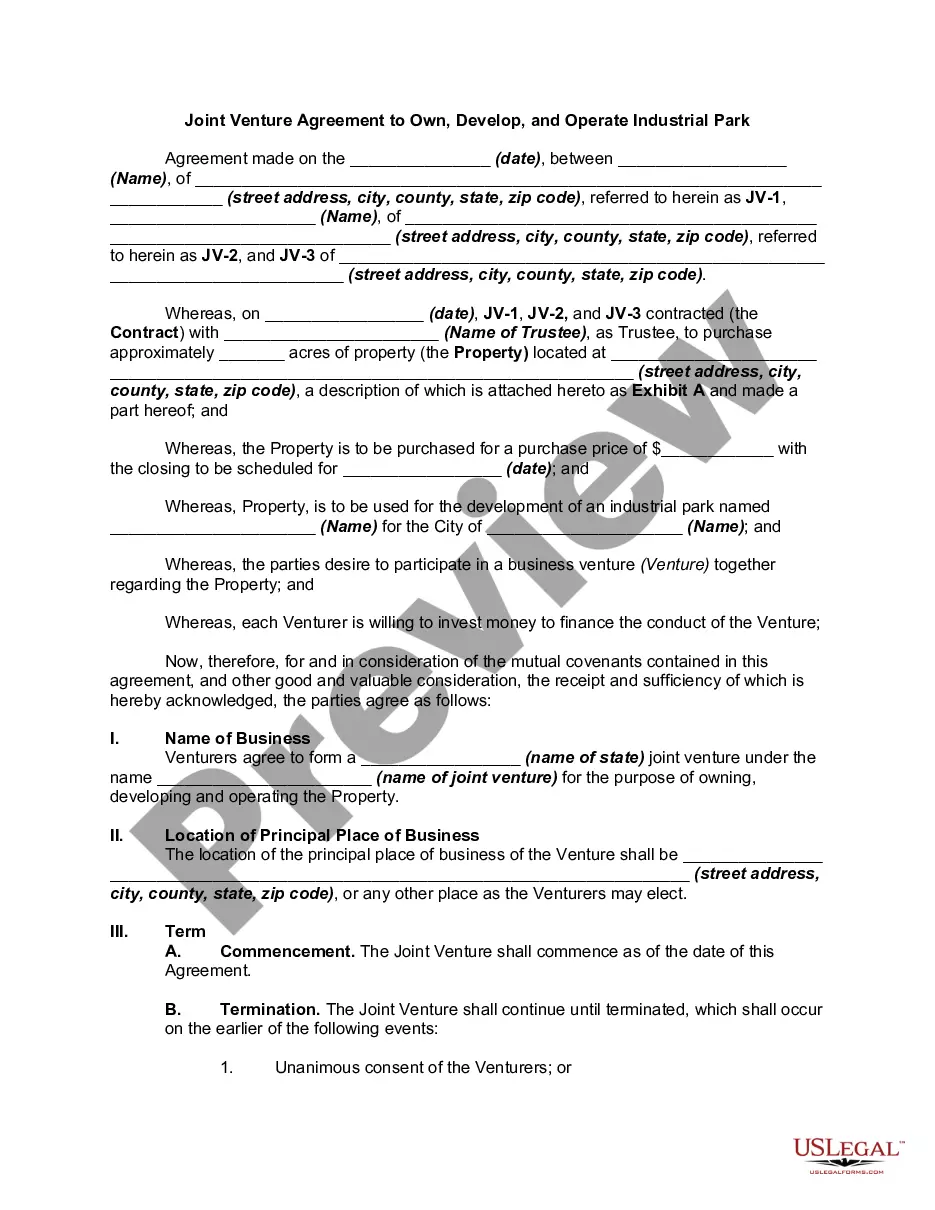
Form popularity
FAQ
By setting up an irrevocable trust and transferring into it any assets in excess of the Medicaid financial limits, you can effectively shield those assets from the program's fines and other penalties.
Think of an irrevocable Medicaid trust as a legal agreement that holds onto client assets, typically their home and investments. The key here is irrevocable, which means that once a client transfers ownership to the trust, they can't take it back.
The Medically Needy Pathway has an asset limit of $2,000 for an individual and $3,000 for a couple. 2) Asset Spend Down – Persons who have assets over Medicaid's asset limit can still qualify for Medicaid by “spending down” extra assets on exempt (non-countable) assets.
The Medicaid Trust Our Medicaid Trust allows you to appoint trustees of your choosing, including your financial consultant and a co-trustee, to manage your assets. You may appoint a Trust Protector to oversee all transactions.
Response: Yes, if you get divorced, the Medicaid agency will treat your husband as a single person and evaluate his financial eligibility separately from your own. However, there may be other alternatives.
The law does not make a distinction between separated spouses or those living together, therefore, a spouse that is separated but not divorced remains a "legally responsible relative" whose income and resources are considered when determining Medicaid eligibility.
Regardless of in whose name an asset is in, it is calculated towards the asset eligibility of the applicant spouse. Generally speaking, in 2025, the applicant asset limit for a senior is $2,000. Medicaid, however, allows a greater portion of the couple's assets to be protected for the non-applicant spouse.
Recently the Washington State Legislature passed a bill that allows individuals to now keep up to $2,523 to cover their household costs. This policy change will allow more individuals to remain in their setting of choice for long-term care - their home!
During a separation, open and honest communication is vital. Express your feelings calmly, listen to her perspective, and be willing to work on any issues together. Seek professional help if needed, such as couples counseling, to facilitate a constructive dialogue and understanding.
Response: Yes, if you get divorced, the Medicaid agency will treat your husband as a single person and evaluate his financial eligibility separately from your own. However, there may be other alternatives.
