Spouse Alimony Provisions With Child In Wake
Description

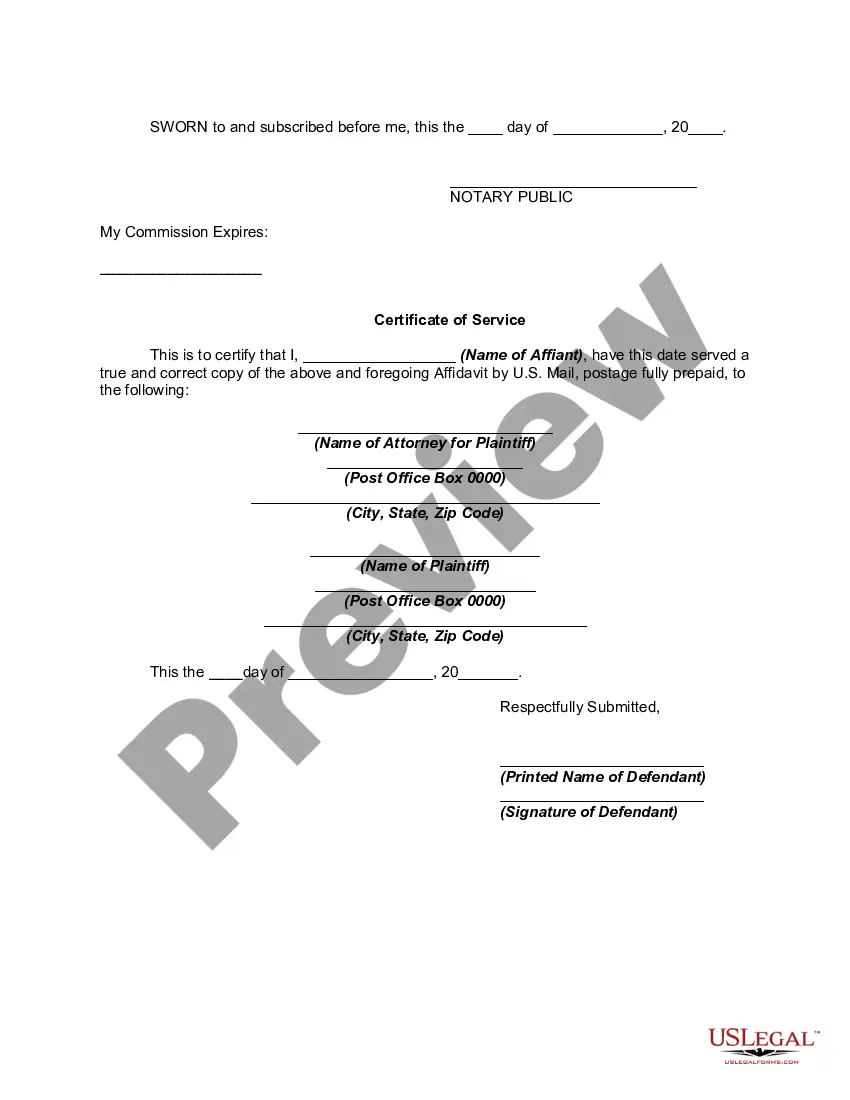
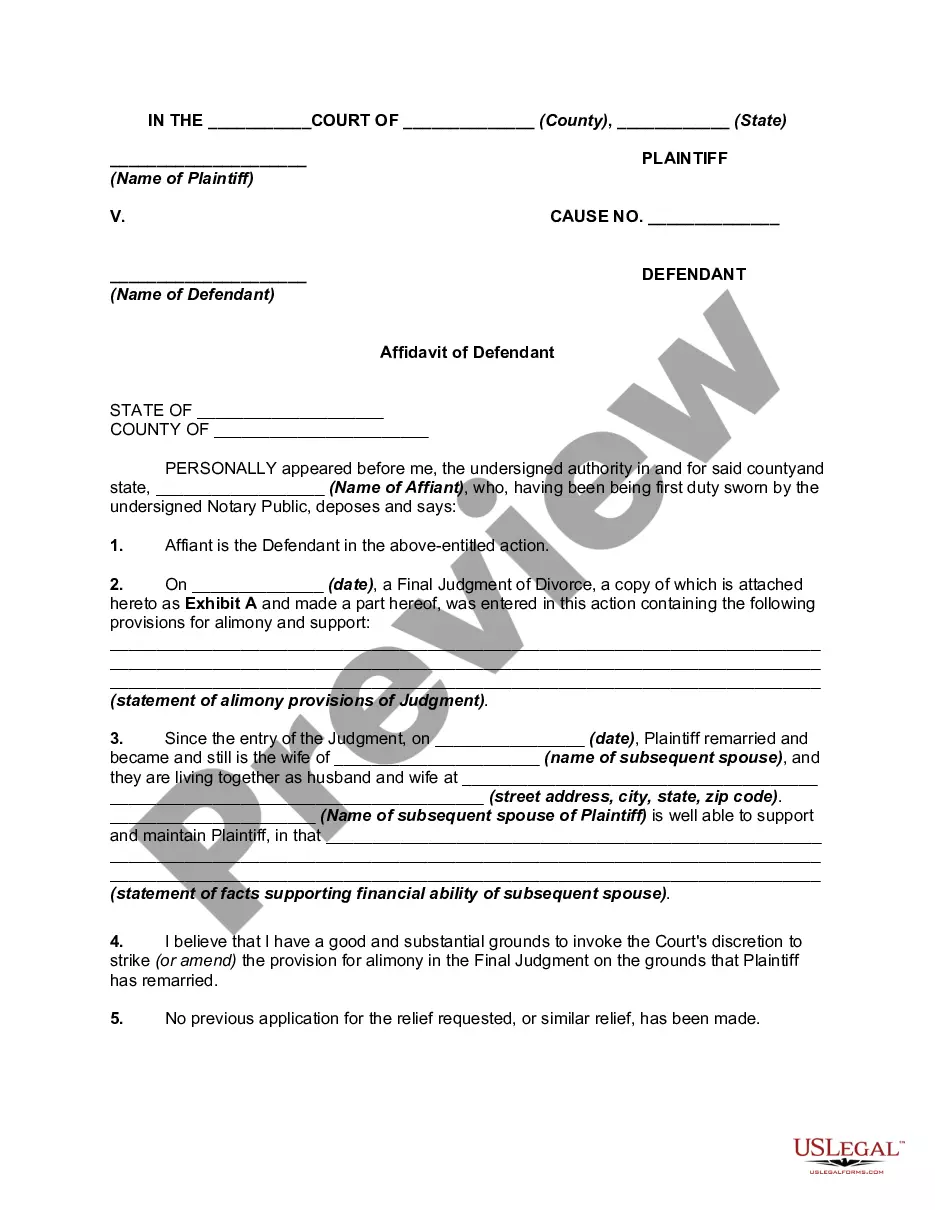
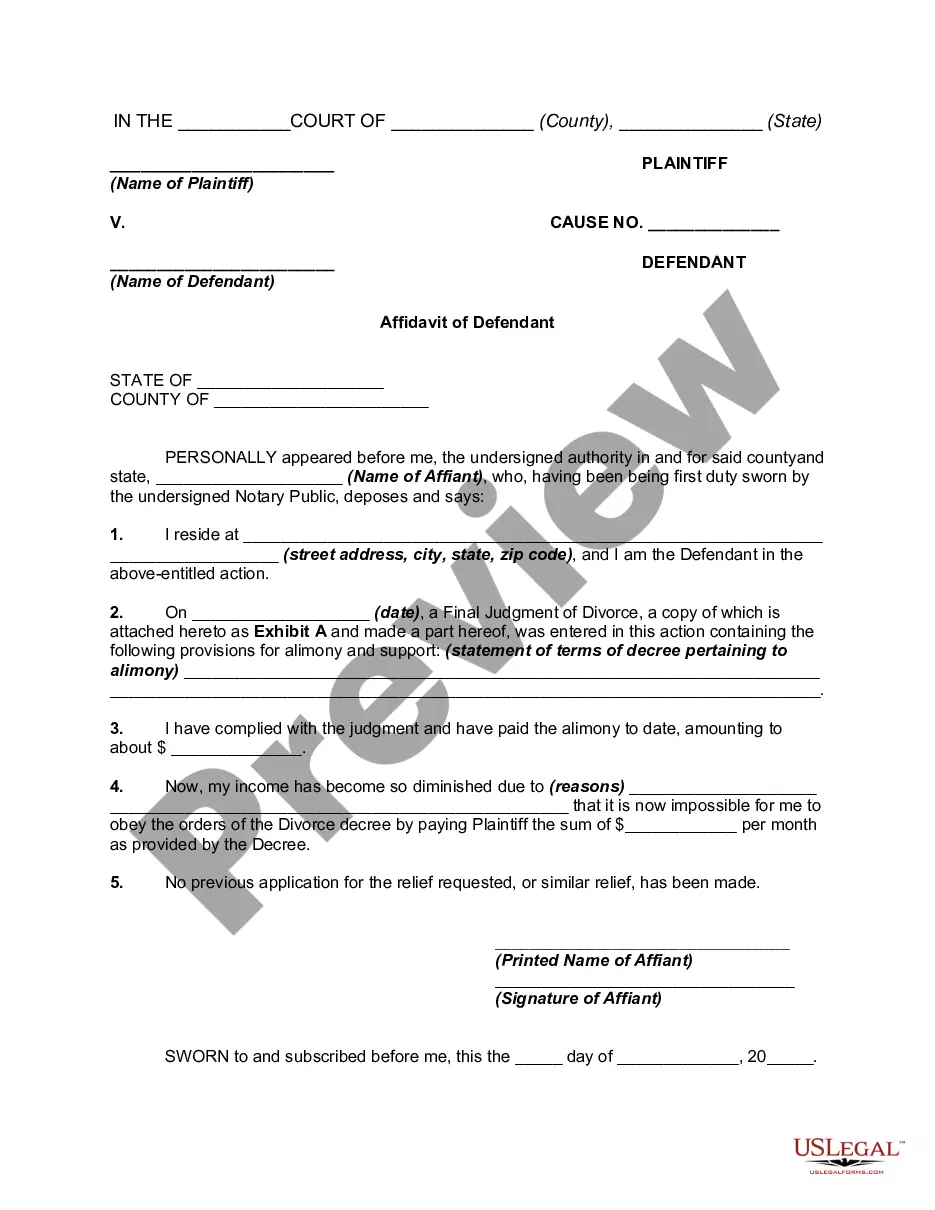
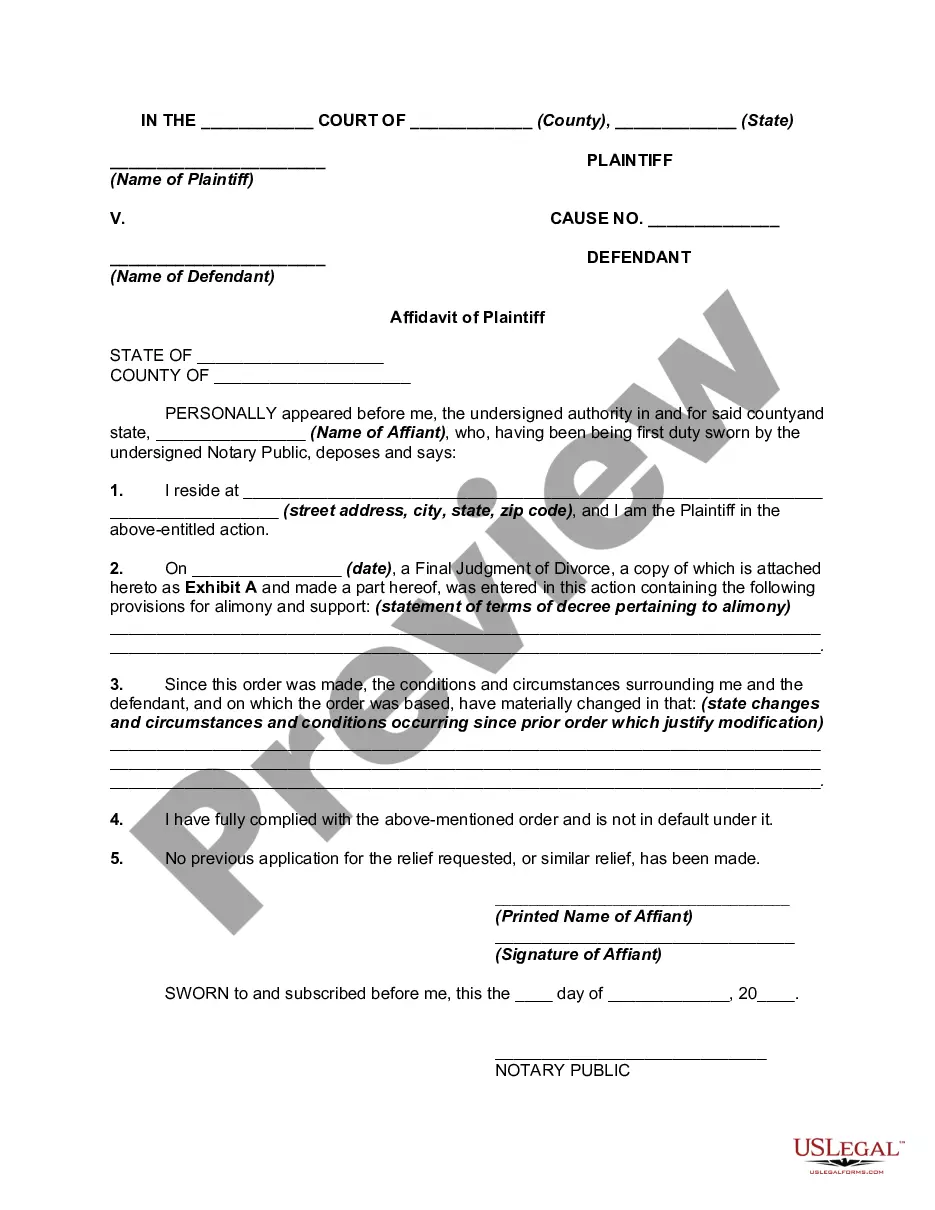
Get your form ready online
Our built-in tools help you complete, sign, share, and store your documents in one place.
Make edits, fill in missing information, and update formatting in US Legal Forms—just like you would in MS Word.
Download a copy, print it, send it by email, or mail it via USPS—whatever works best for your next step.
Sign and collect signatures with our SignNow integration. Send to multiple recipients, set reminders, and more. Go Premium to unlock E-Sign.
If this form requires notarization, complete it online through a secure video call—no need to meet a notary in person or wait for an appointment.
We protect your documents and personal data by following strict security and privacy standards.

Make edits, fill in missing information, and update formatting in US Legal Forms—just like you would in MS Word.

Download a copy, print it, send it by email, or mail it via USPS—whatever works best for your next step.

Sign and collect signatures with our SignNow integration. Send to multiple recipients, set reminders, and more. Go Premium to unlock E-Sign.

If this form requires notarization, complete it online through a secure video call—no need to meet a notary in person or wait for an appointment.

We protect your documents and personal data by following strict security and privacy standards.
Looking for another form?

Form popularity
FAQ
Misconduct: Certain behaviors can also lead to the disqualification of alimony. For instance, if a spouse is found to have engaged in financial misconduct, such as hiding assets or failing to disclose financial information during the divorce proceedings, this can result in disqualification.
If you are still living with your spouse or former spouse, alimony payments are not tax-deductible. You must make payments after physical separation for them to qualify as tax-deductible. Don't file a joint tax return. If you and your spouse file a joint income tax return, you can't deduct alimony payments.
California Alimony California determines alimony based on the recipient's “marital standard of living,” which aims to allow the spouse to continue living in a similar manner as during the marriage.
Not necessarily is you move in together, but if you cohabit, then yes, alimony does terminate. It's more complicated than this, but cohabitation is living together in a husband-wife relationship, including sexual intimacy. Usually, moving back in with an ex for all intents and purposes ends alimony.
To prove cohabitation, you will need to show that your ex is residing with another person, sharing household expenses and that they are holding themselves out as a couple. While the proof of sexual activity can be difficult to prove, it will generally be presumed when the other factors are proven.
Adultery. Abandonment. Reckless spending, such as gambling assets. Physical, emotional, or verbal abuse.
In the state of California, the law presumes that living with someone else reduces your need for support. You will need to prove to a judge that you still need the same amount of alimony. Otherwise, it will be reduced or terminated.
Establishing Marital Agreements A prenuptial or postnuptial agreement can prevent many alimony disputes. Such marital agreements allow couples to agree beforehand on whether spousal support would be awarded in the event of a divorce.
Under Oklahoma law support alimony can be terminated if the person receiving alimony gets married or begins living with a romantic partner. Support alimony may also be terminated or modified if there has been a significant change in the need and/or earning ability of either person.