Spouse Support Form For Buffalo Ny In Pennsylvania
Description

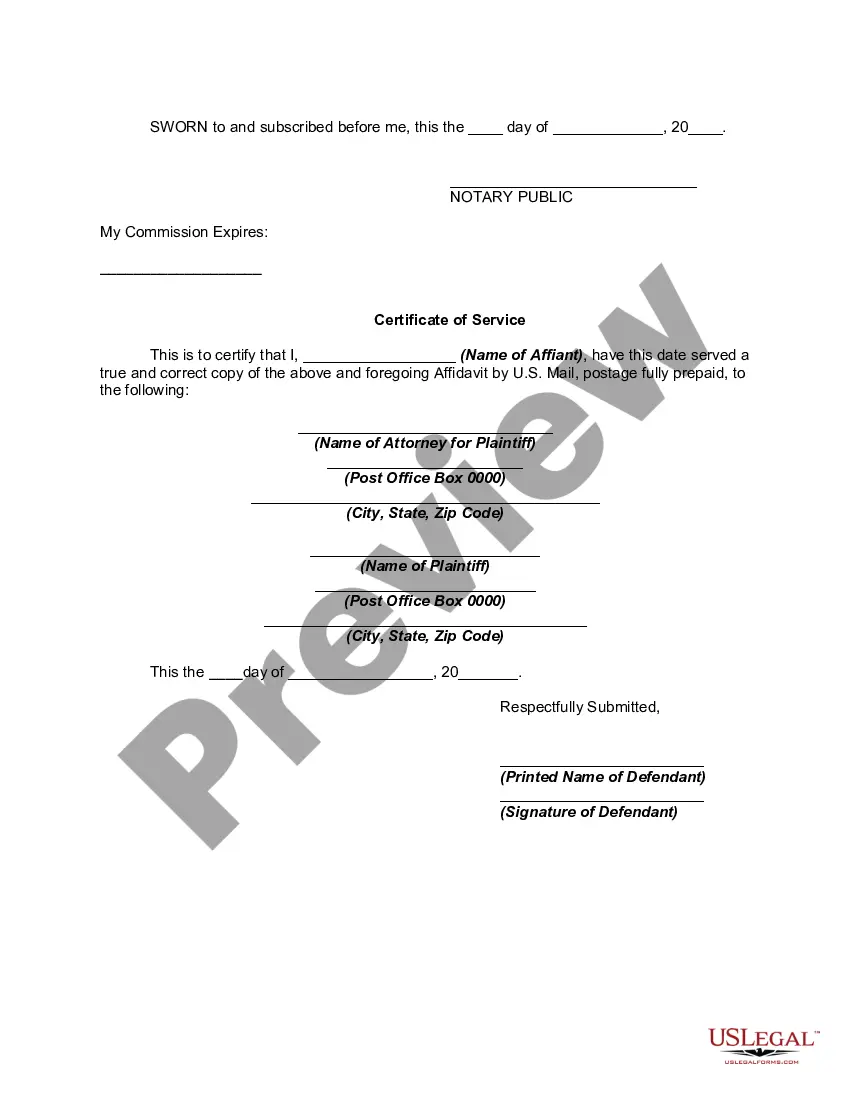



Get your form ready online
Our built-in tools help you complete, sign, share, and store your documents in one place.
Make edits, fill in missing information, and update formatting in US Legal Forms—just like you would in MS Word.
Download a copy, print it, send it by email, or mail it via USPS—whatever works best for your next step.
Sign and collect signatures with our SignNow integration. Send to multiple recipients, set reminders, and more. Go Premium to unlock E-Sign.
If this form requires notarization, complete it online through a secure video call—no need to meet a notary in person or wait for an appointment.
We protect your documents and personal data by following strict security and privacy standards.

Make edits, fill in missing information, and update formatting in US Legal Forms—just like you would in MS Word.

Download a copy, print it, send it by email, or mail it via USPS—whatever works best for your next step.

Sign and collect signatures with our SignNow integration. Send to multiple recipients, set reminders, and more. Go Premium to unlock E-Sign.

If this form requires notarization, complete it online through a secure video call—no need to meet a notary in person or wait for an appointment.

We protect your documents and personal data by following strict security and privacy standards.
Looking for another form?
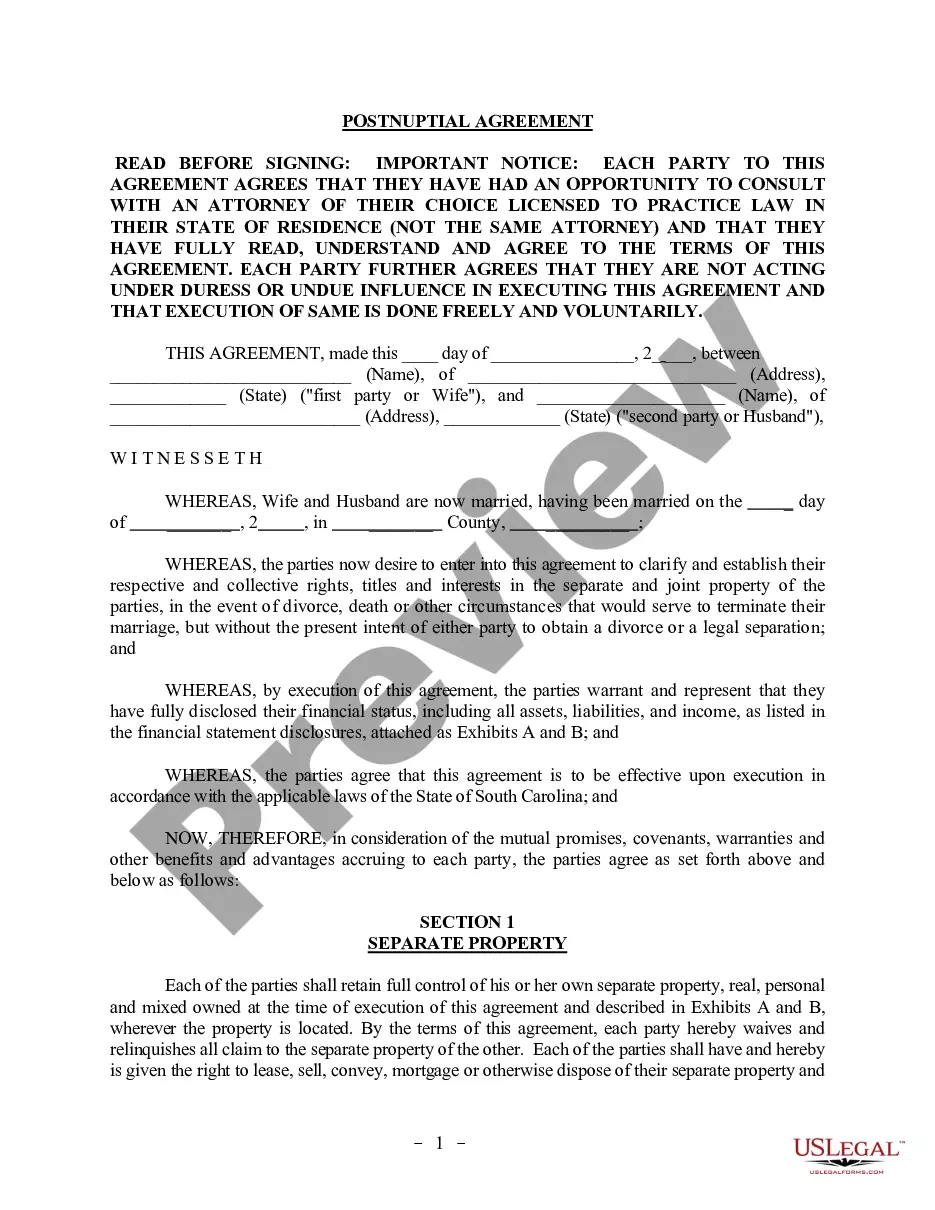


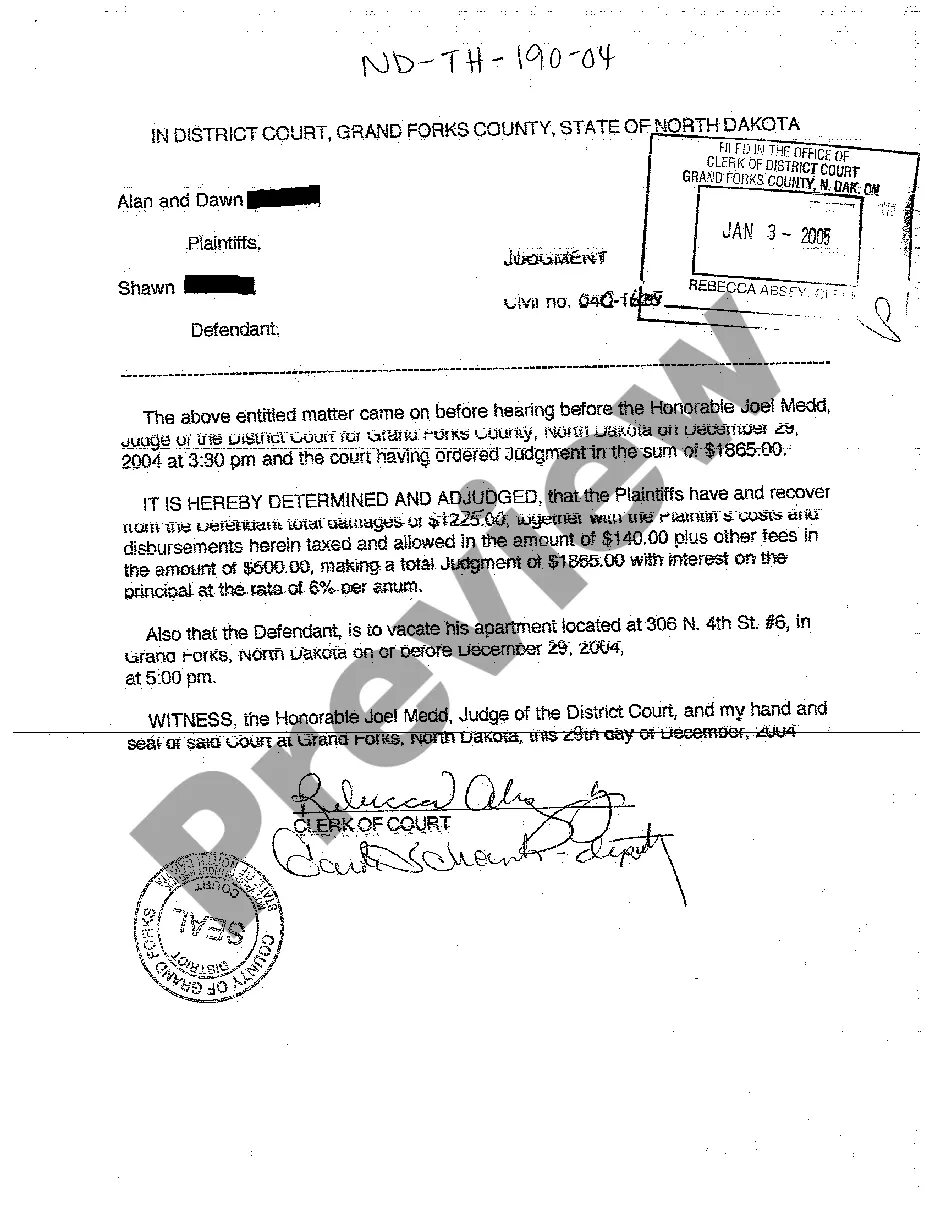
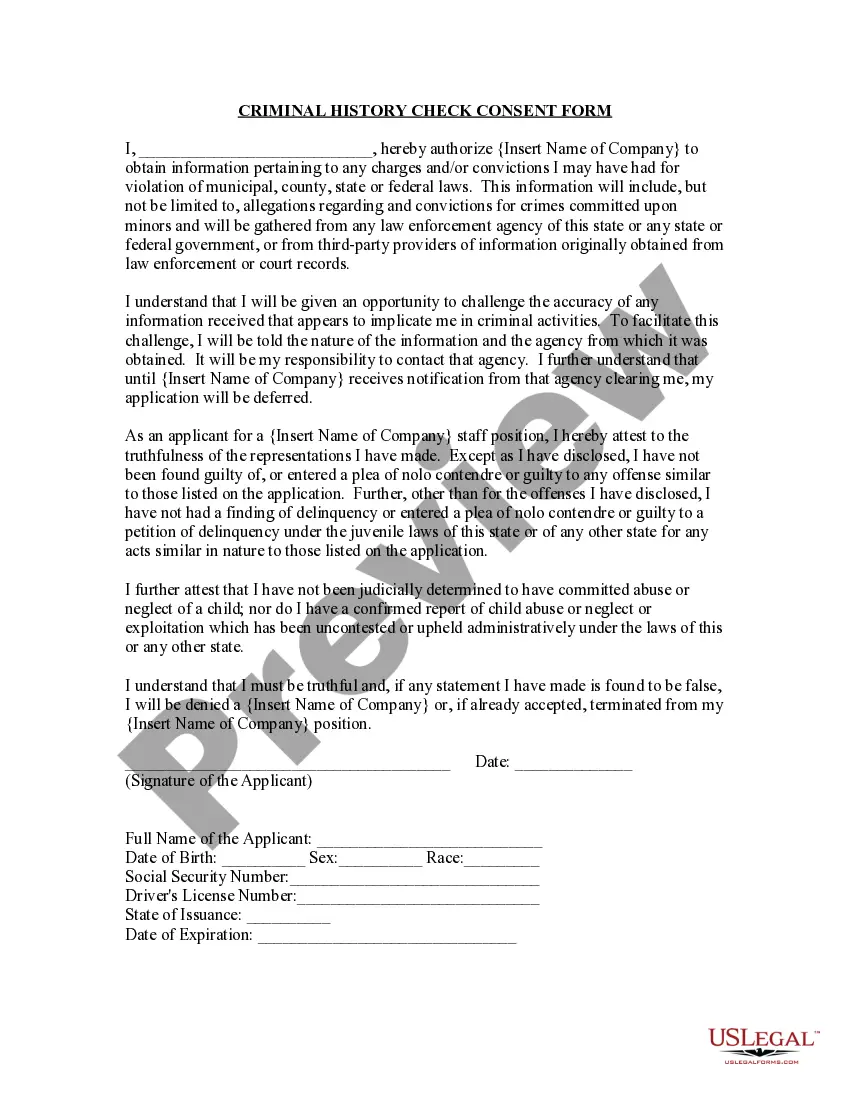

Form popularity
FAQ
A parent, caretaker/custodian, spouse, or attorney may request support services (file a Complaint for Support) electronically through the Pennsylvania Child Support Website by selecting the "Request Support Services" button.
Not all divorces qualify for alimony. Courts consider factors like the length of marriage, income disparity between spouses, and ability to be self-sufficient.
Spousal support: This type of financial support is available before a divorce is filed. You must be the innocent and injured spouse to file for spousal support, which can be received until the divorce is finalized.
The determination of spousal support is made by taking the difference in the net incomes of the parties, and multiplying that figure by a certain percentage (40% in cases where there is no concurrent child support, and 30% where there is child support in place).
Typically, the judge will take 20% of the lower-earning spouse's income and subtract that number from 30% of the higher-earning spouse's income. For example, one spouse makes $100,000, and the other makes $20,000. Thirty percent of $100,000 is $30,000, and 20% of $20,000 is $4,000.
Spousal maintenance is normally durational that is, it has a set duration, normally long enough for the payee spouse to become self-sufficient. However, there are cases, given age, health and inability to support themselves, that the payee may be awarded nondurational or permanent alimony.
If spouses come to a settlement regarding how long the alimony payments will last and how much they will be, the court may not terminate or modify the terms without both spouses' express consent. In most cases, the court will grant alimony to last until the supported spouse becomes self-sufficient.
In Pennsylvania, it is possible to avoid alimony through negotiation of terms in the divorce settlement, proof of marital misconduct and establishing financial independence.
Calculating Spousal Support The determination of spousal support is made by taking the difference in the net incomes of the parties, and multiplying that figure by a certain percentage (40% in cases where there is no concurrent child support, and 30% where there is child support in place).
