Affidavit Motion Amend Without In Los Angeles
Description

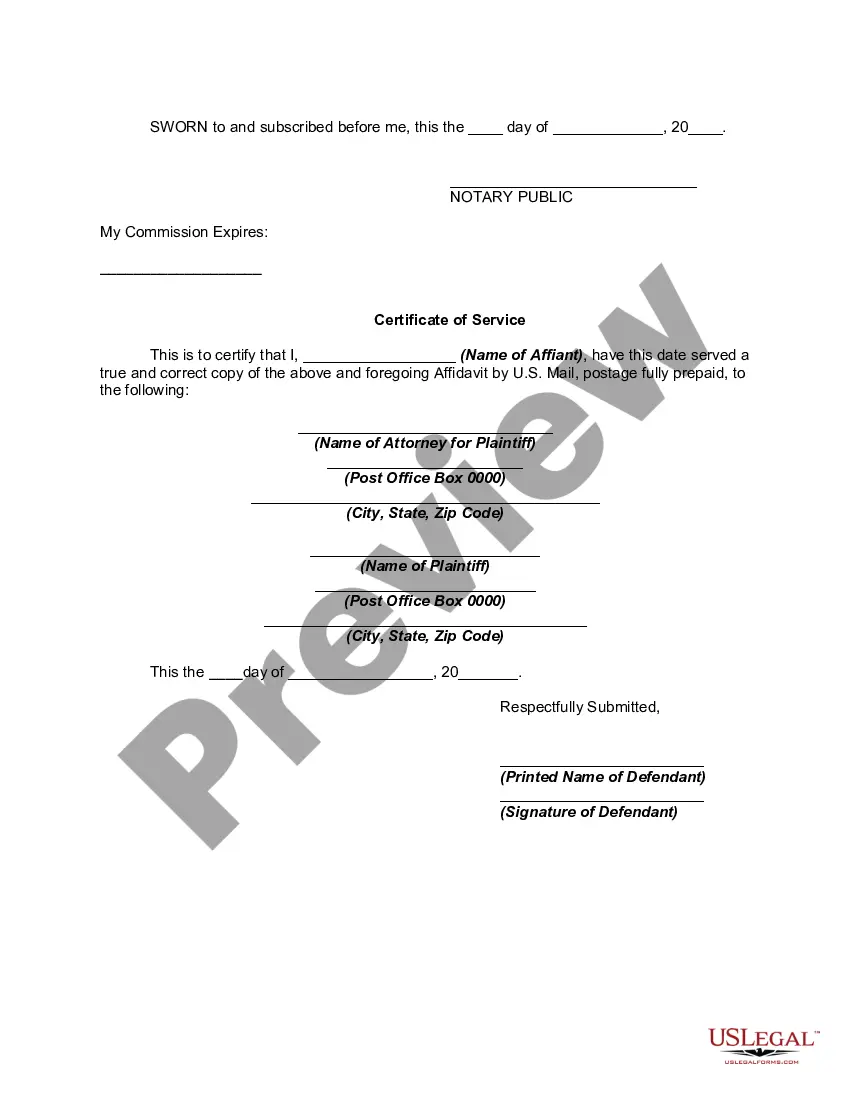



Get your form ready online
Our built-in tools help you complete, sign, share, and store your documents in one place.
Make edits, fill in missing information, and update formatting in US Legal Forms—just like you would in MS Word.
Download a copy, print it, send it by email, or mail it via USPS—whatever works best for your next step.
Sign and collect signatures with our SignNow integration. Send to multiple recipients, set reminders, and more. Go Premium to unlock E-Sign.
If this form requires notarization, complete it online through a secure video call—no need to meet a notary in person or wait for an appointment.
We protect your documents and personal data by following strict security and privacy standards.

Make edits, fill in missing information, and update formatting in US Legal Forms—just like you would in MS Word.

Download a copy, print it, send it by email, or mail it via USPS—whatever works best for your next step.

Sign and collect signatures with our SignNow integration. Send to multiple recipients, set reminders, and more. Go Premium to unlock E-Sign.

If this form requires notarization, complete it online through a secure video call—no need to meet a notary in person or wait for an appointment.

We protect your documents and personal data by following strict security and privacy standards.
Looking for another form?
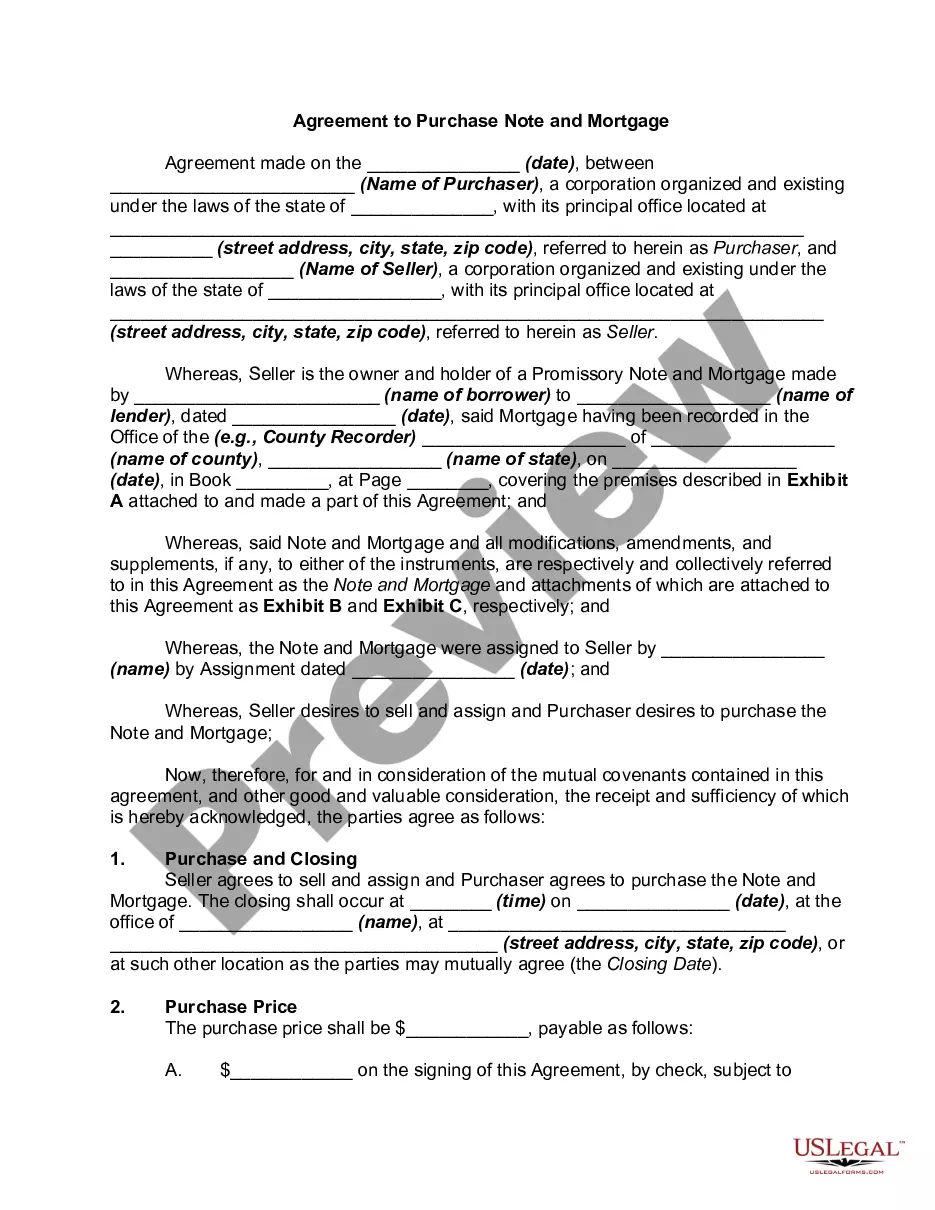








Form popularity
FAQ
The court may deem a motion to file an amendment to a pleading to be a motion to file an amended pleading and require the filing of the entire previous pleading with the approved amendments incorporated into it.
An amendment is a motion to change, to add words to, or to omit words from, an original motion. The change is usually to clarify or improve the wording of the original motion and must, of course, be germane to that motion.
If you want to file a motion, the process is generally something like this: You write your motion. You file your motion with the court clerk. The court clerk inserts the date and time your motion will be heard by the judge. You “serve” (mail) your motion to the other side.
Instead of appealing, in some cases, you may be able to request a change (modification) of the court order by filing a Motion to Amend or Motion to Modify.
(a) Amendments. A party may amend the party's own pleadings once as a matter of course at any time before a response is served or, if the response is one to which no further pleading is permitted and the action has not been scheduled for trial, the party may so amend it at any time within 20 days after it is served.
(a) A party may amend its pleading once without leave of the court at any time before the answer, demurrer, or motion to strike is filed, or after a demurrer or motion to strike is filed but before the demurrer or motion to strike is heard if the amended pleading is filed and served no later than the date for filing an ...
You will need to go back to the court where your order was issued and file modification forms. There will probably be a new hearing on the issue. You may also want to consult with an attorney to see if filing for a modification is appropriate under the circumstances of your case.
To Amend a Motion (to add or strike or substitute words or phrases) — debatable, requires majority vote. (A motion can be made to amend a proposed amendment.) The mover of the motion (or the committee chair if the motion comes from a committee) speaks first on a motion.
If you want to file a motion, the process is generally something like this: You write your motion. You file your motion with the court clerk. The court clerk inserts the date and time your motion will be heard by the judge. You “serve” (mail) your motion to the other side.
