Alimony Spouse Support Formula In Riverside
Description

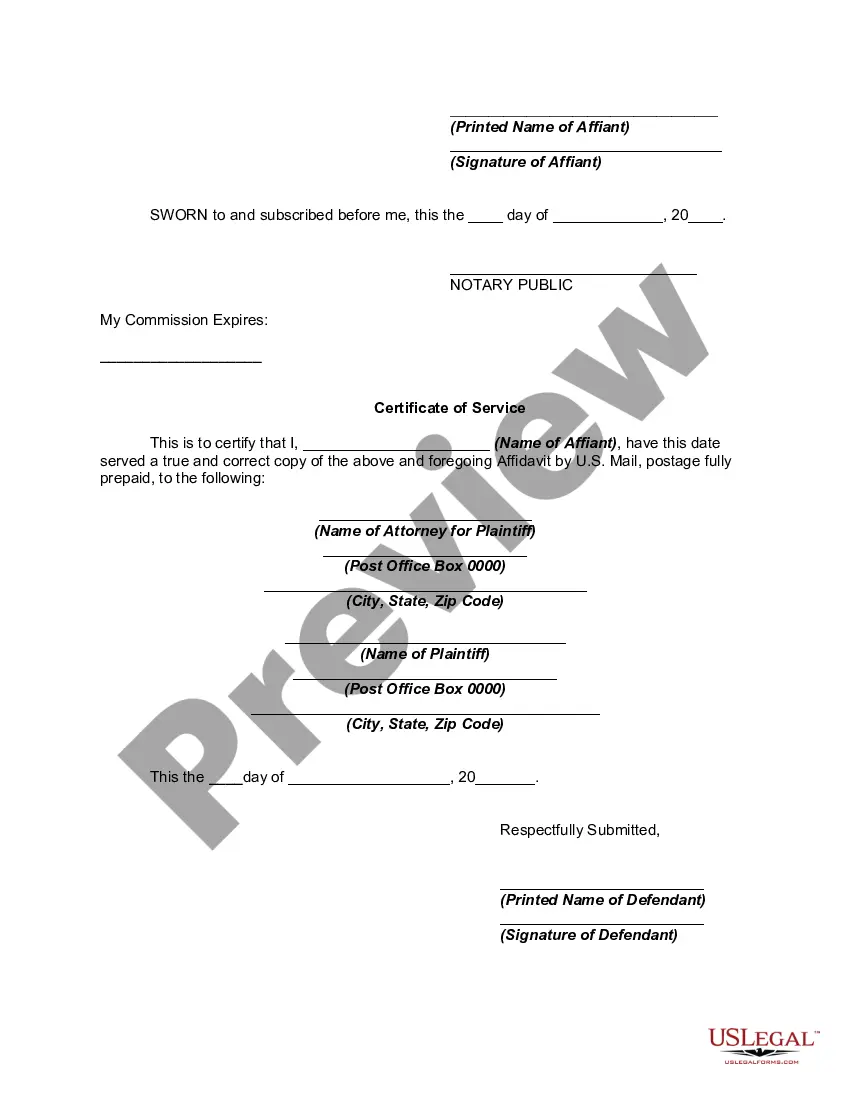




Get your form ready online
Our built-in tools help you complete, sign, share, and store your documents in one place.
Make edits, fill in missing information, and update formatting in US Legal Forms—just like you would in MS Word.
Download a copy, print it, send it by email, or mail it via USPS—whatever works best for your next step.
Sign and collect signatures with our SignNow integration. Send to multiple recipients, set reminders, and more. Go Premium to unlock E-Sign.
If this form requires notarization, complete it online through a secure video call—no need to meet a notary in person or wait for an appointment.
We protect your documents and personal data by following strict security and privacy standards.

Make edits, fill in missing information, and update formatting in US Legal Forms—just like you would in MS Word.

Download a copy, print it, send it by email, or mail it via USPS—whatever works best for your next step.

Sign and collect signatures with our SignNow integration. Send to multiple recipients, set reminders, and more. Go Premium to unlock E-Sign.

If this form requires notarization, complete it online through a secure video call—no need to meet a notary in person or wait for an appointment.

We protect your documents and personal data by following strict security and privacy standards.
Looking for another form?










Form popularity
FAQ
Generally, the courts in California award spousal support based on the length of the marriage. In California, spousal support typically lasts half the length of the marriage. If the couple was married for six years, for example, a judge would make a spousal support obligation last for three years.
40% of the high earner's net monthly income minus 50% of the low earner's net monthly income. For instance, if Spouse A earns $5,000 per month and Spouse B earns $2,500 per month, temporary spousal support might be calculated as follows: 40% of $5,000 = $2,000. 50% of $2,500 = $1,250.
California doesn't use a "calculator" for determining the amount of long-term spousal support. Instead, judges must decide how much to award after they've considered all of the following circumstances: each spouse's needs, based on the standard of living they had during the marriage.
There are many considered factors, but the primary factors used to determine spousal support is income and earning capacity. The Court looks at the present income as well as separate property available to the supported party.
The formula is simple: Divide the Wife's annual amount by the interest rate: $100,000 divided by . 10 = $1 million. The formula is known as the present value of a perpetuity because it continues in perpetuity.
Common methods for calculating spousal support typically take up to 40% of the paying spouse's net income, which is calculated after child support. 50% of the recipient spouse's net income is then subtracted from the total if they are working.
40% of the high earner's net monthly income minus 50% of the low earner's net monthly income. For instance, if Spouse A earns $5,000 per month and Spouse B earns $2,500 per month, temporary spousal support might be calculated as follows: 40% of $5,000 = $2,000. 50% of $2,500 = $1,250.
The person asking for alimony must show the court that he or she needs financial support, and that the other spouse has the ability to provide financial support.
