Motion To Strike Without Prejudice In North Carolina
Description

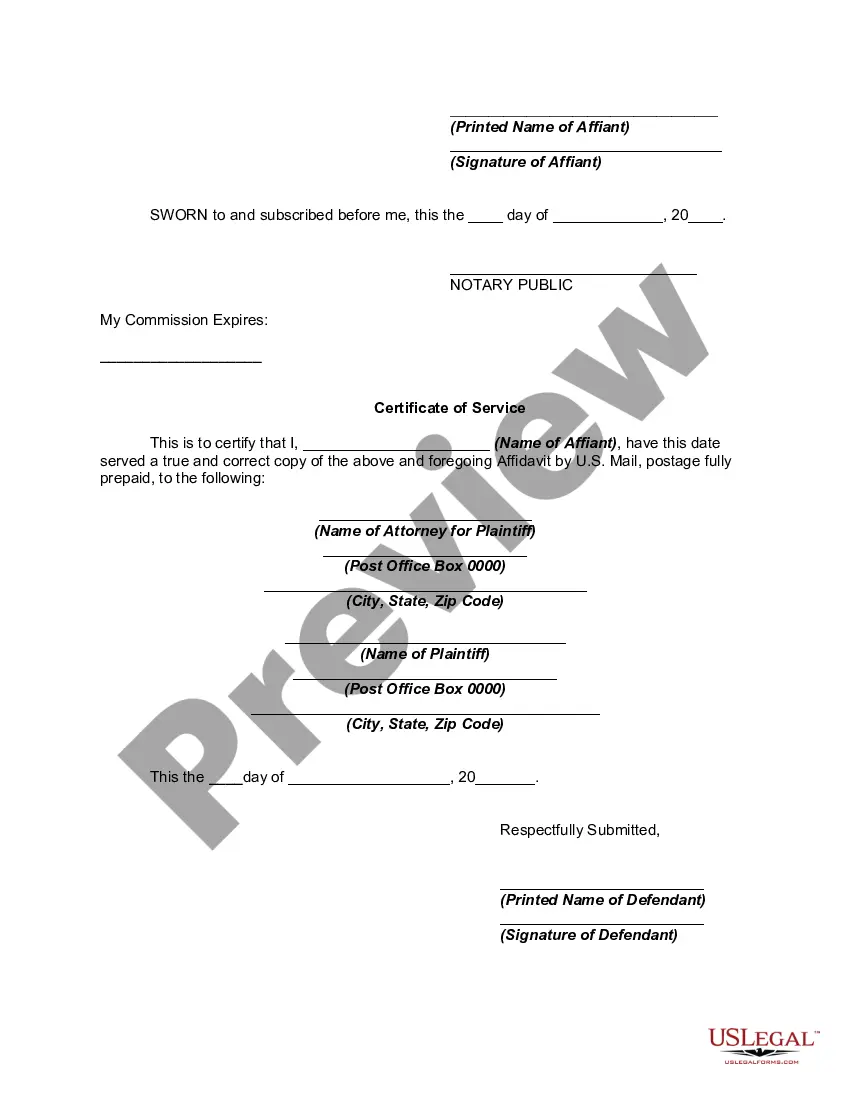




Get your form ready online
Our built-in tools help you complete, sign, share, and store your documents in one place.
Make edits, fill in missing information, and update formatting in US Legal Forms—just like you would in MS Word.
Download a copy, print it, send it by email, or mail it via USPS—whatever works best for your next step.
Sign and collect signatures with our SignNow integration. Send to multiple recipients, set reminders, and more. Go Premium to unlock E-Sign.
If this form requires notarization, complete it online through a secure video call—no need to meet a notary in person or wait for an appointment.
We protect your documents and personal data by following strict security and privacy standards.

Make edits, fill in missing information, and update formatting in US Legal Forms—just like you would in MS Word.

Download a copy, print it, send it by email, or mail it via USPS—whatever works best for your next step.

Sign and collect signatures with our SignNow integration. Send to multiple recipients, set reminders, and more. Go Premium to unlock E-Sign.

If this form requires notarization, complete it online through a secure video call—no need to meet a notary in person or wait for an appointment.

We protect your documents and personal data by following strict security and privacy standards.
Looking for another form?


Form popularity
FAQ
Rule 41(a)(1) of the North Carolina Rules of Civil Procedure allows a plaintiff to dismiss a complaint without prejudice by filing a notice of dismissal at any time before he rests his case. Notice may be given by filing a written notice of dismissal or by oral notice in open court.
A case is dismissed without prejudice if 1) it is not resolved on the merits but for some reason is technically deficient as filed and the judge so rules, or, 2) the plaintiff moves for a voluntary dismissal for some reason.
28 U.S.C. § 1291. So to be appealable, dismissals without prejudice must produce a final decision. And a final decision is normally one that “ends the litigation on the merits and leaves nothing for the court to do but execute the judgment.” 6.
An example would be if a judge determines a lawsuit as insignificant or the issue has been resolved. There are several reasons why a case can be dismissed with prejudice. In some cases, if the court finds the evidence presented does not support the claims, they may dismiss the case.
It should be noted that the court upon a motion for a directed verdict may in appropriate circumstances deny that motion and grant instead a new trial, or a voluntary dismissal without prejudice under Rule 41(a)(2).
Whereas a case that is dismissed “with prejudice” is dismissed permanently, a case that is dismissed “without prejudice” is only dismissed temporarily. This temporary dismissal means that the plaintiff is allowed to re-file charges, alter the claim, or bring the case to another court.
When a court dismisses an action, they can either do so “with prejudice” or “without prejudice.” Dismissal with prejudice means that the plaintiff cannot refile the same claim again in that court.
What is the point of the "without prejudice" rule? The WP rule is to encourage settlement discussions without parties weakening their position in the formal dispute.
