Motion To Strike Answer In Maryland
Description

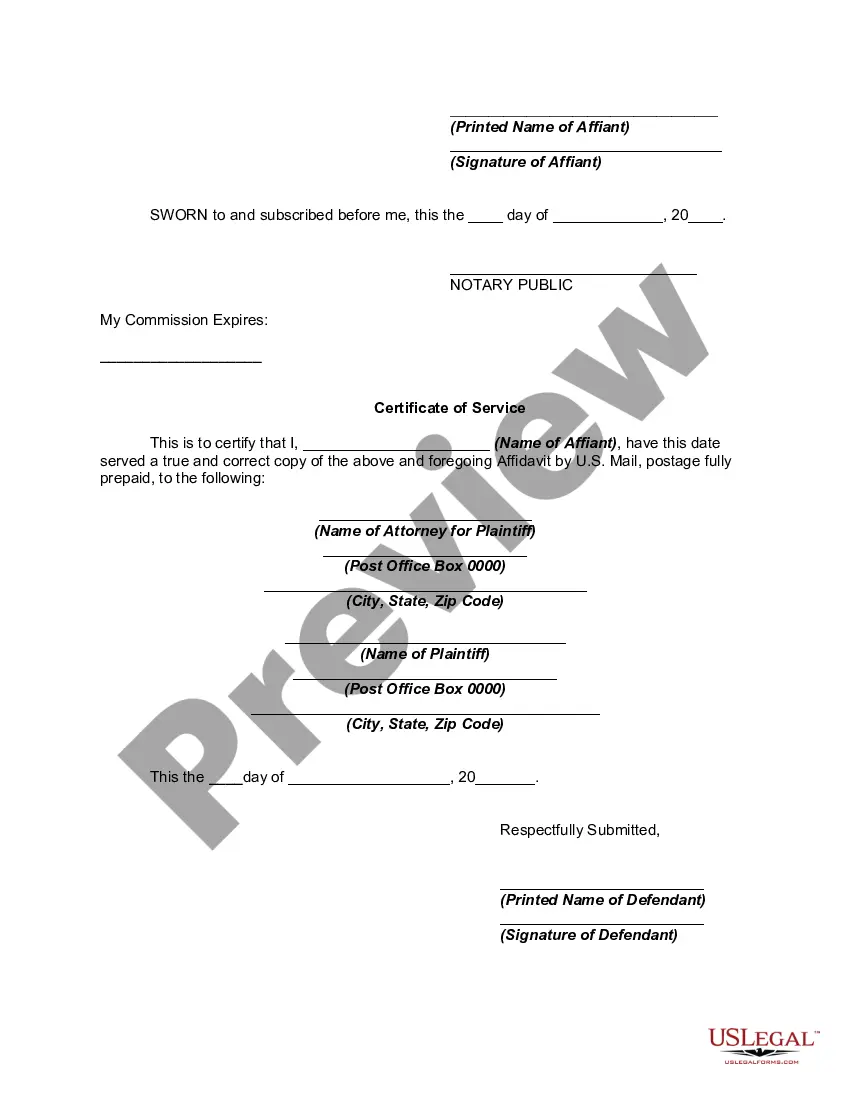




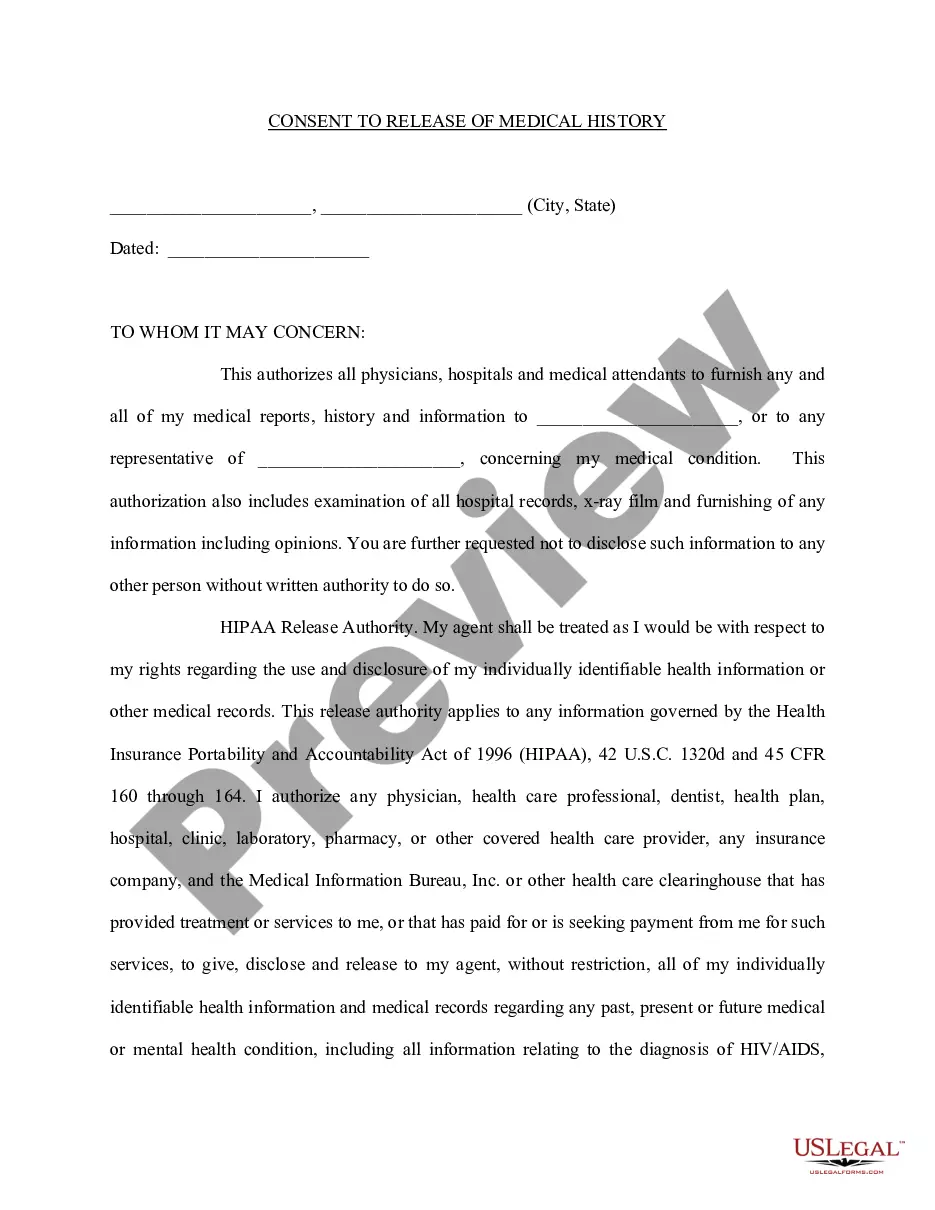
Get your form ready online
Our built-in tools help you complete, sign, share, and store your documents in one place.
Make edits, fill in missing information, and update formatting in US Legal Forms—just like you would in MS Word.
Download a copy, print it, send it by email, or mail it via USPS—whatever works best for your next step.
Sign and collect signatures with our SignNow integration. Send to multiple recipients, set reminders, and more. Go Premium to unlock E-Sign.
If this form requires notarization, complete it online through a secure video call—no need to meet a notary in person or wait for an appointment.
We protect your documents and personal data by following strict security and privacy standards.

Make edits, fill in missing information, and update formatting in US Legal Forms—just like you would in MS Word.

Download a copy, print it, send it by email, or mail it via USPS—whatever works best for your next step.

Sign and collect signatures with our SignNow integration. Send to multiple recipients, set reminders, and more. Go Premium to unlock E-Sign.

If this form requires notarization, complete it online through a secure video call—no need to meet a notary in person or wait for an appointment.

We protect your documents and personal data by following strict security and privacy standards.
Looking for another form?









Form popularity
FAQ
File a Notice of Intention to Defend: You must file this within 15 days of receiving the summons. The Notice is on the bottom half of the summons. Once you have responded, the Court will send the plaintiff a copy of this notice. File a Counterclaim, Cross-claim, or a Third-Party Complaint.
Motion to Strike This asks the court to take something out of the Complaint because it is not understandable, it is repetitive, it isn't legal, or it doesn't matter. This motion can help to limit what the case is about so you do not have to defend that part of the case.
A response to a motion for summary judgment shall be in writing and shall (1) identify with particularity each material fact as to which it is contended that there is a genuine dispute and (2) as to each such fact, identify and attach the relevant portion of the specific document, discovery response, transcript of ...
When you respond to a motion, be clear and direct about your legal position. Begin with an introduction that summarizes the nature of the motion and states your position. Develop key points to answer every argument your opponent made. Then, present your arguments in a logical sequence.
A Reply will address the points raised in the Response and provide the party's position on the points raised in the Response. This can include a rebuttal to issues of fact or law raised in the Response. A Reply should only address points raised in the Response.
Read the motion, and if you wish to, write a response to the motion. You must file your response with the court and send the other parties a copy. After being served with a motion, you must file your response with the court within the set time limit, usually 15 days.
After being served with a motion, you must file your response with the court within the set time limit, usually 15 days. NOTE: If the other party served you with a motion by mail, the court will allow you 3 extra days to file your response.
The person who brings or files the demurrer or motion can also file a reply before the hearing date, responding to what is in the opposition.
