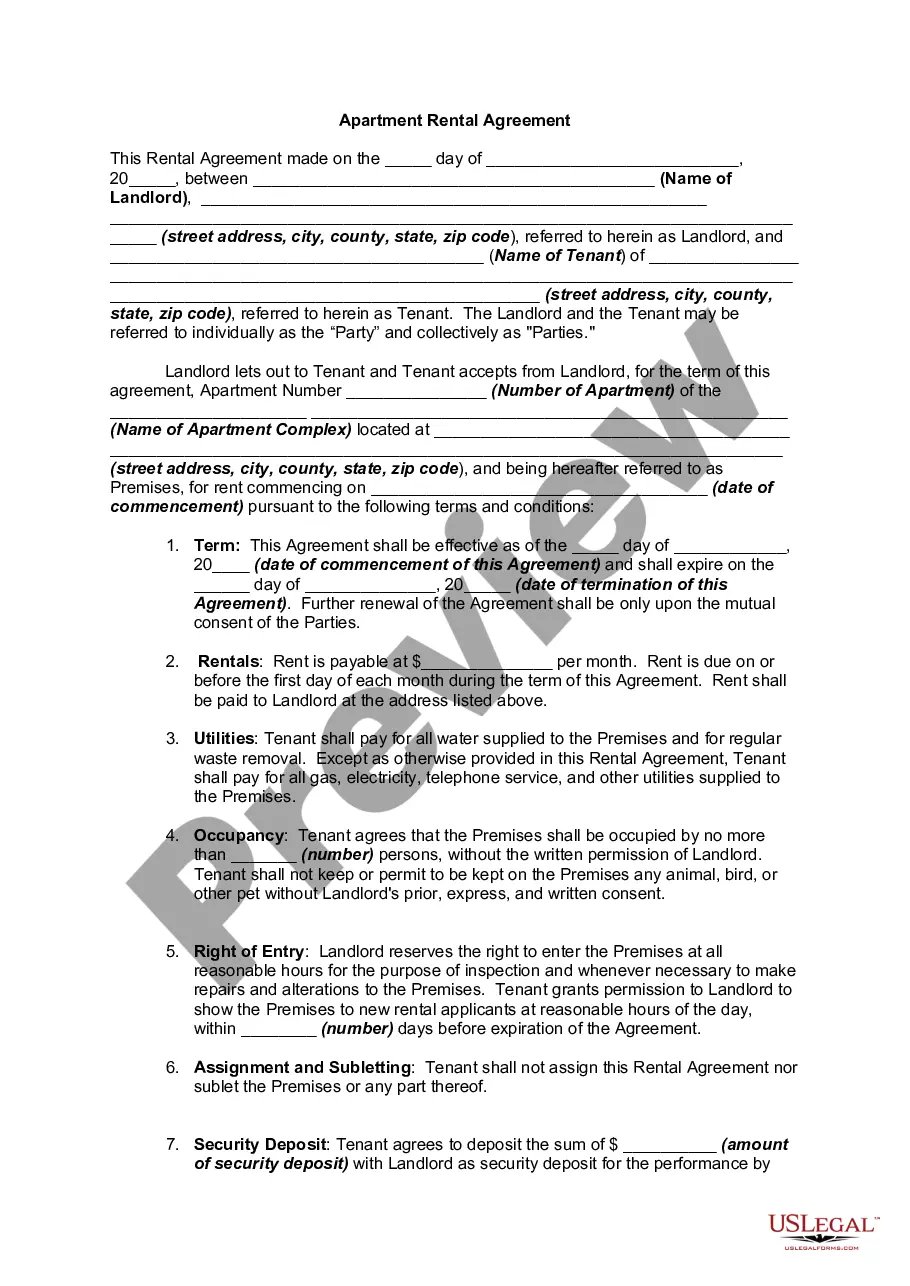
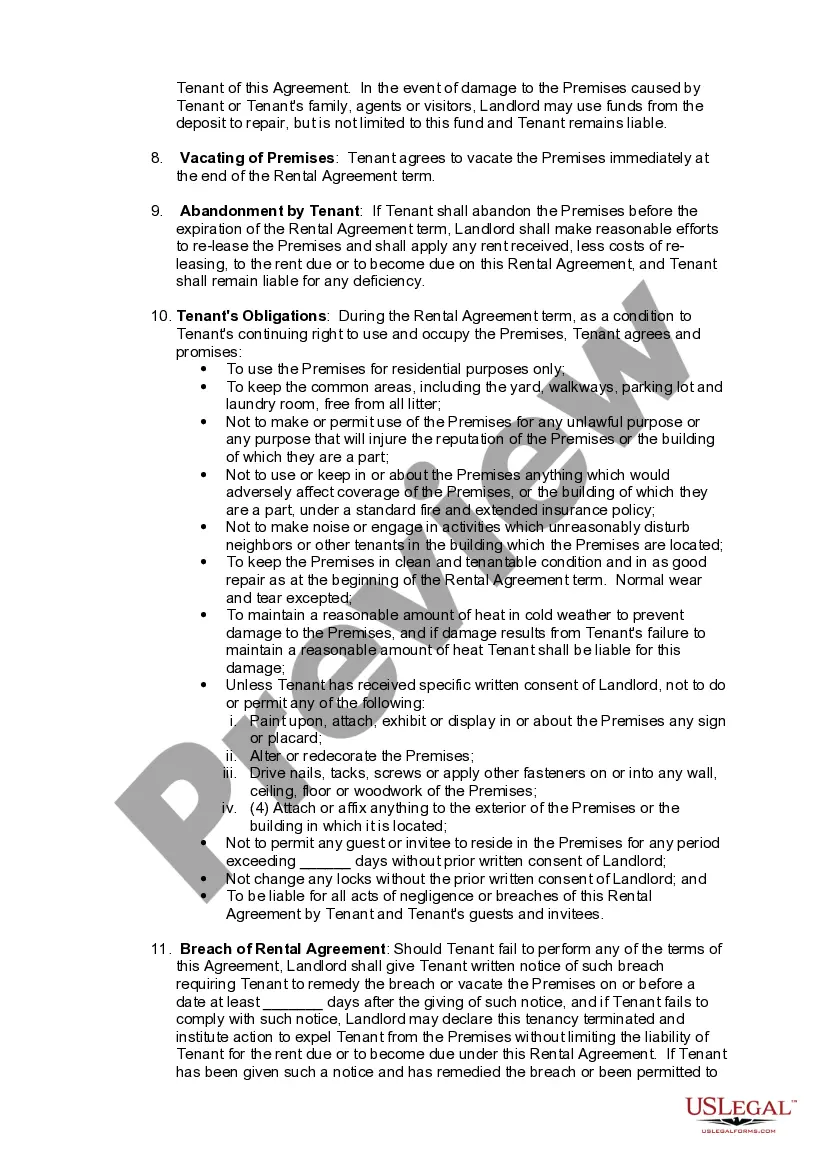
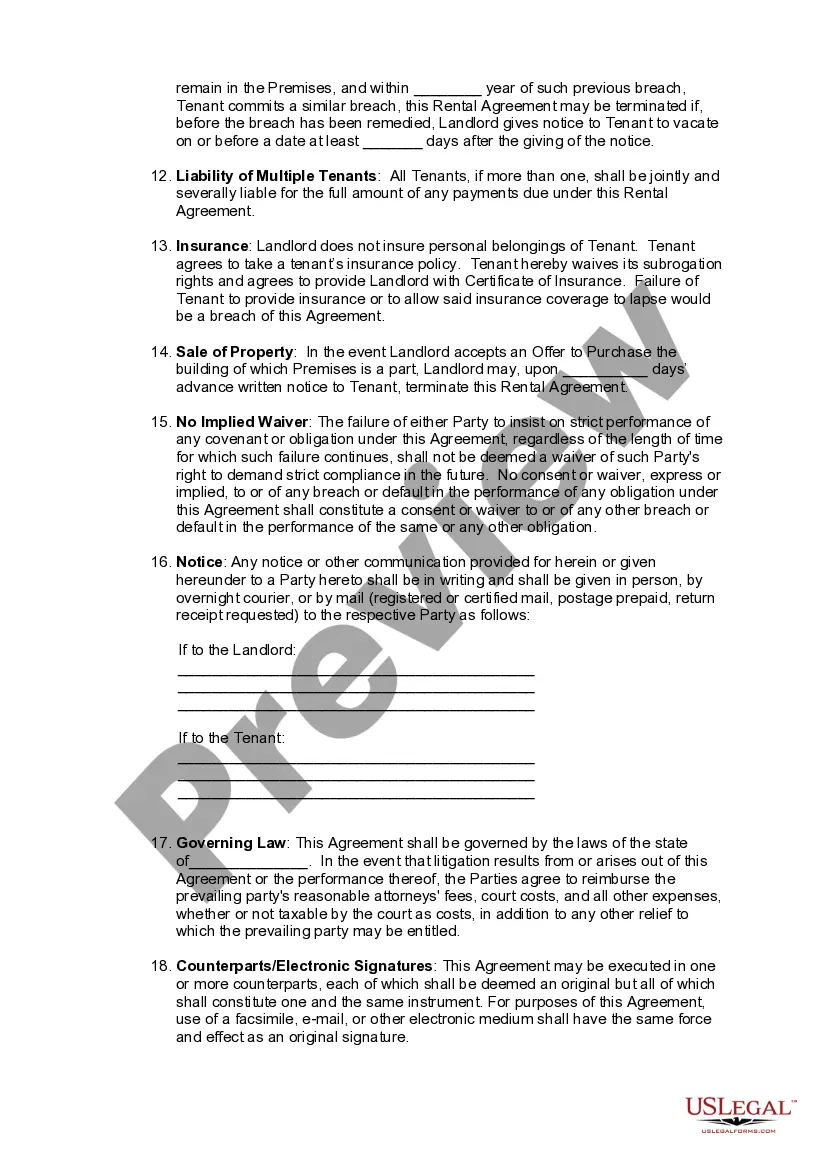
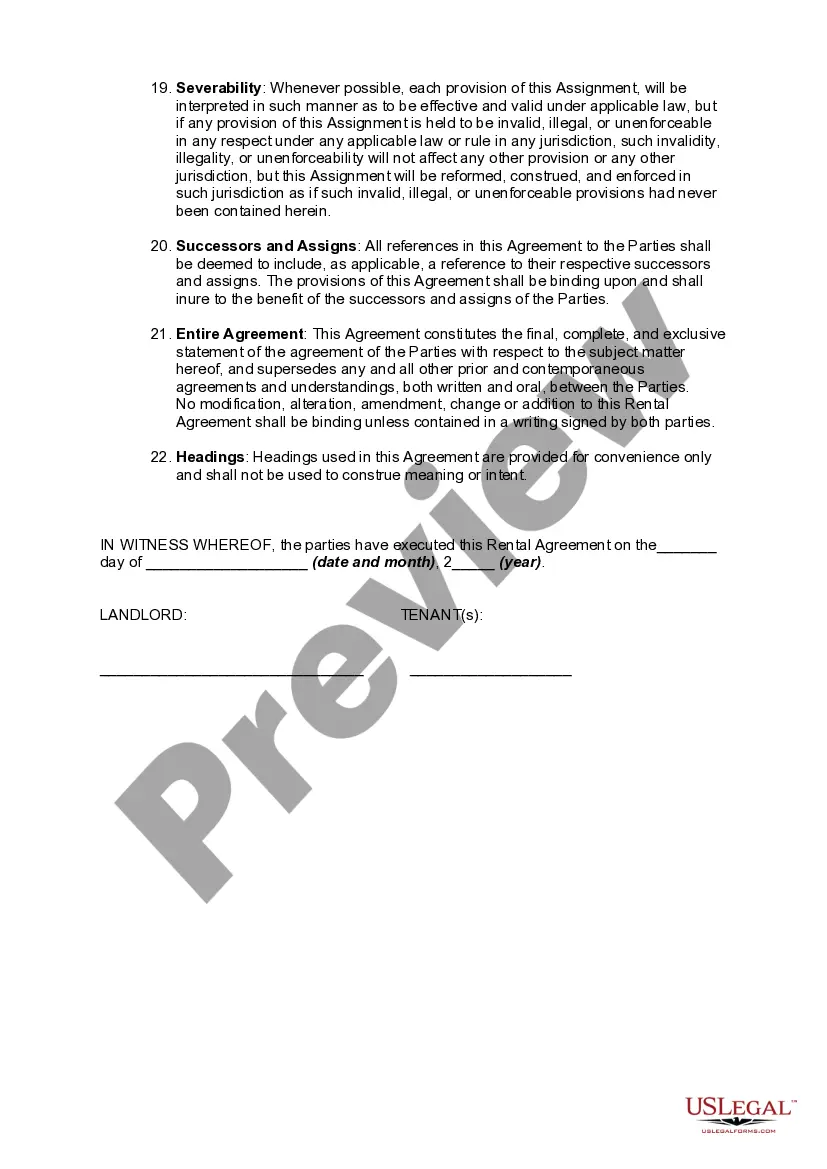
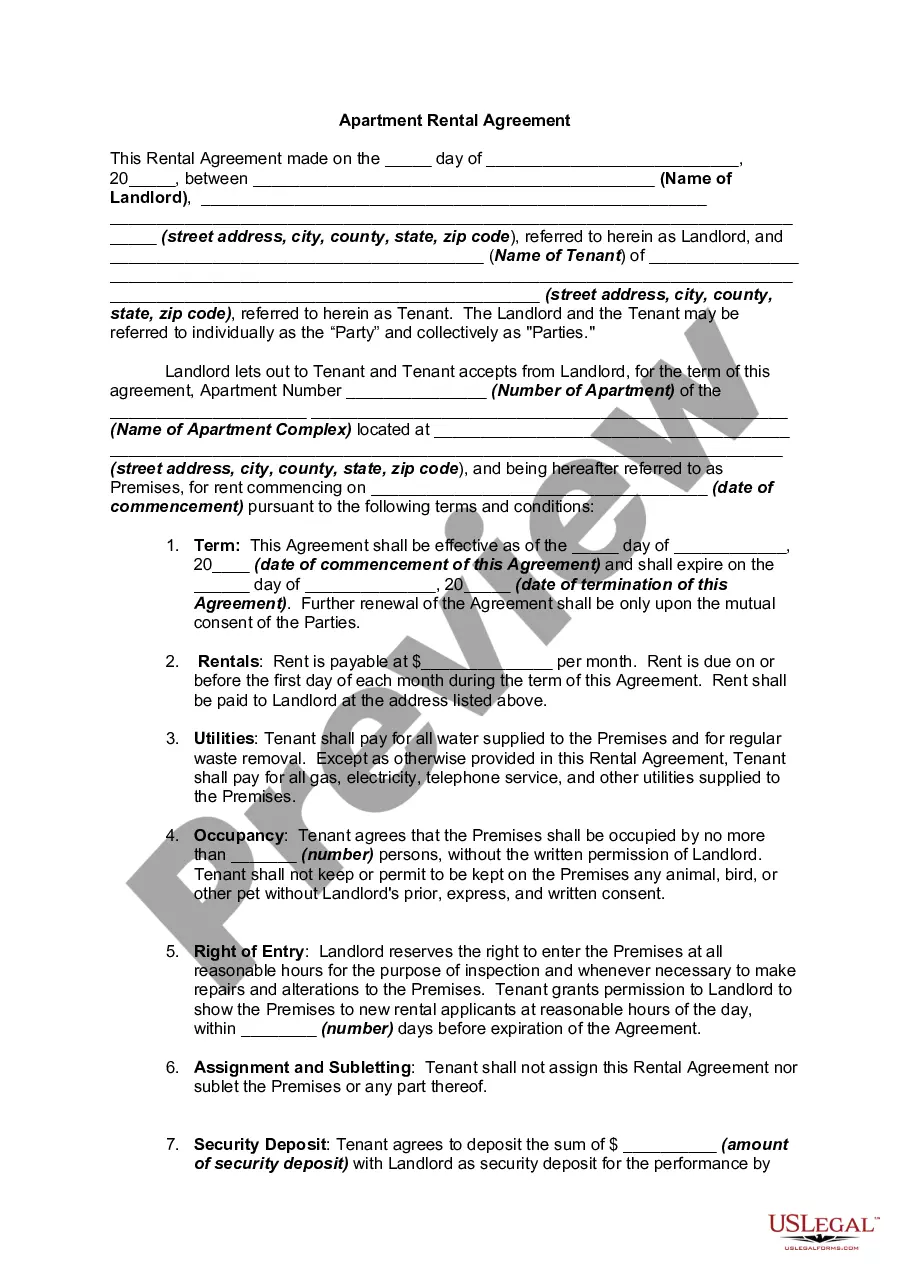
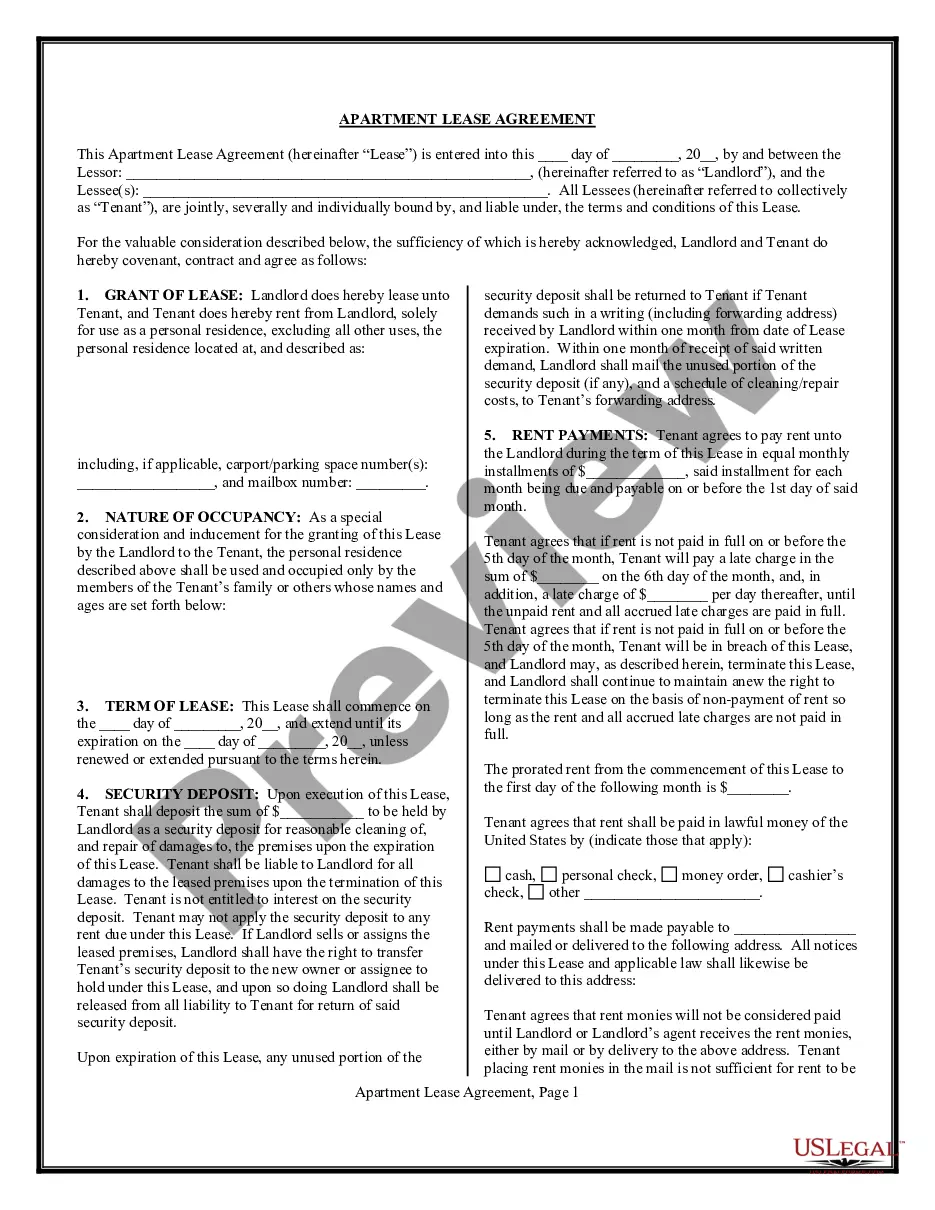
Apartment Lease Format In Franklin
Description
Get your form ready online
Our built-in tools help you complete, sign, share, and store your documents in one place.
Make edits, fill in missing information, and update formatting in US Legal Forms—just like you would in MS Word.
Download a copy, print it, send it by email, or mail it via USPS—whatever works best for your next step.
Sign and collect signatures with our SignNow integration. Send to multiple recipients, set reminders, and more. Go Premium to unlock E-Sign.
If this form requires notarization, complete it online through a secure video call—no need to meet a notary in person or wait for an appointment.
We protect your documents and personal data by following strict security and privacy standards.

Make edits, fill in missing information, and update formatting in US Legal Forms—just like you would in MS Word.

Download a copy, print it, send it by email, or mail it via USPS—whatever works best for your next step.

Sign and collect signatures with our SignNow integration. Send to multiple recipients, set reminders, and more. Go Premium to unlock E-Sign.

If this form requires notarization, complete it online through a secure video call—no need to meet a notary in person or wait for an appointment.

We protect your documents and personal data by following strict security and privacy standards.
Looking for another form?






Form popularity
FAQ
How to Structure a Lease Purchase Step One: Determine Lease Agreement Length. One of the most important aspects of a lease agreement is how long it will last. Step Two: Consider a Security Deposit. Step Three: Tax and Insurance Responsibility. Step Four: Include Rent Credit Details. Step Five: Address Miscellaneous Terms.
How to Structure a Lease Option Offer: A Guide for Real Estate Investors and First-Time Home Buyers Determining the Sales Price. Setting the Option Payment. Determining the Monthly Rent. Calculating Monthly Credits. Setting the Term of the Agreement.
A lease is a contract outlining the terms under which one party agrees to rent an asset—in this case, property—owned by another party. It guarantees the lessee, also known as the tenant, use of the property and guarantees the lessor (the property owner or landlord) regular payments for a specified period in exchange.
A lease structure often depends on the landlord's preference and what is common in the market place. Some leases push all the expenses to the tenant's side of the ledger, while other leases push all the expenses to the landlord's side; and then there are many lease types in the middle.
How to Write a Lease Agreement Names. Every contract should include the full names of all the parties involved, meaning the tenants and landlord. Description and Address of Rental Property. Term of the Tenancy. Price of Rent. Mandatory Disclosures. Subletting. Tenant Obligations. Breaking of the Lease.
The most common terms for a short-term lease are six months or three months. This lease length is ideal if you're working or studying in a new area for a short period of time. For those looking for a longer-term approach, some apartments also offer 18-month leases or even two-year leases.
Here are 16 steps on how to make a lease agreement: Include the contact information of both parties. Include property details. Outline property utilities and services. Define the lease term. Disclose the monthly rent amount and due date. Detail the penalties and late fees. Describe any additional or services fees.
It is possible to draft your own lease agreement, but you are leaving yourself open to issues.
Go To Your Landlord or Management Company Not only is the person or company you signed the lease with the most likely to have a copy for themselves, many states legally require landlords to provide tenants a copy of the lease.
How to Write a Lease Agreement in 17 Steps Include the contact information of both parties. Include property details. Outline property utilities and services. Define the lease term. Disclose the monthly rent amount and due date. Detail the penalties and late fees. Describe any additional or services fees.
