Apartment Lease Format In Contra Costa
Description

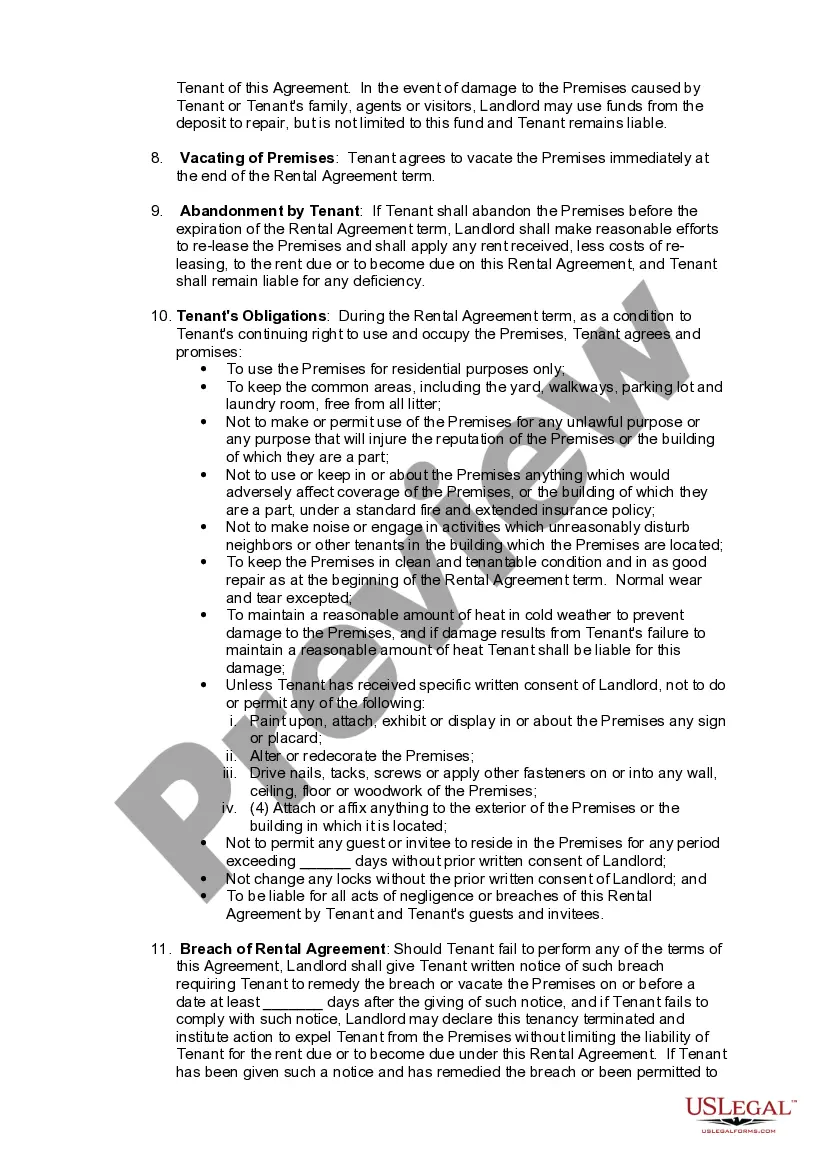
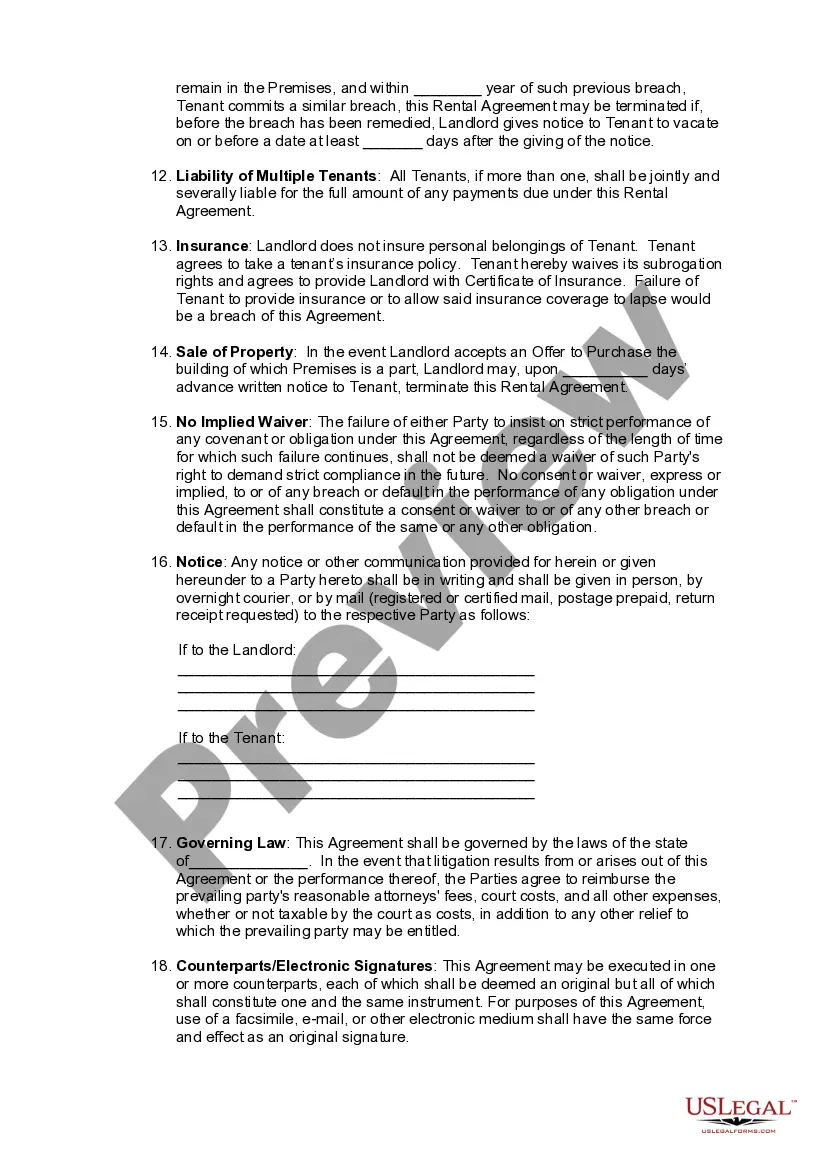
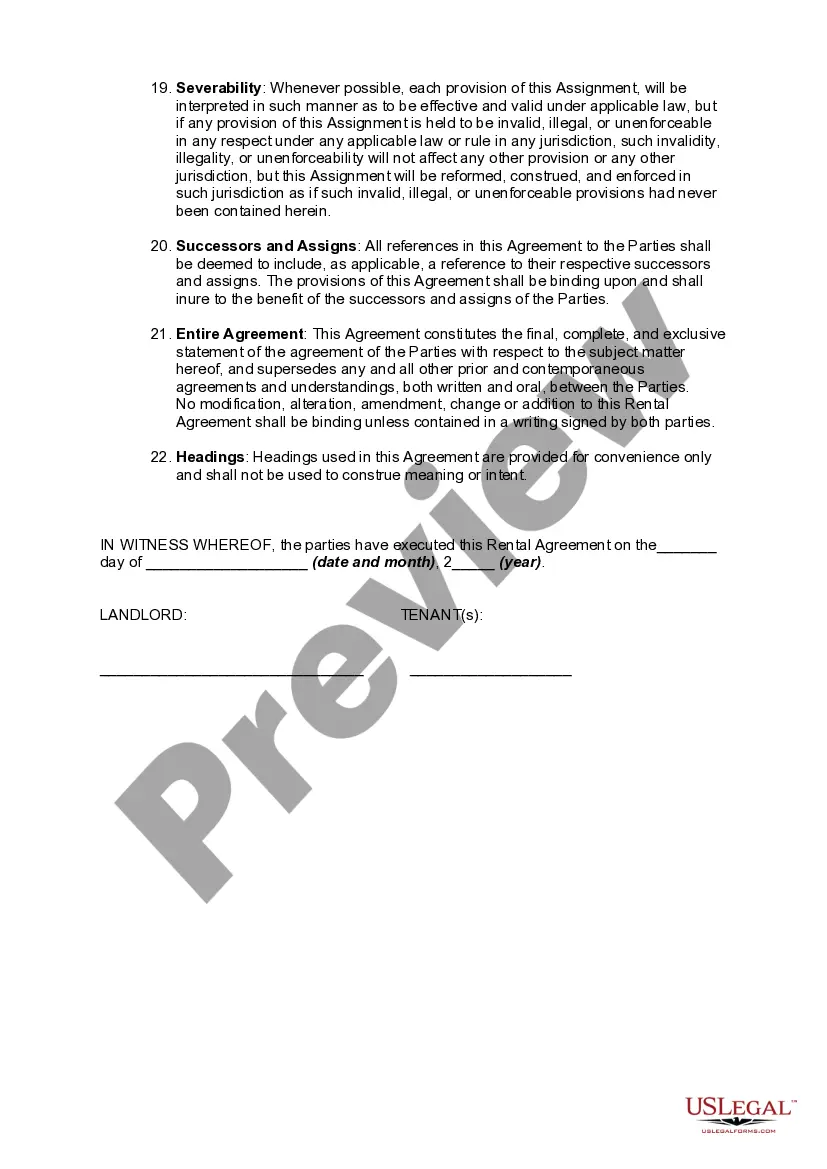
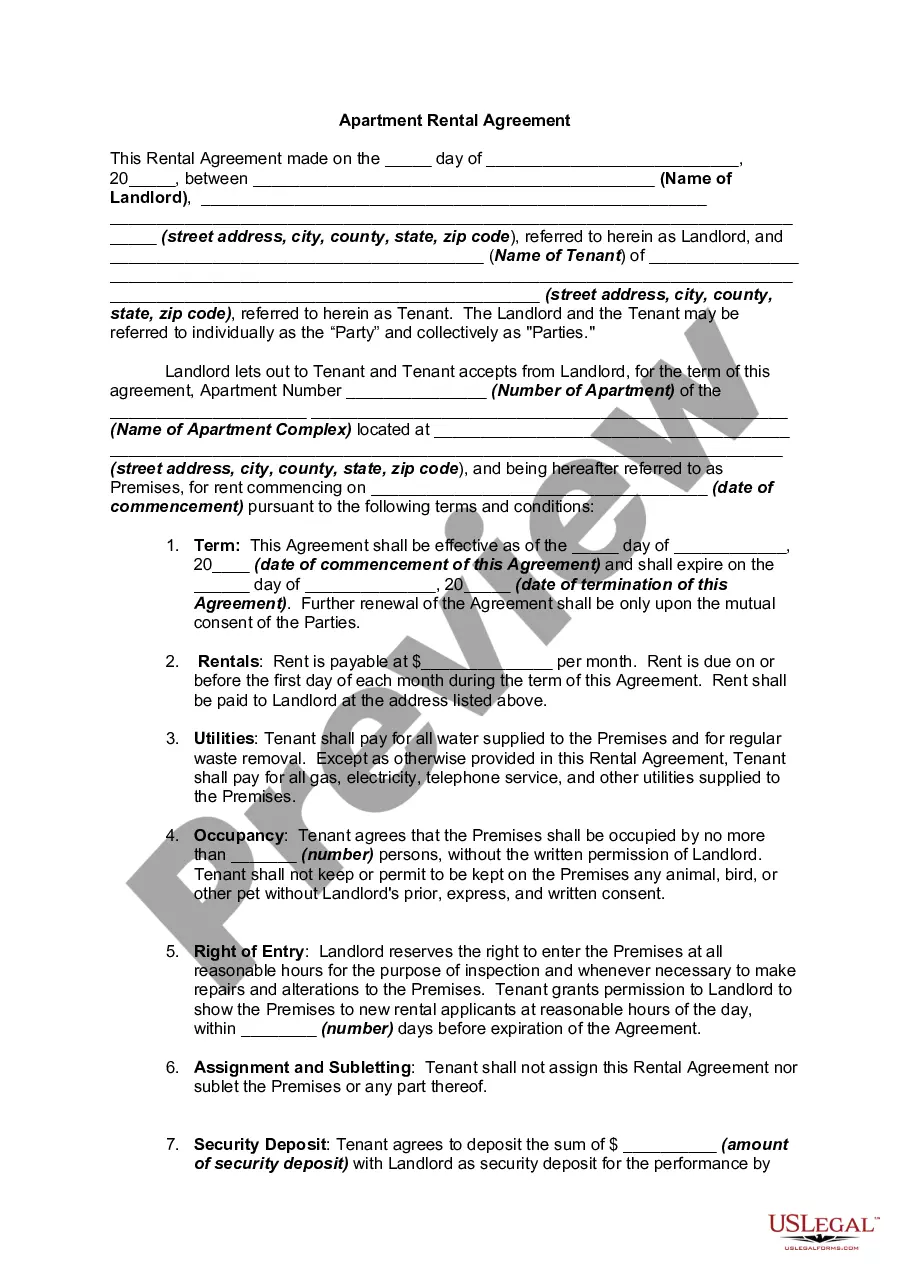
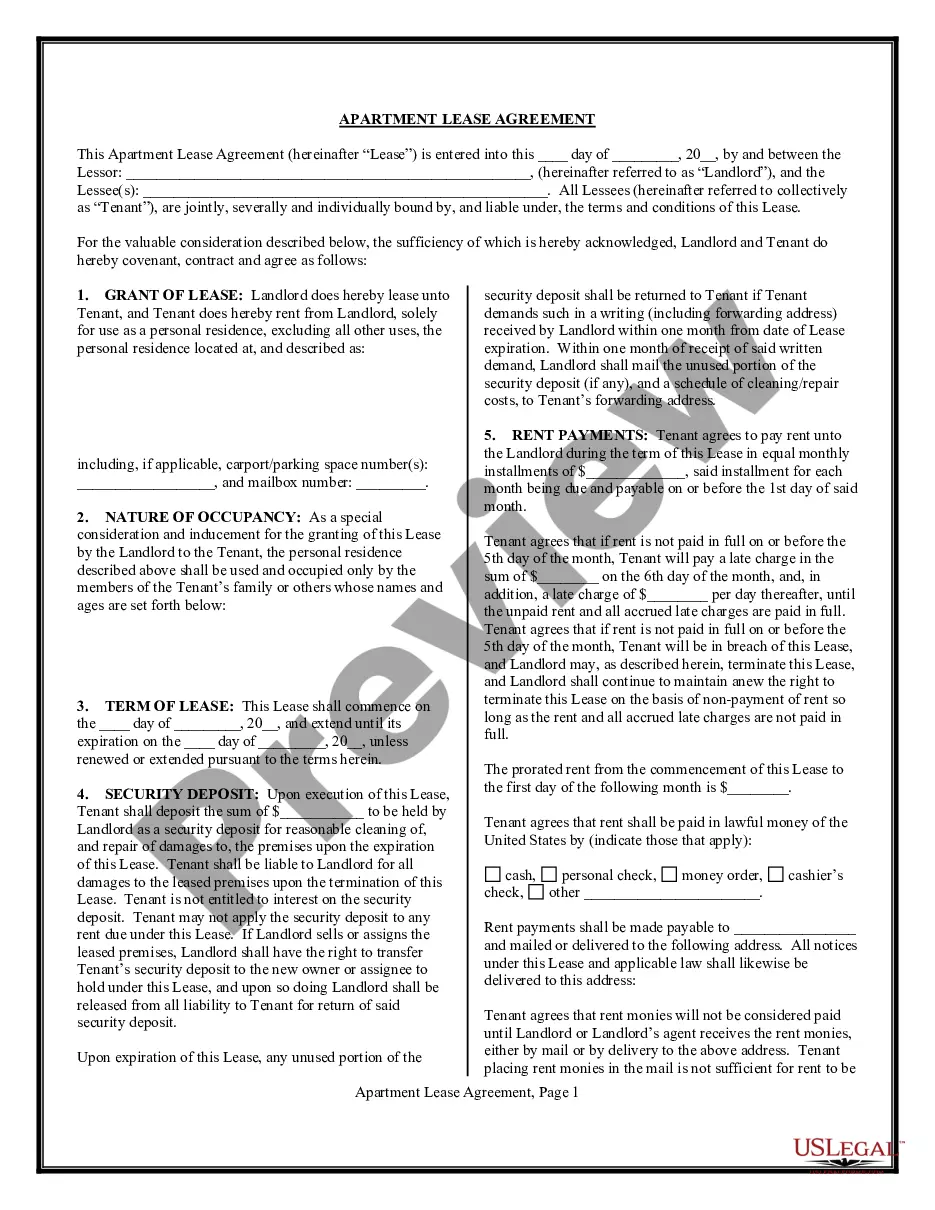
Get your form ready online
Our built-in tools help you complete, sign, share, and store your documents in one place.
Make edits, fill in missing information, and update formatting in US Legal Forms—just like you would in MS Word.
Download a copy, print it, send it by email, or mail it via USPS—whatever works best for your next step.
Sign and collect signatures with our SignNow integration. Send to multiple recipients, set reminders, and more. Go Premium to unlock E-Sign.
If this form requires notarization, complete it online through a secure video call—no need to meet a notary in person or wait for an appointment.
We protect your documents and personal data by following strict security and privacy standards.

Make edits, fill in missing information, and update formatting in US Legal Forms—just like you would in MS Word.

Download a copy, print it, send it by email, or mail it via USPS—whatever works best for your next step.

Sign and collect signatures with our SignNow integration. Send to multiple recipients, set reminders, and more. Go Premium to unlock E-Sign.

If this form requires notarization, complete it online through a secure video call—no need to meet a notary in person or wait for an appointment.

We protect your documents and personal data by following strict security and privacy standards.
Looking for another form?







Form popularity
FAQ
Annual rent increases are capped at the lesser of 3% or 60% of CPI.
Ing to AB-1482, the Tenant Protection Act of 2019, landlords in California are only permitted to increase rent by 5% plus 10% or the annual inflation rate, whichever is lower.
In 2016, Richmond passed the Fair Rent, Just Cause for Eviction and Homeowner Protection Ordinance — the first rent-control law in Contra Costa County. The comprehensive measure includes both rent control and just cause eviction, which makes no-fault evictions costlier for landlords.
Rent Increase Amount ing to AB-1482, the Tenant Protection Act of 2019, landlords in California are only permitted to increase rent by 5% plus 10% or the annual inflation rate, whichever is lower.
If you are a tenant and feel like you are being unfairly evicted and/or your eviction notice is in violation of the eviction moratorium, please call Bay Area Legal Aid (BALA) at 800- 551-5554 and ECHO Housing at 510-581-9380 or 855- ASK-ECHO.
How to Structure a Lease Purchase Step One: Determine Lease Agreement Length. One of the most important aspects of a lease agreement is how long it will last. Step Two: Consider a Security Deposit. Step Three: Tax and Insurance Responsibility. Step Four: Include Rent Credit Details. Step Five: Address Miscellaneous Terms.
A lease structure often depends on the landlord's preference and what is common in the market place. Some leases push all the expenses to the tenant's side of the ledger, while other leases push all the expenses to the landlord's side; and then there are many lease types in the middle.
The standard lease agreement in California, whether for residential or commercial property, is a legal contract between the property owner and the prospective tenant. It outlines the terms under which the tenant can occupy and use the rental property.
A lease is a contract outlining the terms under which one party agrees to rent an asset—in this case, property—owned by another party. It guarantees the lessee, also known as the tenant, use of the property and guarantees the lessor (the property owner or landlord) regular payments for a specified period in exchange.
How to Write a Lease Agreement Names. Every contract should include the full names of all the parties involved, meaning the tenants and landlord. Description and Address of Rental Property. Term of the Tenancy. Price of Rent. Mandatory Disclosures. Subletting. Tenant Obligations. Breaking of the Lease.
