Mortgage Holder Lender For Self Employed
Description
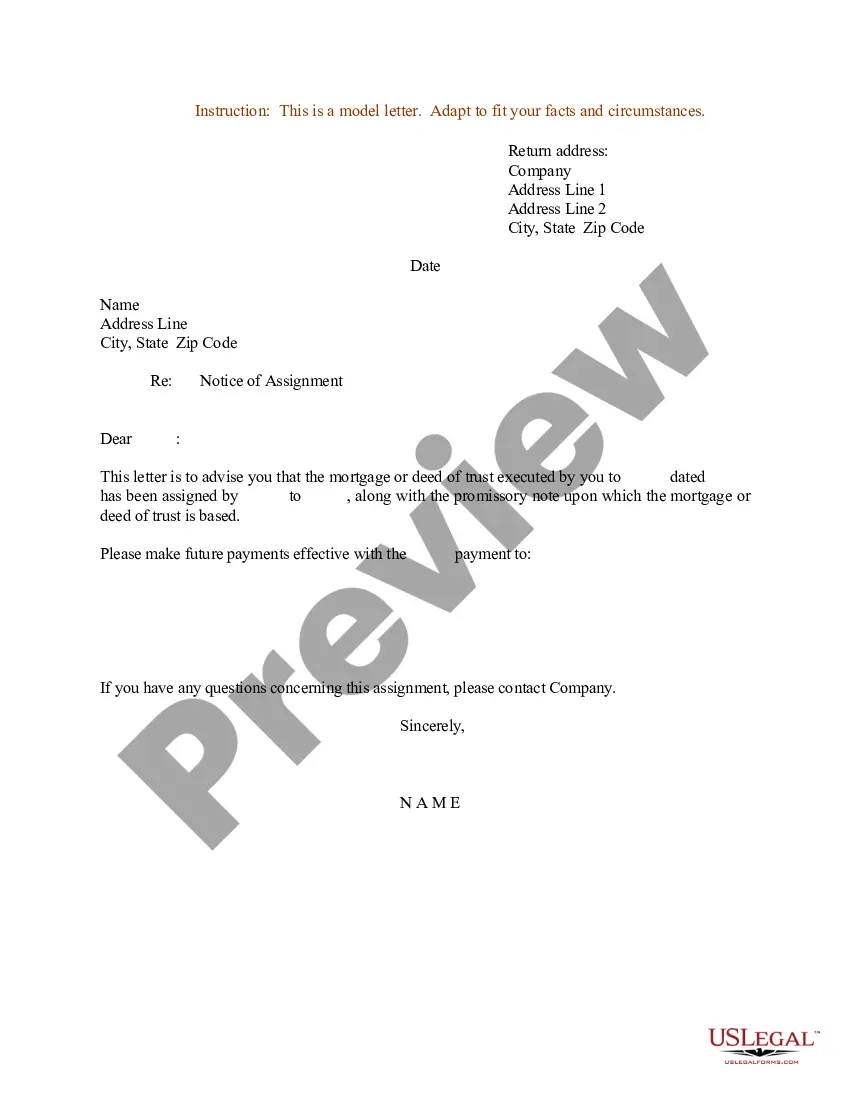
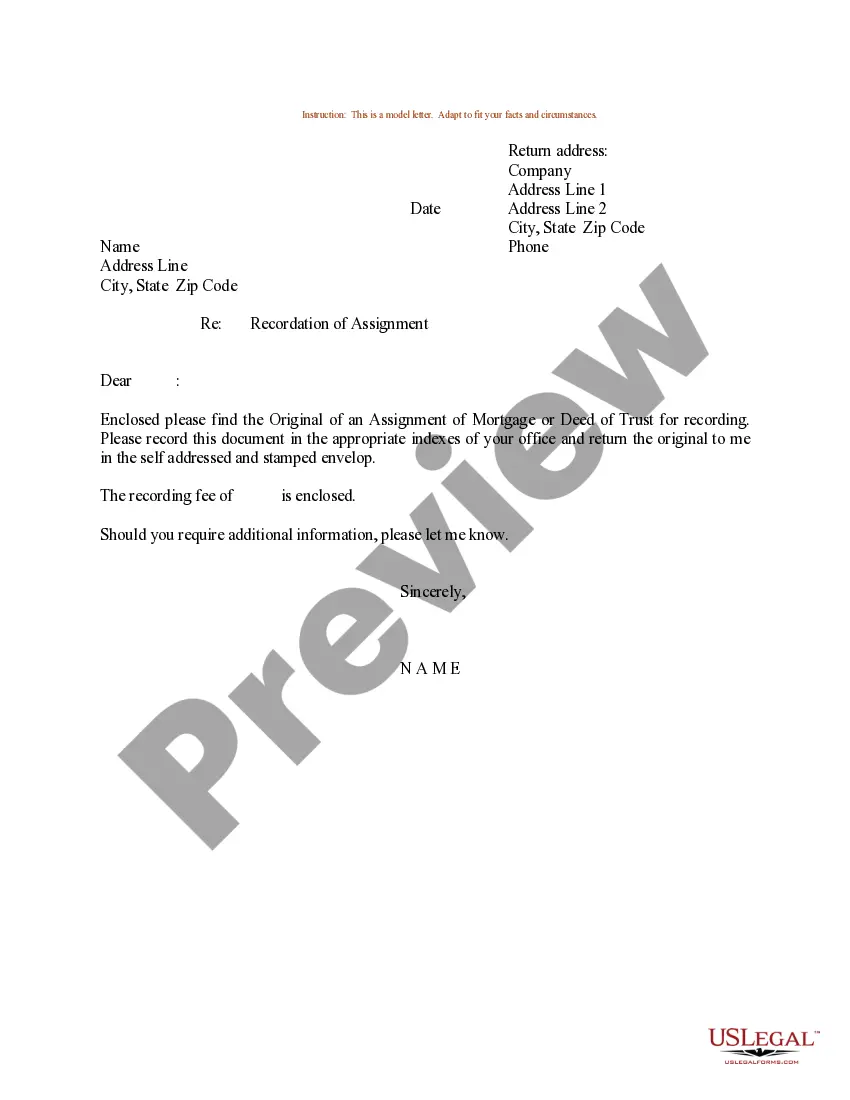
Get your form ready online
Our built-in tools help you complete, sign, share, and store your documents in one place.
Make edits, fill in missing information, and update formatting in US Legal Forms—just like you would in MS Word.
Download a copy, print it, send it by email, or mail it via USPS—whatever works best for your next step.
Sign and collect signatures with our SignNow integration. Send to multiple recipients, set reminders, and more. Go Premium to unlock E-Sign.
If this form requires notarization, complete it online through a secure video call—no need to meet a notary in person or wait for an appointment.
We protect your documents and personal data by following strict security and privacy standards.

Make edits, fill in missing information, and update formatting in US Legal Forms—just like you would in MS Word.

Download a copy, print it, send it by email, or mail it via USPS—whatever works best for your next step.

Sign and collect signatures with our SignNow integration. Send to multiple recipients, set reminders, and more. Go Premium to unlock E-Sign.

If this form requires notarization, complete it online through a secure video call—no need to meet a notary in person or wait for an appointment.

We protect your documents and personal data by following strict security and privacy standards.
Looking for another form?


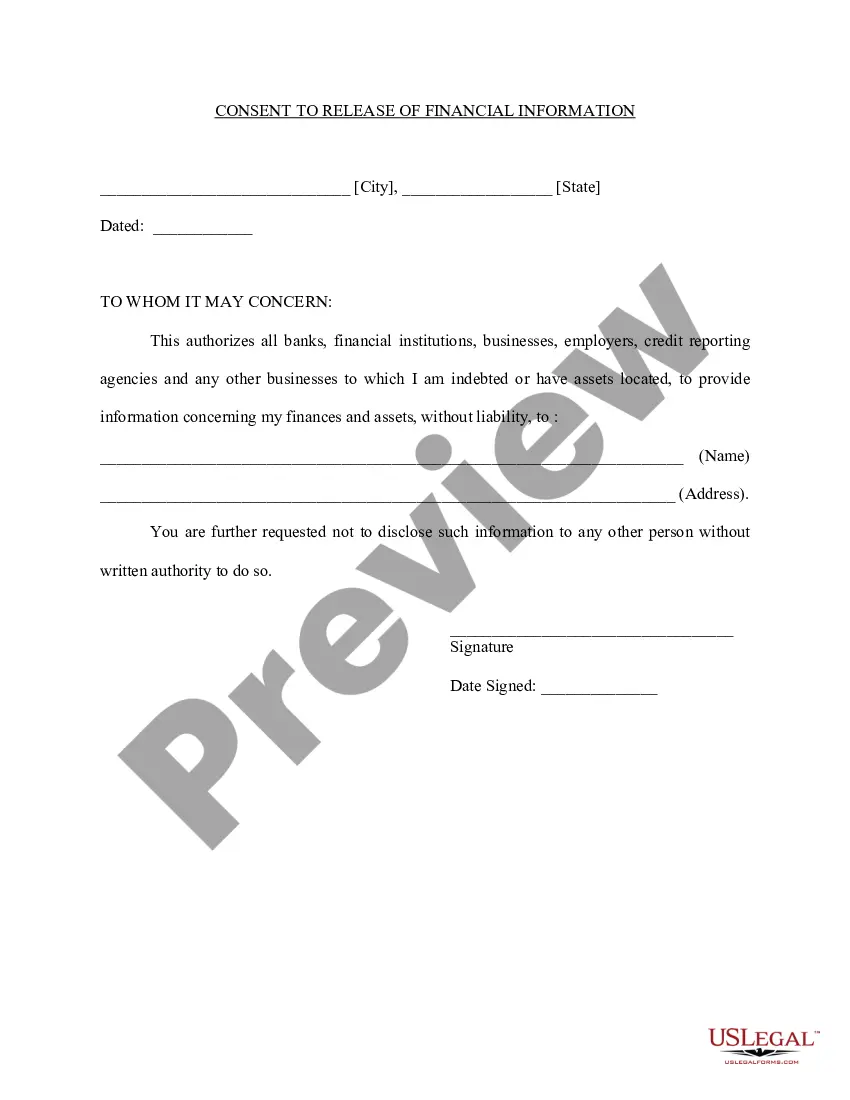
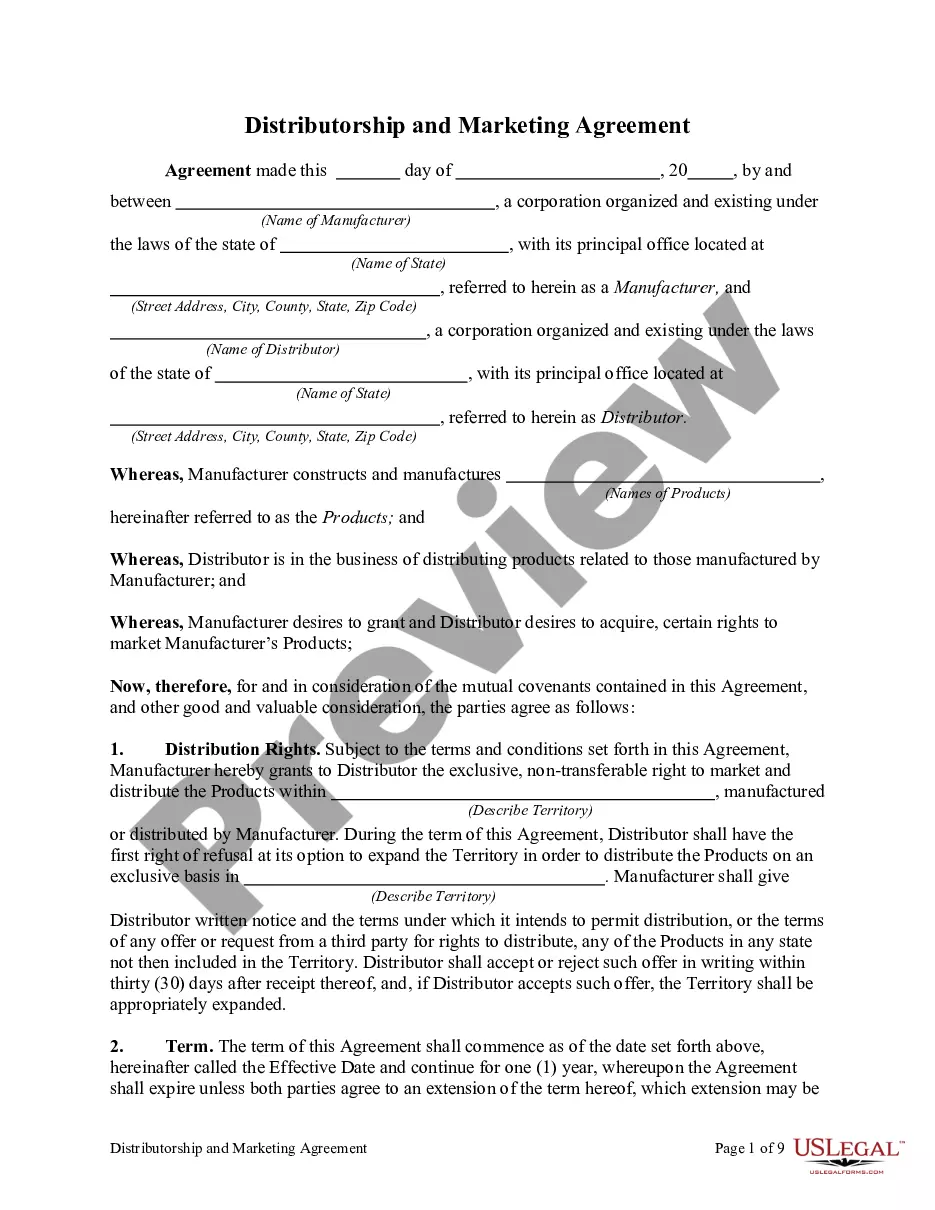





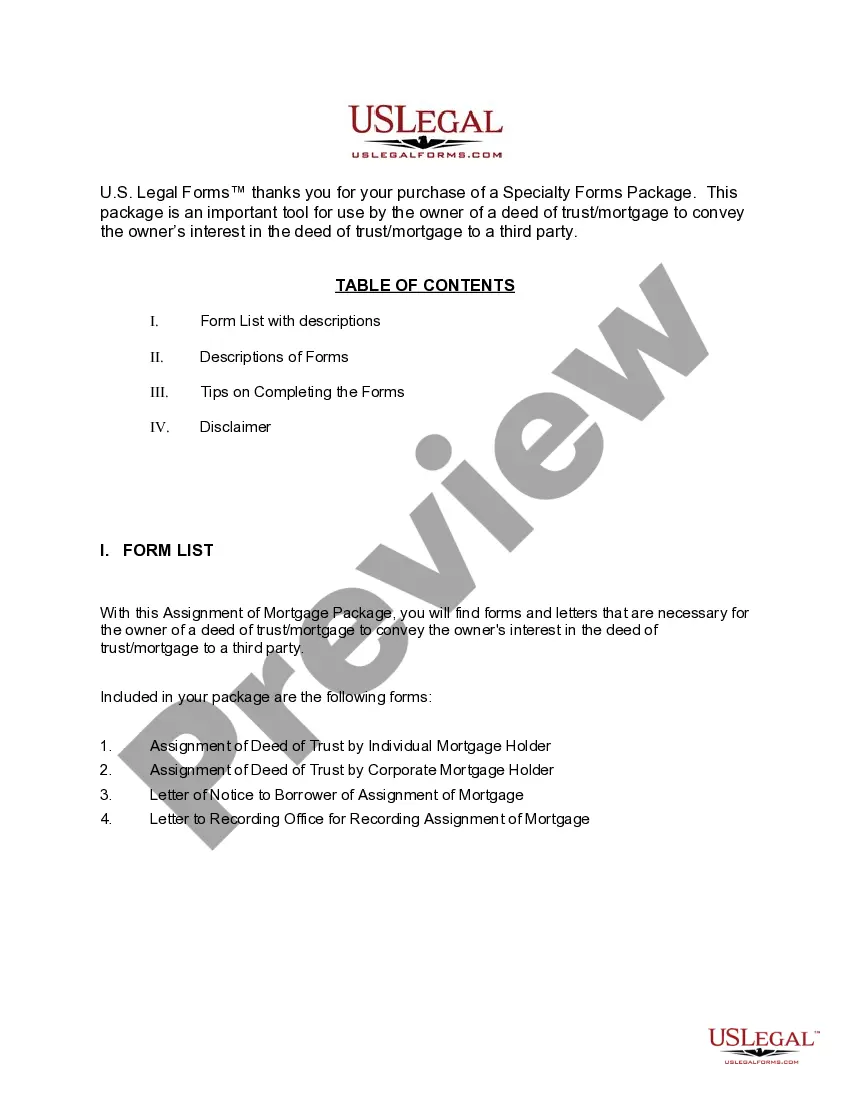
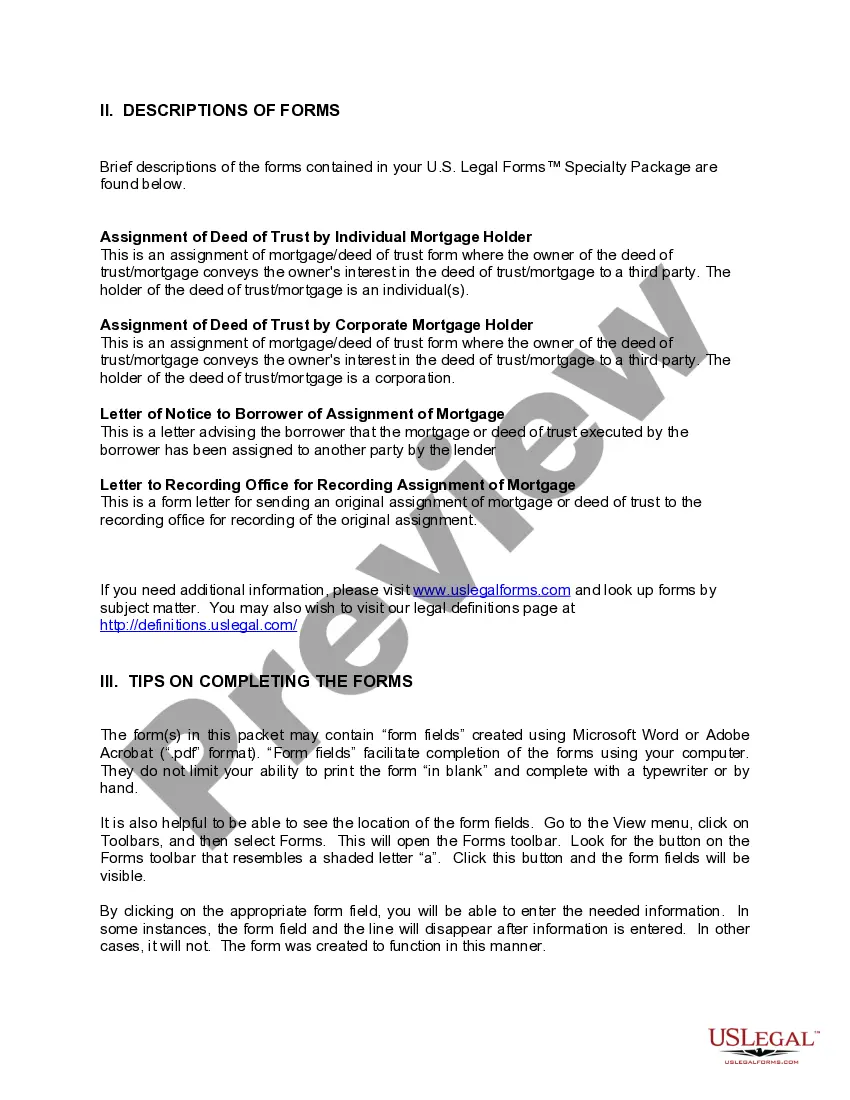
How to fill out Texas Assignment Of Mortgage Package?
Regardless of whether for commercial intentions or personal concerns, everyone must confront legal circumstances at some juncture in their existence.
Filling out legal documents necessitates meticulous focus, starting from selecting the correct form template.
Once it is saved, you can fill out the form using editing software or print it and complete it manually. With an extensive US Legal Forms catalog available, you no longer need to waste time searching for the correct template online. Utilize the library’s straightforward navigation to find the appropriate form for any occasion.
- Acquire the template you require by utilizing the search bar or catalog browsing.
- Review the form’s summary to ensure it aligns with your situation, state, and locality.
- Click on the form’s preview to inspect it.
- If it is the wrong form, return to the search function to locate the Mortgage Holder Lender For Self Employed example you need.
- Obtain the template if it fulfills your criteria.
- If you have a US Legal Forms account, simply click Log in to access previously stored templates in My documents.
- If you do not have an account yet, you may acquire the form by clicking Buy now.
- Select the appropriate payment option.
- Complete the profile registration form.
- Choose your transaction method: use a credit card or PayPal account.
- Select the document format you desire and download the Mortgage Holder Lender For Self Employed.
Form popularity
FAQ
To prove your income as a self-employed person, you need to present a combination of documents such as your tax returns and profit and loss statements. Bank statements can also serve as support, showcasing regular deposits that reflect your business income. Ensuring these documents are clear and organized helps lenders evaluate your financial health. That's where US Legal Forms can assist in streamlining the documentation process to meet the requirements set by mortgage holder lenders for self employed.
To qualify for a mortgage as a self-employed borrower, you need to demonstrate consistent income through proper documentation. Typically, lenders will look for at least two years of tax returns, and may ask for additional financial records. Maintaining a good credit score is also crucial in this process. Engaging with knowledgeable mortgage holder lenders for self employed can clarify specific requirements for your situation.
Mortgage lenders calculate income for self-employed individuals by looking at your net income from your tax returns. They often average your income over the past two years to get a more accurate financial picture. If your income fluctuates, lenders might ask for additional documentation, such as business profit and loss statements. Understanding this process can help you prepare better when dealing with mortgage holder lenders for self employed.
To prove income when self-employed for a mortgage, you typically need to provide your tax returns from the past two years. Most mortgage holder lenders for self employed individuals require this documentation to verify your earnings. Additionally, you may need profit and loss statements or bank statements to further demonstrate your financial stability. It's important to prepare these documents ahead of time to streamline the mortgage application process.
Mortgage lenders calculate self-employed income by reviewing your net income from tax returns and business financials. They may also average your income over the past two years to assess stability. This evaluation helps lenders ensure you can manage ongoing mortgage payments. Using US Legal Forms can assist in accumulating the necessary documents to present to mortgage holder lenders for self employed, making the process smoother.
To qualify for a mortgage when self-employed, focus on organizing your financial history. Lenders typically look for consistency in income over the past two years. They may require additional documentation, such as bank statements and business licenses. Leveraging tools from US Legal Forms can help you gather and present your financial information effectively to mortgage holder lenders for self employed.
Qualifying for a mortgage as a self-employed individual requires specific documentation. You will need to provide at least two years of personal tax returns, along with profit and loss statements. Mortgage holder lenders for self employed often assess your business's stability and growth by examining your income trends. Preparing your financial documents through platforms like US Legal Forms can streamline this process.
To get approved for a mortgage as a self-employed individual, start by organizing your financial documents thoroughly. Ensure you maintain a strong credit score and demonstrate consistent income over the past two years. Finally, partnering with a mortgage holder lender for self employed can make the approval process smoother by providing you with tailored advice and options specific to your needs.
Typically, a deposit for a self-employed mortgage can range from 10% to 20% of the property value, depending on the lender's policies and your credit profile. A larger deposit may improve your chances of approval and result in better interest rates. A dedicated mortgage holder lender for self employed can help you find the right deposit amount that suits your financial situation.
The 2 2 2 rule refers to the standard requirement that self-employed borrowers should provide two years of tax returns, two years of profit and loss statements, and two months of bank statements. This is a common criterion used by lenders to evaluate your eligibility for a mortgage. By working closely with a mortgage holder lender for self employed, you can ensure that you meet this requirement effectively.