Texas Power Of Attorney Requirements
Description
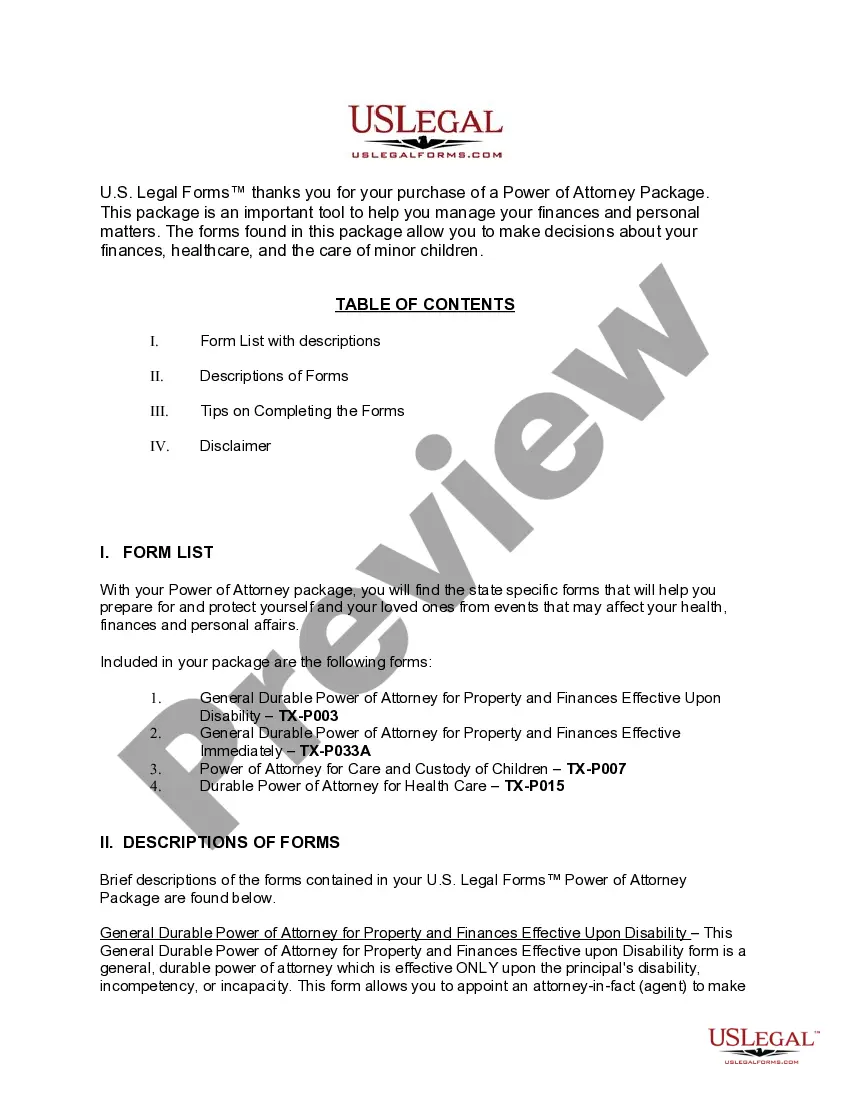
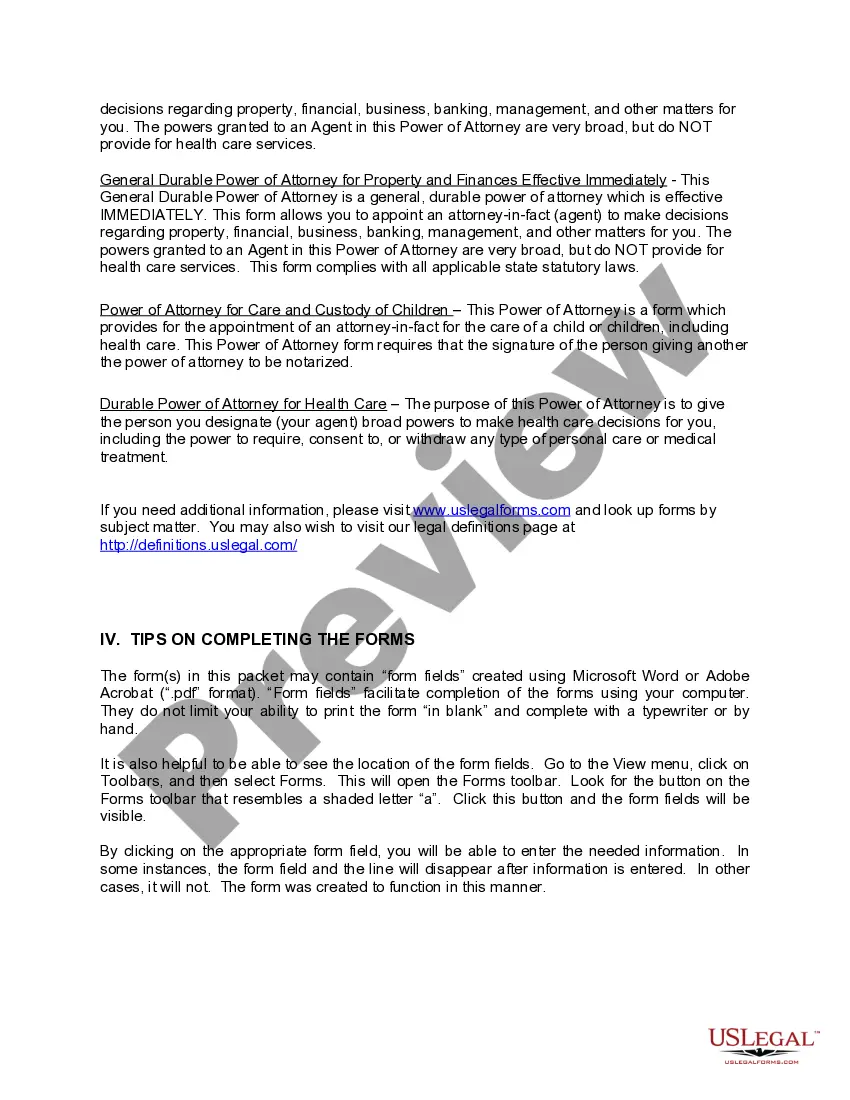
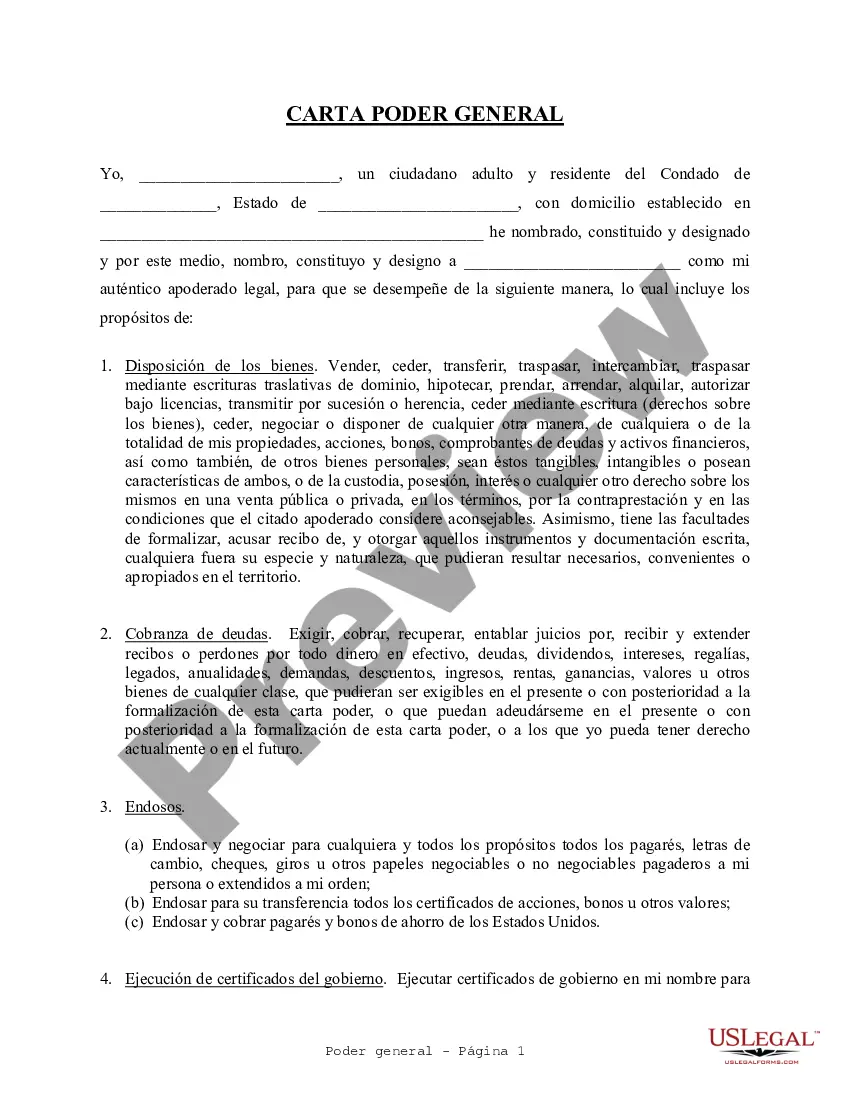
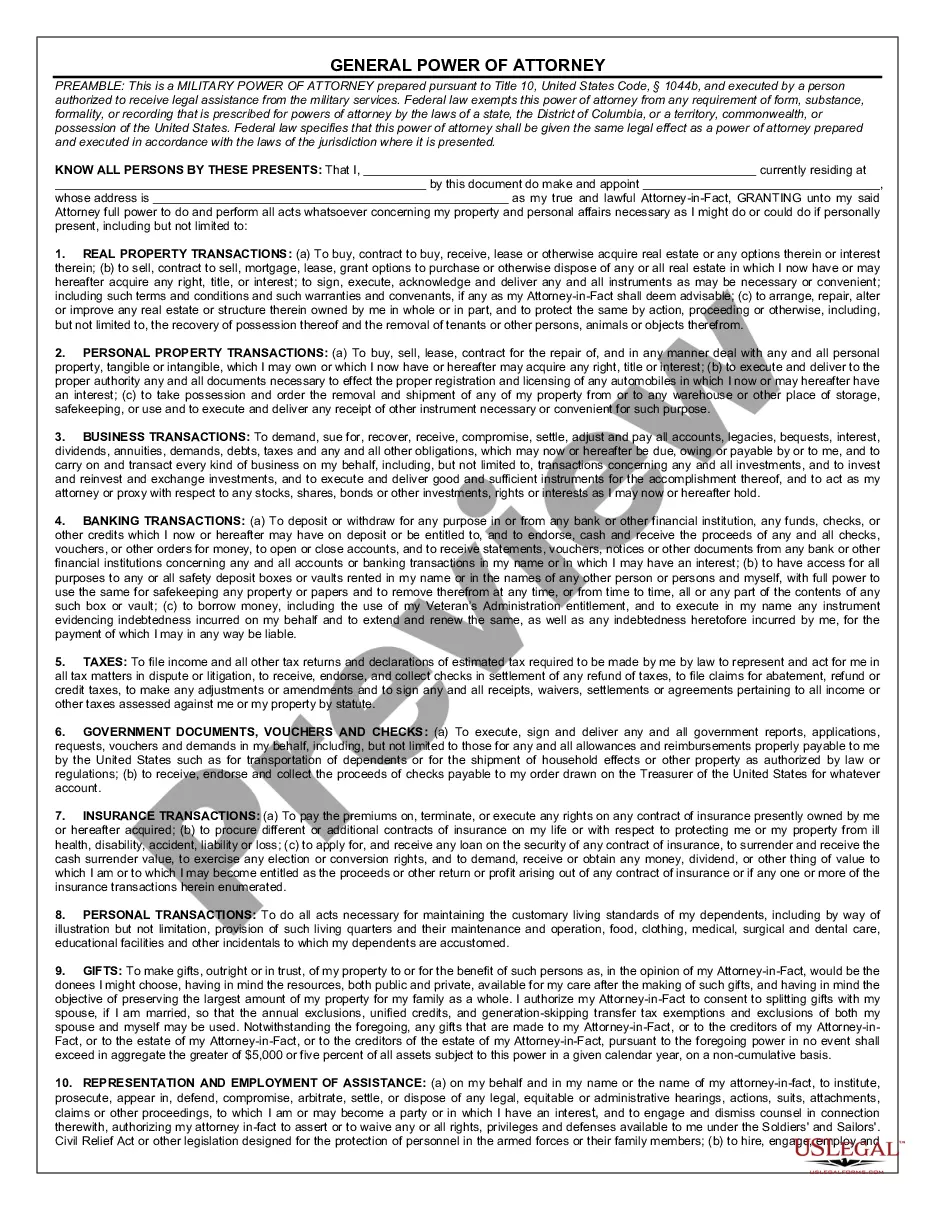
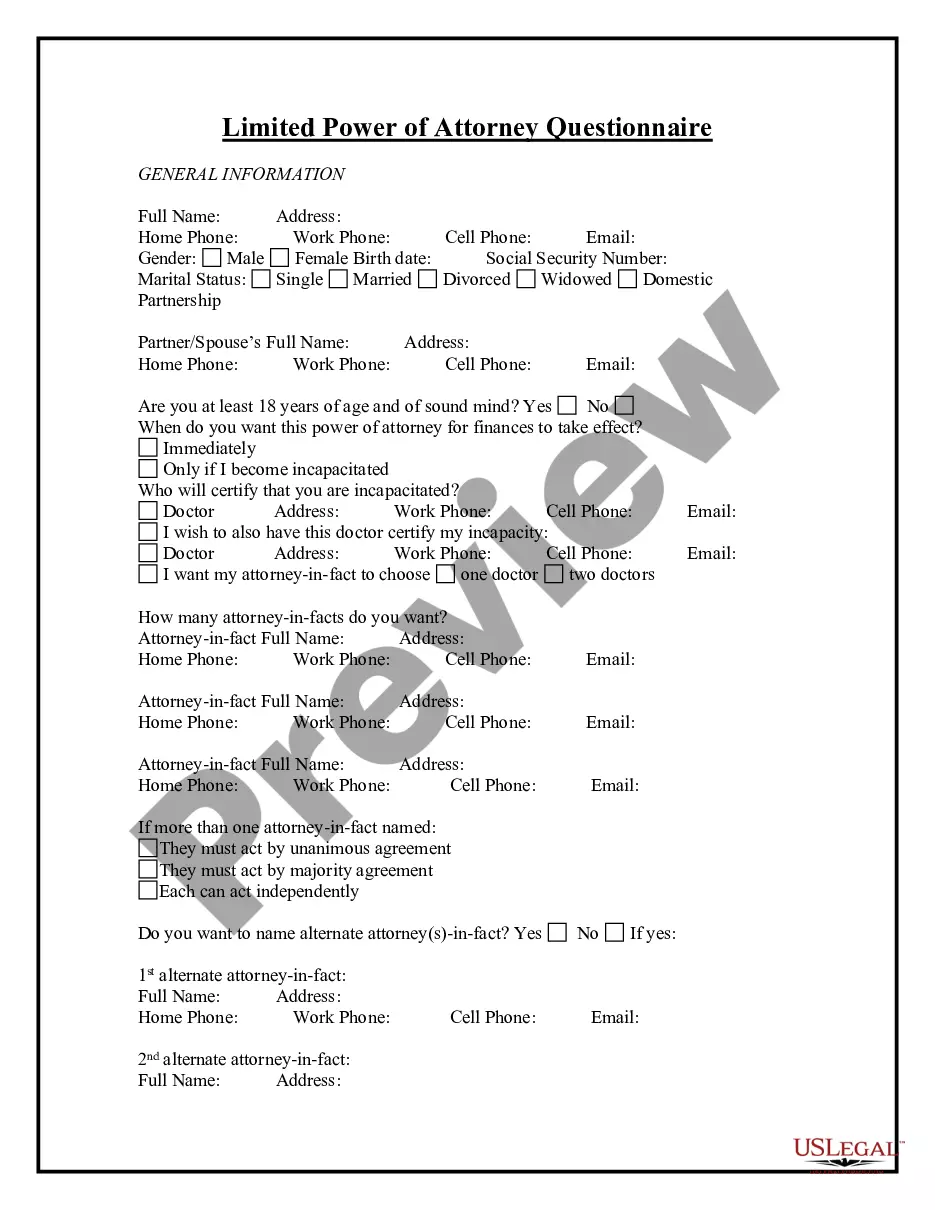
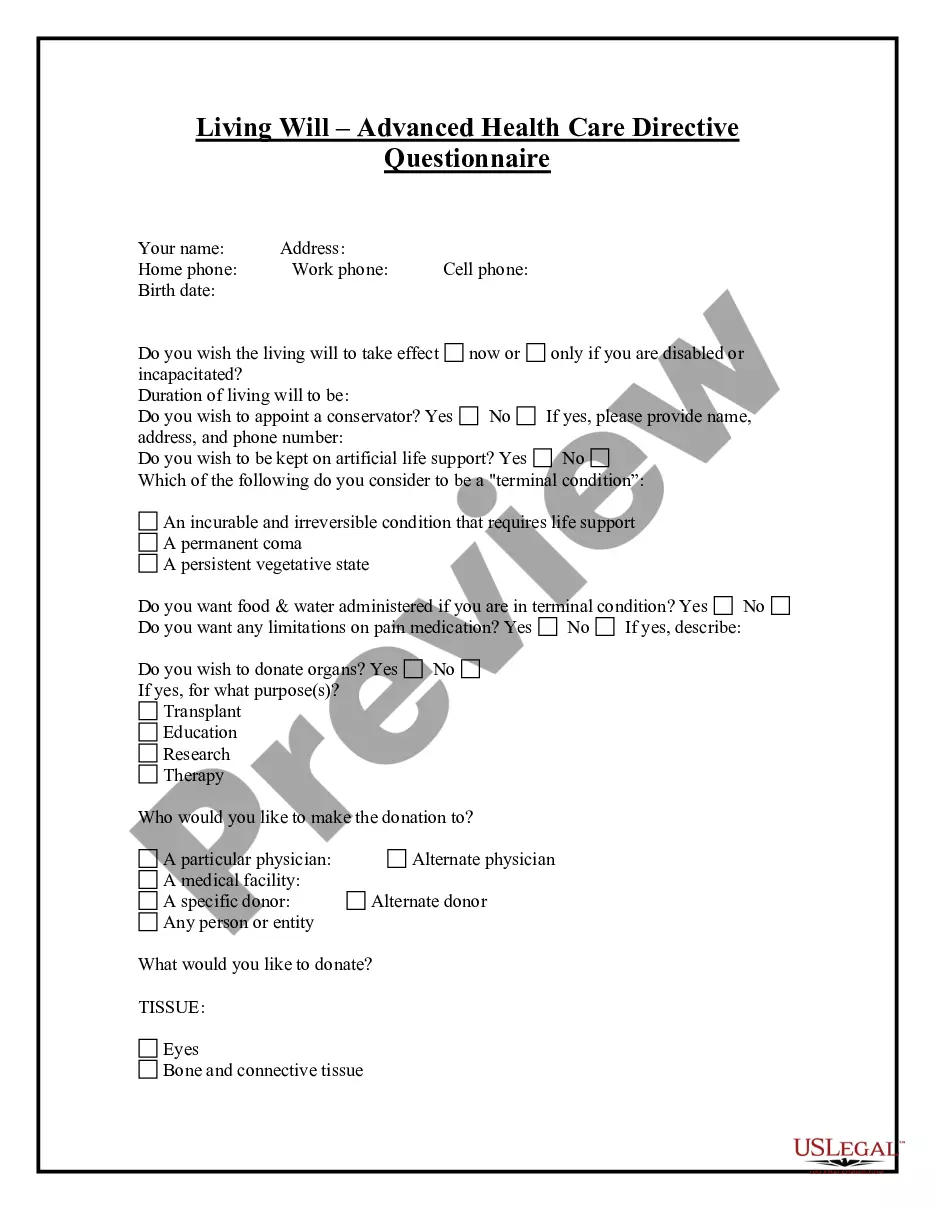

How to fill out Texas Power Of Attorney Forms Package?
Utilizing legal document examples that adhere to federal and local laws is essential, and the internet provides a multitude of choices.
However, what is the purpose of spending time searching for the accurately drafted Texas Power Of Attorney Requirements sample online when the US Legal Forms online library already compiles such templates in one location.
US Legal Forms is the largest online legal repository with over 85,000 fillable templates prepared by attorneys for any business and personal situation.
Review the template using the Preview feature or through the text description to confirm it meets your requirements.
- They are easy to navigate with all documents organized by state and intended use.
- Our experts stay informed on legislative changes, ensuring that your form is current and compliant when obtaining a Texas Power Of Attorney Requirements from our site.
- Acquiring a Texas Power Of Attorney Requirements is quick and straightforward for both existing and new users.
- If you already have an account with an active subscription, Log In and save the document sample you need in the desired format.
- If you are new to our platform, follow the instructions below.
Form popularity
FAQ
To properly fill out a power of attorney form, begin by accurately completing all sections, including the names and addresses of both the principal and the agent. Make sure to specify the powers you wish to grant and include any limitations. After signing the document, it must be notarized to comply with Texas power of attorney requirements. US Legal Forms provides detailed instructions and templates that can help you navigate this process effortlessly.
Texas power of attorney requirements include having the document in writing, signed by the principal, and notarized. The agent must be at least 18 years old and capable of managing the designated responsibilities. Additionally, the form should clearly outline the powers being granted to avoid any confusion. For comprehensive guidance, check out US Legal Forms, where you can find resources tailored to meet these requirements.
To fill out a power of attorney in Texas, start by selecting the appropriate form that meets Texas power of attorney requirements. Clearly identify the principal and the agent, and specify the powers granted to the agent. You must also ensure that the document is signed in the presence of a notary public. For a smoother process, consider using the US Legal Forms platform, which offers easy-to-use templates.
While you do not necessarily need a lawyer to create a power of attorney in Texas, consulting one can provide peace of mind. A legal professional can help ensure that your document meets all Texas power of attorney requirements and is tailored to your specific situation. If you prefer a straightforward solution, consider using platforms like USLegalForms to create your power of attorney with ease.
The requirements for a power of attorney in Texas include having a written document that specifies the powers granted to the agent and is signed by the principal. Additionally, the document must be either notarized or witnessed by two individuals who are not named in the power of attorney. Understanding and following these Texas power of attorney requirements will help you create a solid legal document.
Yes, you can write your own power of attorney in Texas, provided you follow specific guidelines. It is crucial to include essential elements, such as the principal's name, the agent's name, and the powers granted. By meeting Texas power of attorney requirements, you can create a valid and functional document that suits your needs.
To ensure your power of attorney is valid in Texas, it must be signed by the principal, ideally in the presence of a notary public. Furthermore, the agent you choose must be at least 18 years old and of sound mind. Adhering to Texas power of attorney requirements will help you establish a legally binding document.
In Texas, a power of attorney (POA) does not have to be filed with the court to be valid. However, if you plan to use a POA for real estate transactions, it may be necessary to record the document with the county clerk. Remember, following Texas power of attorney requirements ensures your document serves its intended purpose effectively.