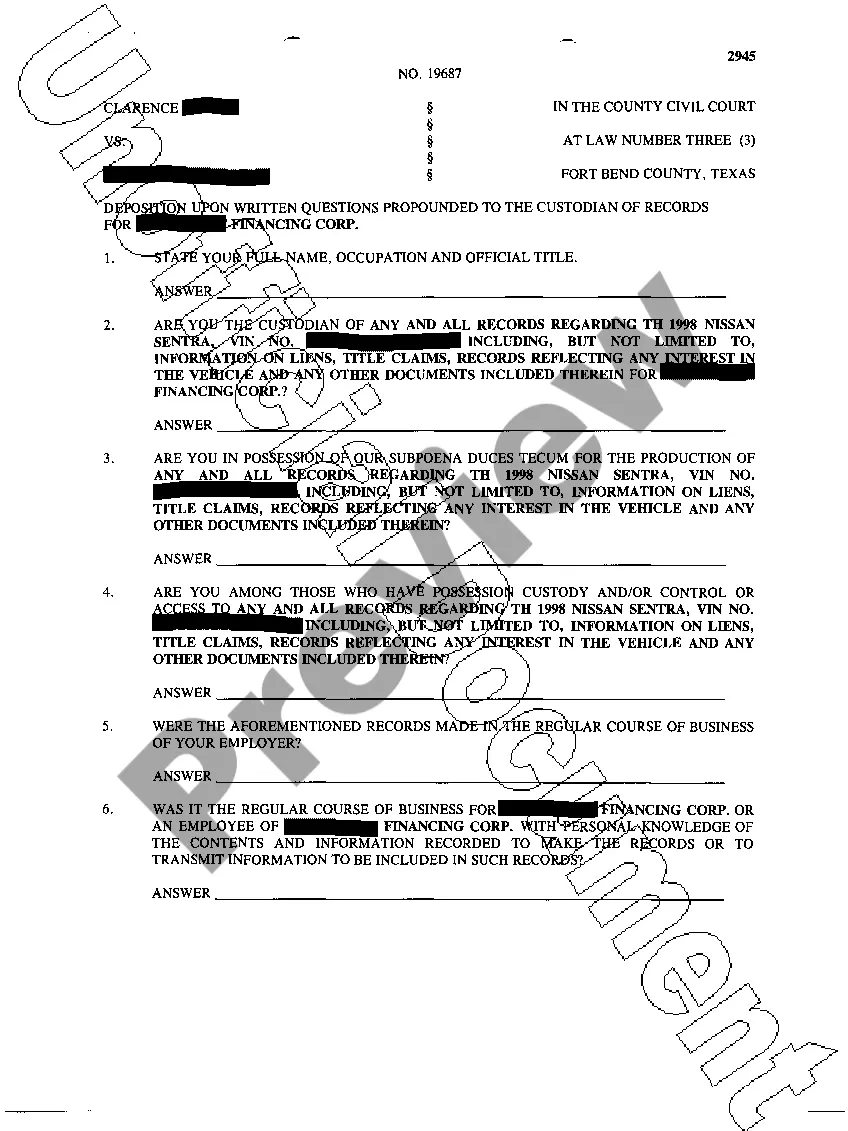
Texas Estates Code Deposition On Written Questions
Description
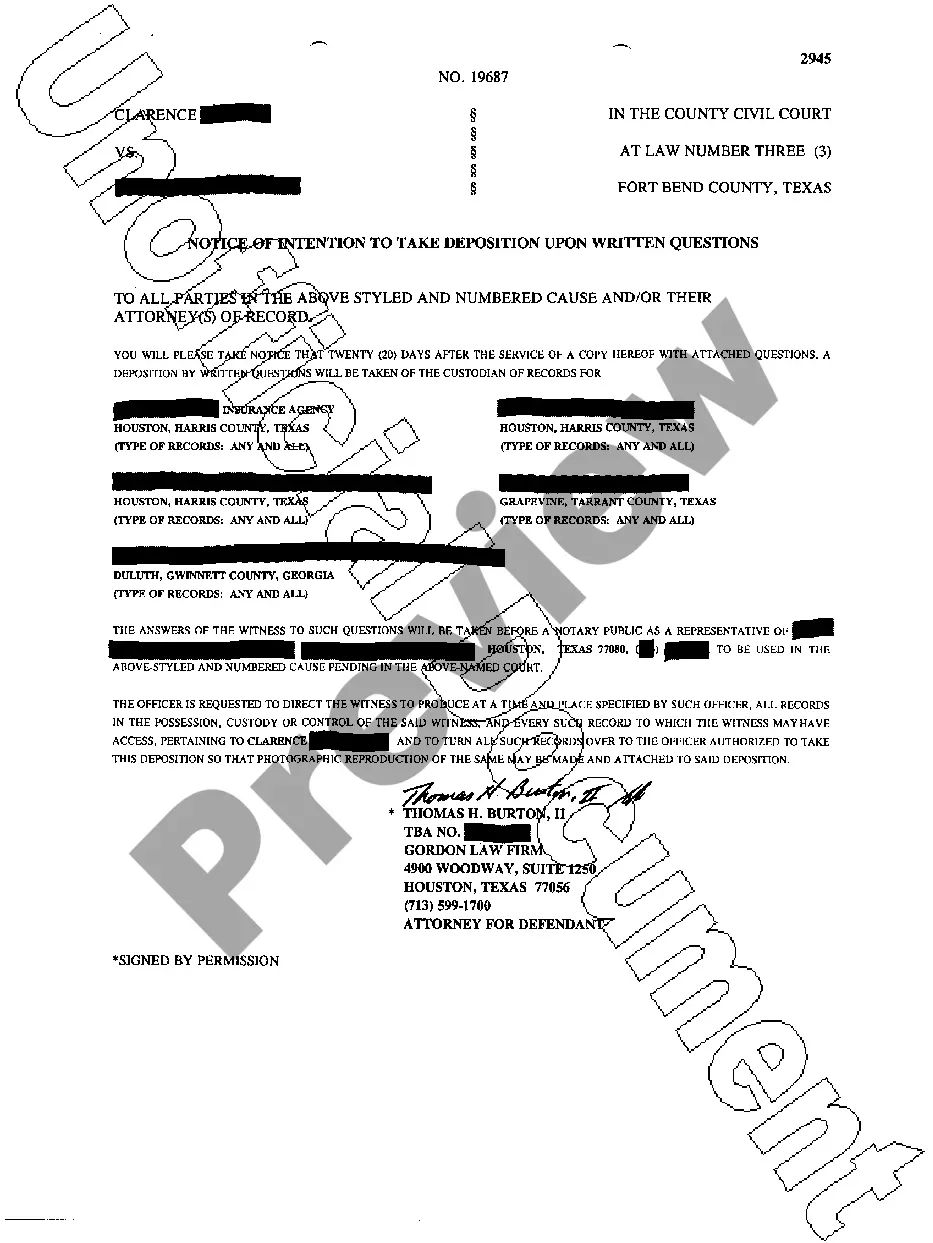
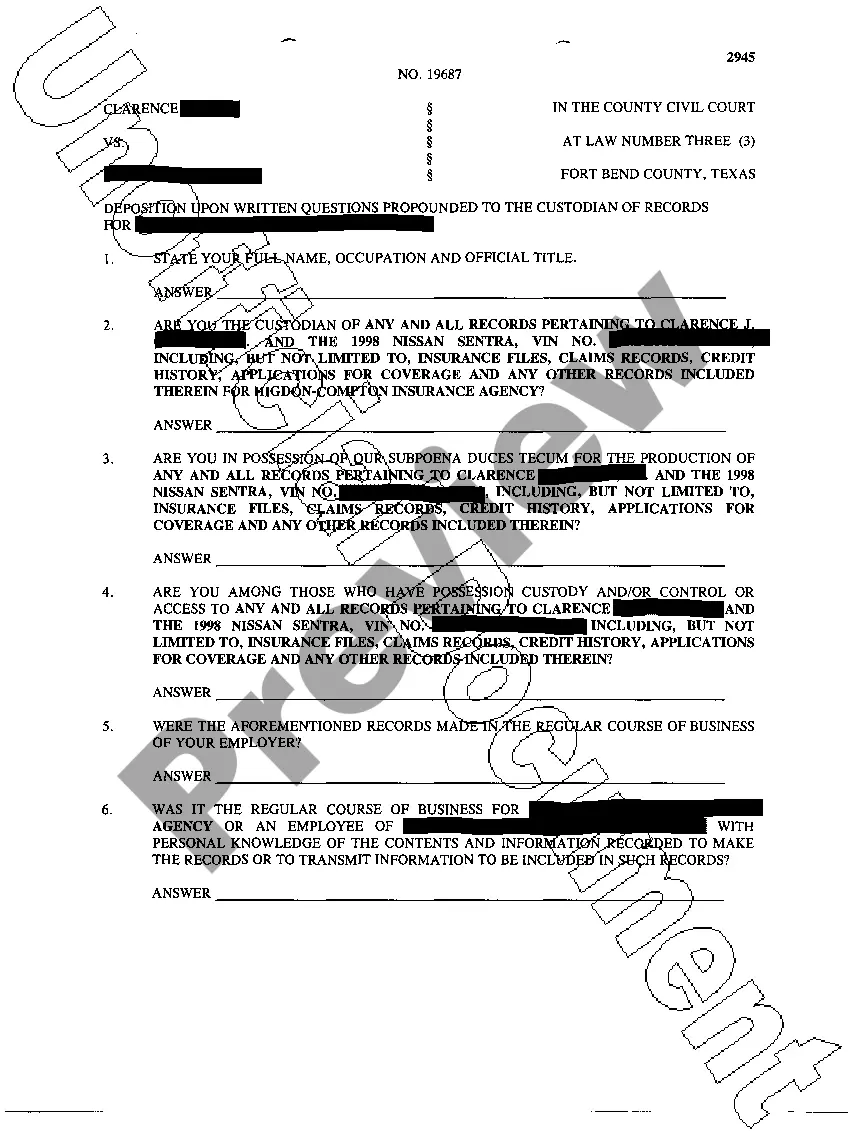
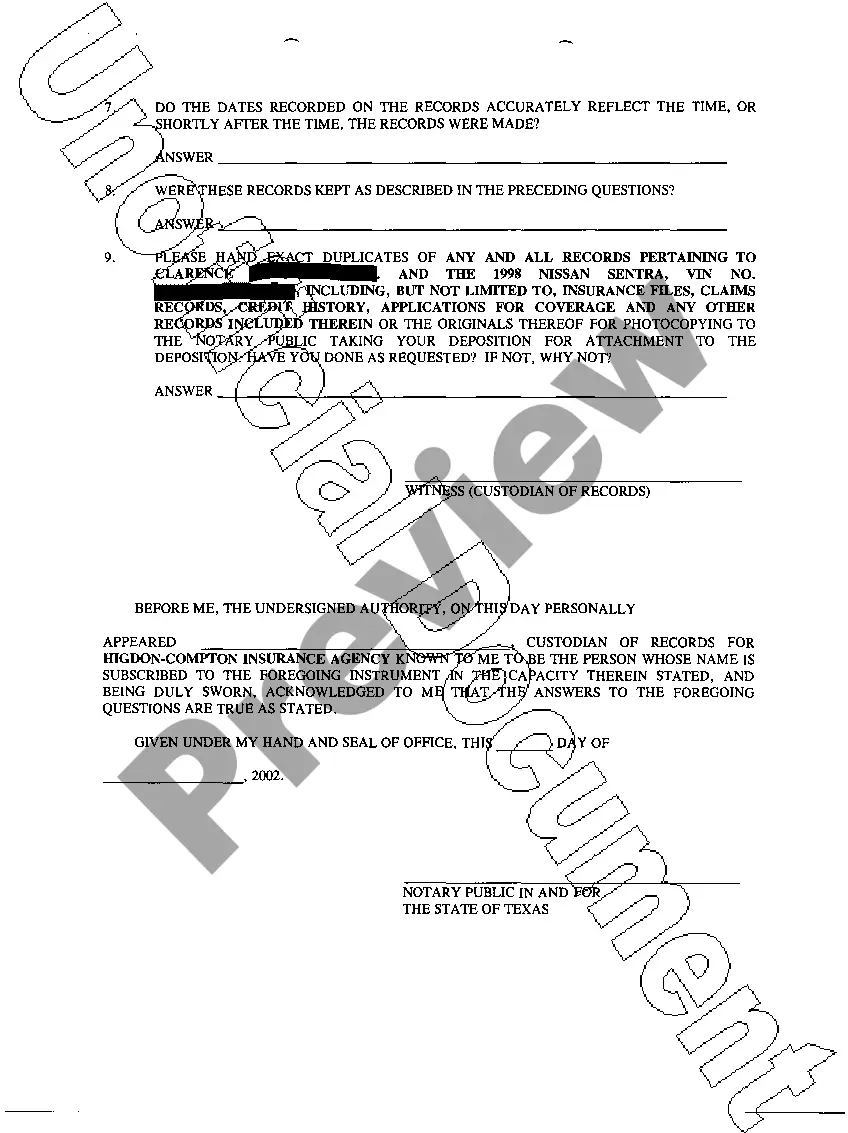


How to fill out Texas Notice Of Deposition Upon Written Questions?
Obtaining legal document examples that comply with federal and state regulations is crucial, and the web provides numerous choices to select from.
However, why squander time searching for the right Texas Estates Code Deposition On Written Questions template online when the US Legal Forms digital library already consolidates such documents in one location.
US Legal Forms is the largest virtual legal repository featuring over 85,000 editable templates created by lawyers for any business or personal situation. They are easy to navigate with all forms organized by state and intended use. Our experts keep pace with legal updates, ensuring you can always trust your documents are current and compliant when acquiring a Texas Estates Code Deposition On Written Questions from our site.
Press Buy Now once you've identified the appropriate form and select a subscription plan. Register for an account or Log In and complete the payment via PayPal or a credit card. Choose the suitable format for your Texas Estates Code Deposition On Written Questions and download it. All templates you find through US Legal Forms are reusable. To re-download and complete previously acquired forms, access the My documents tab in your account. Enjoy the most comprehensive and user-friendly legal documentation service!
- Acquiring a Texas Estates Code Deposition On Written Questions is fast and straightforward for both existing and new clients.
- If you possess an account with an active subscription, Log In and retrieve the document sample you need in your chosen format.
- If you are unfamiliar with our website, follow the steps outlined below.
- Review the template using the Preview option or through the text outline to verify it suits your requirements.
- Search for an alternative sample using the search function at the top of the page if necessary.
Form popularity
FAQ
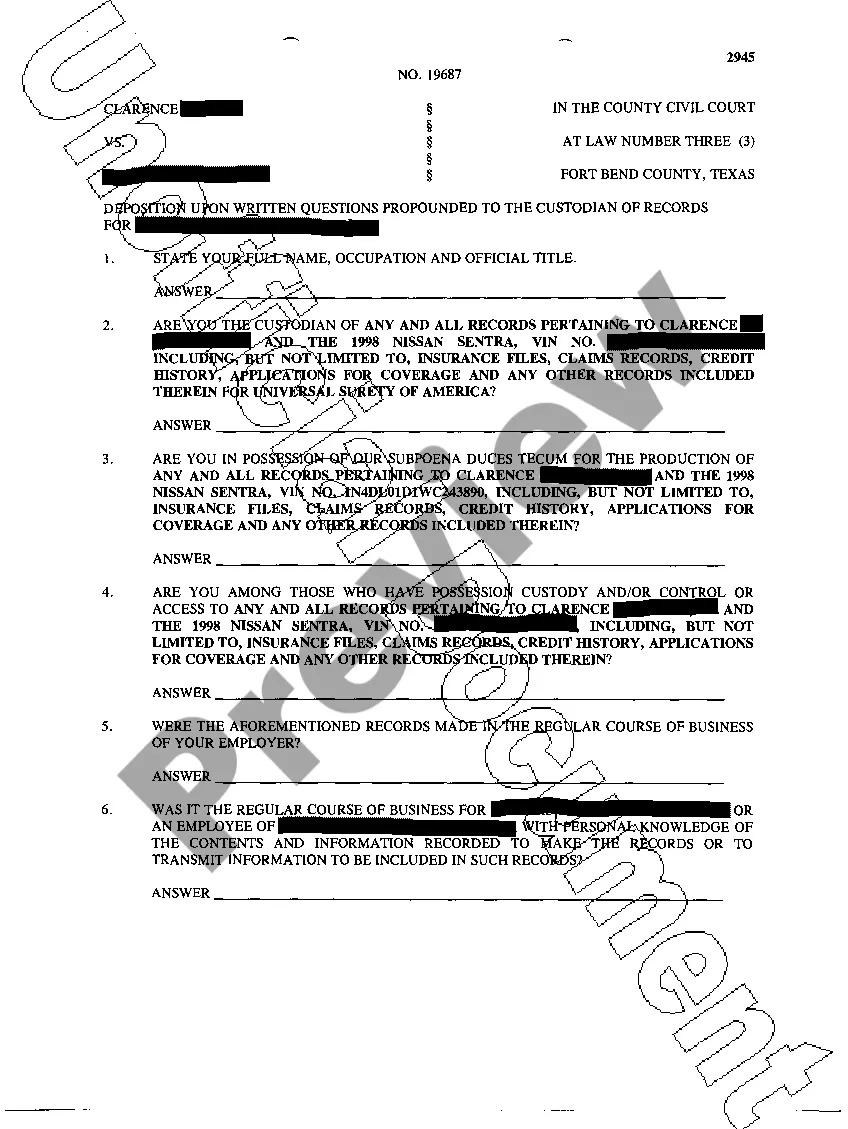
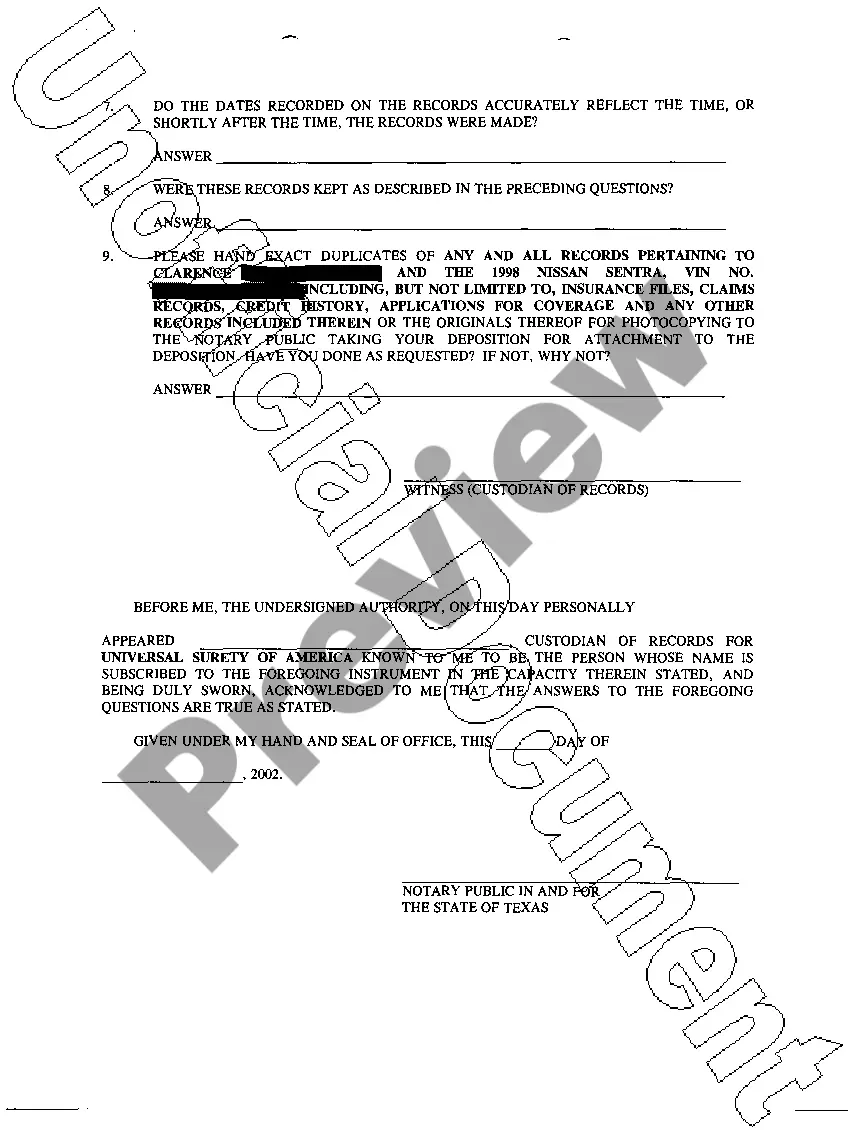
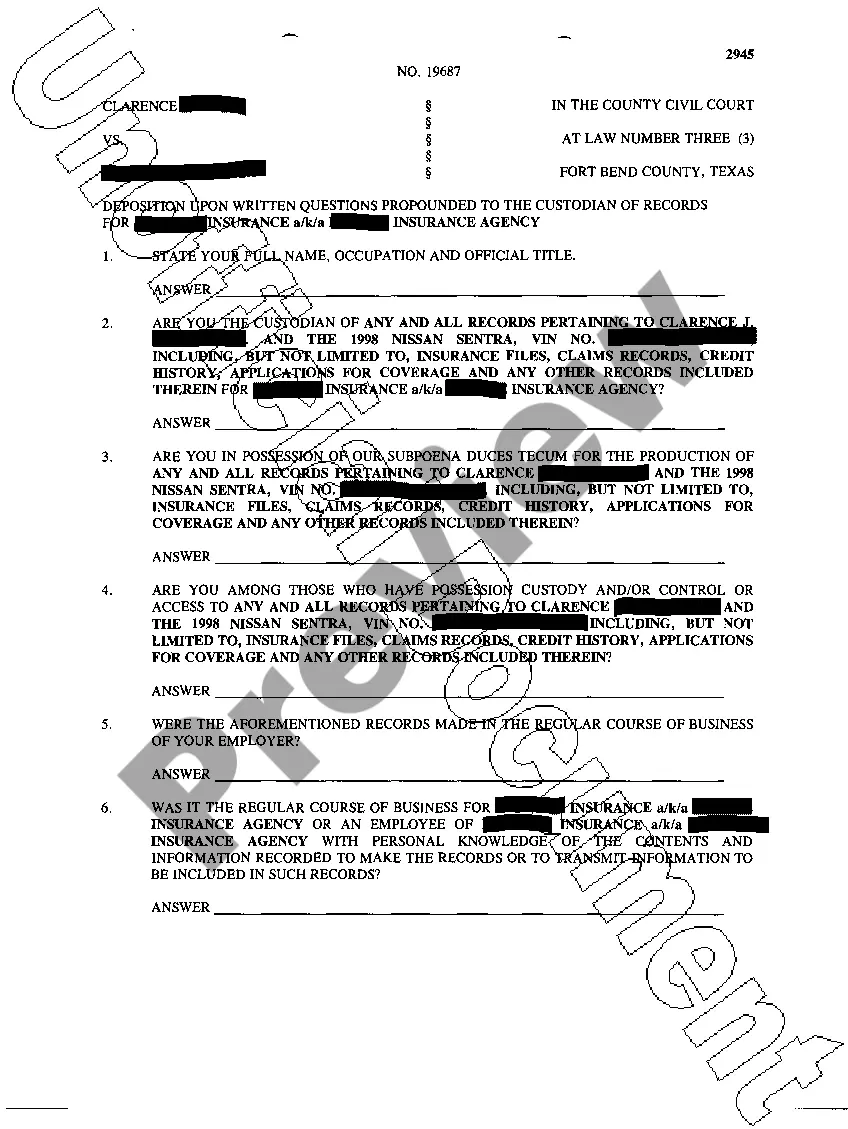
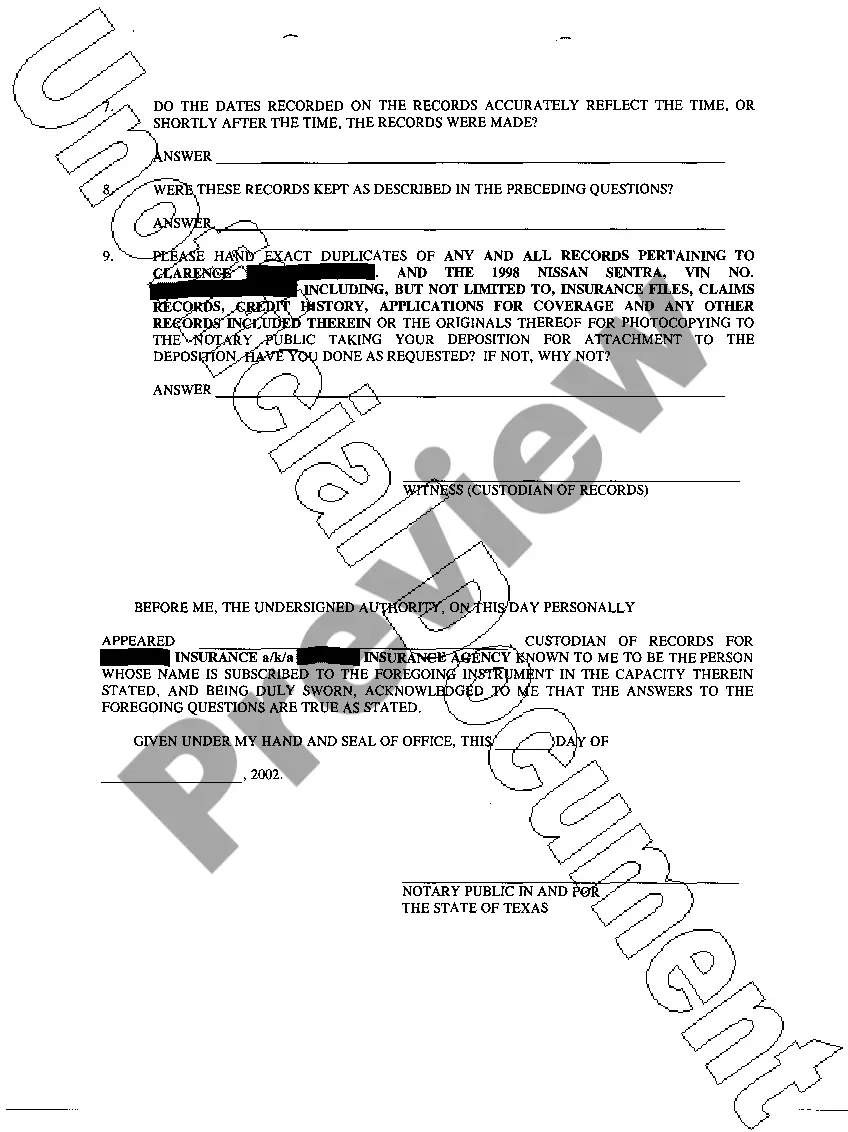
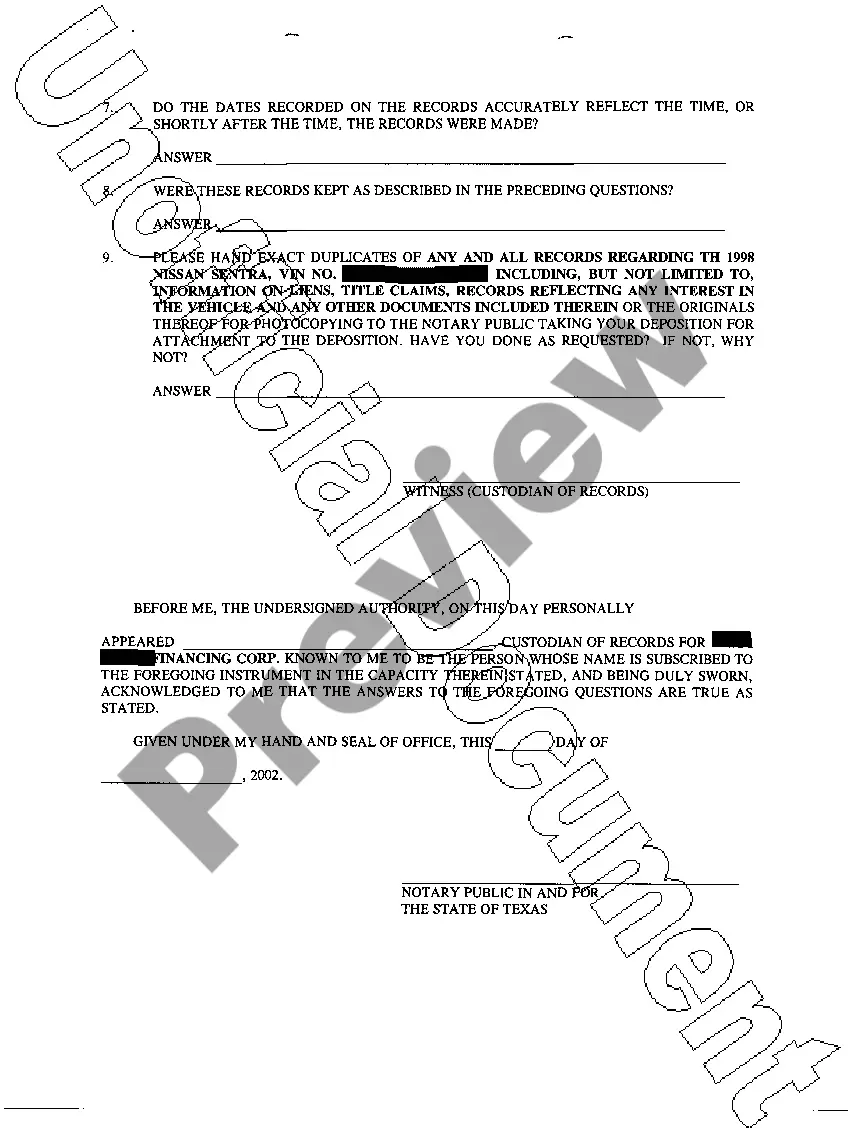
In a deposition by written questions, a third party, such as a notary public or process server, presents the questions to the deponent. The questions are answered in the presence of the third party, who also attests that the answers are properly sworn.
On direct examination, questions are limited to those that do not lead a witness. A leading question is one that suggests the answer that the attorney is wanting from the witness. If the question being asked suggests what the answer should be, a leading objection is proper.
Depositions upon written questions ? In these deposition hearings, the witness receives written questions in advance. Their legal team has a time limit to evaluate each inquiry. Once objections are squared away, the witness must answer the questions before an examiner and court reporter.
A leading question is one that suggests the answer that the attorney is wanting from the witness. If the question being asked suggests what the answer should be, a leading objection is proper.
The oral deposition must be conducted in the same manner as if the testimony were being obtained in court during trial. Counsel should cooperate with and be courteous to each other and to the witness. The witness should not be evasive and should not unduly delay the examination.